REVIEW · MUSEUM OF ILLUSIONS MADRID
Madrid: Museum of Illusions Ticket
Book on GetYourGuide →Operated by Enthoosia Spain Tourism and Museums S.L · Bookable on GetYourGuide
Reality gets a workout here. The Museum of Illusions Madrid turns the usual museum formula into a hands-on way to test your senses with optical and photographic illusions. I love how the exhibits make you stop, look twice, and then realize your brain filled in the missing bits.
Two things I really liked: the interactive setups (you don’t just watch, you try), and the photo-friendly illusions that actually reward patience. The best part is you can move at your own pace, lingering on the trick that catches your eye.
One consideration: it’s not a huge museum, so if you rush, you can finish quickly. Several exhibits are designed for standing and tighter photo positioning, so if you use a wheelchair, plan for some areas to be difficult.
In This Review
- Key things to know before you go
- Where the Museum of Illusions fits into Madrid
- A simple 60-minute game plan for your ticket
- The illusion exhibits that are worth your attention
- How to get better photos without turning the visit into a photoshoot
- Value for money: $17 and why the hour matters
- Timing your visit: avoid rush and keep the experience fun
- Getting there: the simplest way to reach the museum
- Who should book this (and who might be disappointed)
- Should you book the Madrid Museum of Illusions ticket?
- FAQ
- FAQ
- How long is the Museum of Illusions Madrid experience?
- What does the ticket cost?
- Where is the museum located and what’s the nearest transit?
- Is the ticket included with the experience?
- Do I need to buy tickets online in advance?
- Is the museum wheelchair accessible?
- How many people are in a group?
- What languages are available?
Key things to know before you go

- Small group vibe (up to 7) means you’re less likely to feel herded through.
- 1-hour entry is plenty if you take your time with the trickery.
- Photo setups matter: some illusions work best when you’re in a pair or small group.
- Not walk-in friendly: buying online ahead saves you stress.
- A few wheelchair limitations: it’s listed as wheelchair accessible, but some exhibits aren’t suitable for wheelchairs.
- Expect optical plus photographic illusions, not just simple optical effects.
Where the Museum of Illusions fits into Madrid

Madrid already has enough big, serious sights to keep you busy for days. This is the break from all that. Instead of chasing a cathedral mood or a long queue, you get something lighter: a playful, brainy museum where the main exhibit is your perception.
The museum sits in the Tirso de Molina area. If you’re using public transport, plan around Metro Tirso de Molina (Line 1). Bus stops also include Tirso de Molina lines 6, 26, 32, and M1, so it’s easy to pair with other stops in central Madrid without going on a trek.
It’s also one of those good “schedule fillers.” When the weather turns hot, or you want something that doesn’t require a timed reservation like a classic attraction, this fits nicely. And it’s very family-friendly in practice, not just in marketing.
A simple 60-minute game plan for your ticket
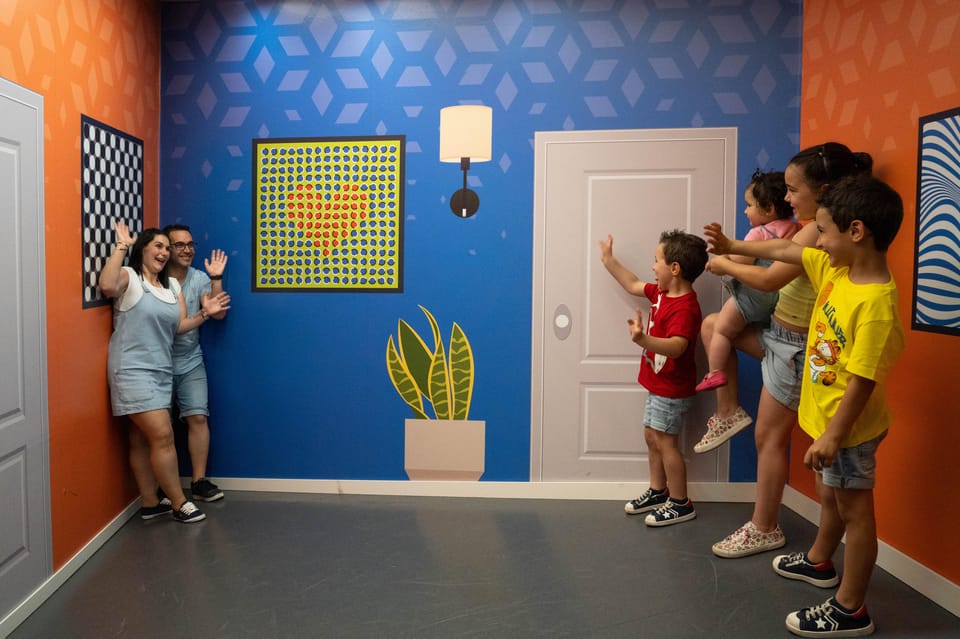
Your ticket is built for about 1 hour inside. That’s a key point for planning: you don’t need to block an afternoon. You just need to arrive with the mindset that you’ll slow down for certain rooms.
Here’s how I’d approach it so you get the most out of the time:
First, walk in and follow the flow of the exhibits at a calm pace. This museum is designed around visual “rules” your brain expects. The longer you look, the more the trick reveals itself.
Next, focus on the interactive stations where you physically position yourself. You’ll usually get better results if you take one step back, try the angle, then adjust. A lot of the magic is angle and spacing, not just the exhibit itself.
Then, reserve a few moments for the big photo moments. Some setups are best when there’s more than one person. If you’re visiting as a solo adult, you might find yourself waiting or repeating a shot so staff can help with group positioning.
Finally, if you notice you’re powering through too fast, slow down. The museum works best when you give your eyes time to argue with your brain.
The illusion exhibits that are worth your attention
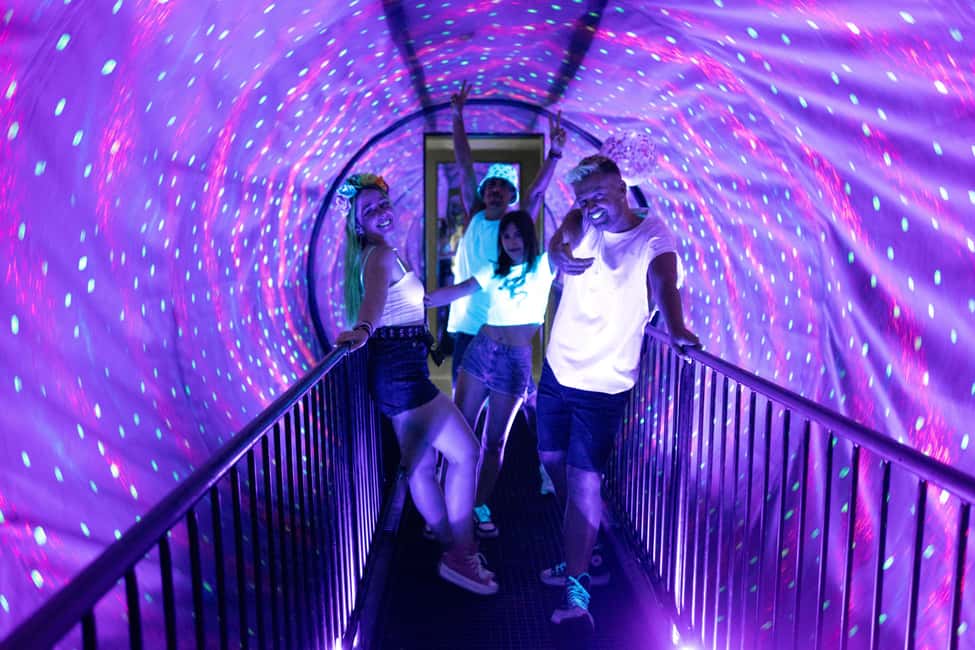
The museum’s promise is broad—optical and photographic illusions that challenge perception—but the experience comes from the specific tricks you encounter.
One of the most talked-about interactive effects is the footbridge inside a rotating drum. The visual setup can make your brain feel like you’re on something moving or unstable, even when you’re not. It’s the kind of exhibit that creates that instant reaction: you stop, you test your stance, then you take a photo and compare what you thought you saw.
Another standout is a yellow moving cube. Motion is where these museums shine because your visual system depends on patterns and timing. When the cube shifts as expected, it’s one thing. When it shifts in a way that doesn’t match the mental model you built, you get that satisfying moment where your brain goes, no, that can’t be right.
You’ll also want to look for a moving tunnel effect. Tunnel illusions are classic because they play with depth cues and perspective lines. The museum version is designed to get you physically engaged—stop at the right point, watch how the space changes, then move and see what changes with you.
And keep an eye out for an Einstein picture style illusion. This is the sort of exhibit that works on two levels: you get the visual twist, and then you start noticing how your mind predicts the rest.
Across the whole visit, you’ll see the pattern: most exhibits aren’t just “trick and done.” They’re more like mini experiments. You learn what your vision does automatically, then the exhibit interrupts that shortcut.
How to get better photos without turning the visit into a photoshoot
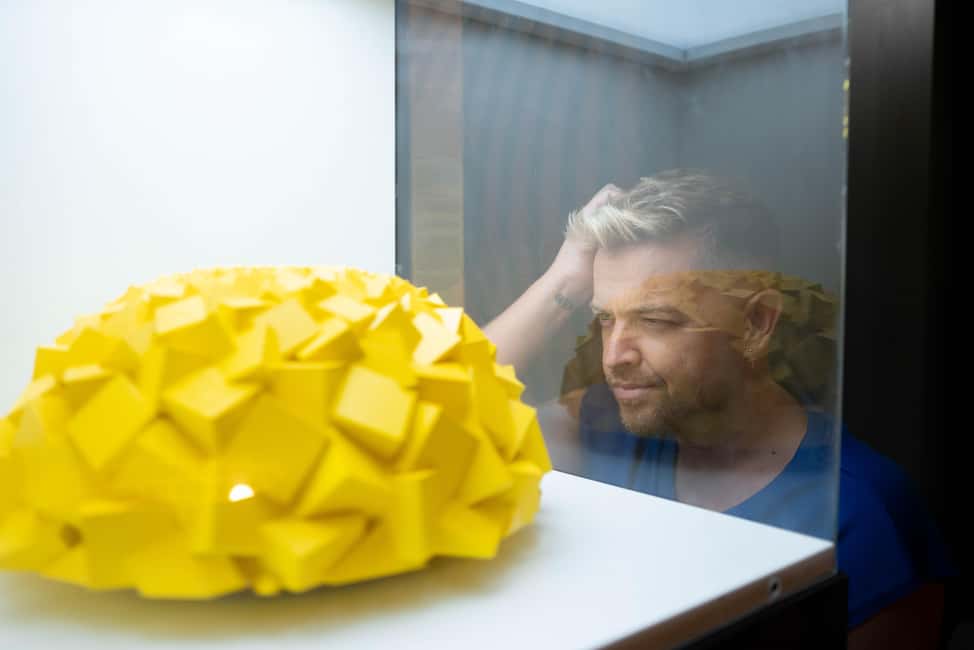
This is a photo museum, but it doesn’t have to feel like one. The goal is to use the camera to capture what you’re doing—because many illusions depend on position.
Here’s what helps:
Charge your phone fully before you arrive. You’ll use it more than you think, and it’s not the time to hunt for a charger. Also, take advantage of the museum’s built-in instructions where they exist—some spots are designed for the “right pose,” not just a random snapshot.
If you’re visiting as a couple or with a small group, you’re likely to have an easier time at the photo-based exhibits. Some effects are easiest when you’re positioned together, and there can be moments where staff ask people to stand in specific places so the illusion reads correctly on camera.
If you’re going solo, don’t panic. You might just spend extra time waiting for staff help or for an open moment in photo positions. My practical advice: plan for a slightly slower pace if you want the best shots.
Also, don’t rush through everything just because you can photograph it. The better strategy is to pick a handful of exhibits for photos, then let the rest be a slower visual experiment.
Value for money: $17 and why the hour matters
At $17 per person, you’re paying for a short, concentrated experience. The good news is that the museum’s scale matches the ticket duration. Several people report finishing around the 35 to 60 minute range depending on how much time they spend on each exhibit and on photos.
So where’s the value?
- You’re not buying time for a guided tour that drags. You’re buying an hour of interactive perception challenges.
- You’re getting multiple illusion types, including optical and photographic exhibits, plus hands-on “try this” moments.
- The results are portable. The photos aren’t just souvenirs; they act like proof that your brain was tricked.
The trade-off is that if you expect a full-day museum with endless rooms and rotating content, you may feel like you sped through it. The museum is small, and the experience is designed to be fast-moving even when you take your time.
In plain terms: if you want a compact, fun, brainy break in Madrid, the price usually feels fair. If you’re hoping for a long, in-depth museum experience, adjust your expectations.
Timing your visit: avoid rush and keep the experience fun
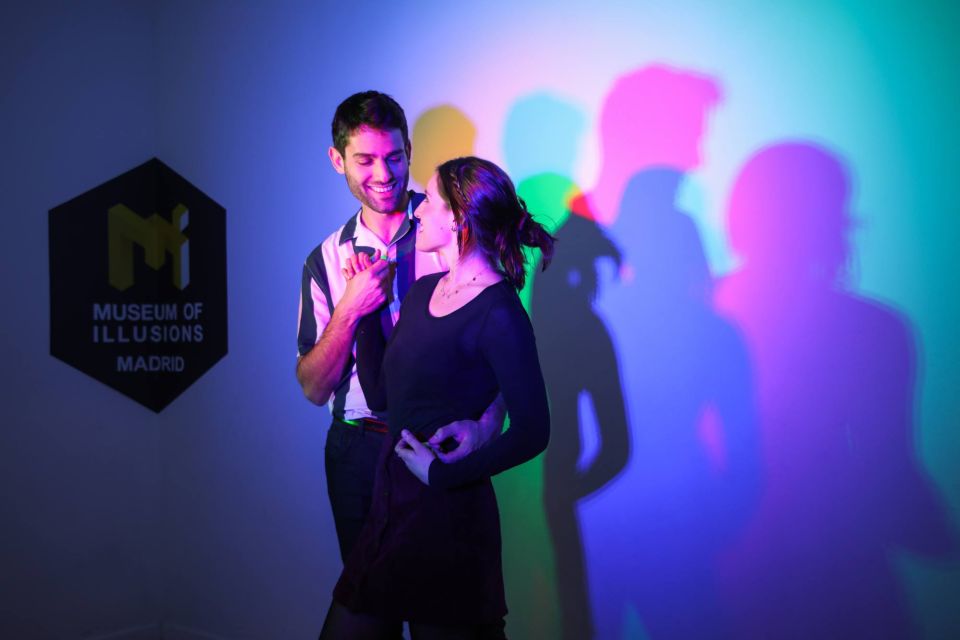
One nice aspect of this museum is that it doesn’t typically feel packed. That makes a big difference because these exhibits work best when you can step into the right spot and test angles without squeezing past other people.
If you’re flexible, choose a time when you’re not racing from another timed activity. Give yourself a buffer so you can wander in calmly, start at a comfortable pace, and slow down for the exhibits you want to understand.
Also, arrive ready to linger. The museum is best when you spend a few extra seconds watching the trick repeat from different angles. If you treat it like a checklist, you might miss the “aha” moments.
Getting there: the simplest way to reach the museum
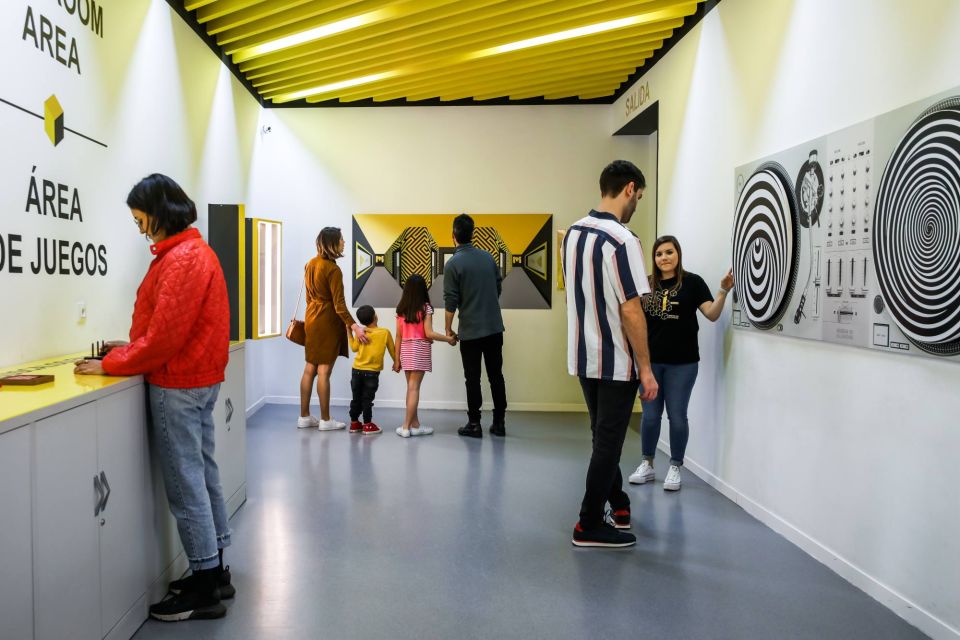
The museum’s closest transit options are very straightforward:
- Metro: Tirso de Molina (Line 1)
- Bus stops: Tirso de Molina (Lines 6, 26, 32, M1)
If you’re walking in from central areas, keep in mind it’s Madrid, so sidewalks and crossings matter. But the transit access is good enough that you won’t need a car or complicated routing.
Who should book this (and who might be disappointed)
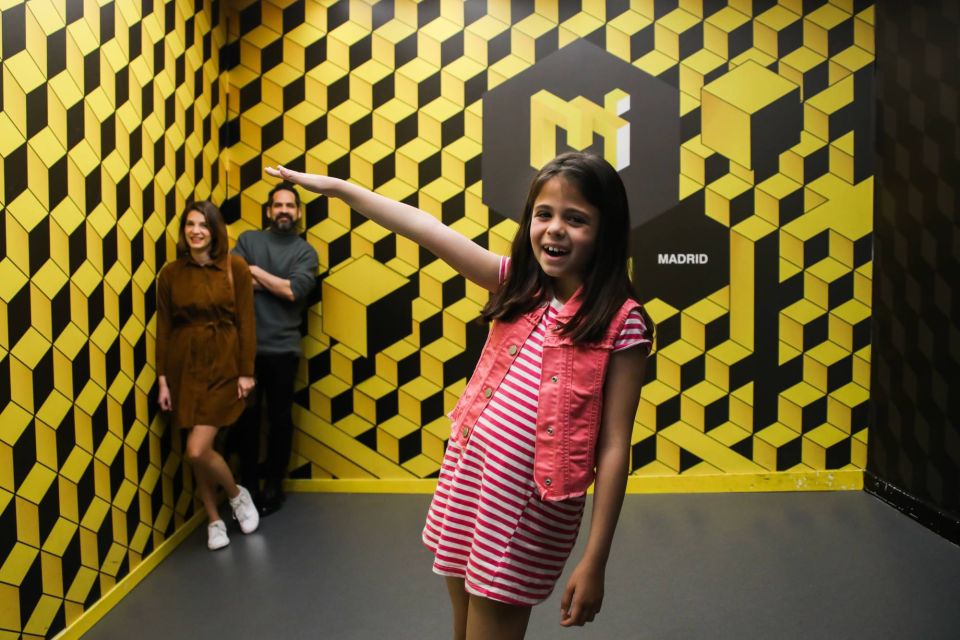
This museum works especially well for:
- Families with kids: it’s interactive, quick, and built for curiosity.
- Couples: it’s a playful shared activity with lots of photo moments.
- Older relatives visiting with you: the tone is light, and the exhibits don’t require technical knowledge.
You might not love it as much if:
- You need a long museum experience. The hour can end sooner than you expect.
- You hate photo-focused environments. A lot of the design is built around visible results on camera.
- You want a quieter, strictly sensory art experience with no “pose and look” elements.
And there’s a practical note for wheelchair users. The activity is listed as wheelchair accessible, but it also includes an important warning: some exhibitions aren’t suitable for wheelchairs, and the activity is marked as not suitable for wheelchair users. If that applies to you, I’d plan on shorter routes and be ready for portions that may not work well.
Should you book the Madrid Museum of Illusions ticket?
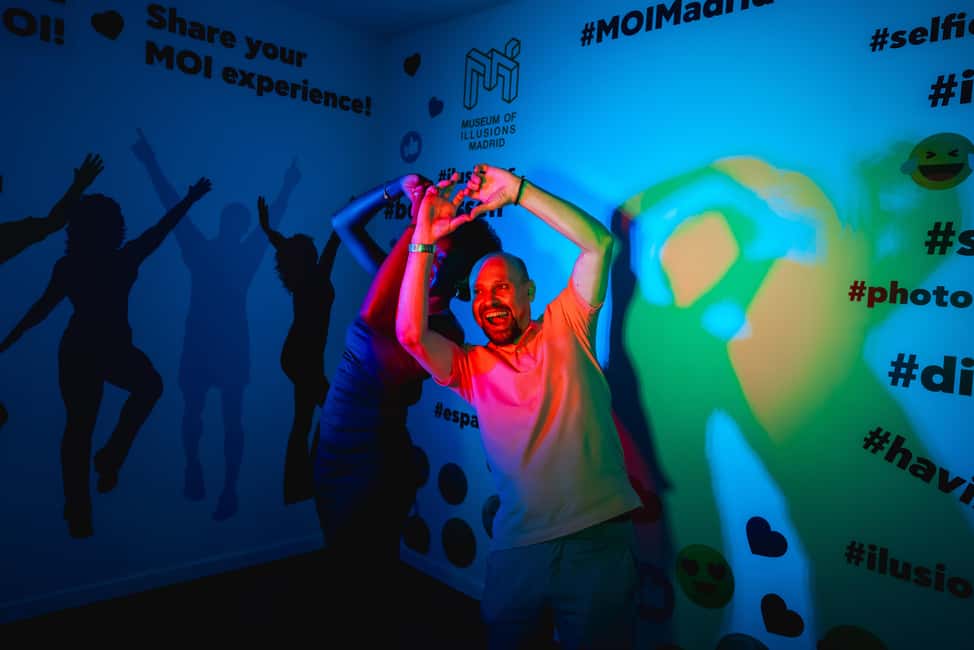
If you’re looking for a fun, low-stress activity that makes you laugh, think, and take photos you’ll actually want to show later, I’d book it. The museum’s core strength is that it turns perception into an experiment you can do in an hour.
But go in with the right expectations. It’s not a half-day or full-day museum, and if you rush, you’ll finish fast. Also, consider whether you prefer interactive, photo-oriented spaces.
Quick decision guide:
- Book it if you want optical and photographic illusions, hands-on play, and a compact 1-hour break.
- Skip or rethink if you need a large museum experience, or if mobility constraints make the exhibit layout difficult.
FAQ
FAQ
How long is the Museum of Illusions Madrid experience?
The experience duration is listed as 1 hour.
What does the ticket cost?
The price is $17 per person.
Where is the museum located and what’s the nearest transit?
The nearest Metro station is Tirso de Molina (Line 1). The nearest bus stops include Tirso de Molina lines 6, 26, 32, and M1.
Is the ticket included with the experience?
Yes. The included item is a museum ticket.
Do I need to buy tickets online in advance?
Tickets are required in advance, and walk-ins aren’t allowed.
Is the museum wheelchair accessible?
It’s marked as wheelchair accessible, but some exhibitions are not suitable for wheelchairs. It’s also indicated as not suitable for wheelchair users, so accessibility may be limited depending on the areas you need.
How many people are in a group?
This is a small group experience limited to 7 participants.
What languages are available?
The host or greeter is listed in Spanish and English.