REVIEW · ARANJUEZ
Aranjuez: Mystery and Legends Guided Nighttime Walking Tour
Book on GetYourGuide →Operated by VisitAranjuez · Bookable on GetYourGuide
Night stories have a way of sticking. This guided nighttime walk through UNESCO Aranjuez turns famous sights like Plaza de Parejas and the Royal Palace gardens into a living maze of myths, conspiracies, and spooky symbolism. You’ll hear sinister tales tied to everything from alchemy and apparitions to freemasonry and secret tunnels.
I love two things most: the way the guide makes the background feel clear (not just random spooky talk), and the focus on fountains and garden design—myths rendered in stone waterworks. One consideration: even though the activity notes say wheelchair accessible, it also says it’s not suitable for wheelchair users, so plan around stairs and uneven walking.
In This Review
- Key Highlights You’ll Notice Fast
- Café de Damas to Avenida de Palacio: Starting With the Right Atmosphere
- Avenida de Palacio’s Geometric Idea: Why the Gardens Feel Like a Puzzle
- Plaza de Parejas and the Royal Palace Side View: Mutiny, Queens, and Conspiracies
- Garden Walk at Night: Myth Waterworks and the Most “Goosebump” Stops
- Stairway of the Statues and the Sacred-Occult Connection
- Church of San Antonio and the House of Infantes: Baroque Shadows of Carlos III
- House of Trades and Knights, Market, and Town Hall: Where Legends Meet Daily Life
- Price, Timing, and What to Pack for This $14 Night Walk
- Should You Book the Aranjuez Mystery and Legends Night Tour?
- FAQ
- Where do I meet the guide?
- How long is the Aranjuez mystery walking tour?
- How much does it cost?
- What language is the tour guide?
- Does the tour run in bad weather?
- What should I bring?
- Is transportation included?
- What’s included in the price?
- Is the tour suitable for wheelchair users?
- Can I cancel and get a refund?
- Can I reserve without paying right away?
Key Highlights You’ll Notice Fast
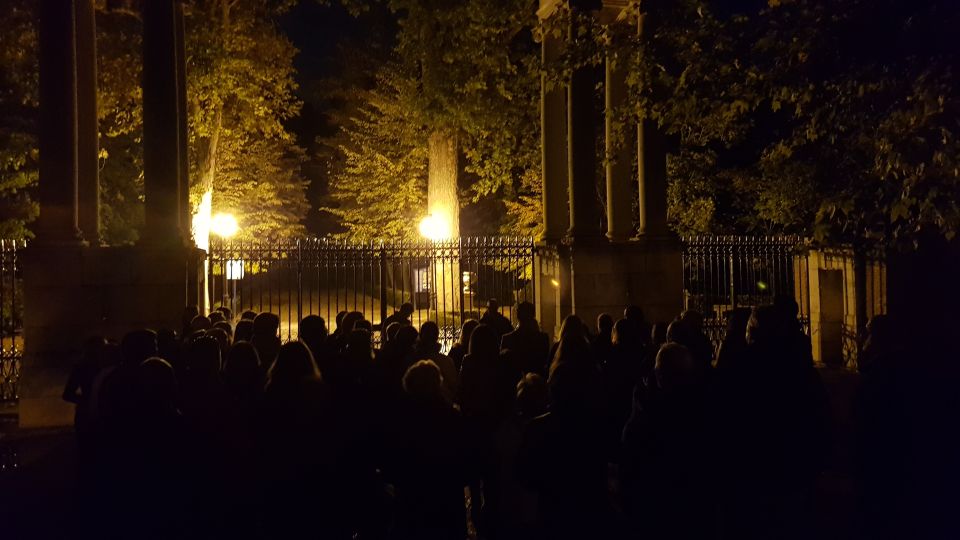
- Meeting at Café de Damas and starting the “mystery walk” right where Avenida de Palacio begins
- Geometric avenues and garden layout you’re guided to understand from the ground (and what to imagine from above)
- Plaza de Parejas viewpoint ideas for understanding the Royal Palace and what happened around it
- Myth-based fountains like Apollo, Diana, Venus, Hydra, Hercules, and more
- Baroque and royal buildings including Church of San Antonio and the House of Infantes (Carlos III)
Café de Damas to Avenida de Palacio: Starting With the Right Atmosphere
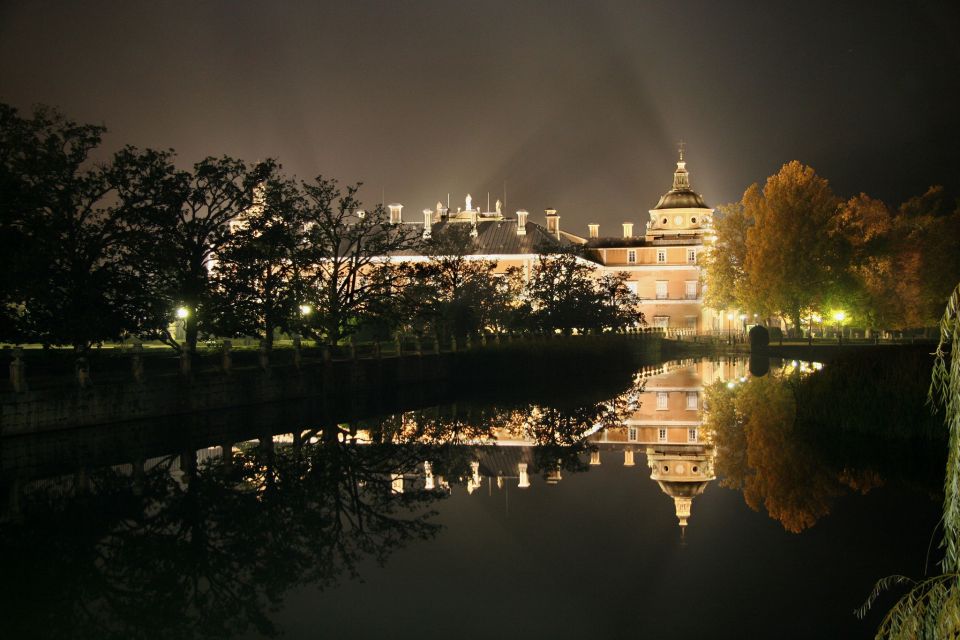
The tour begins outside Cafe de Damas, on the corner where Avenida de Palacio starts. That matters more than you’d think. Night in Aranjuez changes how you read a place. Bright facades cool down. Shadows get longer. And suddenly even a regular street feels like an entry point into a story.
Once you’re moving, the guide’s tone does the heavy lifting. The walking pace stays comfortable for a 1.5-hour experience, but the content keeps shifting—one minute you’re learning why certain areas were modified, and the next you’re hearing darker legends tied to the palace era. It’s a rare combination: a history walk that also feels like a good night-time tale you can follow without getting lost.
The practical side is simple: you’re outdoors rain or shine, so bring what you need to stay steady on your feet. Comfortable shoes are non-negotiable here. If you like your sightseeing with a little chill factor—without turning into pure gimmick—this start sets you up well.
You can also read our reviews of more walking tours in Aranjuez

Avenida de Palacio’s Geometric Idea: Why the Gardens Feel Like a Puzzle
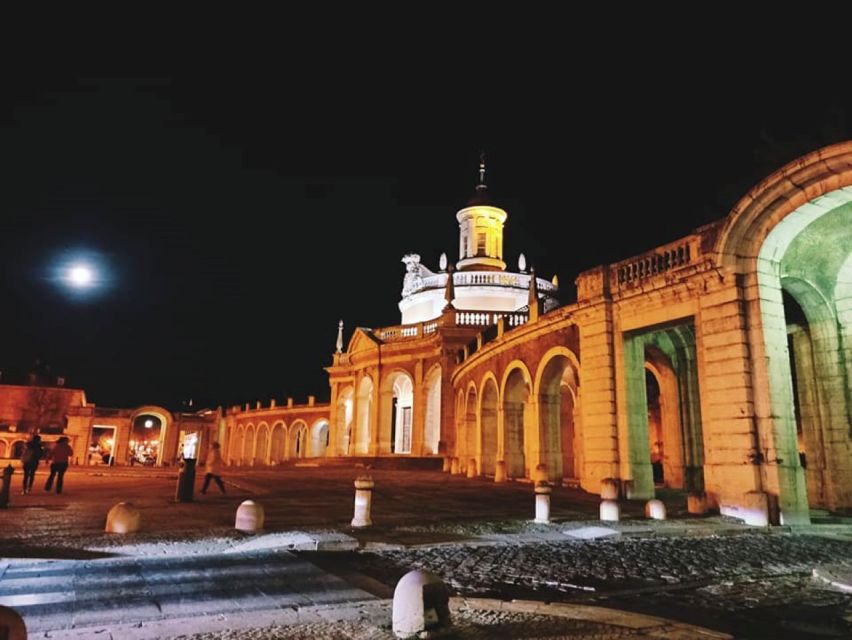
One of the tour’s smartest moves is how it explains Aranjuez’s design choices before you even “arrive” at the biggest sights. You’ll hear why the landscape was modified before the royal palace was completed, and how tree-lined avenues were arranged into geometric figures—the kind you’d truly grasp from above.
That’s where the legends connect to the real place. The story isn’t just spooky for spooky’s sake. The guide links the planning of the grounds to sacred architecture and hidden symbolism, including mentions of occultism and freemasonry. You’ll also hear how the “math and power” idea goes back far longer than the palace era—stretching into references tied to ancient Egypt and the concept of a supreme force.
Here’s the value for you: even if you don’t care about secret societies, you’ll start seeing the gardens as engineered scenes, not just pretty paths. The night setting makes it easier to focus on lines, angles, and alignment. And you’ll understand why fountains and stairways aren’t random decoration—they’re part of the overall language of the grounds.
Plaza de Parejas and the Royal Palace Side View: Mutiny, Queens, and Conspiracies
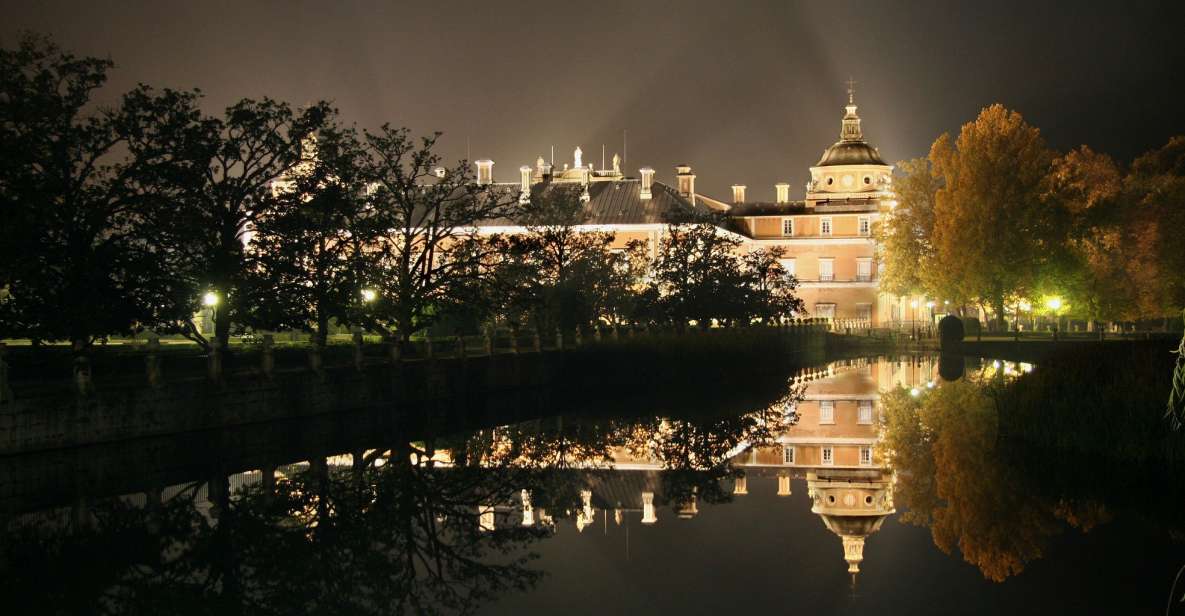
Next comes a viewpoint area around Plaza de Parejas, where the tour has you thinking about the other side of the Royal Palace. That shift in perspective is useful. It helps you stop treating the palace like one big postcard and start reading it as a set of power moves—political, architectural, and symbolic.
This is also where the darker historical mix starts to stack up. You’ll hear stories connected to the mutiny of Aranjuez, deaths of queens, conspiracies, and episodes involving maddened kings. The tour doesn’t avoid the messy stuff. It threads those events into the physical space—how certain locations and designs gained meaning over time.
Then the walk moves through Plaza de la Parada and Plaza de Abastos, which gives the night a more human scale. You’re not only staring at “royal display.” You’re passing the kind of civic spaces that make it easier to imagine everyday life alongside intrigue.
What you should take away: the guide uses the architecture like a map for the legends. When you connect a tale to a wall, a gate, or a plaza angle, the story sticks. That’s why this works even if you’re not a die-hard legend person.
Garden Walk at Night: Myth Waterworks and the Most “Goosebump” Stops
If you’re coming for atmosphere, this is the section where the tour earns it. The route continues through several of Aranjuez’s gardens: Garden of the King and Queen, the Garden of the Parterre (French garden), the Garden of the Island, and the Garden of the Florist. Walking these at night is key. You notice shadows between hedges. You hear steps more clearly. And the fountains feel like characters in the story.
The guide also points out how occult symbolism can be read into the gardens’ layout. You’ll hear about wise initiates keeping secrets hidden since the reign of Philip II, and you’ll get the idea that the grounds were treated almost like a temple of nature—built with mathematical principles tied to a higher power.
Then come the fountains. Expect a lot of myth reference—and that’s a good thing. It turns a list of sculptures into a set of story meanings. You’ll pass or be guided around fountains such as:
- Fountain of Apollo
- Clock Fountain
- Diana Fountain
- Venus Fountain
- Boticaria Fountain
- Nereids Fountain
- Ceres Fountain
- Hercules and Antaeus Fountain
- Thorn Child Fountain
And myth themes like Hydra and Hercules show up too.
Here’s the practical tip: bring your camera, but also look without recording first. At night, fountains can be tough to photograph perfectly. The goal here is to understand what each myth is saying, so give your eyes a minute before you start shooting.
Stairway of the Statues and the Sacred-Occult Connection
The tour includes the Stairway of the Statues, plus nearby stops like the Fountain of Apollo area. This is where the guide’s storytelling style becomes especially helpful. The night setting might sound like it could turn vague, but the explanations stay anchored in specific design elements—stairs, figures, fountain themes, and how all of it fits into a bigger “message.”
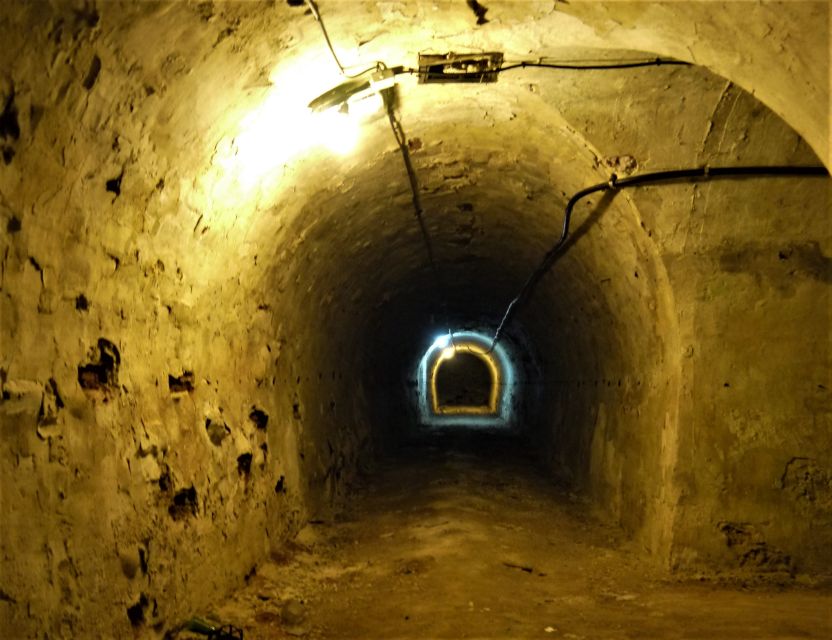
You’ll hear a connection between sacred architecture and hidden occult ideas. Mentions of alchemy and conspiracies show up again here, along with darker legends like apparitions and stories of impalement and secret tunnels. Some of this is “legend history”—not something you’d take like a textbook fact. But the value is cultural: you’re learning how people in different eras interpreted these places.
One sign you’ll enjoy this section: you like when a guide uses visuals. The tour describes stories being brought to life with images and videos as part of the explanation. That means you’re not only hearing names of myths; you’re seeing how they relate.
If you prefer strict, date-by-date history only, this might feel more theatrical than you’d like. But if you enjoy the way architecture can carry symbolism, it’s exactly the right mix.
You can also read our reviews of more guided tours in Aranjuez

Church of San Antonio and the House of Infantes: Baroque Shadows of Carlos III
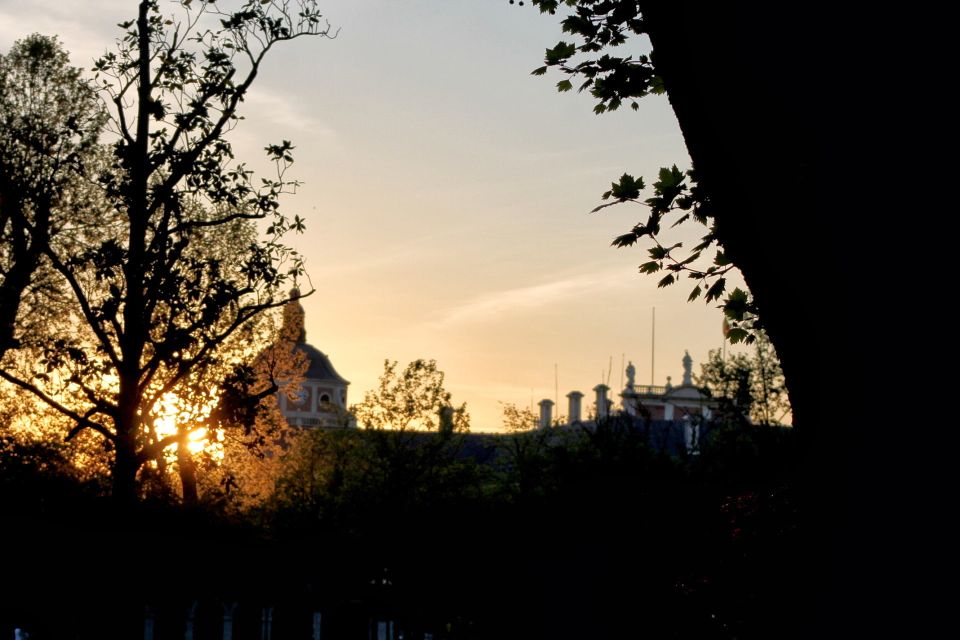
Baroque stops can be tricky on a night walk—sometimes they look best in daylight. Here, the Church of San Antonio works because the tour places it inside the story. You’re not just ticking off a building. You’re learning how religious form and royal power sit side by side in Aranjuez.
Then you’ll see the House of Infantes (Carlos III). This is where the “royal era” part of the story becomes more tangible. The guide connects the legends and conspiracies you’ve been hearing to the political era tied to the palace and its people.
It’s also a useful contrast. The earlier sections focused on gardens, geometry, and myth fountains. Now you’re dealing with masonry, faith, and royal identity. At night, details like doorways and façade proportions feel more dramatic, and it’s easier to sense why the legends attached themselves to the built environment.
A small but real benefit: these stops break up the garden focus. It keeps the walk varied so you don’t get mentally “fountain-blind.”
House of Trades and Knights, Market, and Town Hall: Where Legends Meet Daily Life
The tour rounds out with civic and royal-adjacent sights, including the 18th-century House of Trades and Knights, the local market area, and the Town Hall. Even though the theme is mystery, this part keeps it grounded. You get a sense of how a city built around palace power also depended on trade, services, and local life.
That balance matters. A place can become too “museum.” But passing through the market and town center gives you a more realistic feel for how legends would live alongside normal routines. People don’t just tell stories in palaces. They carry them through markets, corridors, and public squares.
If the legends side starts to feel like a lot, this segment is a reset. It lets your brain switch modes from myth symbolism to human-scale spaces. And it also helps you remember the names you’ve heard—like Plaza de Parada, Plaza de Abastos, San Antonio, and the royal buildings—because you’re moving through a sequence.
Price, Timing, and What to Pack for This $14 Night Walk
At $14 per person for about 1.5 hours, the value is strong—especially if you want a guided interpretation rather than self-guided wandering. You’re paying for a guide who can tie together gardens, fountains, and royal-era legends into one flowing story. That kind of “story glue” usually costs more than basic entry fees would.
Since transportation isn’t included, you’ll want to plan how to get to Cafe de Damas on your own. The good news: the meeting point is specific and easy to anchor your plan to.
Packing is straightforward:
- Comfortable shoes
- Water
- Comfortable clothes
- Camera (nice, but prioritize understanding first)
Also keep in mind the tour runs rain or shine. That means bring something light for drizzle and expect the night surfaces to feel a bit different after rain.
The tour is Spanish language, so if you’re not comfortable in Spanish, plan for that. The experience may still work with visuals, but the storytelling is clearly a core part of the value.
Should You Book the Aranjuez Mystery and Legends Night Tour?
Book it if you want Aranjuez to feel like more than a pretty place. You like myth-based explanations, you enjoy seeing how fountain themes and garden geometry connect, and you’re curious about the way people link sacred architecture, symbolism, and political history.
Skip or reconsider if you dislike spooky legends or want only strict, linear history. This isn’t that kind of walk. It’s a guided evening story anchored by real monuments—Church of San Antonio, Carlos III’s House, the stairway and fountain areas, and multiple gardens.
If you have limited time in Aranjuez and want the most “story density” per hour, this is a smart choice. One stop leads to the next with a clear theme: the city’s hidden meanings are easier to hear at night.
FAQ
Where do I meet the guide?
Meet your guide outside Cafe de Damas, at the corner of the square where Avenida de Palacio begins.
How long is the Aranjuez mystery walking tour?
The tour lasts about 1.5 hours.
How much does it cost?
The price is $14 per person.
What language is the tour guide?
The live tour guide speaks Spanish.
Does the tour run in bad weather?
Yes. The tour takes place rain or shine.
What should I bring?
Bring comfortable shoes, a camera, water, and comfortable clothes.
Is transportation included?
No. Transportation is not included.
What’s included in the price?
A guide and the walking tour are included.
Is the tour suitable for wheelchair users?
The notes say wheelchair accessible, but they also state it’s not suitable for wheelchair users. Plan accordingly.
Can I cancel and get a refund?
Yes. You can cancel up to 24 hours in advance for a full refund.
Can I reserve without paying right away?
Yes. It offers reserve now & pay later, so you can book your spot and pay nothing today.