REVIEW · MADRID
10-Day Andalusia and Morocco from Madrid
Book on Viator →Operated by VPT Tours · Bookable on Viator
Spain and Morocco, ten days, one rhythm. This trip is built for travelers who want big-name sights and real time in places like the medina of Fez El Bali and the blue streets of Chefchaouen. You get guided sightseeing in multiple cities, plus comfortable road travel on an air-conditioned coach with onboard Wi‑Fi.
I especially like the local-guide walks in key stops across Spain and Morocco, because they help you see more than just photos. I also like the practical setup: breakfast and dinner are included on most nights, so you’re not hunting for meals after long days. One thing to consider: this is a full-on route with early starts and a major ferry crossing, and the Rabat hotel can be location-dependent—one guest flagged a darker area around the hotel.
A detail I’d keep in mind before you go: the tour conductor-guide Mohamed Arhoun has a strong reputation for being professional and staying on top of the group, which matters when your schedule spans two countries.
In This Review
- Key highlights that matter (not just nice extras)
- The overall feel: a guided route that still leaves you breathing room
- Cáceres in Extremadura: a calm start before the big cities
- Seville: parks, plazas, and optional extras if you want them
- Córdoba: a guided walk from the Jewish Quarter to the Mosque/Cathedral
- White Villages, Ronda, and Costa del Sol: a scenic reset (with fewer planned details)
- Tangier crossing and Rabat: the jump from Europe to North Africa
- Rabat’s Tour Hassan and the Mausoleum of Mohamed V
- Fez: Dar Al-Makhzen, then the medina of Fez El Bali
- Chefchaouen: blue streets, then a Tangier night
- Ferry back to Spain, then Granada’s Alhambra and Generalife monuments
- Toledo: Imperial City, a Mirador view, and an old-town walk
- Price and logistics: what you’re paying for, and what you need to manage
- Who this tour is best for (and who should skip it)
- Should you book this 10-Day Andalusia and Morocco tour from Madrid?
- FAQ
- Is pickup or drop-off included?
- What time does the tour start in Madrid?
- What meals are included?
- How do you travel between Spain and Morocco?
- Do I need passport information before departure?
- How much luggage can I bring?
- Are there guided tours included in Morocco and Spain?
- What’s the cancellation window for a full refund?
Key highlights that matter (not just nice extras)
- Guided sightseeing in Sevilla, Córdoba, Fez, Rabat, Granada, and Toledo so you’re not wandering with zero context
- Two fast-ferry legs across the Strait of Gibraltar (to Tangier and back) that break up the journey
- Fez El Bali medina time with a panoramic look at the royal palace area and Dar Al-Makhzen’s seven gates
- Chefchaouen’s blue streets and Outta El Hamman Square with built-in walking time
- White Villages + Ronda + Costa del Sol downtime before Morocco kicks in
- Most meals handled: 9 breakfasts, 8 dinners, and 2 lunches included (plan for other lunches on your own)
The overall feel: a guided route that still leaves you breathing room
This is a “see a lot, learn a lot” kind of itinerary. You’ll ride daily by air-conditioned coach, and the day structure is usually: morning sightseeing with a local guide, then time to get your bearings (or grab lunch), then dinner and sleep.
That rhythm is the value. The tour doesn’t ask you to plan everything yourself, and it keeps the big transitions smooth—like getting from Andalusia to Rabat through Tangier with a fast-ferry crossing. With a group capped at 50, you get the social energy of a tour without feeling like a moving bus-station crowd.
The only real drawback is stamina. Days combine walking and transit, and you’ll want comfortable shoes and a flexible mindset. Also, you’re traveling with passport paperwork and customs steps on your own with your luggage—so keep documents handy and pack smart.
You can also read our reviews of more tours and experiences in Madrid.

Cáceres in Extremadura: a calm start before the big cities
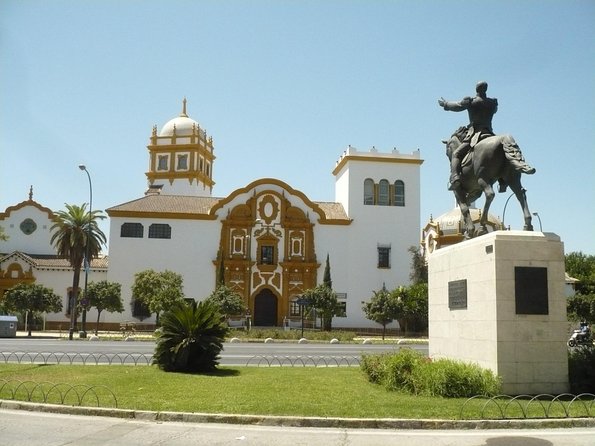
Your day begins at 8:00 a.m. from C. de Ferraz, 3 in Moncloa–Aravaca. From there, you head toward Extremadura and arrive in Cáceres. This stop is less famous than Seville, but that’s part of the charm.
You’ll have time to explore Plaza Mayor and the old city’s medieval quarter, described as very well preserved and recognized as World Heritage. It’s a nice “warm-up” because it’s not rushed like some arrival days can be.
Then you continue south to Seville, where dinner and lodging take care of the next step. If you like starting with something quieter and then leveling up, Cáceres is a solid opener.
Seville: parks, plazas, and optional extras if you want them
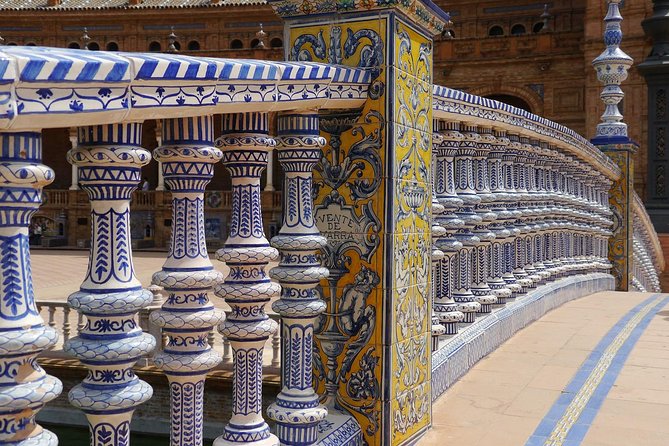
Seville day is packed with recognizable sights, guided in a way that helps you connect the dots. Your sightseeing includes María Luisa Park, Plaza de España, the exterior of Seville Cathedral, and the Giralda bell tower. You also go through the Santa Cruz neighborhood—its streets, squares, and narrow alleys are exactly the kind of place where a guide helps you move efficiently.
Two optional choices show how the tour balances structure with personal preference:
- A panoramic-style option on the Guadalquivir River (you can choose this if you want more views from the water)
- Or, if you’re curious about local traditions, an option to visit the Maestranza bullring
You’ll also have an option for flamenco in the evening. That’s a good way to sample the culture without needing to research venues on the spot. If you’re trying to keep costs controlled, treat optional activities as “choose one, not all.”
Where Seville scores most is pacing: you get the big icons plus neighborhood wandering, then you still have time to regroup before dinner.
Córdoba: a guided walk from the Jewish Quarter to the Mosque/Cathedral
Córdoba is handled with a walking tour that starts at Almodóvar Gate and moves through the Jewish Quarter before reaching the famous Mosque/Cathedral. The way it’s laid out matters because you’re not just seeing a building—you’re moving through the urban layers the guide points out.
After that guided chunk, you get some afternoon time at leisure. That’s useful here because Córdoba can feel dense and detailed. You’ll want that unstructured time for browsing, photographing, or simply taking a pause after the walking tour.
The main consideration: this is a walking-based city day. Wear shoes you trust, and don’t schedule extra activities right after the tour ends.
White Villages, Ronda, and Costa del Sol: a scenic reset (with fewer planned details)
After Córdoba, the route shifts toward the “Route of the White Villages” and Ronda. This is a change of pace: fewer museum-style stops, more scenery and free time.
You’ll get time in Ronda, then continue to Costa del Sol for dinner and your next accommodation. Costa del Sol works as a practical base in the middle of this itinerary: you’re positioned for the ferry departure toward Morocco.
One thing I’d plan for: travel days here feel like “transition days.” You’ll likely spend more time on the coach than you do in any single place, so it’s smart to keep your entertainment offline (books, downloaded playlists, etc.), even with onboard Wi‑Fi.

Tangier crossing and Rabat: the jump from Europe to North Africa
The Morocco portion starts from Costa del Sol with a crossing to Tangier via the Strait of Gibraltar. The trip uses fast-ferry tickets, which helps cut down the time you’d otherwise spend on the water.
Once you arrive in Morocco, you continue to Rabat. Before that, there’s a stop for free lunch in Assilah. That’s a good built-in break because lunch-on-your-own days are where you can follow your curiosity: quick local dishes, a coffee, or just a reset with less structure.
In Rabat, you’re set up for a very memorable first sightseeing day—especially because the monuments are explained up close.
Rabat’s Tour Hassan and the Mausoleum of Mohamed V
Rabat day focuses on two key stops:
- Tour Hassan, an unfinished mosque that rises above the esplanade and is described as having more than 200 columns
- The Mausoleum of Mohamed V, built to memorialize the sultan tied to independence, and guarded by a royal guard in colorful full dress on horseback
The horseback guard detail isn’t just a photo moment—it’s the kind of vivid, specific image that makes this stop feel grounded in living tradition rather than just “another big site.”
After Rabat, the schedule shifts again toward Fez, with accommodation and dinner arranged so you can keep momentum without constantly asking what comes next.
Fez: Dar Al-Makhzen, then the medina of Fez El Bali
Fez is handled in a way that gives you both a “big picture” orientation and a chance to feel lost in the best possible way.
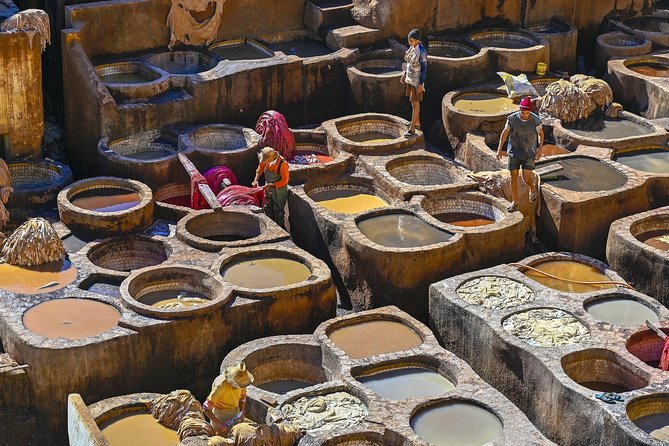
You’ll start with a panoramic tour: the royal palace area and the seven gates of Dar Al-Makhzen. Then you move into Fez El Bali, described as the oldest and most extensive medina in Morocco and a UNESCO World Heritage site, with 785 mosques and more than 2000 squares, streets, and alleys. That level of detail is why the guided structure is so helpful here. Without it, it’s easy to wander for hours and still feel like you never started.
Lunch is in a typical restaurant, and then you’re set for accommodation.
My practical advice for Fez: expect tight streets and lots of turns. Keep one simple plan—follow your guide, then use your free time (if any) to slow down rather than trying to “see everything.”
Chefchaouen: blue streets, then a Tangier night
The route to Chefchaouen (also spelled Chefchaouen) is one of the most photogenic parts of the entire trip. You’ll walk along narrow streets painted blue, ending up at Outta El Hamman Square for free time.
This is also a day where it helps to slow your pace. Let your eyes adjust. Chefchaouen is the kind of place where small scenes are the point: doorways, stairways, corners with light.
After that, you head to Tangier for dinner and accommodation.
Ferry back to Spain, then Granada’s Alhambra and Generalife monuments
On the next morning, you have a free morning until departure time, then you board the ferry back to Spain. After landing, you transfer to Costa del Sol for dinner and sleep.
Granada is then the next major highlight. You’ll visit the spectacular group of monuments of the Alhambra and Generalife, former residence of Moorish kings, including fountains, gardens, and arches. The tour frames it as a planned visit to the big complex, with dinner and accommodation afterward.
There’s also an optional add-on: you can see the caves of Sacromonte and attend a typical gipsy flamenco show. If you’re already planning to do one flamenco experience earlier in Seville, I’d pick based on what sounds more intriguing to you: the setting (caves vs city show) or the vibe you want that night.
Practical note: if you choose options, plan for timing and energy. This part of the itinerary can feel like back-to-back “peak moments.”
Toledo: Imperial City, a Mirador view, and an old-town walk
Your final sightseeing day in Spain is Toledo. You’ll depart toward the Imperial City of Toledo, where you’ll have lunch and a panoramic view from Mirador del Valle.
Then you walk through the old town. It’s a fitting capstone: after Morocco’s medinas and Andalusia’s monuments, Toledo brings you back to a dense historic center where wandering on foot works well.
At the end, you continue to Madrid and finish back at the meeting point.
Price and logistics: what you’re paying for, and what you need to manage
At $1,797.71 per person for about 10 days, this tour is priced for a structured cross-border itinerary. The value comes from several “expensive to DIY” pieces:
- Air-conditioned coach with onboard Wi‑Fi
- Local guided sightseeing in multiple cities (Sevilla, Córdoba, Fez, Rabat, Granada, Toledo)
- A multi-lingual tour escort
- Travel insurance
- Fast-ferry tickets for the Strait of Gibraltar crossing(s)
- Lodging plus 9 breakfasts and 8 dinners, with 2 lunches included
What you should expect to pay separately:
- Lunch on the days when lunch isn’t listed as included (you’ll have at least some lunches on your own)
- Optional activities, like flamenco shows and the Sacromonte option
What you must manage as a traveler:
- You clear customs with your own luggage
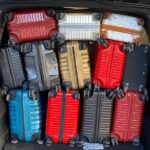
- You’re limited to one piece of luggage per person
- Passport details are mandatory to complete the booking
- You start at 8:00 a.m. from Moncloa–Aravaca, and you end back there
One more reality check from the experience data: Rabat lodging quality can vary by location, and one guest specifically flagged the Rabat hotel being in a darker area. Hotels overall were seen as good, but it’s still worth packing a small flashlight or using your phone for orientation in the evening.
Who this tour is best for (and who should skip it)
This tour fits you best if you want:
- Guides in big cities where context matters (Sevilla, Córdoba, Fez, Rabat, Granada, Toledo)
- A guided transition into Morocco, including the ferry crossing and time planning around major stops
- A schedule that’s active but not chaotic—coach, guided time, then dinner and sleep
You might want a different style of trip if you:
- Want lots of free day planning (this route doesn’t give many blank slates)
- Hate early starts and long transit days
- Need lots of luggage flexibility (the one-piece limit is strict)
Should you book this 10-Day Andalusia and Morocco tour from Madrid?
If your dream is a single ticket that ties together Andalusia’s major landmarks with Morocco’s Fez and Chefchaouen, then this is a strong fit. The mix of guided sightseeing and included meals reduces decision fatigue, and the Gibraltar ferry crossing is handled with fast-ferry tickets so you’re not stuck in slow logistics.
I’d book if you’re comfortable with a group pace and want the structure. I’d think twice if you’re a slow traveler who needs wide-open time, or if you’re especially sensitive to hotel neighborhood details—because the Rabat stay can be a factor.
FAQ
Is pickup or drop-off included?
No. Pickup/drop-off service isn’t included. The tour starts at the meeting point in Madrid and ends back at the same meeting point.
What time does the tour start in Madrid?
It starts at 8:00 a.m. at C. de Ferraz, 3, Moncloa – Aravaca, 28008 Madrid, Spain.
What meals are included?
Breakfast is included for 9 days, dinner is included for 8 days, and lunch is included for 2 days. Other lunches are not listed as included.
How do you travel between Spain and Morocco?
You cross the Strait of Gibraltar by ferry using fast-ferry tickets, going to Tangier and later returning to Spain.
Do I need passport information before departure?
Yes. Passport details are mandatory to complete the booking.
How much luggage can I bring?
Only one piece of luggage is allowed per person, and you clear customs with your own luggage.
Are there guided tours included in Morocco and Spain?
Yes. The tour includes sightseeing tours with local guides in Sevilla, Córdoba, Fez, Rabat, Granada, and Toledo, plus a multi-lingual tour escort.
What’s the cancellation window for a full refund?
You can cancel up to 6 days in advance for a full refund, based on the experience’s local start time.