REVIEW · MADRID
Monastery Royal Barefoot Visit with entrance without waiting for queues
Book on Viator →Operated by RutasMadrid · Bookable on Viator
A royal convent can feel like a time machine, and Descalzas Reales is exactly that—especially with an art expert guiding you through the paintings, sculpture, and chapel details. I love the main staircase frescoes attributed to Claudio Coello, and I also love how the visit connects art to real people, from Juana of Austria (daughter of Charles V) to the Empress María and Infanta Margarita’s tombs. One thing to note: if tapestries are your top priority, the tapestry portion may feel less satisfying than the rest of the collection.
This is a small-group tour (up to 15 people) that runs about 1 to 2 hours, and it includes your entry ticket plus a guided visit. If you pick the combined option, you’ll also walk through the Austrias’ Madrid around Plaza Mayor and Plaza de la Villa, using the monastery as your anchor point. The main consideration for planning is that the monastery may close due to solemn events or a national holiday, so your date can matter.
You’ll meet at Monasterio de las Descalzas Reales, in the historic center, and the experience is designed so you’re not stuck waiting around. It’s a strong choice if you like art but also want meaning—who commissioned it, why it was placed there, and how the convent functioned under the Habsburgs.
In This Review
- Key Highlights You Shouldn’t Miss
- No-Queue Entry and a Small Group Plan That Actually Works
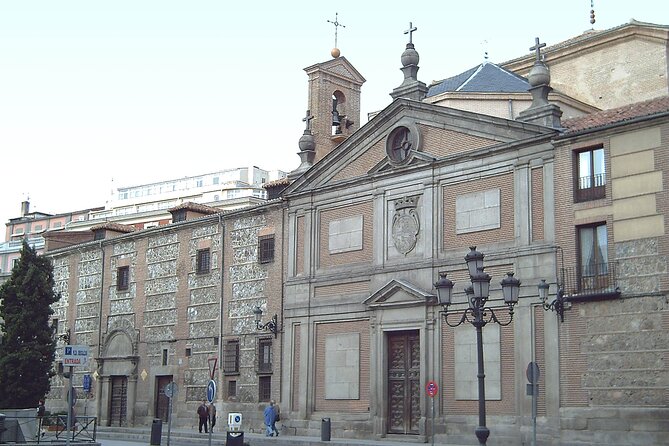
- Monasterio de las Descalzas Reales: Juana of Austria’s Convent Through Its Art
- Claudio Coello’s Staircase Frescoes: The Moment You Feel the Place Set the Rules
- Tapestries and the Upper Cloister Chapels: Where Expectations Can Go Two Ways
- The Choir, Pedro de Mena’s Dolorosa, and Royal Tombs
- Flemish, Italian, and Spanish Paintings You’ll Understand (With Help)
- Optional Madrid de los Austrias Walk: From Convent to the City’s Habsburg Footprints
- Price and Time: Is $34.62 Good Value?
- Who Should Book This and Who Might Want to Skip
- Should You Book This Monastery Tour?
- FAQ
- Where does the tour start?
- How long is the visit?
- Is the guided visit included?
- Are entrance fees included?
- Is there a long wait for entry?
- How large is the group?
- Can I cancel or change my booking?
Key Highlights You Shouldn’t Miss
- No-queue entry setup so you can start seeing things sooner instead of watching a line
- Claudio Coello frescoes on the main staircase that set the tone for the whole visit
- Choir stalls and Pedro de Mena’s Dolorosa, plus royal burials tied to the Habsburg family
- Upper cloister chapels featuring a 16th-century image of a recumbent Christ attributed to Gaspar Becerra, linked to a Friday procession
- Paintings across Flemish, Italian, and Spanish art from the 16th and 17th centuries
- A small group (max 15) that helps your guide keep explanations clear and paced
No-Queue Entry and a Small Group Plan That Actually Works
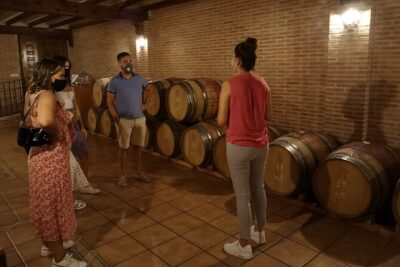
The biggest practical win here is the no-queue style entry. In central Madrid, that matters. You’re spending your time looking at art, not negotiating crowds before you even begin. You also get the comfort of a small group size (up to 15), which changes the feel of a museum-like visit. You can hear the guide, ask quick questions, and keep your attention on the details inside the convent.
The visit window is also manageable. Expect around 1 hour for the monastery portion, and about 1 additional hour if you choose the walk through Madrid of the Austrias. That makes it easy to fit into a day that already includes other sights in the center. And because it’s a guided visit with tickets included, you’re not doing any extra planning gymnastics once you show up at Pl. de las Descalzas, 3.
One more planning point: the monastery can close for solemn events or national holidays. If you’re visiting during a busy religious period, I’d treat the day-of confirmation and your general schedule flexibility as important.
You can also read our reviews of more tours and experiences in Madrid.

Monasterio de las Descalzas Reales: Juana of Austria’s Convent Through Its Art
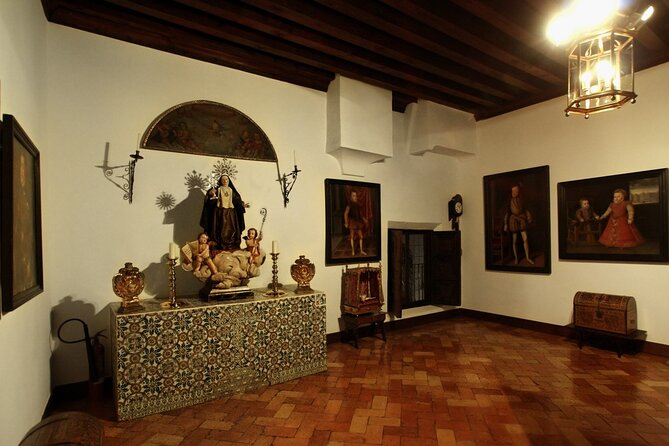
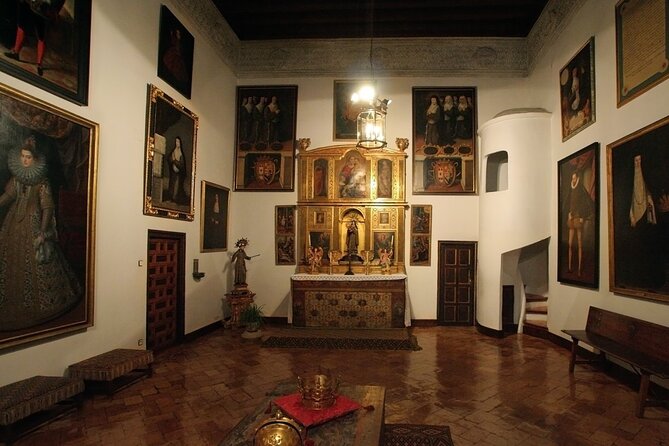
The heart of the experience is the Monasterio de las Descalzas Reales, a convent founded by Juana of Austria—youngest daughter of Charles V and sister of Philip II. That family connection is more than trivia. It helps explain why the place is decorated the way it is, and why the art inside is so tied to power, devotion, and legacy.
As you move through the spaces, your art expert guide frames what you’re seeing in human terms: who commissioned, who lived there, and how the convent’s role connected to the Habsburg court. You’re not just being shown objects; you’re being taught how to read them inside the setting that shaped their purpose.
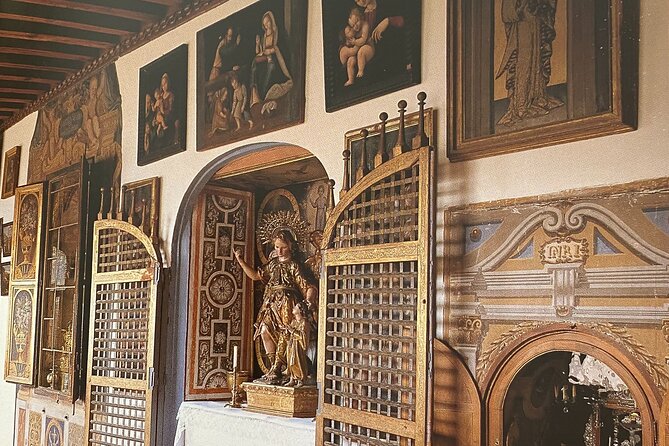
You’ll also spend time on major decorated zones, including areas around the cloister and key views inside the monastery. The guide’s focus stays on the big visual hits—frescoes, chapels, choir elements, and major collections—while still giving context for the smaller items that can be easy to miss if you go in without help.
For first-timers in Madrid who love royal backstories, this is a particularly good way to go beyond monuments-as-screensavers. You get the feeling of a working religious space, not just a static building.
Claudio Coello’s Staircase Frescoes: The Moment You Feel the Place Set the Rules
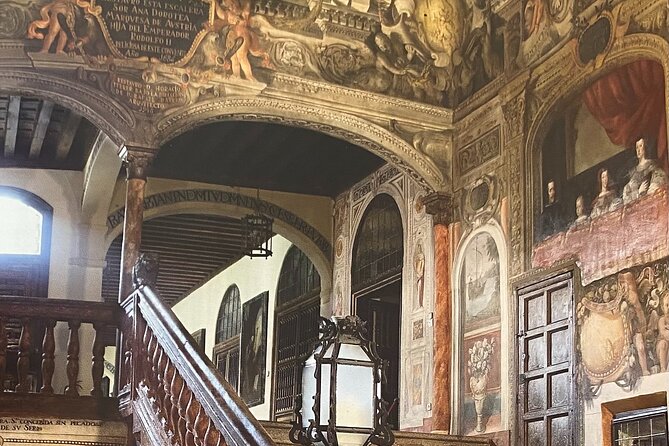
If you want one sure-fire reason to care right away, it’s the main staircase frescoes attributed to Claudio Coello. This is the kind of artwork that changes your eye. After you see it, the rest of the visit makes more sense, because the convent’s decoration starts to feel like a carefully organized visual message.
Frescoes aren’t just decoration. On staircases, they’re timed to your movement. As you climb or descend, the artwork guides your attention, and the guide helps you understand what you’re looking at and why it’s placed there. The guide also ties this visual style back to the convent’s place in 16th- and 17th-century taste and religious expression.
Even if you’re not a painting specialist, the staircase works because it’s immediate. You don’t have to guess. Your guide points out what matters, and you get to enjoy the drama without needing a master’s degree in Spanish Baroque art.
Tapestries and the Upper Cloister Chapels: Where Expectations Can Go Two Ways
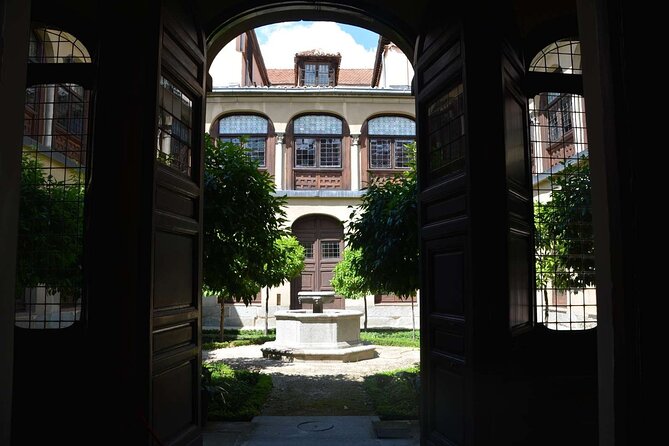
The monastery is known for multiple layers of decoration, including tapestries commissioned to decorate the space. One of the strengths of this tour is that you get an explanation of what those tapestries were meant to do in the convent environment. They’re not treated like generic wall hangings; they’re placed in the wider story of Habsburg patronage.
That said, there’s a balance to keep in mind. If you’re expecting tapestries to be the highlight, plan for the possibility that you may find them less thrilling than the convent’s other art—especially the paintings, the sculpture, and the chapel details. In other words, don’t come just for textiles. Come for the full atmosphere of the place and the art that surrounds it.
Then you’ll move toward the upper cloister chapels, where a standout element appears: an image of a recumbent Christ from the 16th century attributed to Gaspar Becerra. What makes this especially interesting is the connection to ritual. The image is carried in a procession on Friday linked to Holy Week. Your guide helps connect the artwork to the lived religious calendar, which is where many visitors suddenly understand why certain details matter.
This is also where the monastery’s quieter beauty comes through. The space can feel still, and the guide’s pacing gives you time to take it in instead of rushing you past chapels like a checklist.
The Choir, Pedro de Mena’s Dolorosa, and Royal Tombs
One of the best parts of the visit is the choir area, with original stalls where the community gathers to pray today. This is one of those moments where the art isn’t just historical—it’s part of ongoing practice.
The choir includes a magnificent Dolorosa by Pedro de Mena. The name matters because Mena is tied to some of the most emotionally direct religious sculpture of the period, and here the guide helps you understand what you’re looking at beyond the surface. It’s the kind of artwork that slows people down. Even if you’re moving fast through Madrid sites, this is a stop where you’ll likely want an extra minute or two.
You’ll also see tombs connected to the Habsburg line: the Empress María and her daughter the Infanta Margarita. That’s a big deal in a convent like this, and it’s where the tour becomes more than visual. You see how royal family memory was anchored in religious spaces—how status, devotion, and commemoration overlap.
If you like places where art and power meet ritual, this section delivers.


Flemish, Italian, and Spanish Paintings You’ll Understand (With Help)
The monastery’s collection includes paintings from the 16th and 17th centuries across Flemish, Italian, and Spanish schools. A major value of the guide is that you’re not just walking past works. You get a guided way to understand what those schools meant and what you can look for as you move between styles.
You may encounter works by names like Vicente Carducho and Luca Giordano. The guide also highlights Spanish contributions tied to sculptor Pedro de Mena and painters such as Vincenzo Carducci or Antonio Moro, depending on what’s on view. In a shorter tour window, you won’t see every single painting in storage—so the guide’s selection matters.
Here’s how I’d approach it: don’t try to memorize titles. Instead, focus on the visual cues your guide points out—figures, religious themes, and stylistic differences between schools. The tour’s strength is that it makes those differences legible without bogging you down.
And if you’re someone who usually skips painting galleries because they feel too similar, this tour is a good test. The convent setting keeps the themes coherent, and the guide helps you see connections rather than treating each canvas as a standalone object.
Optional Madrid de los Austrias Walk: From Convent to the City’s Habsburg Footprints
If you choose the combined option, the tour extends into a walk that frames Madrid through the Austrian dynasty. You’ll use the monastery as your starting point, then connect it to other emblematic areas in the center, including Plaza Mayor and Plaza de la Villa.
This part is less about entering door-after-door and more about building a mental map. The guide shares the stories and legends tied to the Austrias’ presence in Madrid, so the streets start to feel purposeful. It’s a nice way to turn the monastery visit from a single-location experience into a broader city understanding.
Keep your expectations realistic: it’s still a short walking add-on (about another hour), so you won’t cover all of central Madrid. But you will get a strong themed route—great if it’s your first time in town and you want the day’s highlights to speak to each other.
Price and Time: Is $34.62 Good Value?
At $34.62 per person, this falls into that sweet spot where you pay for real access and guidance, not just a ticket. Tickets are included, and the guided visit is included too. With a short duration and no-queue entry, you’re buying efficiency as much as you’re buying content.
Where the value really shows is in the density of art. You’re looking at a mix of frescoes, choir details, chapels, royal tombs, and major paintings within a compact route. Even if your taste runs more toward sculpture or painting, the tour touches multiple art forms so you’re likely to find at least a few moments that hit hard.
The main value caution is simple: if you’re mainly chasing one specific art category—especially tapestries—make sure you read your own priorities. The visit is art-driven as a whole, and the tapestry portion may not be the star for everyone.
Who Should Book This and Who Might Want to Skip
I think this is ideal for you if:
- You like art history when it’s explained clearly, not dumped in a lecture
- You want a royal convent experience that feels tied to real people (Juana of Austria, Empress María, Infanta Margarita)
- You enjoy religious art where ritual connections explain why the works exist
- You want a short, well-paced hit in central Madrid without a big museum shuffle
You might consider a different option if you only want modern, mainstream highlights or if you’re traveling on a schedule where closures from solemn events would be a problem.
And if you’re the kind of visitor who likes to hear the story behind the room you’re standing in, this tour’s format fits that style well. It’s designed to help you read the space while you’re still inside it.
Should You Book This Monastery Tour?
Book it if you want a guided look at the Descalzas Reales with a strong focus on major works, including the staircase frescoes tied to Claudio Coello and the choir art connected to Pedro de Mena, plus royal tombs that deepen the Habsburg storyline. The no-queue start and small group size make it a practical choice, not a “wait and hope” experience.
I’d especially book it if you’re curious how art, court patronage, and religious life overlap in Madrid. The tour doesn’t just show you objects; it helps you understand why they’re there. Just keep an open mind about tapestries, and you’ll have a rewarding visit.
FAQ
Where does the tour start?
You’ll meet at Monasterio de las Descalzas Reales, Pl. de las Descalzas, 3, Centro, 28013 Madrid, Spain.
How long is the visit?
The monastery portion is about 1 hour, and the combined option with the walk is about 2 hours total (approx.).
Is the guided visit included?
Yes. Tickets and a guided visit are included.
Are entrance fees included?
Yes. Your admission ticket is included.
Is there a long wait for entry?
The experience is described as having entrance without waiting for queues.
How large is the group?
The tour has a maximum of 15 travelers.
Can I cancel or change my booking?
This experience is non-refundable and cannot be changed for any reason. If it’s canceled because the minimum number of travelers isn’t met, you’ll be offered a different date/experience or a full refund.