REVIEW · MADRID
Tour Segovia and La Granja de San Ildefonso from Madrid
Book on Viator →Operated by Agiday Experience · Bookable on Viator
Segovia is small, but the sights pack power. This calm, semi-private day trip takes you through Roman waterworks, Segovia’s Gothic highlights, and ends with La Granja’s fountain gardens—without the usual rushed tour feel.
I like that it’s built around a maximum of 8 participants, with the guide keeping the pace easy and unhurried. I also like the practical setup: comfortable Mercedes-Benz Vito transport with air-conditioning, plus Spanish live guiding with audio support if you speak another language.
One thing to consider: it’s still a 9 to 10 hour day. You’ll be on your feet for multiple historic sites, and you’ll need a moderate fitness level.
In This Review
- Why this Segovia + La Granja day works
- Riding out of Madrid in comfort (and why it matters)
- Roman engineering at the Segovia Aqueduct
- The water system continues: San Gabriel sand trap
- Castilla politics in the Plaza: Juan Bravo
- Casa de los Picos: Gothic meets a spike-studded façade
- San Martín church: where Romanesque, Gothic, and Mudejar overlap
- Corpus Christi church: the old synagogue you can still understand
- Walking La Judería: Segovia’s Jewish quarter
- Cathedral time: the Lady of Cathedrals viewpoint
- Alcázar of Segovia: the fairytale ship-prow castle
- Mirador de la Pradera de San Marcos: views that reframe the city
- Vera Cruz church: octagonal symbolism at El Parral
- Lunch rhythm: how meal time fits (without killing the day)
- Trading stone for symmetry: La Granja de San Ildefonso gardens
- Price and value: what $162.90 is actually buying
- Who should book this, and who might want a different plan
- Should you book this Segovia and La Granja tour?
- FAQ
- FAQ
- How long is the Segovia and La Granja tour from Madrid?
- What is the group size for this semi-private tour?
- What transport is used for the tour?
- What languages are available during the tour?
- Which attractions have admission included?
- Is the Roman aqueduct admission free on this tour?
- Do you get time for a meal, and when?
- Is La Granja included, and can I visit the palace?
- Is this tour suitable for people with moderate fitness?
- What happens if the weather is poor?
Why this Segovia + La Granja day works
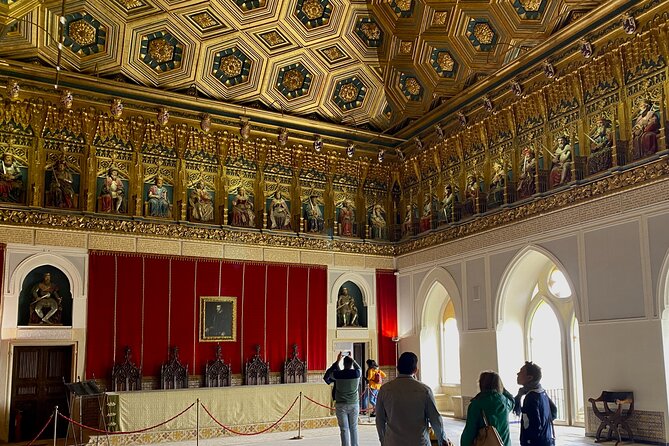
- Small group pacing (max 8): fewer stops feel like checkpoints and more like a slow walk with context.
- Pairing the classics: Roman aqueduct sights first, then churches, the Jewish quarter, and the cathedral and Alcázar.
- Real architecture details: you’re not just seeing exteriors; you’re getting explainers for why buildings look the way they do.
- La Granja’s fountains after Segovia: a different mood—formal gardens and symmetry instead of stone streets.
- Some key entrances handled: the Corpus Christi church (old synagogue) and Alcázar tickets are included.
Riding out of Madrid in comfort (and why it matters)
The day starts back at P.º del Prado, 3, Retiro, Madrid. You’ll travel in a Mercedes-Benz Vito (or similar) with air-conditioning, which helps a lot when you’re heading into the long middle of the day.
This is a semi-private format, with the important point being the group size. A maximum of 8 participants means you’re less likely to get herded, and you’ll usually have an easier time hearing the guide during short walks between sites. The tour also uses audios for other languages while the guide speaks Spanish, which is a big quality-of-life feature if your Spanish is limited.
It’s also worth noting the schedule rhythm: there are several short, high-impact stops early in Segovia, then longer blocks later for the cathedral and meal time. If you hate sprinting through sightseeing, this structure is more gentle than most.
You can also read our reviews of more tours and experiences in Madrid.



Roman engineering at the Segovia Aqueduct
The first stop is the Acueduct of Segovia, the city’s most recognizable symbol. You’re looking at an ancient Roman aqueduct that’s still in impressively good condition—this isn’t a ruined idea. It’s a functioning engineering story that has lasted for centuries.
You get about 1 hour 30 minutes at this stop. That time matters. You’ll learn the history, but you’ll also hear about legends, legacies, reconstructions, and the kind of secrets that make Roman tech feel human instead of abstract. One of the best parts of an aqueduct is that it’s not just a monument—you can understand it like a system.
Possible drawback: the aqueduct area can be very “photo-friendly.” That’s great, but it can also mean crowds at peak times. With this small-group pacing, you’ll have a better chance of enjoying it without constantly moving.
The water system continues: San Gabriel sand trap
After the aqueduct, the tour heads to the Desarenador del Acueducto, also known as the San Gabriel sand trap. This is one of those stops that usually gets ignored on fast tours. Here, it gets attention.
You’ll spend about 20 minutes learning how a second decantation worked before water continued higher through the city. The key payoff is visual: from the house, you can see how the water entered the canal. You’ll get a clearer sense of how the aqueduct moves from one phase to the next, especially once it reaches the elevated, monumental run.
If you like architecture and engineering details, this stop is a strong reason the tour feels educational rather than purely scenic.
Castilla politics in the Plaza: Juan Bravo
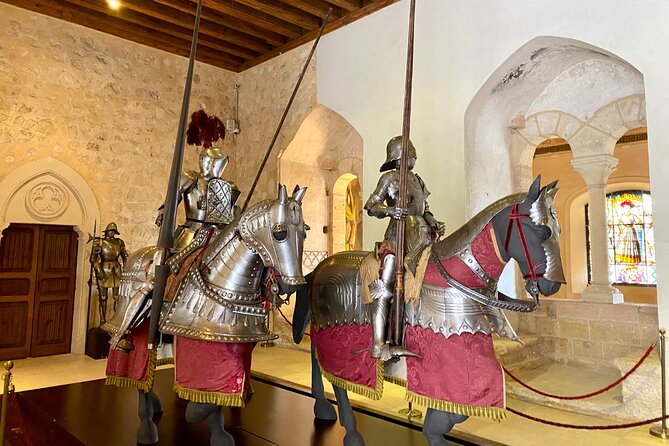
Next you’ll reach the Monumento a Juan Bravo in the Medina del Campo Square. Juan Bravo was a major military and political leader during the War of the Communities of Castile in the 16th century.
This stop is brief at about 15 minutes, but it adds a layer that many visitors miss. Segovia isn’t only Roman and medieval. It also played roles in later historical conflicts, and the statue gives you a concrete anchor for that era.
I like stops like this because they connect the stones to people. You start looking at the city as a place that held power and conflict, not just buildings.
Casa de los Picos: Gothic meets a spike-studded façade
At Casa de los Picos, the focus shifts to style and design. The building is famous for its façade covered in granite spikes, carved in diamond-like shapes, which is where the name comes from.
You get around 10 minutes here, and the main value is understanding what you’re seeing: the origin is tied to the 15th century, and the façade reflects a combination of Gothic and Renaissance influences. It’s unusual for the period, which helps explain why it’s still a standout on a short Segovia walk.
Practical tip: if you want close-up photos, show up to the façade at a slight angle. From straight-on, the spikes read as texture; from a bit sideways, you get depth in the pattern.


San Martín church: where Romanesque, Gothic, and Mudejar overlap
The tour then brings you to San Martin Church, a compact but meaningful stop for architecture lovers. It’s described as Romanesque in character, with Gothic and Mudejar elements.
You’ll have about 15 minutes. That’s enough time to take in the idea of architectural evolution—how styles don’t replace each other overnight. They layer.
If you’ve ever wondered why Spain can feel stylistically mixed even within one church, this stop helps you see the logic behind it.
Corpus Christi church: the old synagogue you can still understand
One of the best segments of the day is the Iglesia del Corpus Christi. The tour notes that the current church stands on the site of the old main synagogue of Segovia, and studies suggest it dates to about the 14th century. It’s also described as the best preserved of Segovia’s five synagogues, likely due to conversion to Christianity in 1410.
This stop runs about 20 minutes, and the entrance is included. That matters because it turns this from a quick exterior check into an interior payoff.
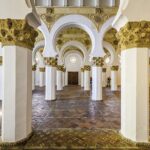
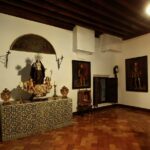
Inside, the structure is where the story gets visual: a prayer room divided into three naves, separated by horseshoe arches and octagonal pillars topped with carved capitals. There’s also a continuous gallery above the side naves with horseshoe arches and pentalobed arches. You’ll hear how later Christian use left its marks, but the space still carries Jewish architectural character.
Why it’s valuable: this is one of those places where history doesn’t feel like a paragraph. It feels like the building itself still holds evidence.
Walking La Judería: Segovia’s Jewish quarter
After that, you’ll walk through La Judería, the Segovian Jewish quarter. The guide frames it as a neighborhood that, for much of its existence, experienced a climate of relative well-being and fewer violent episodes with the wider Jewish population until the 15th century.
The walk is about 15 minutes. It’s not meant to be a full history lecture. It’s meant to give you street-level orientation—how the quarter sits, how you move through it, and how it connects your earlier synagogue visit to the broader city layout.
If you enjoy thoughtful pacing, this part works well because you’re not rushing between big ticket highlights.
Cathedral time: the Lady of Cathedrals viewpoint
Then you reach Catedral de Segovia, known as the Lady of Cathedrals. This is where you’ll get roughly 2 hours total, including time to explore on your own and meal time (the exact split depends on your group and how the day is flowing).
The cathedral is Gothic and described as one of Segovia’s main attractions, with size and architectural detail that can surprise you. There are also views from the tower, which is often the payoff if you like a strong “top of the city” moment.
Two practical notes:
- Entrance ticket here is not included, so plan on paying separately if you want the interior and/or tower access.
- Since this is guided small-group pacing, you should have an easier time finding your own pace inside rather than getting yanked along.
If you’re the kind of person who wants to pause and look upward, take advantage of the time buffer.
Alcázar of Segovia: the fairytale ship-prow castle
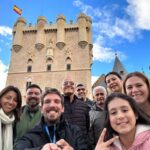
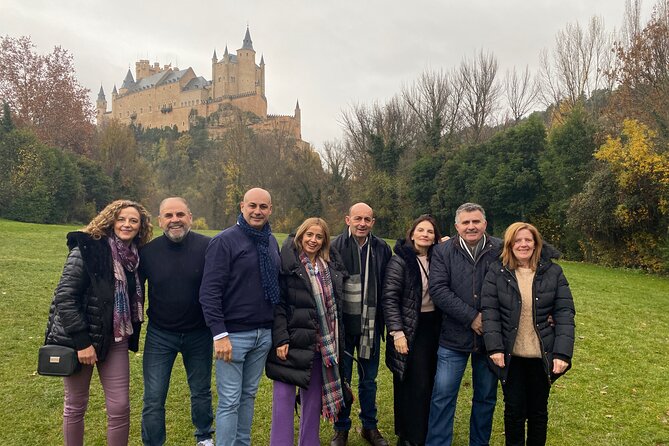
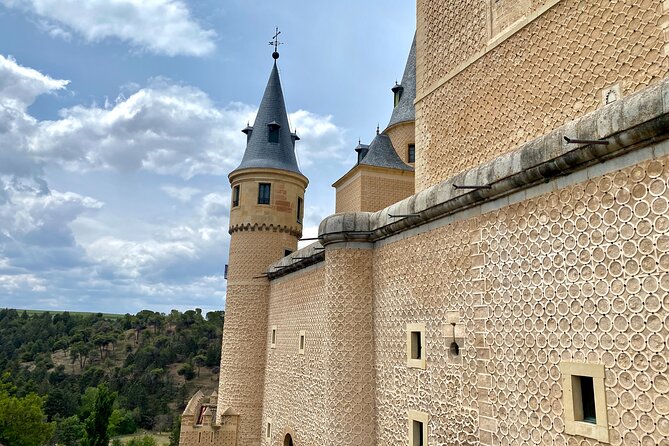
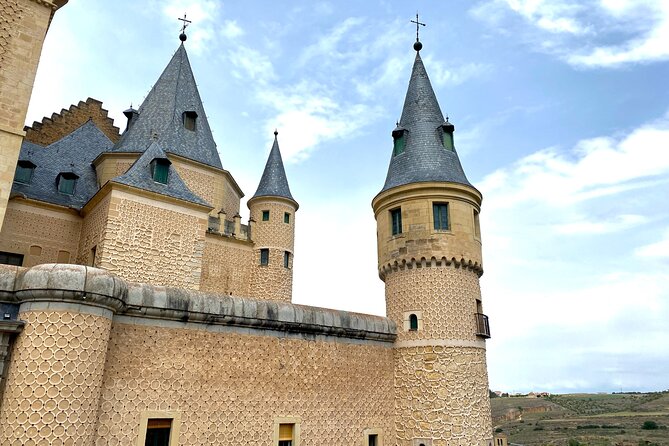
Next is the Alcázar of Segovia, widely considered one of Spain’s most famous castles. The description is spot on: the silhouette looks like a ship-prow, and the feel is almost unreal from the first strong angle.
You’ll spend about 1 hour 30 minutes, and the ticket is included. That’s an excellent value point because the Alcázar can easily eat into a full day if you’re doing it independently and trying to line up timed entries.
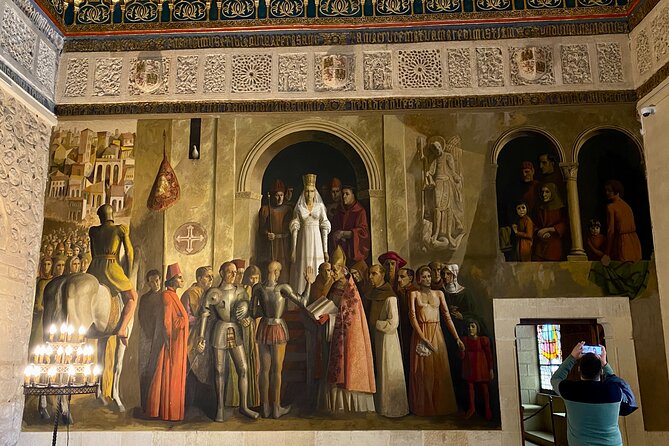
Inside, you get a mix of history and architecture. And even if you don’t feel like a “castle person,” the Alcázar is usually worth it because it’s as visually distinctive as it is storied.
Pair it with the idea of the day: you’ve gone from Roman water engineering to medieval streets and then into royal power imagery. The contrast is what makes this stop land.
Mirador de la Pradera de San Marcos: views that reframe the city
Before the cathedral-your-own time is fully over, the tour includes the Mirador de la Pradera de San Marcos viewpoint. This stop is only 15 minutes, but it gives you a scenic map moment.
From here you can take in panoramic views of the old town, the Alcázar, and the surrounding landscape. It helps you “read” Segovia after walking through it. That mental picture sticks, and it makes later photos and memories more satisfying.
Vera Cruz church: octagonal symbolism at El Parral
The tour then includes Iglesia de la Vera Cruz, located on the outskirts of the historic center in the area known as El Parral. It’s described as Romanesque-Mudejar style and highlighted as one of Spain’s important examples of that blend.
You’ll have about 20 minutes here, and it’s noted as not included for tickets. The church is famous for its octagonal plan, and the octagon is believed to represent the Holy Sepulcher of Jerusalem.
This stop can be a nice change of pace after the big-name highlights. It’s less “touristy spectacle,” more a quiet architecture moment.
Lunch rhythm: how meal time fits (without killing the day)
Segovia’s schedule includes time for meals, but the tour keeps it flexible: you’ll get meal time agreed with each group. That’s useful if your group is slow and wants more museum-style wandering, or if you want to keep things moving.
The cathedral block explicitly includes meal time inside the overall 2-hour window. So if you’re planning ahead: decide whether you want a sit-down meal or a quick bite, and aim to eat before your self-guided exploring time ends.
With a small group, you’ll usually avoid the classic problem of “everyone disappears and the guide is stuck waiting.”
Trading stone for symmetry: La Granja de San Ildefonso gardens
On the return side of the day, the tour goes to the Guadarrama mountain range landscapes and then finishes with La Granja de San Ildefonso.
Here you’ll have an option-based setup:
- You can walk through the gardens with the guide.
- You can also visit the Royal Palace of La Granja de San Ildefonso on your own if you want.
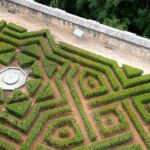
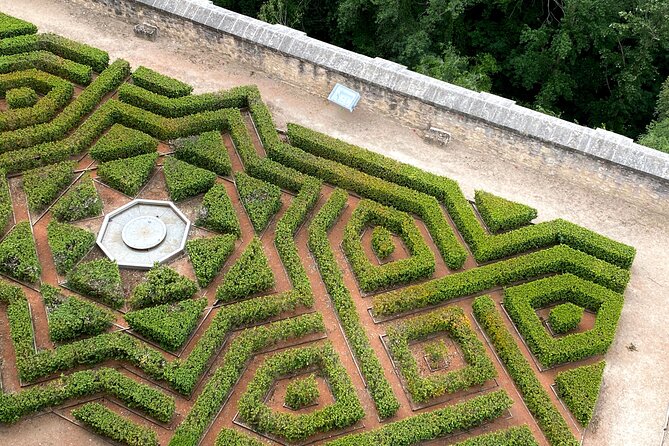
La Granja is an 18th-century royal summer residence complex with a palace, formal gardens, and spectacular fountains. The gardens are famous for geometric design, tree-lined walks, statues, and the overall calm that comes from symmetry.
This is also where the day turns more “relaxing” than “historical inspection.” Segovia is a tight, architectural cityscape. La Granja gives you breathing room and visual order.
If you love fountains, you’ll likely enjoy the gardens even from a distance, because the space is designed to guide your eye. If you’re more about interiors, the palace option lets you trade exterior wandering for an indoor history stop.
Price and value: what $162.90 is actually buying
At $162.90 per person, this is priced as a full-day guided experience rather than a cheap transfer. The value comes from the mix of:
- Small-group size (maximum 8),
- Comfortable round-trip transport from Madrid in a Mercedes-Benz Vito,
- A guided route through major Segovia highlights,
- Entrance included for Corpus Christi and Alcázar, and
- Mobile ticket support.
Several other major stops are listed as free admission tickets (like the Aqueduct and many exterior church visits), which is good for your budget, but the inclusion of those two interior-heavy sites helps justify the price. Cathedral admission is not included, so you should expect a separate cost there if you want interior access and/or tower views.
In plain terms: you’re paying for logistics + interpretation + timing. If you’ve ever tried to self-plan Segovia and ended up spending more time lining up tickets and walking without context, this tour’s structure can feel like a shortcut that still keeps the day human.
Who should book this, and who might want a different plan
This tour is a strong fit if you:
- Want history explained clearly while still having freedom to look around,
- Prefer less crowded group energy,
- Like Roman, Gothic, and architectural blend stops (Romanesque-Mudejar especially),
- Plan to spend meaningful time at the Alcázar and cathedral.
You might consider a different style of tour if you:
- Want a full deep-dive museum day only indoors,
- Don’t want to walk between multiple sites in one go,
- Are sensitive to long sit-and-go blocks, like the cathedral’s combined schedule for sightseeing plus meal time.
Should you book this Segovia and La Granja tour?
If your dream is a Segovia day that doesn’t feel like a race, I’d book it. The small-group limit, the calm pacing, and the fact that you get both major highlights (Aqueduct, cathedral, Alcázar) plus the more thoughtful architecture stops (Corpus Christi old synagogue, San Martín, Vera Cruz) make it feel well balanced.
The main decision point is your comfort with a 9 to 10 hour day and your willingness to handle a few entrance tickets separately (notably the cathedral). If you’re okay with that, you’ll end the day with a city layout you understand and a second finale at La Granja that shifts the mood to fountains and geometry.
FAQ
FAQ
How long is the Segovia and La Granja tour from Madrid?
It runs about 9 to 10 hours.
What is the group size for this semi-private tour?
It’s a semi-private format with a maximum of 8 participants. The broader activity listing also notes a maximum of 14 travelers.
What transport is used for the tour?
You’ll travel in a comfortable Mercedes-Benz Vito (or similar) with air-conditioning.
What languages are available during the tour?
The guide is in Spanish, and audio support is used for other languages.
Which attractions have admission included?
Admission is included for the Iglesia del Corpus Christi and the Alcázar of Segovia. The cathedral admission is not included.
Is the Roman aqueduct admission free on this tour?
Yes, the Acueduct of Segovia stop is listed as admission ticket free.
Do you get time for a meal, and when?
Yes. Meal time is arranged depending on each group, and the cathedral stop includes time for both cathedral exploring and meal time.
Is La Granja included, and can I visit the palace?
The gardens of La Granja are optional to walk through with the guide. You may visit the Royal Palace of La Granja de San Ildefonso on your own.
Is this tour suitable for people with moderate fitness?
Yes, the tour indicates travelers should have a moderate physical fitness level.
What happens if the weather is poor?
The experience requires good weather. If it’s canceled due to poor weather, you’ll be offered a different date or a full refund.