REVIEW · MADRID
Madrid: Running Sightseeing Tour
Book on GetYourGuide →Operated by LocalRunGuide · Bookable on GetYourGuide
Madrid rewards people who get out and walk, but a running sightseeing tour takes that idea and turns it practical. You get exercise, sure, but you also get a sense of how the city pieces fit together, from main squares to royal sights in one tight route.
I like that this tour is built for real people, not a fitness test. The pace is adapted to the group, and the guide makes several short stops so you still learn what you’re seeing while you move.
One thing to consider: it’s not for kids under 12, and it’s still a run. If you want a completely chill stroll with long photo stops every block, you might prefer a classic walking tour instead.
In This Review
- Key takeaways before you lace up
- Why a running tour makes sense in central Madrid
- Meeting in front of Carlos III and starting with direction
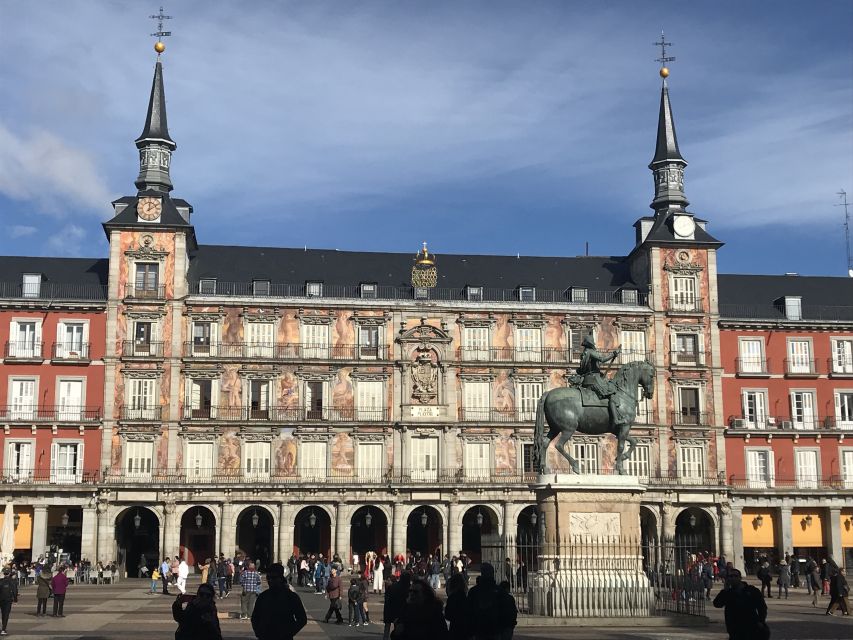
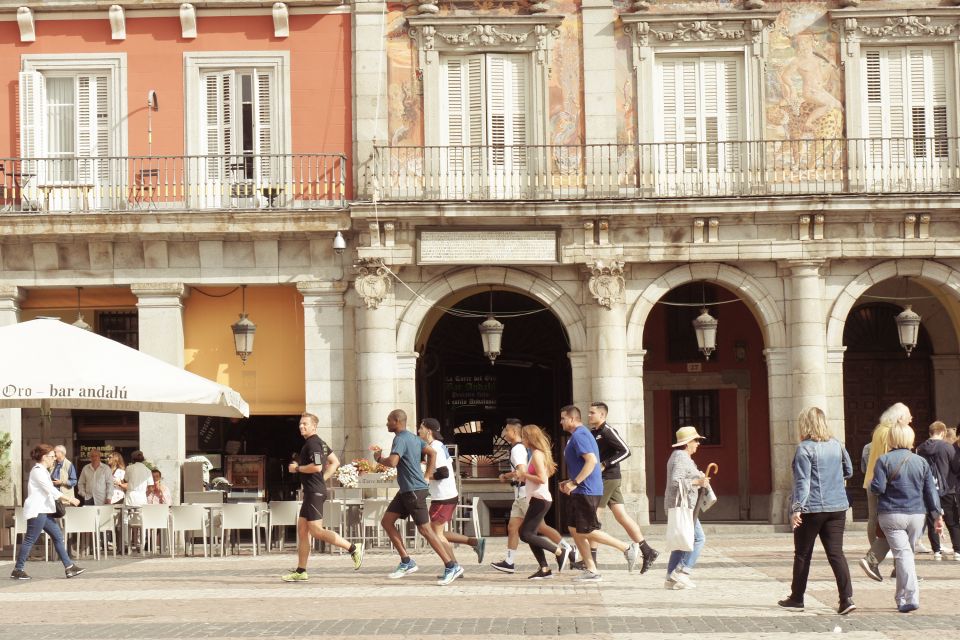
- Plaza Mayor: where Madrid’s big-city life shows up fast
- Retiro Park: the breathing space between major monuments
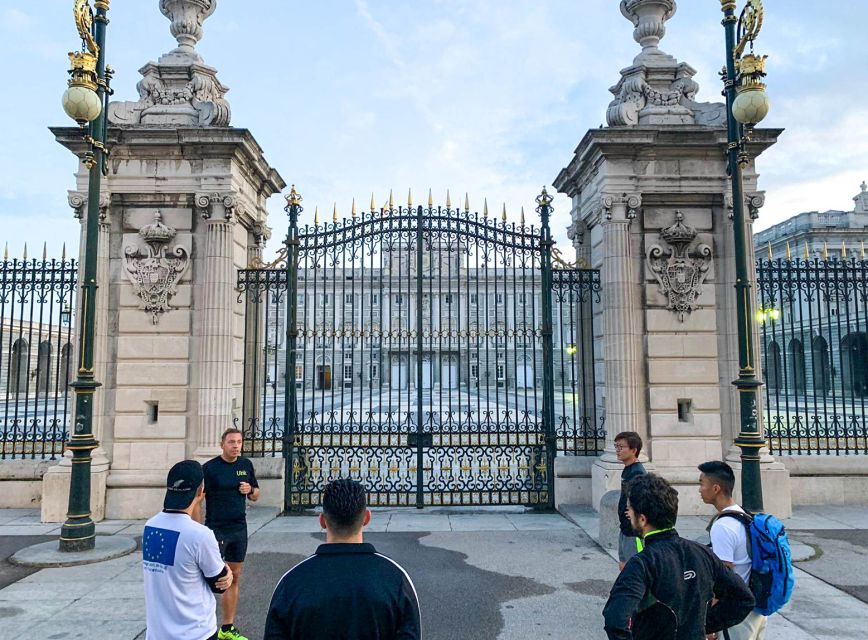
- The royal palace area: pageantry from the street level
- Pace control for all levels: running without feeling trapped
- Guide time you can actually use: facts, food, and local extras
- How good is the value at $41 for 1.5 hours?
- Timing and photo chances: run early if you can
- Who this tour is best for (and who should skip it)
- Final call: should you book this Madrid running tour?
- FAQ
- How long is the Madrid running sightseeing tour?
- Where do I meet the guide?
- What are the main sights covered?
- Is the tour only for experienced runners?
- What language is the guide?
- What’s included in the price?
- Is it suitable for children?
- Is there a group size limit?
- Can I cancel if my plans change?
Key takeaways before you lace up
- Small group size (max 8) for a more personal guide experience
- Pace adjusted for all levels, so you’re not stuck matching the fastest runner
- Retiro Park to Plaza Mayor to the palace area in 1.5 hours without wasting time
- Stops right in front of major sights, built for understanding, not just sightseeing
- Water plus digital photos so you leave with something useful, not just memories
- Early morning potential for calmer streets and better photo moments, depending on your departure time
Why a running tour makes sense in central Madrid
Madrid is a city of contrasts: wide avenues and tight lanes, monumental facades and everyday street life. The trick is to see enough that you can plan the rest of your trip, without spending half your day stuck in transit between far-flung highlights.
That’s where a run tour earns its keep. In about 90 minutes, you cover more ground than a walk. You also get your bearings fast because you’re physically moving through the city’s central layout. It’s not just landmarks; it’s the rhythm of Madrid—how you transition from a royal zone to a big square, then toward a park that feels like a breather in the middle of urban life.
This is also a smart way to do your first morning or first-day orientation. You’ll start to recognize the neighborhoods you’ll want to revisit later, and you’ll leave with a guide’s version of what matters most.
You can also read our reviews of more tours and experiences in Madrid.

Meeting in front of Carlos III and starting with direction
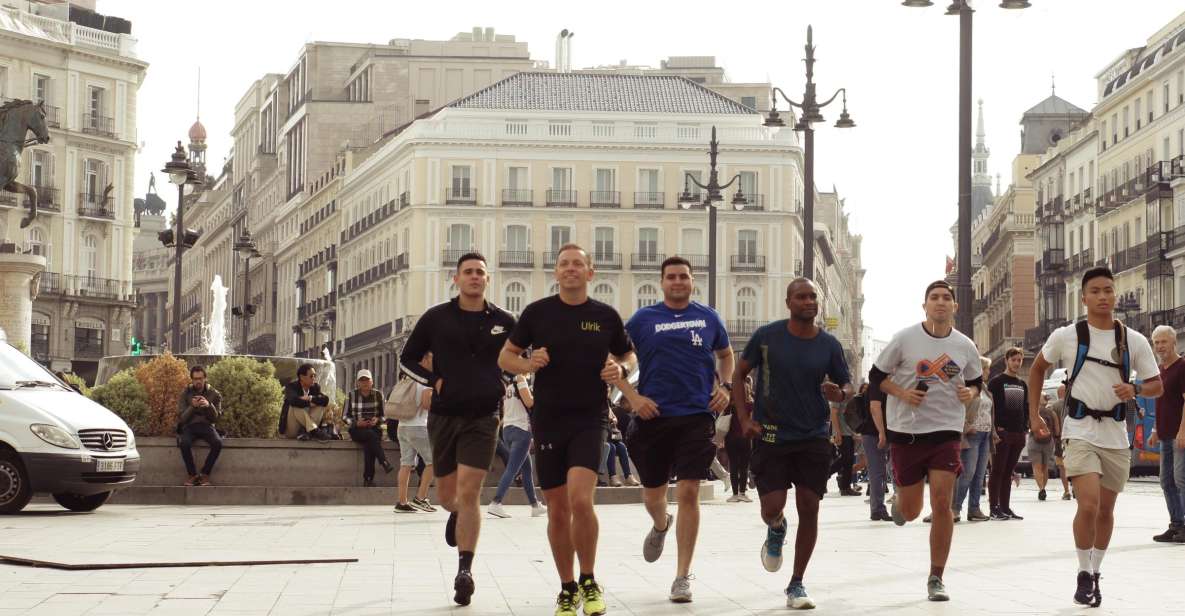
The meeting point is easy to find: in front of the statue of Carlos III. That detail matters more than it sounds. A lot of tours in big cities start in confusing corners. Starting here gives you a clean launch into central Madrid and a route that’s designed to flow.
From the first moments, you can expect the guide to set the tone: what you’ll see, how the route connects, and how you’ll get information without stopping too long. One practical advantage of this format is that you get context early. Instead of arriving at the major sights thinking, I guess this is important, you’ll understand the storyline before you’re standing there.
And because the tour is capped small—up to 8—guides can actually adapt. That’s the difference between a loud, stop-and-go parade and a route where you feel like the city map is being explained while you travel through it.
Plaza Mayor: where Madrid’s big-city life shows up fast
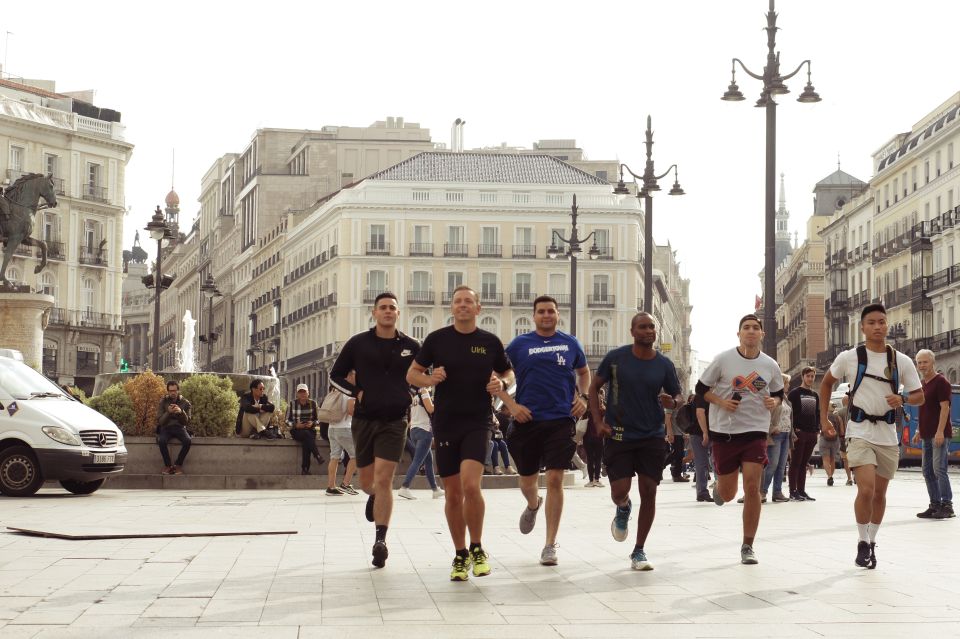
If Plaza Mayor is on your list, you want more than a quick photo. The best way to appreciate it is to see it as part of a larger city system, not as a one-off scene.
On this run tour, you’re brought through the central core and you’ll stop where it counts—standing in front of the square long enough to understand why it became one of Madrid’s headline gathering points. You’ll also get practical tips that help you plan beyond the tour window: when to return, what to notice in the architecture, and how to connect the square to the next place on your own agenda.
What I like about this stop is how it changes your brain from tourist mode to planner mode. Once you’ve seen the main square in motion—how it sits within the surrounding streets—you can start making smarter choices later, like where to linger for a meal or how to structure your sightseeing so you’re not zigzagging across town.
Retiro Park: the breathing space between major monuments
Madrid’s parks aren’t just green background. Retiro Park plays a different role: it’s where the city slows down and where you get a break from the hard edges of built-up streets.
On a running tour, you get a useful kind of contrast. You’ll move from dense central sights into a park environment, so your legs get a change of pace too. That matters because a 1.5-hour outing can feel intense if every segment is constant uphill or crowded sidewalk bouncing.
Retiro also gives you variety in what you’re looking at. Instead of only facades and squares, you get landscapes and open views that help you understand Madrid’s scale. And since the format includes short learning stops, you’re not just running past greenery. You’re getting a sense of how this kind of space fits into Madrid’s everyday life and culture.
If you’re into photography, there’s a big bonus angle here. One guide-led experience described running early morning for calmer streets and easier picture-taking. Even if your tour time isn’t the quietest, early-day departures often help.
The royal palace area: pageantry from the street level
Madrid’s royal sights can feel intimidating when you arrive as a crowd with a head full of guidebook facts. The value of this kind of tour is that you approach the palace area with context and a route-driven sense of placement.
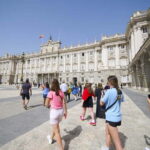
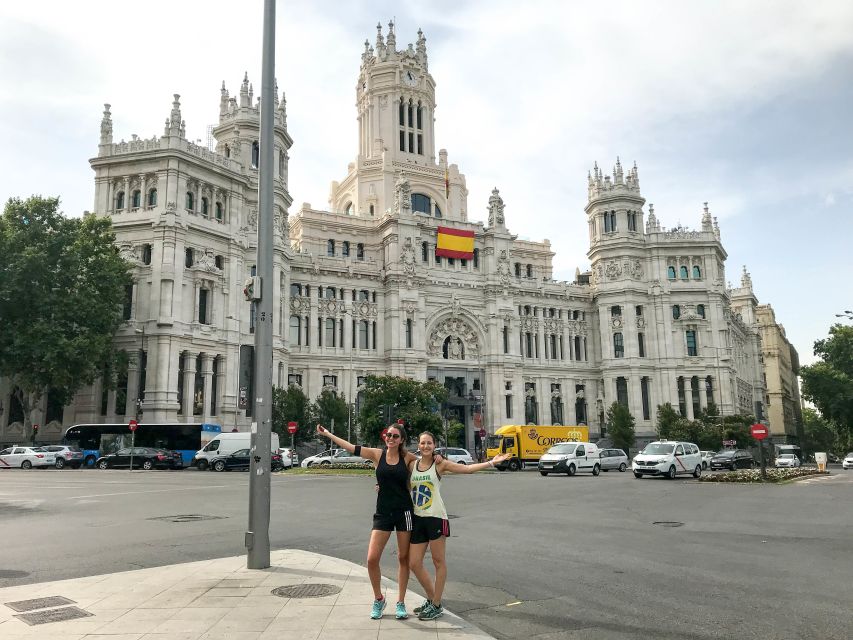
You’ll cover the royal zone and stop in front of major landmarks, including the royal palace area and other important palace-related sights. The guide’s job is to translate what you’re seeing into plain meaning—what the space represents, how royal power shaped the surrounding city, and how the streets connect to the big squares you’ve already seen.
One reason this works well: you’re not forced into a long museum-style session. You’re doing street-level sightseeing with learning moments, which is perfect when you have limited time. You still get the story, but you’re not stuck deciding whether you have enough energy for a full indoor visit.
It also helps you choose what comes next. After you understand the palace area from the outside and the city layout around it, you can decide whether you want an indoor ticket later—and if so, when it’s worth it for your schedule.

Pace control for all levels: running without feeling trapped
A running tour is only good if it doesn’t turn into a grind. Here, that’s explicitly handled: the tour is suitable for all levels, and the guide adapts to the group’s speed.
That flexibility shows up in how people describe their guides. Several names come up—John, Ulrik, Kenyan, Grace, and Philip—and the praise repeatedly points to matching pace, keeping things friendly, and adjusting on the fly. One experience even notes the guide helped slow down when the runner was moving too fast, which is exactly the kind of small control that keeps the outing enjoyable instead of stressful.
Another bonus: a tour like this often becomes your personal navigation tool. When the group moves at a manageable speed, you’re able to take in details. If you’re running yourself into exhaustion, you’ll miss the learning stops. If you’re moving smoothly, you’ll actually remember what you saw—and you’ll use that to guide your next decisions.
Guide time you can actually use: facts, food, and local extras
The guide isn’t just delivering history for its own sake. The most useful tours turn information into choices you can make later.
In this case, guide-led value shows up in three ways:
- You get recommendations for where to eat and what to return to after the run.
- You learn how to read Madrid’s layout, so you can plan your days more logically.
- You pick up extra local insights, including running-related advice. One guide was praised for sharing marathon considerations in Spain, which is a fun and specific extra if that’s your interest.
This is where the small group size matters. With only up to 8 participants, it’s easier for the guide to tailor explanations, answer questions, and keep the group comfortable.
The tour also includes water and digital photos. That sounds simple, but it’s practical: it reduces decision fatigue during the run, and the photos become a ready-made souvenir you can share or use later for orientation reminders.
How good is the value at $41 for 1.5 hours?
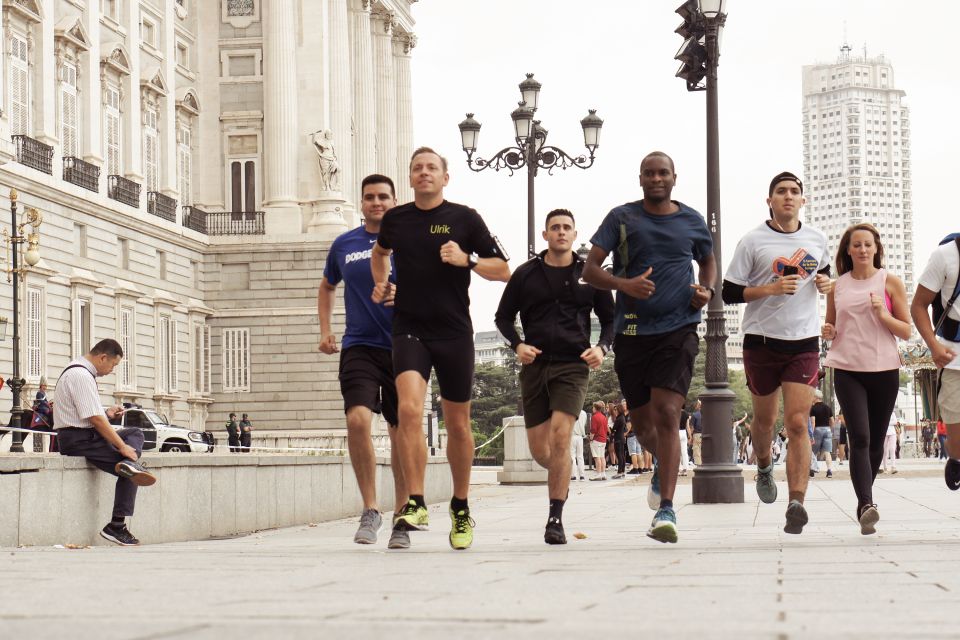
$41 might not sound like a steal at first glance—until you look at what you’re getting.
You’re paying for:
- A local English-speaking guide
- Coverage of multiple central highlights in a short, efficient window
- Water during the run
- Digital photos
- A small-group cap that supports pacing and interaction
A traditional walking tour might get you some of the sights, but it usually moves slower and takes longer to reach the full set of major highlights. A running format compresses the time while still allowing short learning stops. In other words, you’re buying time back without giving up context.
Is it worth it if you hate running? Probably not. Is it worth it if you can handle light-to-moderate exertion and want to see a lot quickly? In my view, yes. For a first day in Madrid, it’s often the kind of activity that pays off later because it reduces confusion and helps you plan the rest of your trip around what you’ve already mapped out.
Timing and photo chances: run early if you can
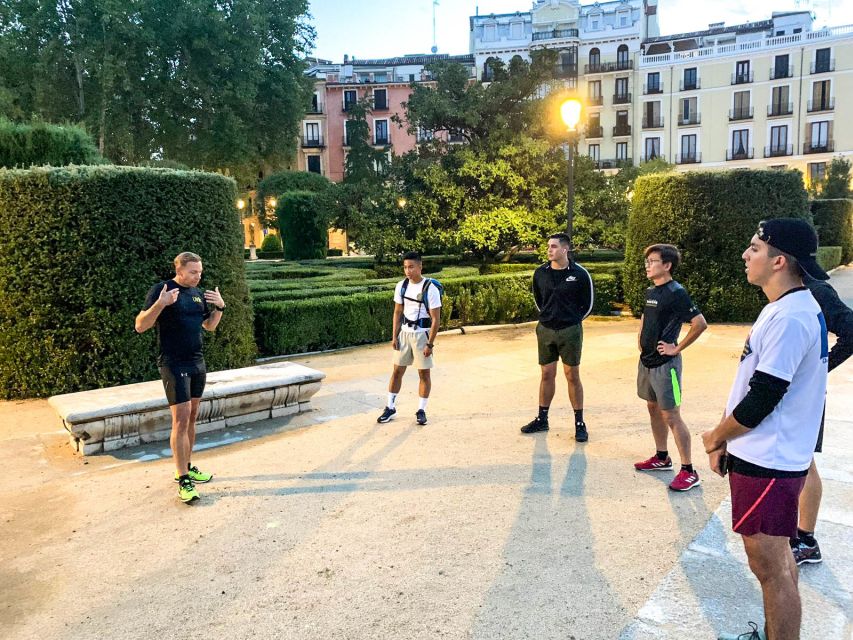
Madrid’s popularity can mean crowds, especially around the big central squares and major landmarks. One of the best practical angles from guide-led experiences is the mention of early morning runs for calmer streets and better photo moments.
If your schedule allows it, I’d aim for an earlier departure time. You’ll often get:
- Less crowd friction
- A quieter city feel
- Easier picture-taking near popular sights
Also, timing can change group size. One experience described a Christmas morning tour that became effectively private because there was just one participant. You can’t count on that every day, but it shows what the small-group setup can mean when demand is low.
Who this tour is best for (and who should skip it)
This is a strong choice if you:
- Want a first-day overview of central Madrid
- Like the idea of moving through the city instead of only walking
- Can handle a short run at an adaptable pace
- Want a guide to steer you toward smart food and sightseeing decisions
It’s also a great fit for people who enjoy running as a hobby but want something different than a training route. The extra running-related local context shared by at least one guide is a nice bonus.
Skip it if:
- Your travel style is all slow-stroll, long indoor stops, or zero exertion
- You’re traveling with a child under 12, since the tour isn’t suitable for them
- You want lots of long pauses at each site rather than quick learning moments while moving
Final call: should you book this Madrid running tour?
I’d book it if you want the best of two worlds: exercise plus orientation. The small-group cap, pace adaptation, and the fact that you hit major highlights like Retiro Park, Plaza Mayor, and the royal palace area make it a time-smart way to start your Madrid trip.
I’d think twice if you’re injury-prone, very slow by nature, or you’re hoping for a leisurely walking pace with no exertion at all. In that case, Madrid will still be fantastic—but you’ll likely be happier with a walking-focused tour.
If you do book, go in expecting a guided run with smart stops, not a marathon. Choose a comfortable speed, bring shoes you trust, and use the route as your map for the rest of your days in Madrid.
FAQ
How long is the Madrid running sightseeing tour?
The tour runs for 1.5 hours.
Where do I meet the guide?
You meet in front of the statue of Carlos III.
What are the main sights covered?
The tour highlights central Madrid sights including Retiro Park, Plaza Mayor, and the city’s royal palace area.
Is the tour only for experienced runners?
No. It’s suitable for all levels, and the guide adapts the pace to the group.
What language is the guide?
The tour guide speaks English.
What’s included in the price?
The tour includes a local English-speaking guide, water, and digital photos.
Is it suitable for children?
It is not suitable for children under 12.
Is there a group size limit?
Yes. The tour is capped at a maximum of 8 participants to keep the experience more personalized.
Can I cancel if my plans change?
Yes. You can cancel up to 24 hours in advance for a full refund.