REVIEW · MADRID
Tour “Barrio de las Letras” Spanish Golden Age
Book on Viator →Operated by Trip Tours Madrid · Bookable on Viator
Literature walks right into your path. The Barrio de las Letras tour turns Madrid’s street corners into a quick guide to the Spanish Golden Age, with a stop-by-stop flow that makes big names feel close. I like how the stories connect what you see on the walls and plazas to writers you’ve heard of.
One thing to watch: this is a 2 hours 30 minutes walk with multiple short stops, so the pace can feel a bit quick if you like lingering.
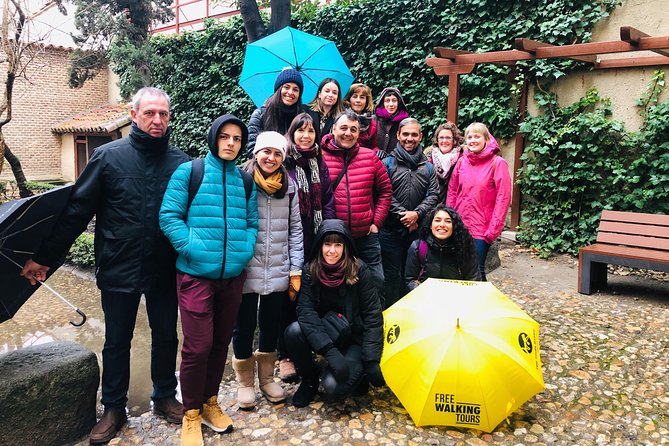
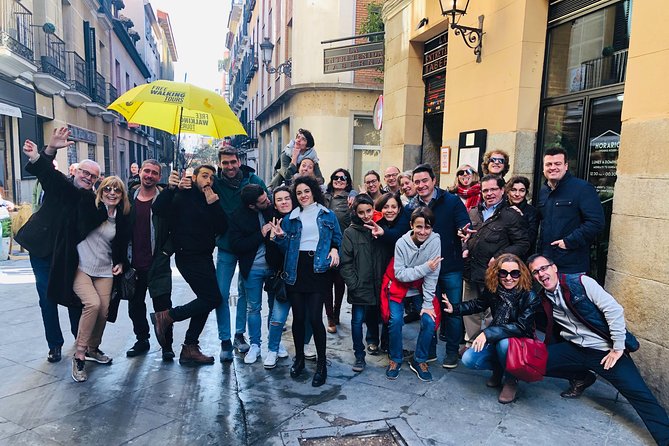
You’ll also have a small group size (up to 20), a mobile ticket, and a guide who keeps things moving—one guide named Marivic has been praised for staying attentive, friendly, and strong on the barrio’s history. If you want a guided hit of literature without planning a day around museums, this works.
In This Review
- Key points to know before you go
- Why the Literary Quarter still feels like a living script
- Price and timing: what you’re paying for (and what you’re not)
- Stop-by-stop: the walk from Puerta del Sol to Calle de la Cruz
- Puerta del Sol: the big picture in a small time window
- Calle de la Cruz: spotting a trampantojo
- Calle de Álvarez Gato: the world of Sperpentos
- Plaza de Santa Ana and San Sebastián Church: where theater meets art
- Plaza de Santa Ana: reading the statues as story signals
- Iglesia de San Sebastian: a monument with a formal status
- Calle de las Huertas and the Cervantes convent: the emotional center of the walk
- Calle de las Huertas: why this street feels different
- Convento de las Trinitarias Descalzas de San Ildefonso: where Cervantes rests
- Quevedo vs Góngora and the Lope de Vega finish
- Ending at Casa Museo Lope de Vega
- What kind of traveler will love this tour most?
- How to get the most out of the experience
- Should you book this Barrio de las Letras tour?
- FAQ
- How long is the Barrio de las Letras Spanish Golden Age tour?
- Where does the tour start?
- Where does the tour end?
- What time does the tour begin?
- What is the price?
- Do I need to bring snacks?
- Is it mostly walking?
- How many people are in a group?
- Is there free cancellation?
Key points to know before you go
- Puerta del Sol kick-off: quick orientation to what the Golden Age will look like as you walk.
- Trampantojos on Calle de la Cruz: a striking visual trick with a story behind it.
- Sperpentos moment on Calle de Álvarez Gato: the tour spotlights theatrical language and ideas, not just monuments.
- Plaza de Santa Ana + corral de comedias stories: theater links the neighborhood to how people once watched plays.
- Cervantes’ resting place at the convent: you’ll hear what makes the site so important, inside the walking loop.
- Clever ending at Lope de Vega House Museum: the tour closes with the writer often called the Phoenix of the Wits.
Why the Literary Quarter still feels like a living script
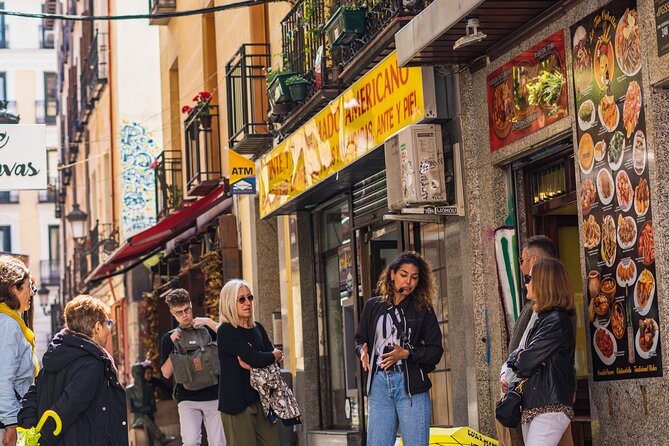
The Barrio de las Letras is one of those Madrid neighborhoods where the past doesn’t sit quietly behind glass. You’re walking through streets that helped shape Spanish writing when theater, poetry, and public life were tightly linked. The value of a guided tour here is that you don’t just look—you get a framework. You start to notice the connections between plazas, churches, and the kinds of performances people went to.
What I like best is the way the tour uses visual details as story starters. A street illusion isn’t presented as a trick for tourists; it’s treated like a clue. A church or convent isn’t just a photo spot; it’s tied to a writer’s legacy. If you’ve ever felt Madrid’s literary plaques are too scattered to feel meaningful, this format helps you knit them together while you still have energy.
You’re also getting a smart “two birds, one walk” approach: you hear about famous figures as you pass the exact places that shaped their world. And the tour ends at Lope de Vega’s House Museum, so the day naturally finishes with a literary payoff.
You can also read our reviews of more tours and experiences in Madrid.


Price and timing: what you’re paying for (and what you’re not)

This tour is priced at $3.47 per group (up to 6), and it lasts about 2 hours 30 minutes. That group-rate structure matters. Even if you split it among a few people, it’s the kind of price where you can justify going even on a tighter budget—especially if you’d otherwise spend time figuring out your own route and story sequence.
A practical note: the price only guarantees your place on the tour. Snacks aren’t included, so plan a water break or bring something simple if you’re prone to getting hungry mid-walk. The tour includes a mobile ticket, and many stops are listed with free entry for the tour context.
It’s also a good time-block for a first or second day in Madrid. You’ll start in the late morning—11:00 am—and wrap up at the Lope de Vega House Museum afterward, so you still have daylight to keep going.
Finally, the tour is capped at 20 travelers, which tends to keep the pace friendly and the group workable for questions.
Stop-by-stop: the walk from Puerta del Sol to Calle de la Cruz
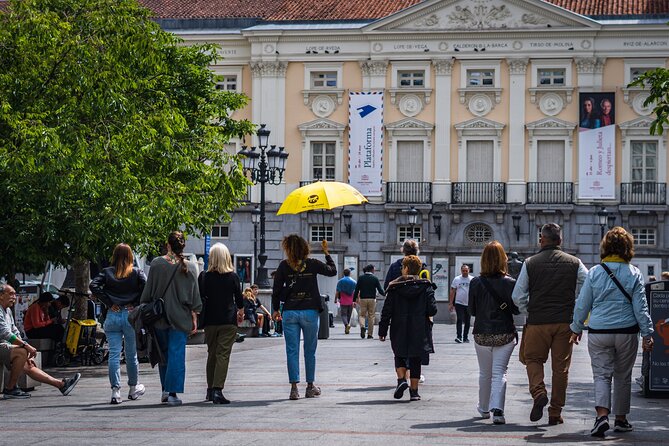
You meet in the Centro area at Trip Tours Madrid near Puerta del Sol. The tour starts at 11:00 am, and Puerta del Sol is a smart launch point because it’s central and easy to orient yourself. That first segment is short—about 15 minutes—but it’s there to set expectations. You’ll get a quick map of what the Golden Age will mean as you move through the neighborhood.
Puerta del Sol: the big picture in a small time window
The tour doesn’t try to cover everything at the start. Instead, it focuses on what you’re about to see and how to read it. Expect a setup that makes later stops click faster.
Calle de la Cruz: spotting a trampantojo
Next comes Calle de la Cruz, where you’ll be pointed toward one of the city’s most striking trampantojos—visual illusions. The point isn’t only that it looks impressive. It’s that the illusion has a story behind it, and hearing that changes how you look at the building. You start watching for details: the kind of trick, the location, and what it meant for the street’s audience.
If you like photos, this is a strong stop. If you prefer less posing and more understanding, it’s still worthwhile because the tour explains what you’re seeing.



Calle de Álvarez Gato: the world of Sperpentos
Then you move to Calle de Álvarez Gato, and here the tour shifts toward theater language. You’ll hear about Sperpentos connected to Bohemian Lights (as the tour frames it). This is a good moment to remember that Madrid literary culture isn’t only “old books.” It’s also performance ideas—how writers shaped public imagination through drama, satire, and exaggeration.
This stop is shorter—about 15 minutes—but it helps you connect the neighborhood to the stage, which pays off later.
Plaza de Santa Ana and San Sebastián Church: where theater meets art
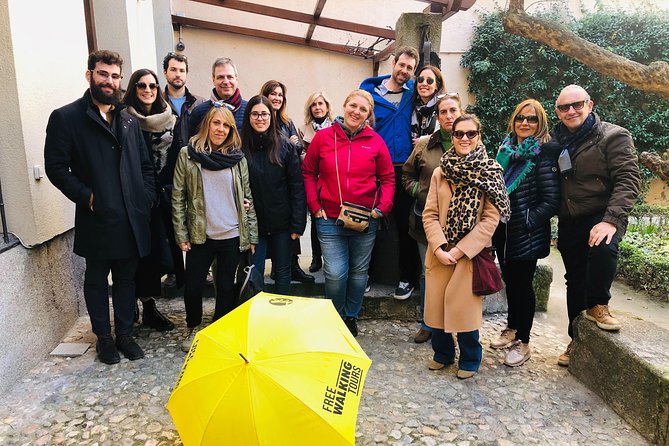
The tour heads to Plaza de Santa Ana, and it’s one of the most useful stops for understanding why this area earned its reputation. The plaza is tied to Madrid’s bohemian side and to theater-going culture. You’ll spend around 15 minutes here, with stories aimed at the statues and the Corral de Comedias connection.
Plaza de Santa Ana: reading the statues as story signals
Plazas in Madrid are often used as gathering points for community life, and this one is strongly associated with theatrical energy. The tour’s focus on statues helps you see how public art can act like a reminder system for culture—what the neighborhood values, and what kind of entertainment drew people in.
If you’re wondering why this tour keeps talking about performance, Santa Ana is where it starts to make sense.
Iglesia de San Sebastian: a monument with a formal status
Next is Iglesia de San Sebastian, and the tour gives it emphasis by pointing out its status as a National Artistic Historic Monument of Spain. You’ll get the story in about 15 minutes.
This stop is a good balance between “literature” and “built environment.” When you hear the church’s significance and why it’s formally protected, the neighborhood stops feeling like just a walkable theme park. It feels like a real place with real artistic decisions that lasted.
Practical tip: take a moment here if you need to slow your pace. It’s an easier place to process what you’ve learned so far.
Calle de las Huertas and the Cervantes convent: the emotional center of the walk
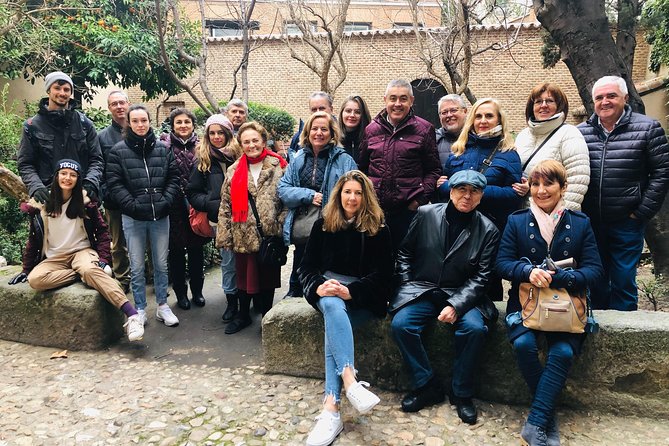
Now the tour leans even more into writers and personal stakes. You’ll move along Calle de las Huertas, a street linked to names and pages—expect about 20 minutes focused on the letters and stories of the Golden Age figures connected to the area.
Calle de las Huertas: why this street feels different
I like this part because it shifts from landmarks to people. The tour frames the street as a place full of literary footprints, so you don’t just pass it. You learn to recognize how a neighborhood can act like a living library.
And since this stop is longer than several others, it gives you time to slow down and picture the neighborhood as a place where writers moved through daily life, not just a backdrop for distant fame.
Convento de las Trinitarias Descalzas de San Ildefonso: where Cervantes rests
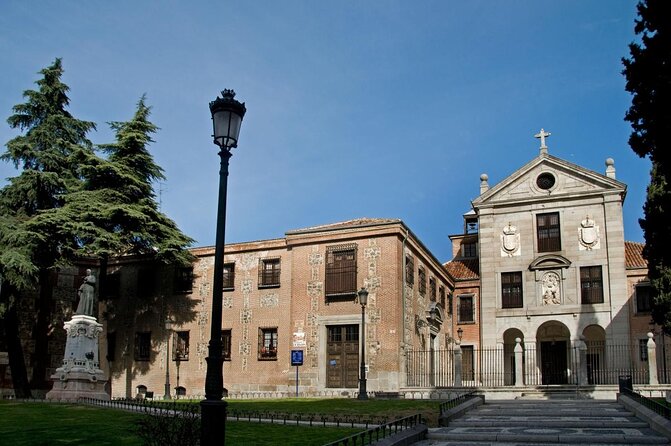
The tour then visits Convento de las Trinitarias Descalzas de San Ildefonso, where you’ll hear about the place where Miguel de Cervantes rests forever. This stop has an included admission element, and it lasts about 10 minutes.
Even with a short visit window, this is often the most affecting moment on a literary walk. It’s personal. It makes the Golden Age feel less like a concept and more like a real human life—one that ended here, and left a permanent marker.
If you prefer quiet and reflection, give yourself a few seconds before the group moves on. You don’t need to turn it into a long stay, but you’ll appreciate it more if you let it land.
Quevedo vs Góngora and the Lope de Vega finish
After the convent, the tour heads to Calle de Quevedo for a quick story about the rivalry between Francisco de Quevedo and Luis de Góngora. Expect about 10 minutes here.
This is a great lesson in why literary history matters: it wasn’t all polite agreement and shared glory. There were debates, competing styles, and public-facing wordplay. When the tour explains that rivalry in the context of the street, you understand the neighborhood as a stage for ideas, not only for people.
Ending at Casa Museo Lope de Vega
The tour closes at Lope de Vega House Museum on Calle de Cervantes, 11. The walk ends with a flourish and a focus on the house of the writer often called the Phoenix of the Wits. The final segment is about 15 minutes.
This ending works well because you finish with a place you can keep exploring after the guided story lands. Even if you don’t turn the end into a full museum session, you’ll have a narrative reason to look at the site more carefully.
What kind of traveler will love this tour most?
This is a smart fit if you:
- Want a guided way to understand the Spanish Golden Age without researching each writer separately.
- Like walking tours that include short, story-driven stops rather than long museum sessions.
- Enjoy theater references and want to connect literature to public life.
It’s also a solid choice if you’re traveling with someone who isn’t into museums. The route uses streets and plazas where the lessons are quick and visual.
If you’re the type who hates walking or needs frequent long breaks, the pace may feel too tight. The total time is only 2.5 hours, but the stop durations are mostly around 10–20 minutes, so you won’t get a slow, hour-long linger at every location.
How to get the most out of the experience
Bring comfortable shoes. This is a compact walk, but it adds up.
Also, treat the tour as a “focus lens.” As you hear a story, look for the physical detail that matches it—an architectural feature, a plaza element, a street name connection. That’s when the neighborhood feels like more than a backdrop.
And don’t worry if you’re not a literature expert. The tour is structured to give you enough context to follow the names and references. You’ll leave with a clearer sense of how Madrid’s writers and performers shaped each other.
Should you book this Barrio de las Letras tour?
Yes—if you want an efficient, guided way to understand why the Literary Quarter matters. The price structure (per group up to 6), the small-group cap, the mobile ticket, and the way the tour ties writers to specific streets and places make it strong value. It’s also a great “starter” tour: you’ll know what to look for as you keep walking around Madrid afterward.
Book it if you like your culture delivered in human scale—short stories, memorable visual moments like a trampantojo, and a meaningful stop connected to Cervantes. Skip it only if you need lots of quiet time and long sits at each location; the tour moves fast enough that you’ll feel the group rhythm.
FAQ
How long is the Barrio de las Letras Spanish Golden Age tour?
It’s approximately 2 hours 30 minutes.
Where does the tour start?
It starts at Trip Tours Madrid, Puerta del Sol (Centro), 28013 Madrid.
Where does the tour end?
The tour ends at the Lope de Vega House Museum, Calle de Cervantes, 11, Centro, 28014 Madrid.
What time does the tour begin?
The start time listed is 11:00 am.
What is the price?
The price is $3.47 per group (up to 6). The price guarantees your place on the tour.
Do I need to bring snacks?
No snacks are included, so you may want to plan your own light break.
Is it mostly walking?
Yes. It’s a walking tour with multiple short stops across the neighborhood.
How many people are in a group?
The maximum group size is 20 travelers.
Is there free cancellation?
Yes, cancellation is free if you cancel up to 24 hours in advance for a full refund.