REVIEW · MADRID
12-Day Morocco and South of Spain Tour from Madrid
Book on Viator →Operated by Julia Travel S.L · Bookable on Viator
Madrid to Morocco in one trip is a real test—and a fun one.
This 12-day route mixes Andalucian classics with Morocco’s big-hitter cities, then finishes with Granada’s Alhambra and Toledo. You travel by air-conditioned coach, cross the Strait of Gibraltar by ferry, and get a bilingual escort plus guided sightseeing in both countries.
What I like most is the way the itinerary builds momentum: Cordoba’s Mezquita-Cathedral, Seville’s landmarks, then straight into Fez’s medina and Marrakech’s main square. I also really appreciate the practical structure—entrance tickets for major sites (including the Alhambra) and a mix of guided time and free time.
One thing to consider: the Morocco portion can feel travel-heavy, with long stretches on the bus and more waiting around ferry/customs. Hotel quality can also vary by location and country, so if you’re very sensitive to comfort details like air-conditioning, you’ll want to keep expectations realistic.
In This Review
- Key points to know before you go
- Why This Spain-and-Morocco Route Starts in Madrid and Ends in Madrid
- Days 1–3 in Andalucia: Cordoba, Seville, and Ronda’s Views
- Costa del Sol to Africa: Tarifa, Customs, and the Ferry Plan
- Fez: Medina Walking, Mellah, and the Imperial-City Feel
- Rabat and Marrakech: Diplomatic Morocco and the Energy of Jma el Fna
- Casablanca and Tangier: Iconic Architecture, Then a Fast Pivot Back
- Granada’s Alhambra and Toledo’s Three Cultures Close the Story
- Hotels, Guides, and Group Feel: What Often Makes or Breaks Comfort
- Price and Logistics: What $2,425 Buys You (and What It Costs in Time)
- Should You Book This 12-Day Morocco and South of Spain Tour?
- FAQ
- What’s included in the tour besides accommodation?
- Are meals included?
- Which entrance tickets are specifically included?
- Where does the tour start and end?
- Do I need to send my passport details in advance?
- How much walking should I expect?
Key points to know before you go
- Andalucia + Morocco in one loop: Madrid, the Moorish cities of Spain, then Fez, Rabat, Marrakech, Casablanca, Tangier, and back.
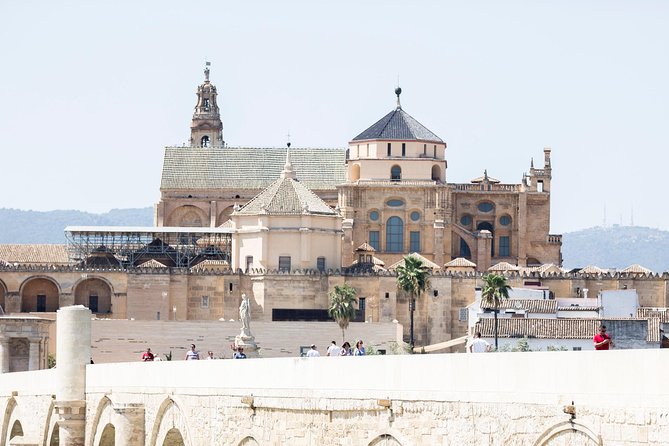
- Major sites already covered: Mezquita-Cathedral (Cordoba), Seville Cathedral, and the Alhambra complex are included.
- Guided medina time in Fez and Marrakech: not just passing through—there’s a planned look at the old-city core.
- Crossing the Strait of Gibraltar by ferry: it’s part of the experience, but it also shapes the day’s pace.
- Hotels are centrally located, but ratings vary: Morocco stays are often where comfort expectations need the most flexibility.
Why This Spain-and-Morocco Route Starts in Madrid and Ends in Madrid
This tour works best if you want the high-impact highlights of both countries without building an itinerary from scratch. You start at Aloft Madrid Gran Via at 8:00 am and end back at the same meeting point on day 12, which makes planning simpler than a multi-transport DIY trip.
You’ll also travel in a group capped at 50, with a bilingual escort (English/Spanish) and guided visits in each key city. That matters because Morocco’s sights—medinas, gateways, palace areas—are easier when someone helps you connect what you see to what it meant historically.
The trade-off is time. This is not a slow wander. Expect coach days and schedule days where your best move is to relax into the pace and treat free time as your chance to breathe.
You can also read our reviews of more tours and experiences in Madrid.


Days 1–3 in Andalucia: Cordoba, Seville, and Ronda’s Views
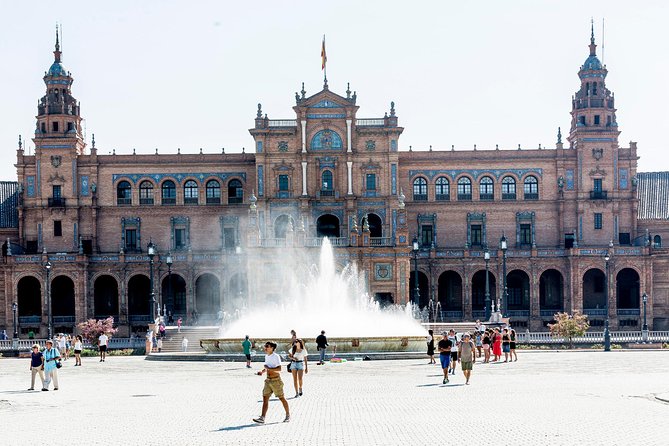
Andalucian highlights are the emotional warm-up here. You begin in La Mancha (Don Quixote country) with a quick stop near Puerto Lápice, then continue through the Despeñaperros area into Andalucia. It’s a nice setup for what comes next: Moorish architecture, Spanish Catholic power, and the dramatic geography of southern Spain.
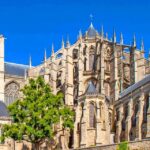
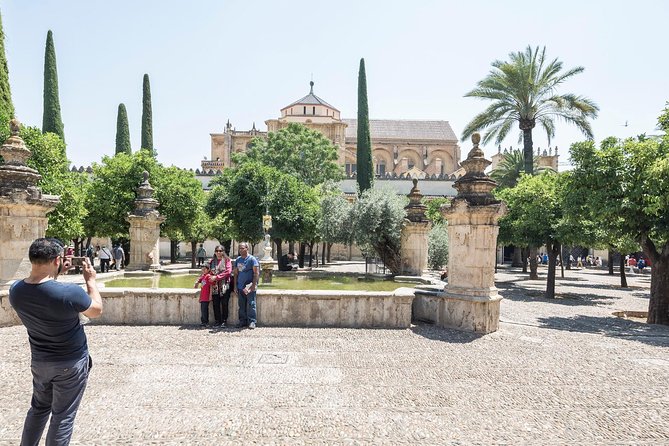
Cordoba’s Mezquita-Cathedral is the big early win. You get an on-the-ground guided visit there, plus the chance to stroll afterward through tight lanes around the Jewish Quarter. The comfort tip: this is a site where you’ll want your eyes at two speeds—slow down for the key architecture, then let your feet catch up in the side streets.
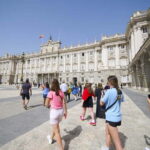
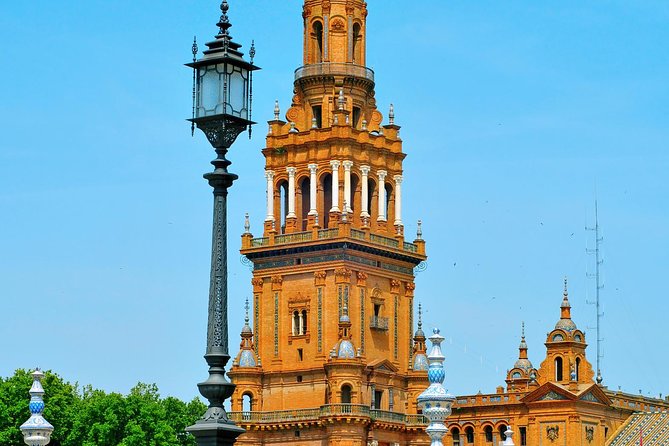
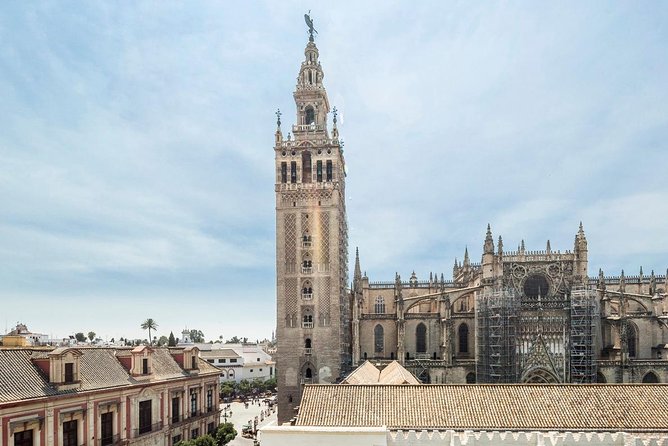
Day 2 is Seville in full highlight mode. You have a panoramic intro to Seville Cathedral (ticket included), then time for Barrio Santa Cruz, Maria Luisa Park, and the Plaza de España. The cathedral is a “wow” moment, but the walk through Santa Cruz is where you’ll feel the story—courtyards, angles, and neighborhood energy.
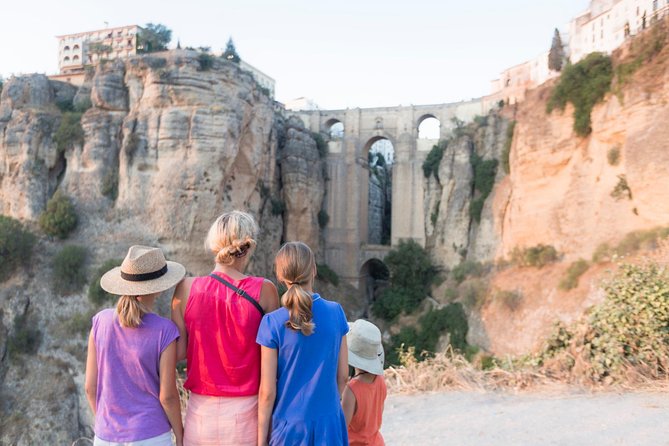
On day 3, you shift from historic cities to scenery. Ronda is your stop for free time to take in the valley and mountain views, and you’ll drive south afterward to your Costa del Sol hotel for an overnight. Ronda is a good reset because you get a break from “museum brain” and switch to “look-around” time.
Costa del Sol to Africa: Tarifa, Customs, and the Ferry Plan
This is where the tour changes gears. You’ll travel along the Costa del Sol route toward Tarifa (or Algeciras) and take a short ferry crossing of the Strait of Gibraltar toward Africa. The crossing itself is brief in the itinerary, but the day’s reality is that border formalities and boarding can stretch the clock.
Once in Morocco, you’ll disembark, clear customs, and then continue by bus (via Larache) to Fez. Practically, this is why you should pack patience. Bring what you need for long hours: water, a small snack, and something for the wait.
There’s also an administrative note you should treat seriously: Morocco passport details must be managed at least 30 days before departure, and you need a current valid passport on travel day. If you’re traveling with anything other than a standard passport timeline, factor that in early so you don’t end up scrambling.
Fez: Medina Walking, Mellah, and the Imperial-City Feel
Days 4 and 5 are built around Fez, and Fez is where the tour earns its title as a Morocco experience. You arrive and settle in, then day 5 starts with a morning city tour that’s designed to orient you fast inside a place that’s easy to get lost in.
The guided stops include key areas around the Royal Palace (7 gates), the Mellah (Jewish Quarter), and Bab Bou Jelous, plus a walking tour of the Medina, listed as a World Heritage Site. This is the kind of structure that helps you understand what you’re seeing instead of just snapping photos and hoping it all makes sense later.
You’ll have afternoon free time, which is a big deal in Fez. It’s your chance to test what you learned on the morning walk by finding your own route—within reason, of course, and with an eye on the fact that some medina streets are not made for quick exits.
One more detail: there’s an optional dinner with a show mentioned for this part of the trip. That can be fun if you want a planned cultural night, but it’s also one more cost—so decide based on how your budget and energy line up.
Rabat and Marrakech: Diplomatic Morocco and the Energy of Jma el Fna
After Fez, the tour shifts to Rabat on day 6, Morocco’s diplomatic and administrative capital. You’ll see exteriors of the Royal Palace, the Mausoleum of Mohamed V, and the Hassan Tower. This side of Morocco feels less like an endless bazaar and more like a “state and symbolism” story—perfect contrast after Fez.
Then you continue on to Marrakech for dinner and overnight. Day 7 starts with the Menara Gardens and Pavilion, followed by an exterior visit of the Koutoubia Mosque. From there, the day leans into the medina and the famous public square.
The centerpiece is time around Jma el Fna Square, where the square’s performers and street rhythm turn the city into an open-air stage. The practical value here is that a guided plan helps you enjoy the action without feeling pressured—especially if it’s your first time in a place like this.
Day 8 is more flexible: you get a morning break and a full day at leisure, with options offered for excursions. In a trip like this, I like having at least one “let it breathe” day, because it prevents your head from turning into a checklist.

Casablanca and Tangier: Iconic Architecture, Then a Fast Pivot Back
Day 9 takes you to Casablanca, Morocco’s industrial and economic hub. You’ll get a panoramic visit, including the Great Mosque of Hassan II, plus stops around the Corniche, United Nations Square, the Habbous neighborhood, and Anfa areas.
Casablanca is a useful contrast city. The mosque is the big headline, but the tour also shows you the more modern spine of the city, which makes Morocco feel bigger than just medinas and old stone.
On day 10, you go to Tangier and focus on the Casbah area. Then you transfer to the port for departure back to Spain, landing you again in the Costa del Sol hotel.
This is the part where I suggest you stop thinking of “returning” as simple. Ferry days can run long due to boarding, paperwork, and waiting. If you’re prone to frustration on travel days, build a mindset that this leg is about getting across and resetting—not about squeezing in extra stops.
Granada’s Alhambra and Toledo’s Three Cultures Close the Story
The final stretch in Spain is where the trip turns poetic. On day 11, you head to Granada and visit the Alhambra complex plus Generalife Gardens. The Alhambra is included with admission, so you’re not chasing tickets or timing on your own.
The itinerary also gives you afternoon leisure afterward, which is smart. The Alhambra can overwhelm your senses in a good way, and you’ll want time to process it while your legs rest.
There’s an optional flamenco show at Sacromonte Square mentioned for the evening. If you like performances, it’s a neat cultural cap, especially after seeing how much art and architecture the Moors left behind in Granada.
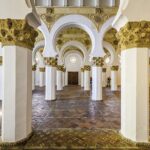
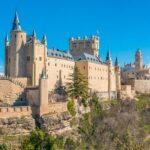
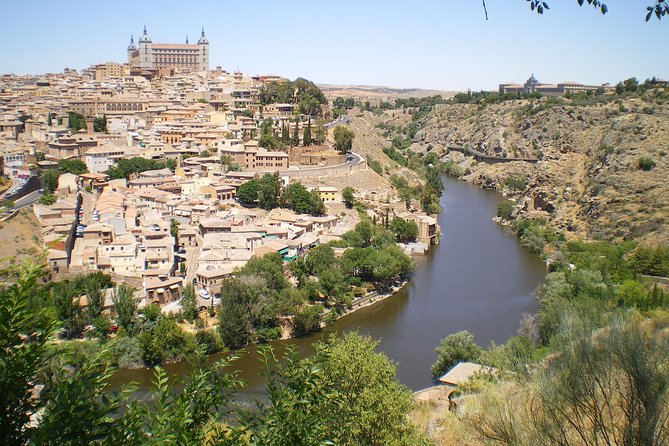
Day 12 finishes with Toledo, a World Heritage old city where Christian, Moorish, and Jewish communities are part of the story. You get a short guided tour through narrow old-town streets with a focus on art, history, and spirituality.
Toledo works as a satisfying ending because it ties together themes from earlier in the trip: layered identities, architectural reuse, and the way cities change without losing their core.
Hotels, Guides, and Group Feel: What Often Makes or Breaks Comfort
The tour includes 3 or 4-star accommodation in centrally located hotels, and you get an air-conditioned motor coach throughout. That sounds straightforward, but a key detail in the provided info is that hotel ratings vary between countries—and in practice, that’s where expectations can swing.
The most consistent praise centers on the hotel stays and the way guides shaped the experience. There are mentions of strong Spain-side guiding from people like Ismael and Ellie, and praise for guides such as Grace and Margarita in one highlighted experience. When the guides are engaged, the route feels like more than checkboxes.
There are also caution flags worth noting. Some reports point to issues like audio problems on the bus, limited internet in places, and even discomfort at hotels in specific cases (including air-conditioning concerns and buffet crowding). I’d treat this as a “pack flex,” not a “panic.”
One more practical note: walking is described as moderate. That’s normal for this kind of trip, but it means you’ll want shoes that handle uneven old streets and long days of standing at viewpoints.
Price and Logistics: What $2,425 Buys You (and What It Costs in Time)
At about $2,425 per person, the value question is less about the sticker price and more about what you’re avoiding. This price includes accommodation, guided visits in multiple cities, entrance tickets for the Cordoba Mosque, Seville Cathedral, and the Alhambra, plus transport by air-conditioned coach and travel insurance. Breakfast is included for 11 mornings, plus 5 dinners and lunch is included as well.
So you’re paying for organization: ferry routing, border procedures handled by the group, and local guides where the sites are complex. For first-timers to Morocco and Andalucia, that’s often worth it.
The cost is time and flexibility. This route is packed and coach-heavy, and Morocco in particular can feel like your day is split between travel and city stops. If you’re the type who wants a slower schedule or you hate waiting around, you might feel squeezed.
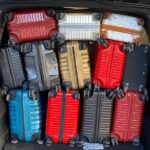
Also remember the luggage guidance: you’re allowed a maximum of one suitcase up to 13 kg plus a carry-on bag. If you pack heavy, you may feel it on transfer days.
Should You Book This 12-Day Morocco and South of Spain Tour?
Book it if you want a structured, guided Spain + Morocco highlights route with big-ticket stops already handled. It’s especially a good fit if you like history, you’re curious about Moorish architecture, and you want time in places like Fez Medina, Marrakech’s Jma el Fna, and Granada’s Alhambra without planning each step.
Skip it or pick a different style if you’re very sensitive to hotel comfort variance or you want guaranteed smoothness with language support and minimal waiting. This itinerary moves fast, and ferry/customs logistics can make it feel longer than you expect on the clock.
If you do book, my advice is simple:
- Bring patience for travel days.
- Prioritize comfortable shoes and layers for uneven climates.
- Decide early whether optional add-ons like meals with shows or flamenco are for you.
FAQ
What’s included in the tour besides accommodation?
This tour includes lunch, guided visits in Cordoba, Seville, Granada, Toledo, Fez, Meknes, Marrakech, Casablanca, and Tangier, a bilingual tour escort (English and Spanish), hotel stays in a selected class (3 or 4-star), travel insurance, transportation in an air-conditioned motor coach, and entrance tickets to Cordoba Mosque, Cathedral of Seville, and Alhambra.
Are meals included?
Yes. Breakfast is included for 11 days, plus 5 dinners, and lunch is included (as stated in the included list). Food and beverages are otherwise not included unless specified.
Which entrance tickets are specifically included?
The tour includes entrance tickets for the Mezquita-Cathedral of Cordoba, Seville Cathedral, and the Alhambra complex in Granada.
Where does the tour start and end?
It starts at Aloft Madrid Gran Via in Madrid at 8:00 am and ends back at the same meeting point in Madrid on day 12.
Do I need to send my passport details in advance?
Yes. The tour notes that you must have passport data at least 30 days before departure to manage passage to Morocco, and you need a current valid passport on the day of travel.
How much walking should I expect?
The tour involves a moderate amount of walking, including old-city areas during guided sightseeing.