REVIEW · MADRID
Ticket Entrance to the Madrid Nougat Museum
Book on GetYourGuide →Operated by MUSEO DEL TURRON SL · Bookable on GetYourGuide
Nougat has a museum? In Madrid, yes. With a small ticket at Casa 1880, you’ll walk through why Jijona turrón matters in Spanish Christmas, then finish with a tasting. I love that the exhibits start with the almond and follow the journey all the way to nougat.
I also like how the museum connects candy-making to real people and real economics. You’ll see the typical clothing of the turroneros and how it evolved since the 18th century, which makes the craft feel grounded instead of just decorative. One thing to keep in mind: timing can be a little unpredictable, so build in buffer time if you’re tight on your day.
In This Review
- Key highlights
- Buying Your Way Into the Madrid Nougat Museum (Casa 1880)
- Start With the Almond: The Exhibit Flow You Should Follow
- Jijona History: Why the Museum Talks Technology and Economics
- Turroneros and Craft Culture: Clothing Since the 18th Century
- The Tasting at the End: What You’ll Be Offered
- Price and Value: Does $5 Really Add Up?
- Best Time to Go and How to Plan Your Day
- Who This Is For (And Who Might Skip It)
- Should You Book the Madrid Nougat Museum?
- FAQ
- What is included with the ticket?
- Where do I meet for the visit?
- How long is the experience?
- What can I taste during the nougat tasting?
- Is there a guided tour?
- What language is the experience in?
- How much does the ticket cost?
- Can I cancel for a refund?
- Can I reserve now and pay later?
- Is there more than one starting time?
Key highlights
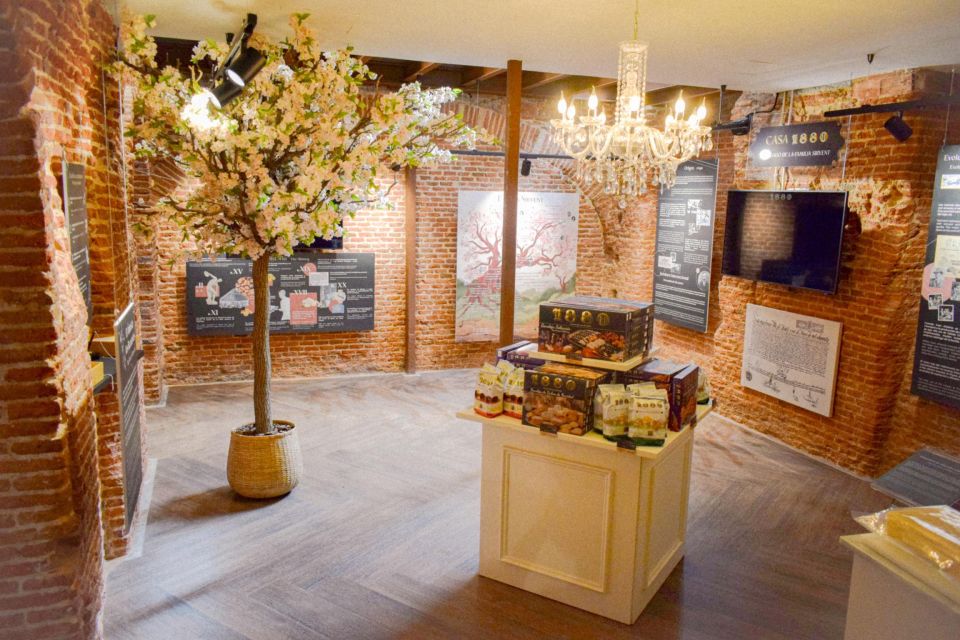
- Almond-to-nougat storytelling that tracks the ingredient step by step
- Jijona-focused history tied to technological and economic change
- Jijona Designation of Origin context on why the production is distinctive
- Turroneros clothing evolution since the 18th century for craft culture
- Nougat tasting included with multiple sweet options (not just one sample)
- Small, shop-adjacent experience based at Casa 1880 in Madrid
Buying Your Way Into the Madrid Nougat Museum (Casa 1880)
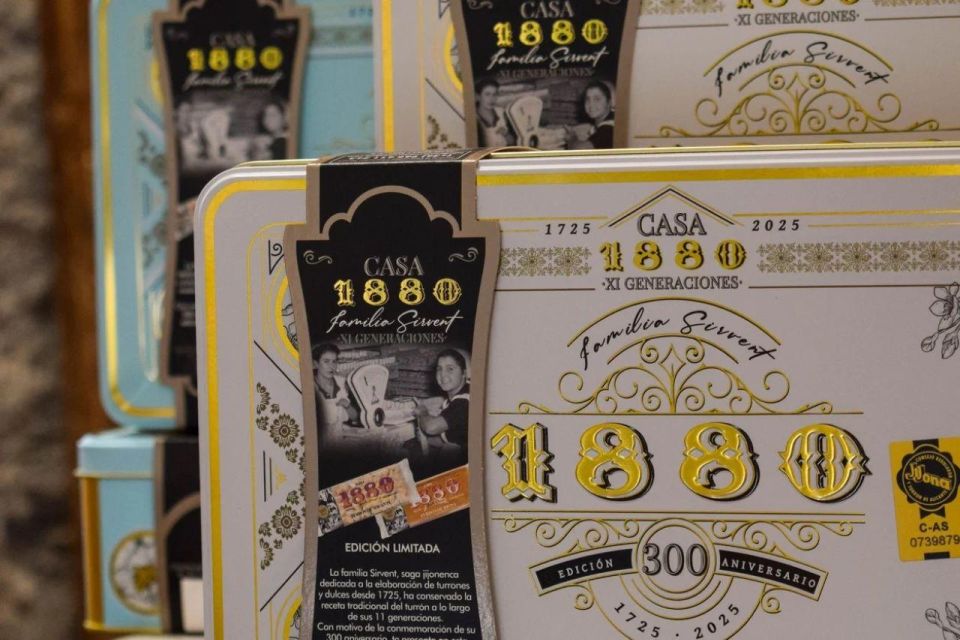
This is the Madrid Nougat Museum 1880, and the ticket is straightforward: entrance plus a nougat tasting. At about $5 per person for a one-day visit, the value comes from getting both the story and the edible payoff.
The meeting point is the Tienda / Shop Boutique Casa 1880. If you’re planning a day of Madrid sights, I’d treat this as a flexible stop: it fits well between other neighborhood activities because the visit is designed to be self-guided as you explore the different sections.
One practical point: the museum visit is listed in Spanish, and the host is Spanish. That doesn’t mean you can’t enjoy it without speaking Spanish, but you’ll get more out of the panels if you’re comfortable reading.
You can also read our reviews of more tours and experiences in Madrid



Start With the Almond: The Exhibit Flow You Should Follow

The visit makes a smart choice by putting the almond front and center. When you enter, you can take a free tour through the museum areas, and it’s easy to get your bearings quickly.
I like the way the information panels guide you from the almond tree to the dried fruit process. It’s a useful reminder that turrón isn’t just a holiday candy concept—it starts with agriculture and careful steps long before mixing ingredients.
You’ll also see how the dried fruit becomes part of nougat production. Even if you’re a casual sweet-lover, that ingredient logic helps the tasting at the end make more sense, because you know what to look for: texture, aroma, and the role of almonds in the flavor.
Jijona History: Why the Museum Talks Technology and Economics
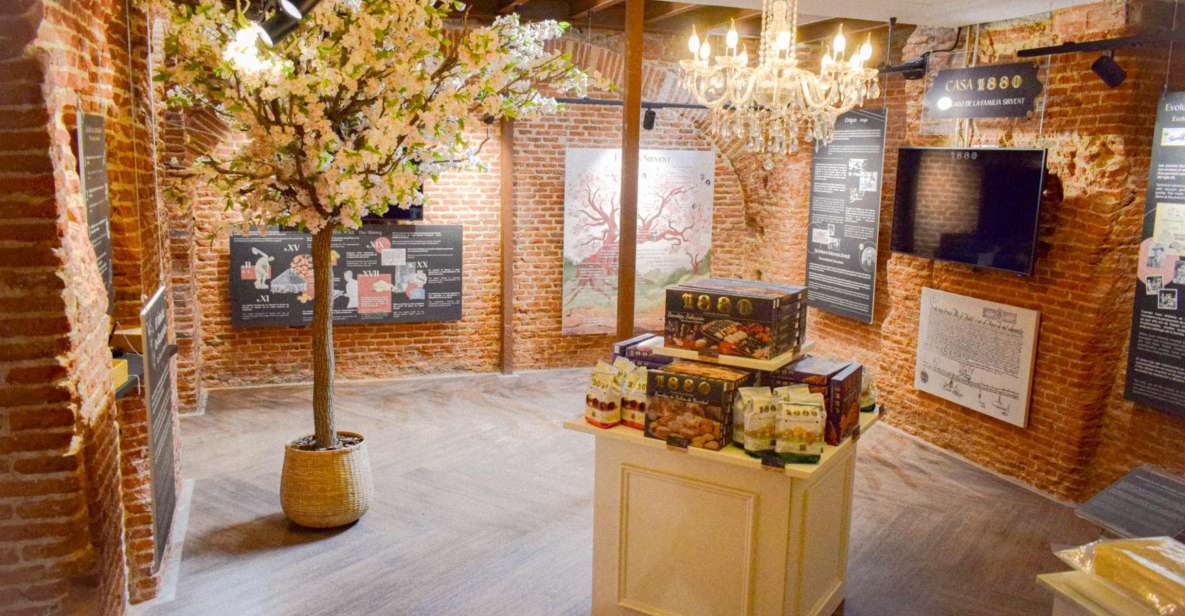
After the ingredient track, the museum shifts from food romance to the realities behind making it. You’ll learn the history of nougat and the reasons it shows up on important dates, with a specific focus on Jijona.
What I appreciate here is the museum’s emphasis on technological and economic history. That angle helps you connect a Christmas tradition to the way production changed over time—how methods improved, and how the industry developed to support demand.
This is also where the Jijona Designation of Origin context shows up. You’ll get a clearer sense of why certain products are treated as uniquely tied to Jijona standards, rather than being just a generic nougat style sold anywhere.
If you like food history, this section delivers more than a typical slideshow. If you want only the taste, it’s still worth skimming, because the DoO framing is part of why the tasting at the end feels more intentional than random freebies.
Turroneros and Craft Culture: Clothing Since the 18th Century
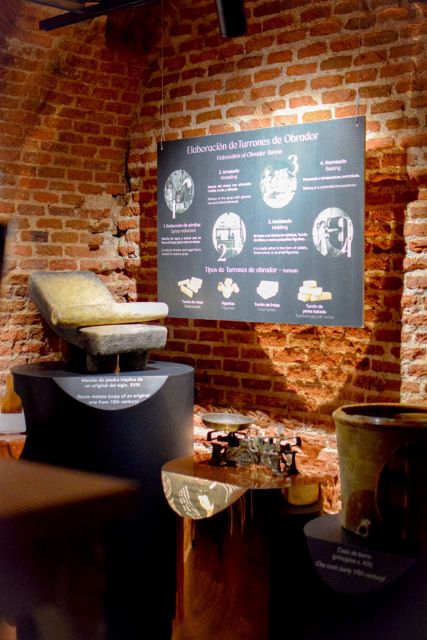
One of the most memorable parts isn’t a flavor—it’s the people. You’ll see the typical clothing of the turroneros and how it evolved since the 18th century.
That’s surprisingly useful because it turns an industry term into something visual. When you can picture the workers and the work culture, the product stops feeling like a faceless supermarket item and starts to feel like a trade passed down and shaped over time.
I also like that this section gives you something to notice beyond text. You can pause, compare, and connect it back to the production story you heard earlier. It makes the museum more than a background stop while you browse.
The Tasting at the End: What You’ll Be Offered
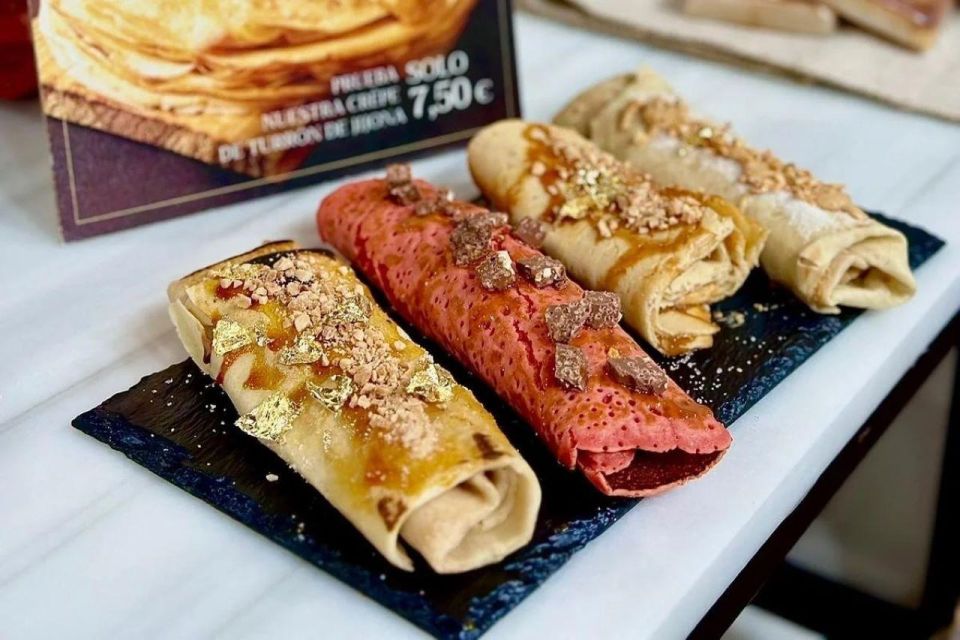
The best “close the loop” moment is the included tasting. After you’ve walked through the exhibits, you’re offered samples of products sold at the 1880 Turrón Museum.
Based on what’s included, you can expect to try:
- Jijona (the almond nougat type associated with Jijona)
- Egg yolk or chocolate nougats
- Marzipan
- Polvorones
This is a good mix if you want to understand how Spanish Christmas sweets relate to each other. Almond nougat gets you the classic Jijona anchor, while marzipan and polvorones help you compare textures and flavors across the broader tradition.
A quick expectation check: this is a tasting, not an all-you-can-eat buffet. Also, since the museum is tied to a shop space, the tasting menu lines up with what they sell. If you want a giant variety tasting event, you may find it more modest than you hoped.
You can also read our reviews of more museum experiences in Madrid





Price and Value: Does $5 Really Add Up?
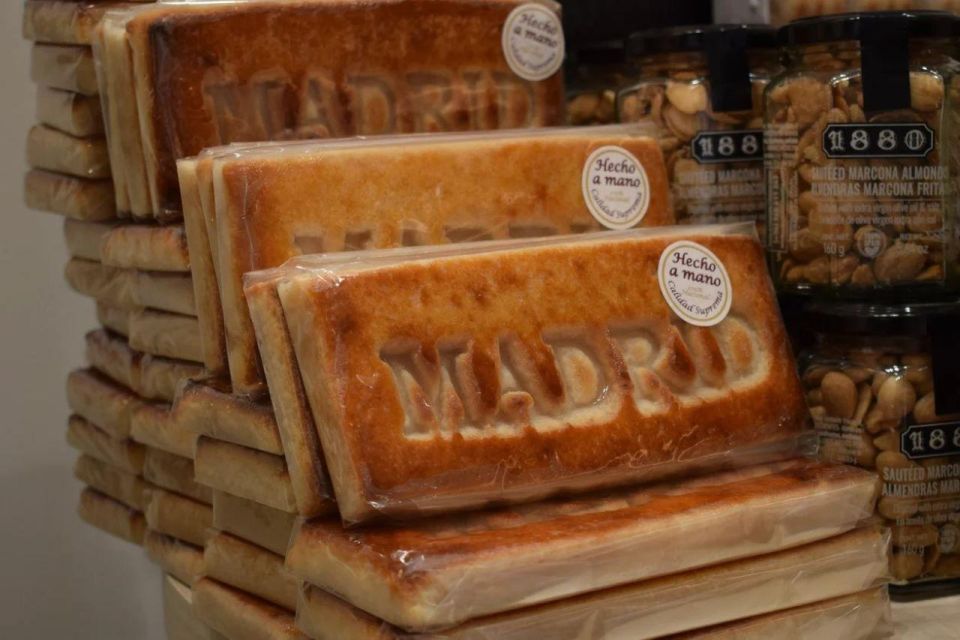
At around $5, the math mostly works if you’re the kind of traveler who enjoys learning one focused topic and then sampling the result. You’re not paying for a full-day guided excursion with transportation; you’re paying for an entry into a single themed museum experience plus tasting.
The museum’s “value” comes from its tight focus:
- Jijona almonds and nougat, not general Spain-wide desserts
- Production history (including tech/economics), not just recipes
- A tangible payoff at the end
That said, reviews are mixed overall, with a middling rating. The main reason to plan carefully is that the experience depends on the day’s pacing and presentation quality. If you’re someone who expects a polished, timed show every time, you might feel frustrated by anything that delays the flow.
Best Time to Go and How to Plan Your Day
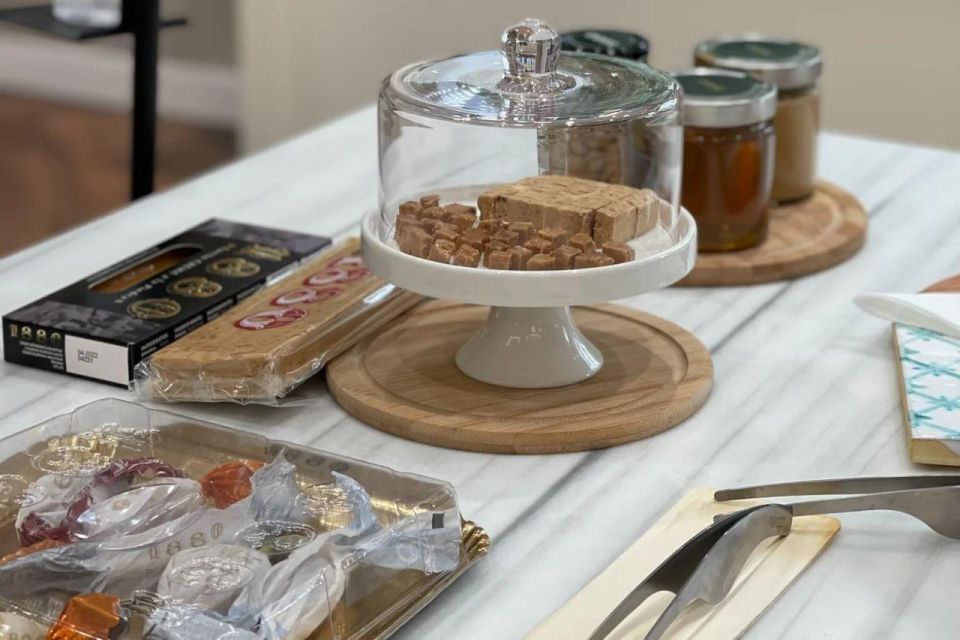
Because this is built around free exploration and a tasting finish, I’d plan to give yourself a calm entry. Try not to stack it right before another ticketed must-do—Madrid days have a way of running late.
If you’re traveling with a group, treat it like a museum plus snack. People who love food and cultural history tend to feel satisfied because there’s enough to look at, read, and connect.
If you’re short on time, prioritize the almond section first and then the Jijona/Jijona DoO part. That combo sets you up for a tasting you actually understand. If you skip those, the samples can feel more like sweets than like a story.
Who This Is For (And Who Might Skip It)
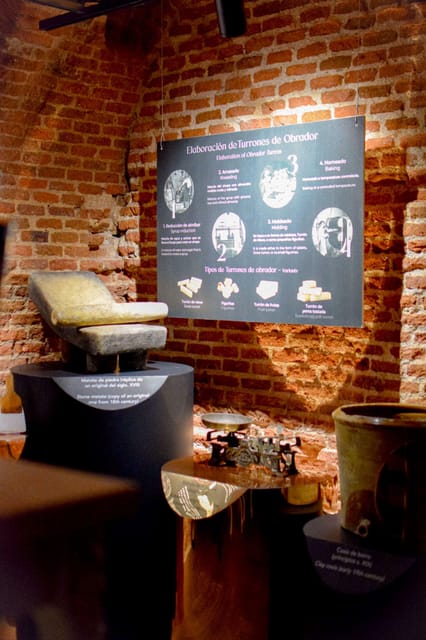
I’d recommend the Madrid Nougat Museum if you want:
- A focused experience on Jijona and Spanish Christmas sweets
- Exhibits you can browse at your own pace
- A tasting that includes several common Spanish treats
You might decide to skip if you mainly want a big guided performance, or if you prefer museums with lots of different themes rather than one concentrated subject.
It’s also a good rainy-day option in Madrid because it’s indoors and based around reading panels and walking through exhibits. Just go in with realistic expectations: it’s a themed museum experience tied closely to the shop world, not a sprawling art museum.
Should You Book the Madrid Nougat Museum?
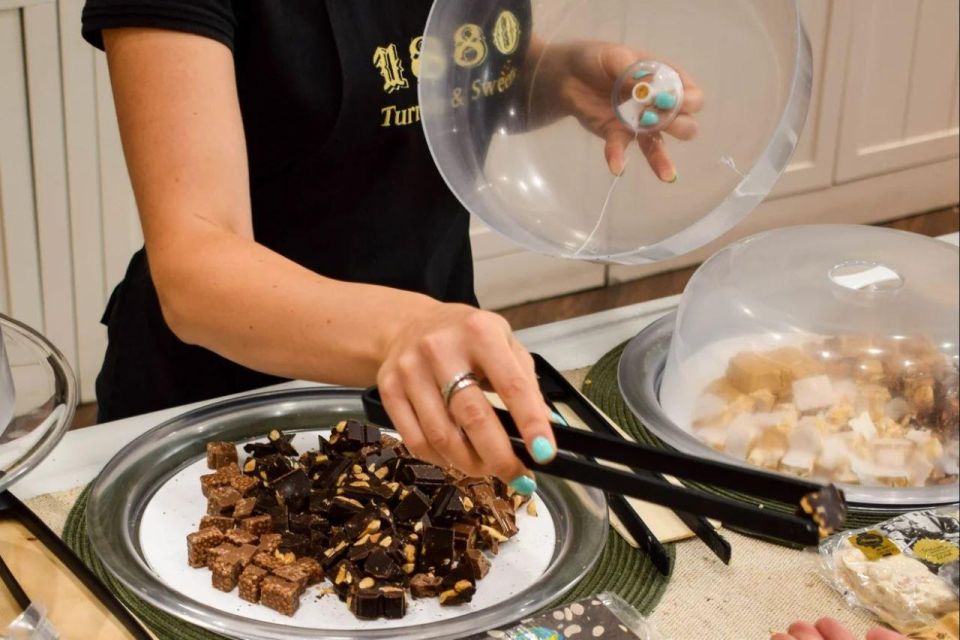
Yes, if you like food culture and you’re happy with a short, focused visit that ends with tasting. The $5 price point is hard to beat when you’re getting both an exhibit tour and samples like Jijona, marzipan, and polvorones.
If you’re extremely time-sensitive or you dislike any chance of delays, I’d book as a flexible slot rather than a tight appointment. And if you prefer fully guided, high-production presentations, consider that this place leans more on panels, explanations, and a tasting finish than on a theatrical show.
FAQ
What is included with the ticket?
The ticket includes entrance to the Nougat Museum 1880 and a nougat tasting.
Where do I meet for the visit?
The meeting point is the Tienda / Shop Boutique at Casa 1880.
How long is the experience?
It’s listed as a 1 day experience, with access based on starting times.
What can I taste during the nougat tasting?
You can taste Jijona, egg yolk or chocolate nougats, plus marzipan and polvorones.
Is there a guided tour?
You can take a free tour of the different parts of the museum after you enter.
What language is the experience in?
The information is presented in Spanish.
How much does the ticket cost?
The price is $5 per person.
Can I cancel for a refund?
Yes. Full cancellation is available up to 24 hours in advance.
Can I reserve now and pay later?
Yes. You can reserve now and pay later.
Is there more than one starting time?
Yes. Starting times depend on availability, so you’ll need to check what’s offered for your day.