REVIEW · MADRID
Avila with Walls and Segovia with Alcazar from Madrid
Book on Viator →Operated by Julia Travel S.L · Bookable on Viator
Two UNESCO cities, one steady route. This day trip ties together Segovia’s Roman aqueduct and Ávila’s UNESCO walls with a guided story line that makes the centuries feel connected, not random. I especially like how the focus isn’t only on big-ticket monuments; you also get the church-and-stone details that help you read each town like a living museum.
The main drawback is time. It’s a long day with limited hands-on time in each place, and what you actually enter (cathedrals, churches, and the Alcázar) depends on your chosen option. If your Spanish/English balance is important to you, also know that group departures can feel crowded, so the guide’s pacing matters.
In This Review
- Key points you’ll care about
- Segovia first: Roman aqueduct in the morning light
- Alcázar of Segovia: the fortress-palace with Cinderella vibes
- Segovia’s cathedral area and your lunch decision (suckling pig optional)
- Ávila walls and the Cuatro Postes viewpoint
- Old-town churches, Santa Teresa, and the Basilica of St Vincent
- Price and timing: is this a good value for 9 hours?
- Group size, language, and how to have a better day
- Who should book this Avila and Segovia day trip?
- Should you book it?
- FAQ
- What cities does this tour cover?
- How long is the tour?
- Is the tour offered in English?
- Do I get to visit the Alcázar of Segovia inside?
- Is lunch included?
- What does the tour include in Ávila?
- Is Ávila Cathedral or Segovia Cathedral entered?
- Where do I meet the tour in Madrid?
- Where does the tour end?
- What ticket format do I receive?
- How early should I arrive for the start time?
Key points you’ll care about
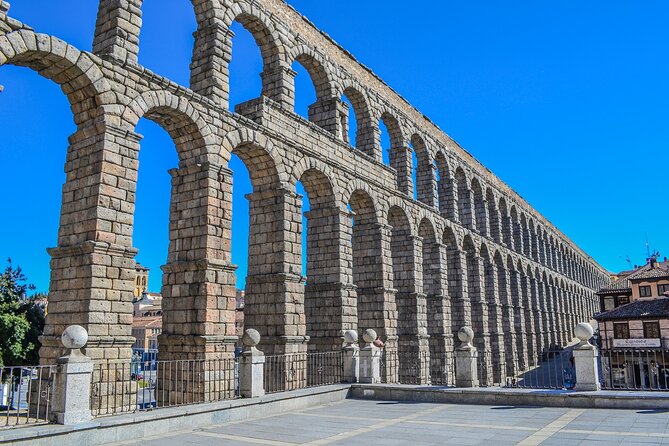
- A Roman aqueduct with real scale: 2 tiers, 166 arches, 120 pillars, built in the 1st century.
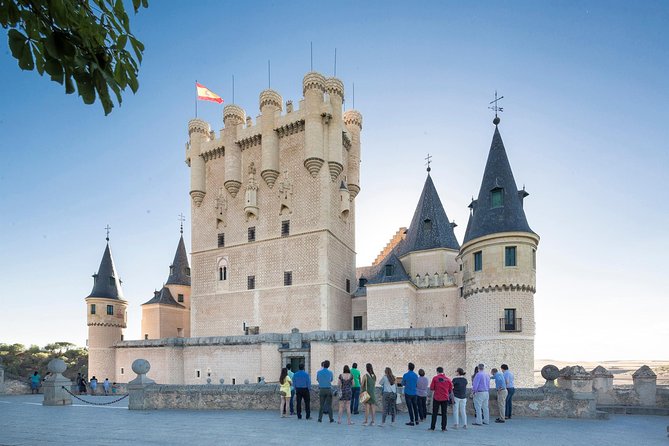
- Alcázar inside access (if you choose it): an 11th-century fortress-palace with palace, prison, and artillery-college chapters.
- UNESCO Ávila Walls plus the Four Posts viewpoint: a classic, dramatic way to understand the city’s defensive design.
- Options change what you can enter: cathedral interiors and some church visits depend on the ticket choice.
- A calm way to listen on the move: radioguide system plus an air-conditioned coach.
- Lunch is optional but very Segovia: roast suckling pig is the signature dish if you pick the gourmet menu.
Segovia first: Roman aqueduct in the morning light
You start in Madrid at Julià Travel Madrid (C. de San Nicolás, 15) and roll out on an air-conditioned coach. Once you reach Segovia, the tour quickly becomes about perspective: you’re not just looking at ruins and castles, you’re seeing how a Roman city carried water and how later powers reused smart locations.
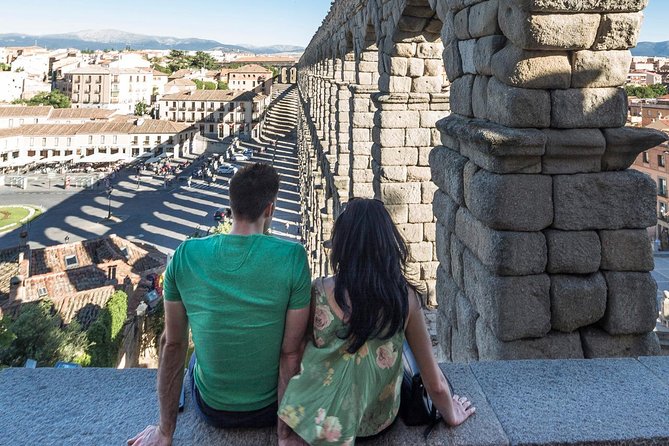
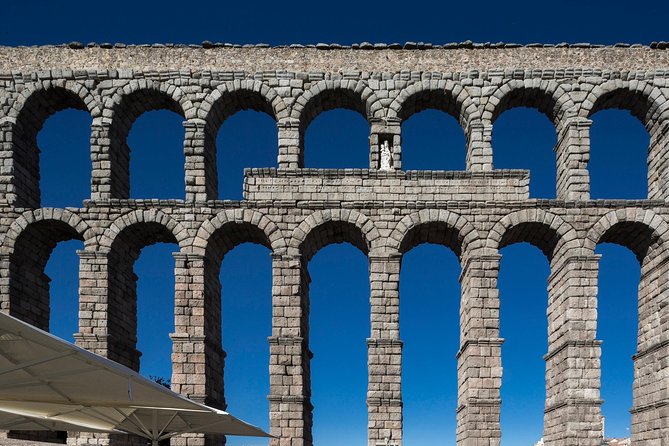
Segovia’s Roman aqueduct is the showpiece, and it’s hard not to pause when you realize you’re staring at a structure that still reads like engineering. You’ll hear how it was constructed in the 1st century, with two tiers holding everything up across the valley. The numbers are almost comical until you see the thing: 166 arches and 120 pillars. It also helps that the guide’s commentary gives context for why it was built here, between the rivers and within reach of the town’s needs.
Practical takeaway: give yourself permission to take photos, but also take a minute to trace the aqueduct’s line with your eyes. The structure is tall, so your brain keeps wanting to zoom in; stepping back makes it easier to appreciate the full span.
You can also read our reviews of more tours and experiences in Madrid.


Alcázar of Segovia: the fortress-palace with Cinderella vibes
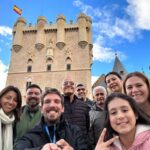
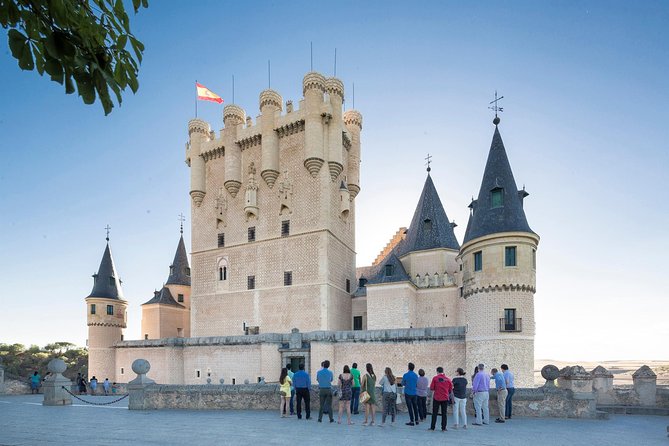
Next comes the Alcázar of Segovia, a fortress-palace with an 11th-century core. Even if you know nothing else about Spanish history, this is the kind of place that instantly looks like a storybook. Walt Disney’s Cinderella Castle is often linked to its silhouette, and that connection is easy to see in the towers and battlement shapes.
If you choose the option that includes monument entry, you’ll get a guided tour inside the Alcázar. That matters, because the value here isn’t only the exterior views. The guide explains how the building functioned over time: not just royal residence, but also a prison and even an artillery college. That mix of roles changes how you look at the rooms. Windows and corridors stop being decorative and start acting like clues.
Also, don’t rush the top viewpoints. The Alcázar’s best moments are the ones where you understand why it was built like this—high ground, defensible angles, and sight lines over the surrounding city.
If you’re short on time, prioritize the guided parts. Some touring options split the day so you can do more on your own, but the guided inside visit tends to give the clearest “why this place matters” take.
Segovia’s cathedral area and your lunch decision (suckling pig optional)
After the Alcázar time, the tour moves you toward the cathedral area. You’ll walk through the old Jewish quarter and visit the exterior of Segovia Cathedral. If you’ve upgraded to include monument entry, you may be able to go inside, but the default feel is exterior viewing with a sense of scale.
Then you hit the most personal choice on the whole day: lunch.
You’ll have free time for lunch during your Segovia stretch, or you can upgrade to a lunch option that ranges from a simple tourist-style meal to a gourmet Segovian menu. The centerpiece dish is the famous roast suckling pig, often paired with drinks when the gastronomic option is selected. The tour format makes this easy: you decide what level of local food experience you want, and the schedule builds in time to eat without derailing the rest of the itinerary.
Tip from how the day is structured: if you’re planning to shop, pick a lunch option that doesn’t expand your meal too long. This tour moves on a clock, and once the coach leaves Segovia, the day tilts toward Ávila.
Ávila walls and the Cuatro Postes viewpoint
When you continue to Ávila, the mood changes fast. Segovia feels like Roman engineering and royal drama; Ávila feels like medieval defense that refuses to fade.
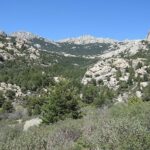
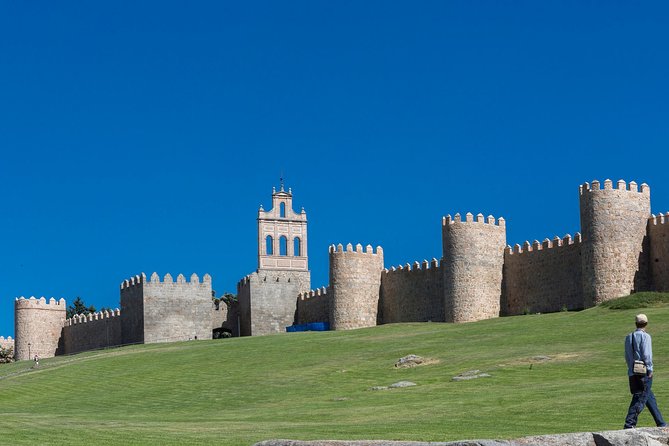
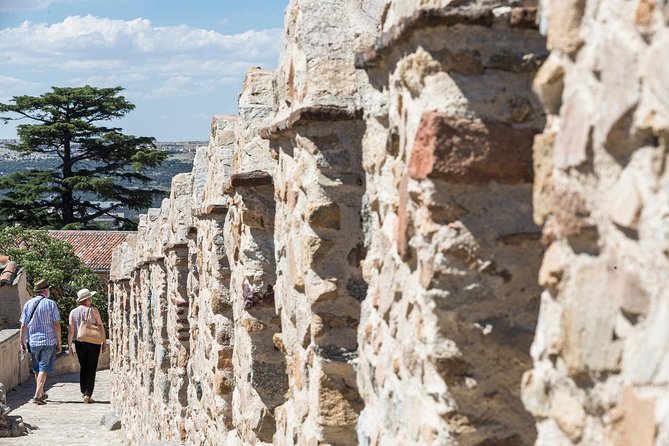
Ávila is one of Spain’s most preserved fortified cities, and you’ll get the UNESCO context early. A stop at the Four Posts viewpoint (Cuatro Postes) gives you sweeping views of the walled old town. From there, you start understanding the walls as a system, not a single monument. It’s easier to appreciate their fortress design when you can see the layout and the way the city hugs its own perimeter.
Then comes the city walls and towers time. If your option includes admission, you’ll be able to visit the walls on your own. If you chose the guided old-town approach, you’ll follow the guide for the story behind the stones—Romanesque churches, Gothic palaces, and the fortified cathedral from the Middle Ages.
One of the quiet thrills here is the tactile scale. Standing near the walls makes you think less about postcards and more about how people once lived with constant fortification in view.
Old-town churches, Santa Teresa, and the Basilica of St Vincent
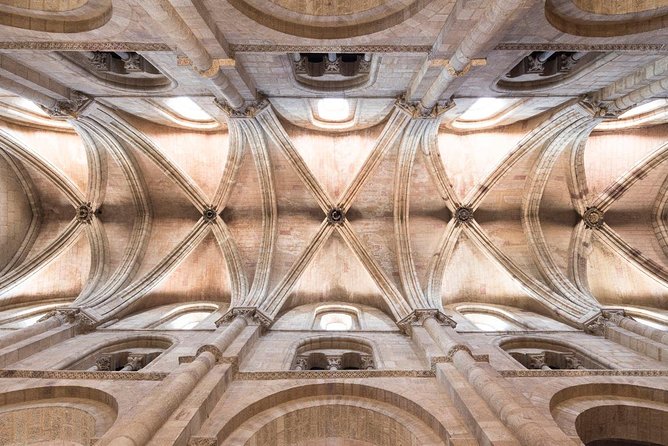
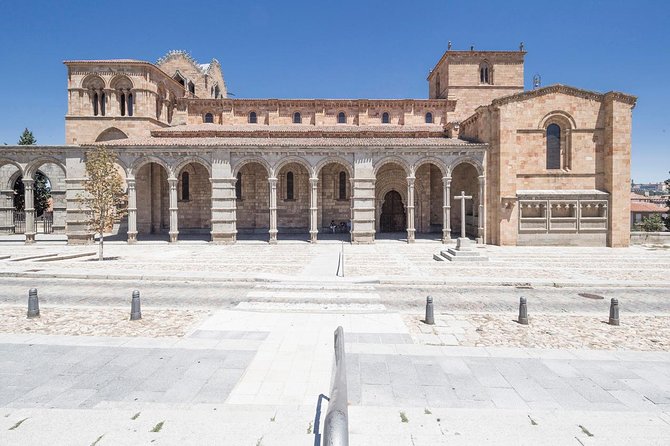
Ávila’s guided portion is built around the religious and architectural layers that shaped the city. Depending on your chosen option, you may visit inside Santa Teresa Church. The tour also focuses on San Vicente Basilica and Ávila’s cathedral area, and it’s tied to the fact that Ávila is famously linked to Saint Teresa, a key figure of Spanish spirituality.
The best way to use your time here is to treat it like a “read the city” walk. When the guide points out Romanesque versus Gothic features, your job is not to memorize dates. Your job is to notice how styles signal different eras of power, devotion, and building technique.
Also, remember the scheduling reality: you won’t have hours and hours in each church. You’re getting highlights, plus a guided framework. If you want to go deeper, this day trip works best as your first look, then you can come back later on your own when you have more time to slow down.


Price and timing: is this a good value for 9 hours?
At around $60.34 per person for a 9-hour day trip, the value depends on what you want to see—and how you like your touring.
This price gets you several high-demand stops in one go, plus the practical comfort of an air-conditioned coach and a radioguide system. It also includes key admissions where your option says so: Ávila Walls admission is included, and inside visits like the Alcázar and Santa Teresa Church happen if you select the matching upgrade.
So, who is this value for?
- You want a “best-of” day: aqueduct, Alcázar, and UNESCO walls without planning bus transfers.
- You like guided context enough to save time, but you still want some breathing space (you’ll get free time for lunch or independent wandering depending on your option).
- You’re comfortable with walking and short time windows inside monuments.
Who might feel it’s not great value?
- You want long, slow museum-style time in one city. The day is built as a two-city sampler.
- You’re very sensitive to how group size affects pacing or how well you can follow the guide. The tour is offered in English, but actual experience can vary by departure.
My practical take: treat this as a first-visit day. You leave with clear “must-return” targets, especially if you loved what you saw of the walls from the Four Posts viewpoint or the Alcázar’s fortress layouts.
Group size, language, and how to have a better day
This tour can run with a fairly large group. The operator lists a maximum of 30 travelers per guide, but the day-trip format still means you might feel herded at transitions. The radioguide helps, and a well-run guide can keep everyone moving without turning it into a sprint.
Language is the second wildcard. The tour is offered in English with a bilingual guide setup, but real-world comprehension can depend on accent and how the group is split. If you’re not comfortable catching information when the guide switches between languages, you’ll likely have a better experience picking an option that gives you structured, inside guided time (like the Alcázar) rather than only exterior viewing.
Two ways to protect your experience:
- Arrive early at the meeting point so you don’t get stressed by timing. This tour expects punctuality.
- Wear shoes you trust. You’ll be walking between sites and climbing into the “viewpoint + walls” rhythm.
The tour can feel smooth when you’re in the right mindset: don’t treat it like a full-day museum marathon. Treat it like a guided route that gets you to the right places fast.
Who should book this Avila and Segovia day trip?
Book it if:
- You want Segovia’s Roman aqueduct and the Alcázar in the same day as Ávila’s UNESCO walls.
- You’re okay with short, focused stops and guided storytelling.
- You’re interested in local food and are curious about Segovian roast suckling pig (only if you choose the lunch upgrade).
Skip it (or consider a different format) if:
- You want a deep dive inside cathedrals and churches for long stretches. This tour is highlights-focused, and what you enter depends on your ticket option.
- You dislike big groups and tight transitions. Even with a great guide, the structure forces movement.
- You’d rather spend more time in one city than split attention between two.
Should you book it?
Yes—if you’re the type of traveler who wants to see the headline monuments of Segovia and Ávila with guided context, then go explore more later. This is a strong “first taste” of both UNESCO towns: aqueduct scale in the morning, Alcázar fortress-palace inside time when you choose it, and Ávila’s walls plus the Four Posts viewpoint to help everything finally click.
If you do book, choose your option wisely. Picking the upgrades that include monument entries (especially inside the Alcázar, and Santa Teresa Church if that’s on your list) is the easiest way to turn a good day trip into a memorable one.
FAQ
What cities does this tour cover?
It covers Segovia first and then Ávila, with the day ending back in Madrid.
How long is the tour?
The duration is about 9 hours.
Is the tour offered in English?
Yes. The tour is offered in English, and the guide setup is described as bilingual.
Do I get to visit the Alcázar of Segovia inside?
That depends on the option you choose. Inside access is included for the guided monument option.
Is lunch included?
Lunch is not automatically included. You have free time to eat on your own, or you can upgrade to include a Segovian lunch with drinks.
What does the tour include in Ávila?
You’ll have admission to the city walls of Ávila, and depending on your option you may join a guided old-town walk and visits inside certain churches.
Is Ávila Cathedral or Segovia Cathedral entered?
The plan includes the exterior of Segovia Cathedral, and inside visits are tied to ticket upgrades. Ávila Cathedral is mentioned as part of the guided highlights.
Where do I meet the tour in Madrid?
The start point is Julià Travel Madrid, C. de San Nicolás, 15, Centro.
Where does the tour end?
The tour ends at Parking APK2 Plaza de Oriente, Level -2.
What ticket format do I receive?
You receive a mobile ticket.
How early should I arrive for the start time?
Plan to arrive about 15 minutes early. The tour begins at 9:00 am and late arrivals can mean you miss the departure.