REVIEW · MADRID
From Madrid: Segovia, Ávila, and Toledo Guided Tour
Book on GetYourGuide →Operated by World Experience · Bookable on GetYourGuide
You can see three UNESCO towns before dinner, and the history comes with real on-the-ground storytelling. I like that Segovia’s Roman aqueduct is paired with a guide’s clear explanations, and I also love that you get inside Toledo’s Gothic cathedral with skip-the-line entry.
One drawback to plan for: this is a packed day. Long bus stretches plus timed stops can make it feel a bit rushed, even when the group pace is managed well by guides like Antonio, Diego, Eduardo, and Laura.
In This Review
- Key moments worth the ticket
- Price and what you’re really paying for
- The big idea: Segovia, Ávila, and Toledo in one day
- From Madrid to Toledo: the early start that pays off
- Toledo Cathedral: what skip-the-line really means
- Toledo wandering: narrow streets, quick photo stops, and a viewpoint
- Ávila walls: medieval defense you can actually walk next to
- Lunch choice: upgrade meal or free time in the old town
- Segovia aqueduct and old town: Roman engineering meets story time
- Segovia Alcázar: the royal fortress-palace moment
- Getting back to Madrid: comfortable ride, big day energy
- What to watch out for (so you enjoy the day instead of surviving it)
- Who this tour fits best
- Should you book the Segovia–Ávila–Toledo guided day trip?
- FAQ
- FAQ
- How long is the Madrid to Segovia, Ávila, and Toledo guided tour?
- Where do I meet the tour in Madrid?
- Is Toledo Cathedral entry included?
- Do I get lunch on this tour?
- Is this a shared or private tour?
- What languages will the guide speak?
- What should I bring and wear?
- Is the tour wheelchair accessible?
Key moments worth the ticket
- Segovia aqueduct walk-by plus guided context so you understand what you’re looking at
- Skip-the-line entry to Toledo Cathedral to cut down waiting time
- Ávila’s intact medieval walls along the historic center route
- Toledo viewpoints that make photo time feel worth the effort
- Two tour styles (shared vs private) depending on how you like to travel
- Optional lunch upgrade in a local old-town setting (or free time if you skip it)
Price and what you’re really paying for
This tour runs for about 12 hours and is priced at $99 per person. On paper, that’s “just a day trip.” In practice, you’re paying for three things that add up fast if you DIY it: a guide in the car and on foot, transportation between cities, and entry to the Toledo Cathedral (with skip-the-line access).
If you choose the lunch upgrade, you’re also buying time and convenience: you avoid hunting for food while you’re moving through tight old towns. If you skip lunch, you’ll get free time to eat on your own, plus restaurant suggestions from your guide so you’re not stuck guessing.
So the value question becomes simple: do you want guided time + a scheduled meal, or more freedom for meals and wandering? Either choice can work. The best move is picking the option that matches your pace, not your budget.
You can also read our reviews of more guided tours in Madrid

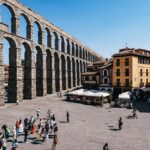
The big idea: Segovia, Ávila, and Toledo in one day
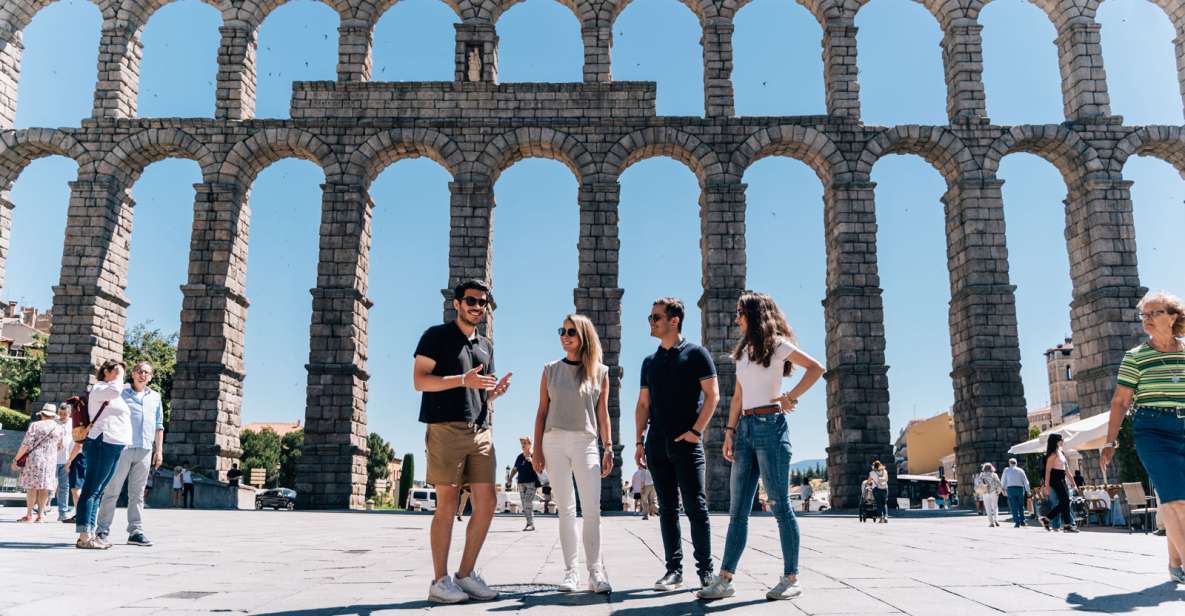
You’re combining three different “wow” styles into one itinerary:
- Segovia is about Roman engineering and royal power—aqueduct, cathedral area, and the Alcázar fortress-palace.
- Ávila is all medieval defenses—especially the wall ring around the historic center.
- Toledo is where religion, language, and art collide—often described as a city of three cultures, with Christian, Jewish, and Muslim traces you can still read in the streets and monuments.
Trying to see all three takes early starts and serious walking shoes. But the payoff is variety. You won’t just repeat the same type of sight in one route. You get distinct urban vibes back-to-back.
And because the tour is guided in English and Spanish, you’ll get explanations without needing to translate every sign yourself.
From Madrid to Toledo: the early start that pays off
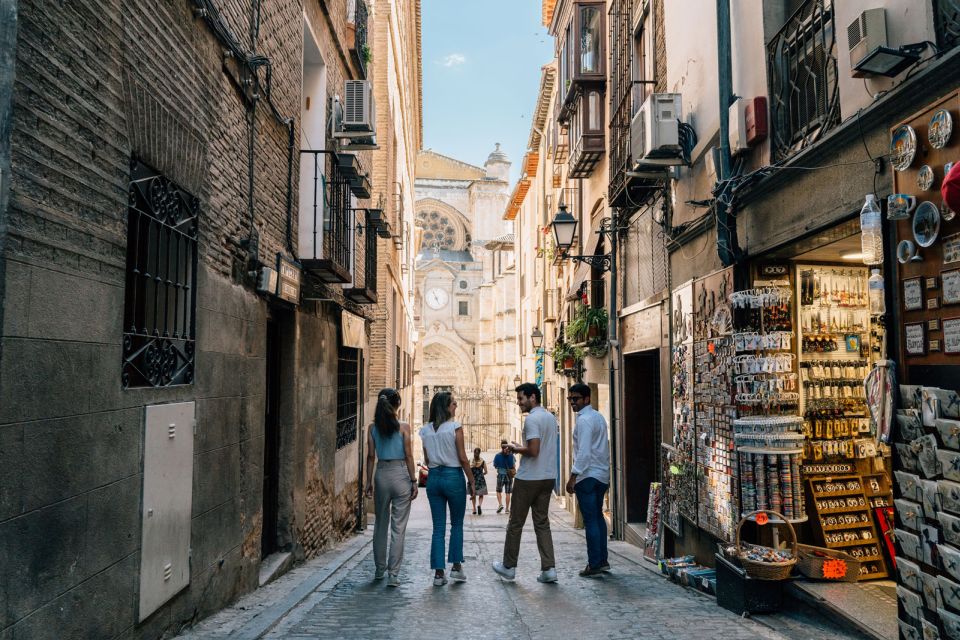
You meet at Plaza de San Miguel, 7 and head out by air-conditioned bus. The ride breaks up the day’s energy, but you should still expect long stretches on the road. That’s normal for trips that hit multiple towns outside Madrid.
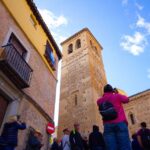
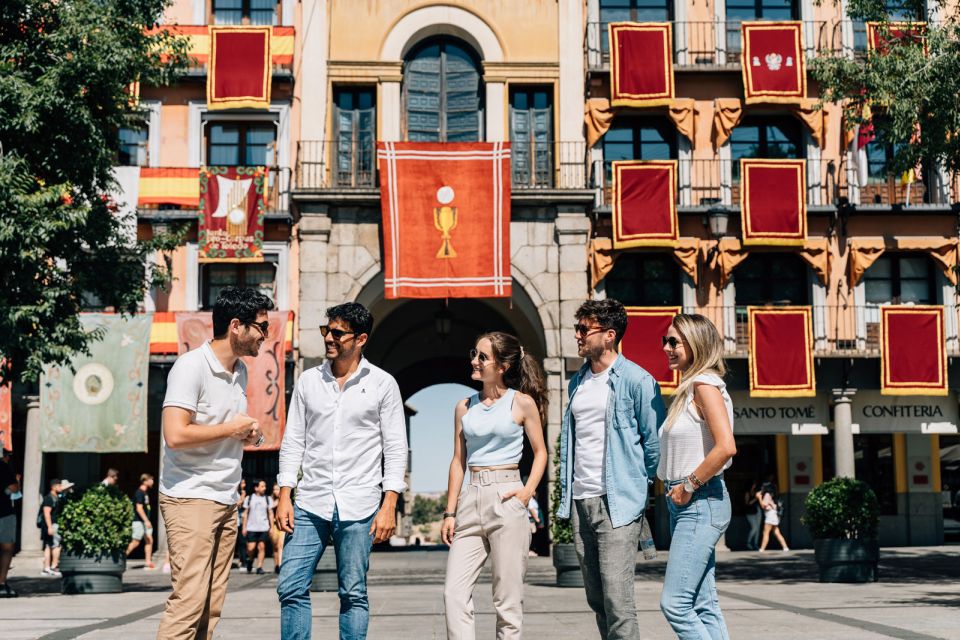
You begin in Toledo first, with a guided tour and plenty of pedestrian time. Toledo’s old streets feel narrow and slow at the best moments—great for photos, less great if you’re rushing. Your guide helps you connect the city to what you’re seeing, including references to the layered Christian, Jewish, and Muslim heritage.
A big practical perk here: the tour focuses on representative highlights plus some lesser-known corners that many visitors miss when they go on their own. That can turn a crowded city into something that still feels personal.
If your goal is photos, you’ll also want to pay attention to timing. Toledo can look good in any light, but your itinerary includes a panoramic stop/viewpoint toward the end of the tour portion—exactly the kind of place where a guide’s timing matters.
Toledo Cathedral: what skip-the-line really means
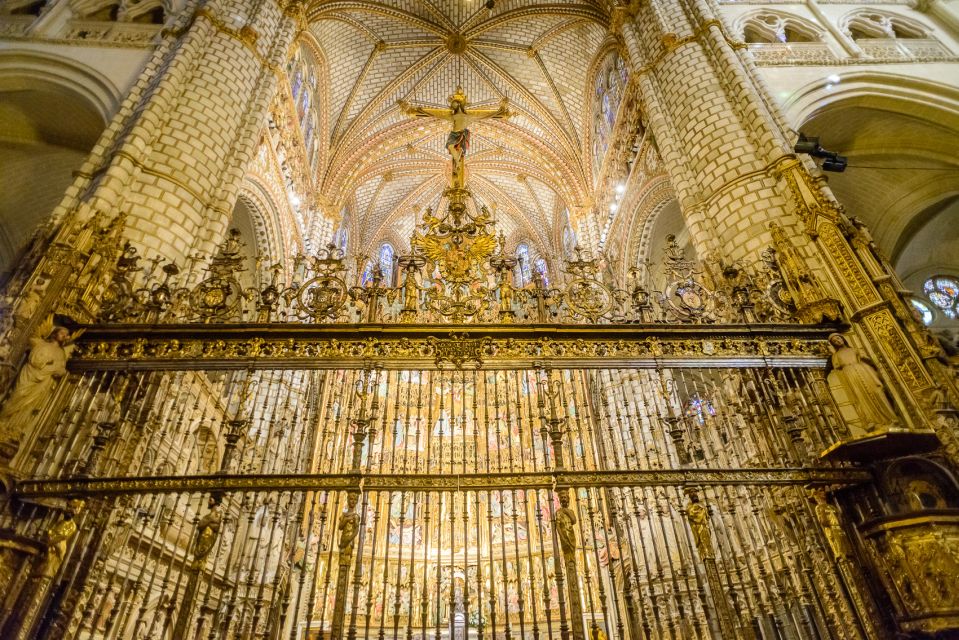
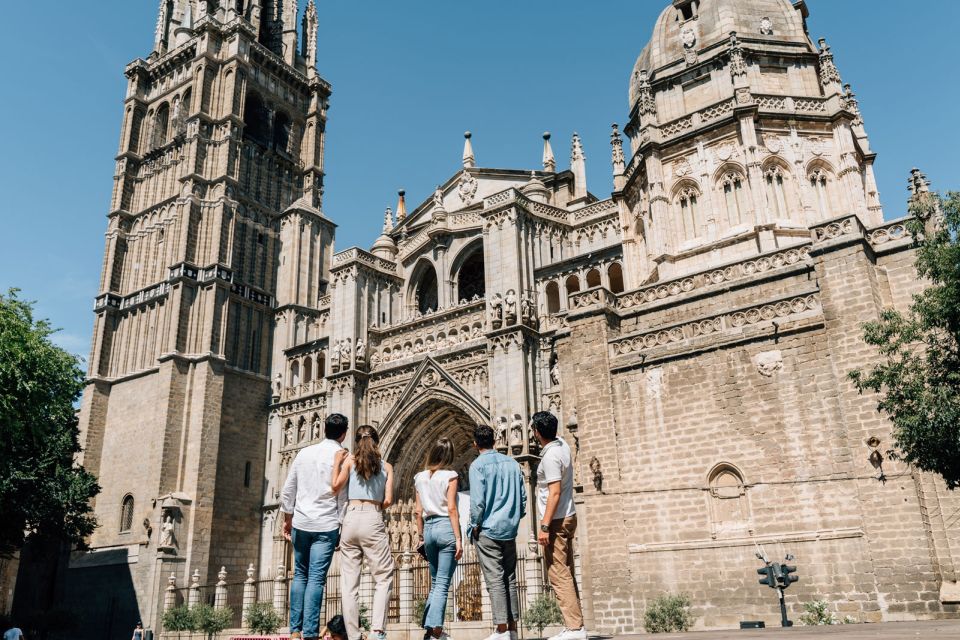
The headliner is Toledo Cathedral (Primada Cathedral), and you’ll get entry with skip-the-line access through a separate entrance. That matters because Toledo’s main sites can have long waiting lines, especially in high season.
Inside, the cathedral is an intense Gothic experience. Even if you’re not a “cathedral person,” you’ll likely notice three things fast:
- scale (it feels bigger than you expect from the street view),
- light (gives the interior a dramatic look),
- and the way details are packed into the architecture.
Your guide gives context while you’re inside, so you don’t just see stone—you understand what you’re looking at. Reviewers repeatedly call Toledo Cathedral the standout, and it’s easy to see why: it’s the one stop on the day that most visitors feel is worth the trip by itself.
Toledo wandering: narrow streets, quick photo stops, and a viewpoint
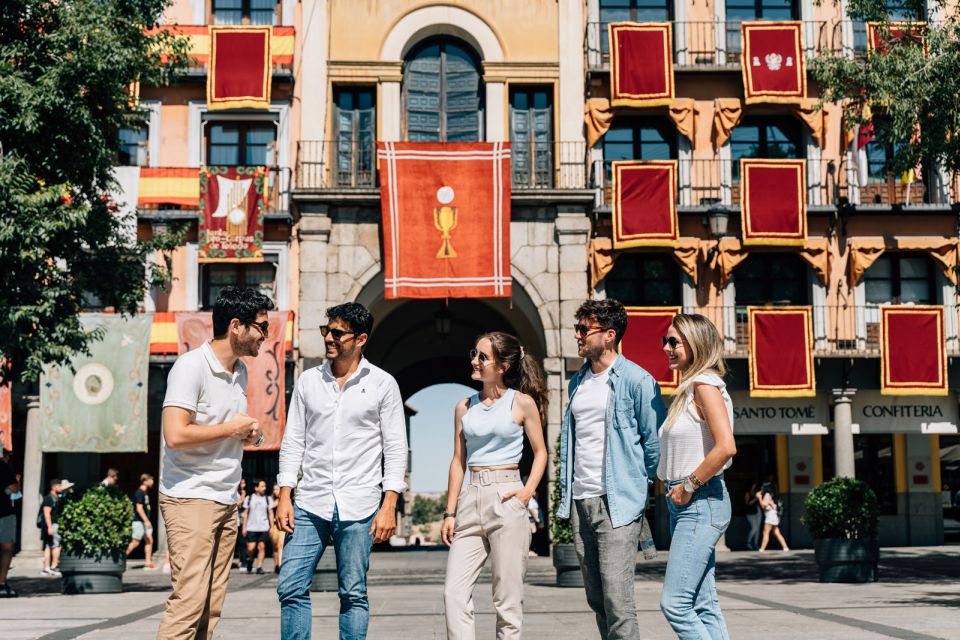
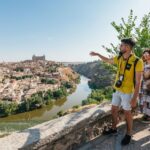
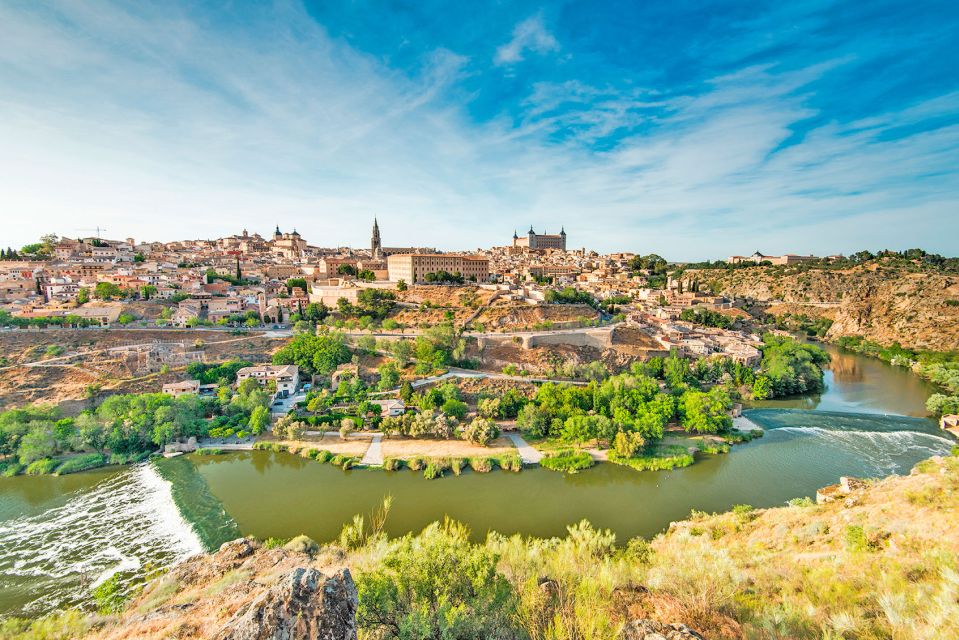
After the cathedral, you cross Toledo through picturesque streets and finish with a valley viewpoint moment (a guided sightseeing stop around 30 minutes). This is the part where you can catch the layout of the city and get that “I finally get it” feeling—how the geography supports the historic walls and the bridges and the hilltop setting.
Practical tip: wear shoes that work on uneven old-town streets. You’ll be on foot in all three cities, but Toledo’s old lanes can be a bit more stop-and-go than you might expect.
Toilets and snack breaks matter too. The day includes enough pacing that you’re not stuck constantly “waiting on the group,” but it’s still a full-day touring plan. If you’re sensitive to long walking stretches, this is worth noting.





Ávila walls: medieval defense you can actually walk next to
Then you head to Ávila, where the focus shifts hard from Gothic cathedrals to medieval fortification. You’ll see the historic center and then walk/visit along the famous walls of Ávila.
These walls aren’t just a background feature. They frame the city the way modern roads never do. When you’re near them, you start to understand how a town could feel like a fortress—people lived within protection, and the walls shaped daily movement.
Your guided portion includes walking time around about an hour, so it’s not just a quick “look and go.” You get a sense of thickness and preservation—how something from the 11th century still works as an everyday landmark.
If you like architecture, this is a satisfying change of pace after Toledo. It’s less about interior drama and more about urban form. It’s also one of the easiest places to enjoy photos without needing to pose too hard. The wall line does the heavy lifting.
Lunch choice: upgrade meal or free time in the old town
Lunch is handled in two different ways:
- If you select the upgrade option, lunch is in a local restaurant in the old town (a traditional Iberian meal).
- If you don’t, you’ll have free time for lunch, and the guide will recommend restaurants in the area.
This is where your personal preference should lead. An upgraded meal can be smoother because it’s scheduled and timed for the group. It also reduces decision fatigue when you’re already traveling city to city.
On the flip side, if you want maximum flexibility, free time can be better. You can choose what fits your hunger level and what looks best to you that day—especially since not every restaurant is open every day in older towns.
One thing to keep in mind: parts of Ávila and other stops can be busy, so a scheduled meal can save stress.
Segovia aqueduct and old town: Roman engineering meets story time
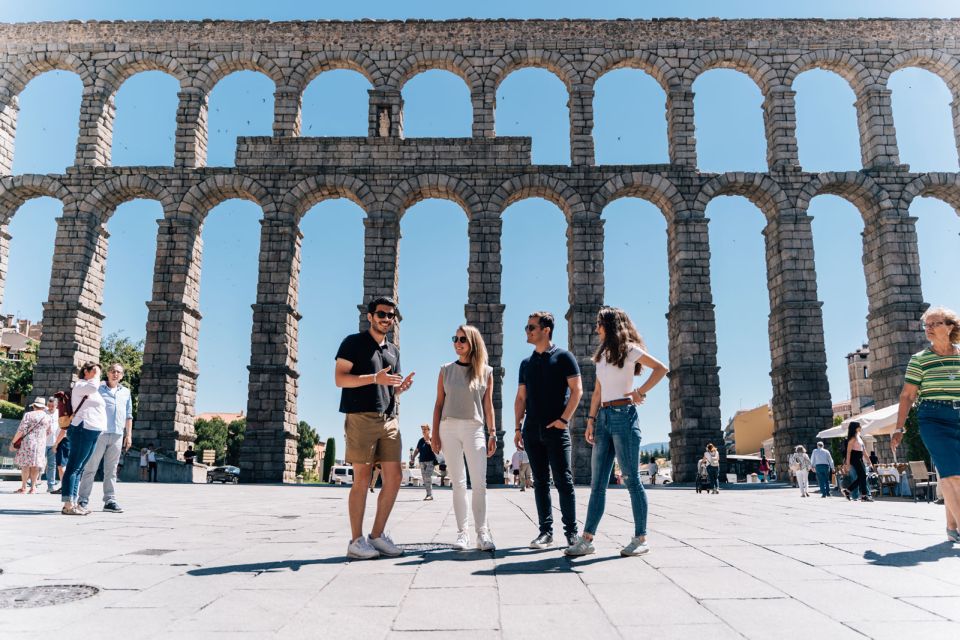
Segovia is where the day turns visual and big. You start with the aqueduct of Segovia, including a guided walk-by. The aqueduct is one of Spain’s most famous Roman structures, and the guide’s commentary helps you understand why it’s so impressive: it’s not decorative. It’s functional architecture built to move water across distance.
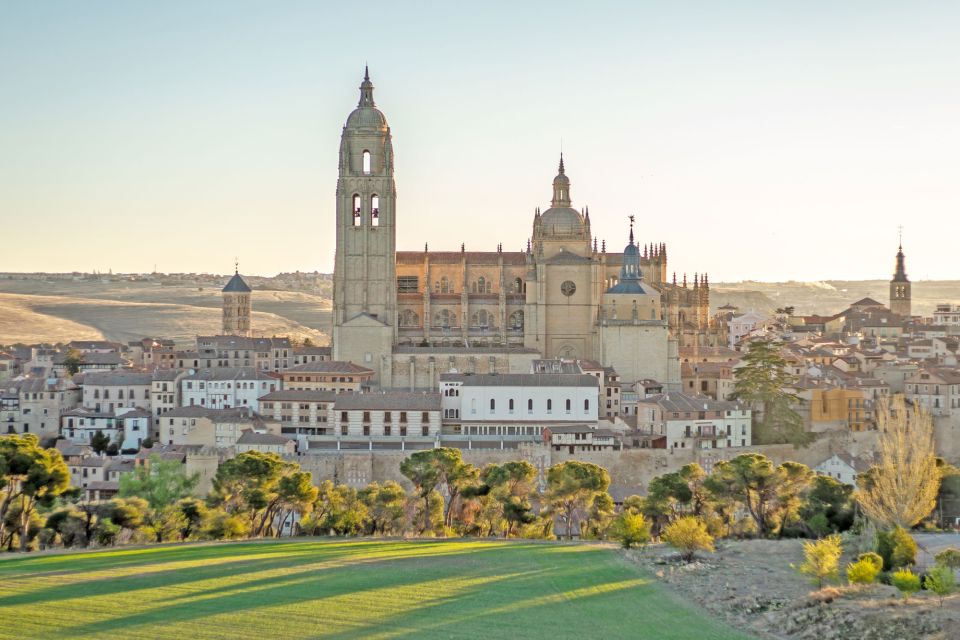
From there you get a look at Segovia’s Cathedral and then a walk through the historic center.
You also get a chunk of free time for about an hour—enough to browse, grab a coffee, and do some casual shopping without the tour micromanaging every step.
Segovia Alcázar: the royal fortress-palace moment
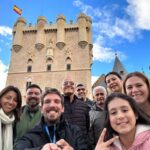
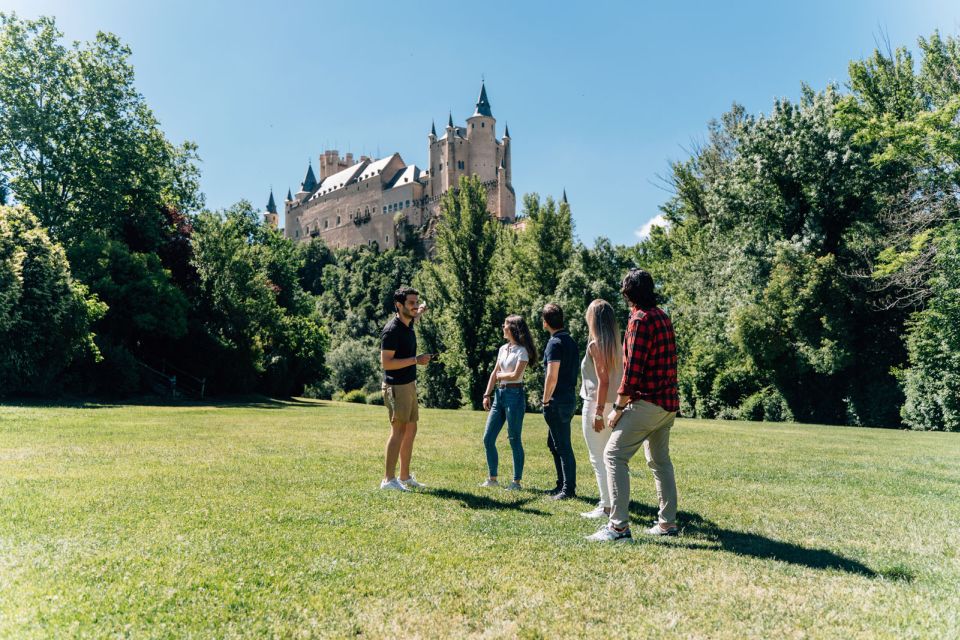
Next up is the Alcázar of Segovia, the old royal palace and fortress. The experience here is partly guided context and partly you exploring on your own after the guided segment.
This stop is where a lot of people slow down for pictures. The building shape stands out immediately, and it looks different from various angles. With free time, you can wander a bit and find the views that suit your phone camera or your sense of “one more shot.”
A practical note: you’re finishing the city portion with more walking and photo stops. If you’re the type who wants museum-level time, this won’t feel like a full Segovia day. But as a “great overview with key landmarks,” it does the job.
Getting back to Madrid: comfortable ride, big day energy
At the end, you return to Madrid in a comfortable minibus/coach. The ride is where your legs finally admit they were involved. Your guide can also suggest what to do with the rest of your Madrid time, which is helpful if you’re planning your trip around this day trip.
If you tend to pack multiple activities in one day, you’ll probably feel fine. If you’re usually cautious with walking, you’ll want to treat this as a “major day” and plan a calmer day afterward.
What to watch out for (so you enjoy the day instead of surviving it)
A few considerations make a difference:
- Timing feels tight: three UNESCO towns means fewer hours per city than you’d get if you went one place at a time.
- Walking and hills: the cities include uneven old streets and some elevation. Comfortable shoes aren’t optional.
- Not for motion sensitivity: it’s not recommended for travelers with motion sickness, since you’ll do a lot of bus time.
- Less ideal for back problems: the day involves sitting on transit and walking on uneven ground.
- Not wheelchair accessible: the route isn’t designed for wheelchair users.
The good news: guides often keep an eye on the group and can arrange a meeting point if you need to take extra time during walking portions due to health or mobility reasons. But if you know you’ll struggle with walking, choose a different format.
Who this tour fits best
This day trip is a strong match if you:
- want a guided overview of UNESCO sights outside Madrid,
- like architecture and city layout more than “long museum sessions,”
- don’t want to drive or figure out connections between cities,
- and enjoy photo stops with a plan.
It can be less ideal if you want deep time in one city. Toledo alone can take longer than a single cathedral stop. Segovia can steal a whole afternoon. Ávila walls are better when you can linger. This tour gives you the “taste,” not the slow savor.
Should you book the Segovia–Ávila–Toledo guided day trip?
Book it if you want the best value for first-time UNESCO exposure and you’re okay with a busy schedule. The combination of Toledo Cathedral, Toledo viewpoints, Ávila’s medieval walls, and Segovia’s aqueduct and Alcázar gives you a balanced “Spain feel” in one day, without rental-car stress.
Skip it (or consider a different option) if you want slow exploration, have mobility limits, or know you feel worn out by long bus days plus walking. In that case, choosing a two-city plan—or saving Toledo for its own dedicated day—can feel more satisfying.
If you do book, pick footwear you trust, bring your ID, and go in with the right mindset: this is a day of highlights and interpretation. The reward is seeing three very different historical worlds without having to plan every connection yourself.
FAQ
FAQ
How long is the Madrid to Segovia, Ávila, and Toledo guided tour?
The tour lasts around 12 hours.
Where do I meet the tour in Madrid?
You meet at the activity provider’s office at Plaza de San Miguel, 7.
Is Toledo Cathedral entry included?
Yes. Entry to the Cathedral of Toledo is included, and you get skip-the-line access via a separate entrance.
Do I get lunch on this tour?
Lunch is included only if you select the upgrade option. If you don’t upgrade, you’ll have free time for lunch and the guide will share restaurant recommendations.
Is this a shared or private tour?
You can choose between a shared tour and a private one, depending on the option selected.
What languages will the guide speak?
The tour is bilingual, with English and Spanish.
What should I bring and wear?
Bring your passport or ID card and wear comfortable shoes.
Is the tour wheelchair accessible?
No. The tour is not wheelchair accessible and isn’t suitable for people with mobility impairments.