REVIEW · MADRID
Guided Visit to Thyssen-Bornemisza Museum
Book on Viator →Operated by De Paseo · Bookable on Viator
Art history moves fast here. This semi-private visit is a smart way to tackle the Thyssen-Bornemisza without getting lost in the sheer amount on view. You’re in small groups (up to 7) with an expert guide, and the hour and a half is shaped like a clear art timeline rather than a random stroll.
I especially like the mix of eras and styles you get in one sitting, from Italian and Flemish Primitives to Impressionists and then into 20th-century movements. You’ll also use high-quality radio guides inside the museum to keep up while the guide points you to the most important works. One thing to consider: the museum is big, and a few guests noted the tour can feel a bit quick if your group wants extra time on every painting.
In This Review
- Key highlights to look for
- The Thyssen-Bornemisza in one guided sweep
- Your small-group start at Paseo del Prado (and why it helps)
- Stop 1: 13th–20th century art, built as a timeline
- How the guide turns paintings into meaning (not trivia)
- Radio guides: the quiet way to stay connected
- Price and value: is $77.08 a good deal for this museum?
- Should you book this guided visit?
- FAQ
- How long is the guided Thyssen-Bornemisza visit?
- How large are the groups?
- Is the museum admission ticket included?
- Do I get help hearing the guide inside the museum?
- Where do I meet for the tour?
- What kinds of art periods does the tour cover?
- Can I cancel for a full refund?
Key highlights to look for
- Small groups (up to 7) for a less crowded experience
- Expert guide storytelling that connects centuries of art
- Ticket + radio guide included, so you’re not piecing logistics together
- A wide sweep of movements, from Renaissance to Pop Art
- Most groups focus on key works (often around 15–20), not every room
The Thyssen-Bornemisza in one guided sweep
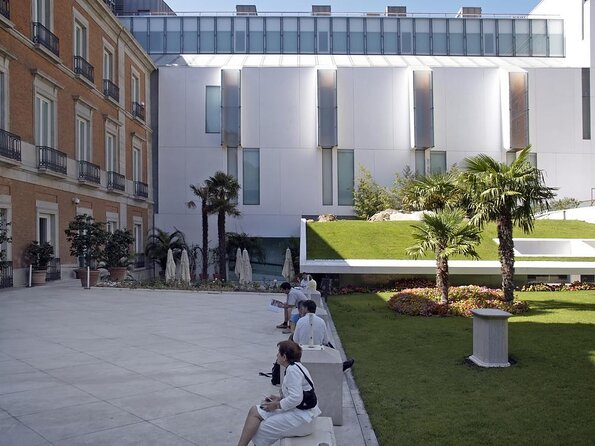
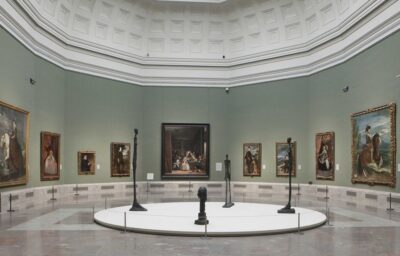
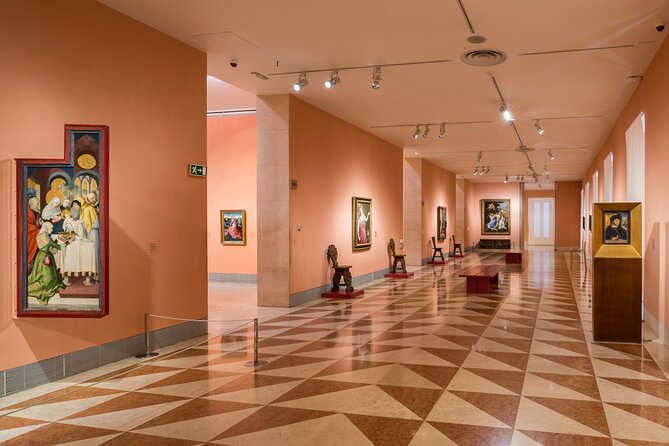
The Thyssen-Bornemisza Museum is famous for a reason: it’s built around collecting strong European art across many centuries, not just one “period of the day.” Expect works from the 13th to the 20th century, with major names showing up again and again in your guide’s story—think Titian, Rubens, Rembrandt, Caravaggio, Manet, Renoir, Van Gogh, Gauguin, Kandinsky, Hopper, and Picasso.
What makes this experience feel worth your time is that you’re not trying to “see everything” alone. Instead, the guide helps you build a mental map: how European painting changed as tastes, politics, and artistic experiments shifted. And the collection’s key selling point is variety—foreign artists who weren’t previously represented, plus standouts from Spain like Picasso and Dalí.
There’s also context that matters when you’re standing in the galleries. When the Thyssen opened in 1992, it helped complete Madrid’s famous Art Triangle on Paseo del Prado, alongside the Prado and Reina Sofía. Even if you’re only doing the Thyssen today, you’re visiting a museum designed to sit in conversation with those big hitters.
You can also read our reviews of more guided tours in Madrid



Your small-group start at Paseo del Prado (and why it helps)
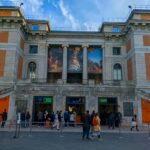
You meet at P.º del Prado, 8, in central Madrid, and the tour ends back at that same meeting point. The visit runs about 1 hour 30 minutes, and it’s designed for groups of no more than 7 people. That small size is a real advantage in a museum like this, where long lines, crowded rooms, and “where do we go next?” confusion can otherwise steal your energy.
This is also the kind of tour that tends to work well when you’re juggling a sightseeing day. The Art Triangle area is walkable and public-transport friendly, so you can pair your museum time with a meal nearby without feeling trapped in transit.
In the reviews, you’ll notice a pattern: guides keep a good pace, answer questions, and explain what you’re looking at in a way that sticks. Names that came up include Miguel, Laura, Ana Cristina Carvajal, Pablo, Ana, and Erea—each described as patient, engaging, and able to turn art history into something you can actually follow while you’re surrounded by paintings.
Stop 1: 13th–20th century art, built as a timeline
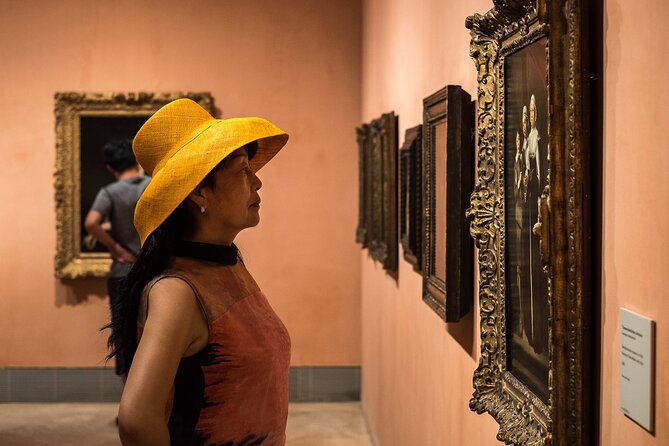
Everything in this tour happens in the museum: one guided visit that spans the collection’s main chapters. Here’s what you can expect your guide to do with that big range.
You’ll start by anchoring the early part of the collection with Italian and Flemish Primitives. This is where the guide’s storytelling matters most. Early European painting can feel “far away” if you only look at it as decoration. With guidance, you start noticing technique, symbolism, and why those artists were such a foundation for later styles.
Next comes the jump toward the Renaissance and major European schools, where the emphasis shifts—composition, realism, and the idea that painting can organize the world in a persuasive way. From there, the tour naturally moves into Impressionism and its neighbors, where light, movement, and color start doing more work. Artists mentioned include Monet, Degas, Van Gogh, and Gauguin, so you get a sense of how many different directions “modern” art could take.
Finally, the guide helps you reach the 20th century, where the museum gets especially fun. The collection includes standout examples tied to Fauvism, Expressionism, Surrealism, Abstraction, and Pop Art—movements that sound like art classes until you see how they change everything about form, mood, and even what the artist chooses to emphasize. If Spain’s modern art matters to you, you’ll also see the significance of works by Picasso and Dalí, which connect this collection directly to Spain’s most famous artistic voices.
A practical note: because time is limited, some tours focus on a set of key works—often about 15–20 paintings—so you’ll leave with a strong framework. You won’t see every masterpiece in every room, but you’ll know what you’re looking at when you wander after your guided portion.
How the guide turns paintings into meaning (not trivia)
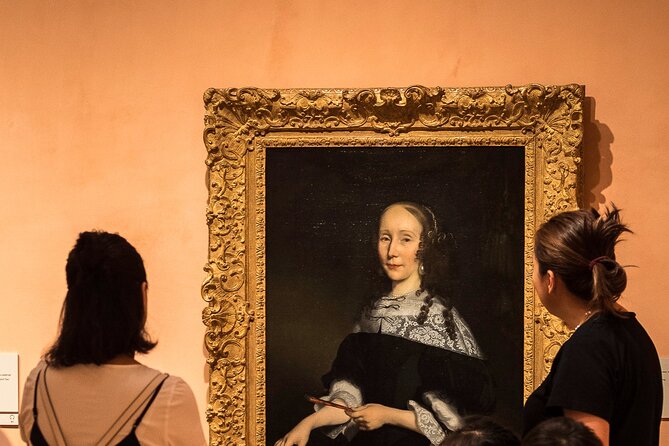
In a museum with hundreds of works, the best guide doesn’t just name-drop. They explain why something matters and what changed.
In these tours, guests highlight that guides provide a timeline from the 12th to the 21st centuries (depending on the work set they’re covering) and make that sequence feel logical rather than overwhelming. Miguel, for example, was praised for patience and for walking through art history in a way that left guests feeling like they had a plan.
Other guides stood out for slightly different strengths:
- Ana Cristina Carvajal was described as giving an overview stretching from early Flemish works to modern masterpieces.
- Laura was credited with combining energetic delivery with solid structure, and one review noted that a 4:00 pm visit felt like the museum belonged to your group more than at busier hours.
- Pablo was praised for spending more time than expected with explanations, and Erea was mentioned for strong command of the topics.
The one theme that keeps repeating: the guide helps you see art movements as a chain of cause-and-effect. When you understand that, a painting’s style stops feeling random. You start recognizing choices—color, brushwork, realism, distortion, symbolism—and you can tell what the artist is responding to.
Radio guides: the quiet way to stay connected
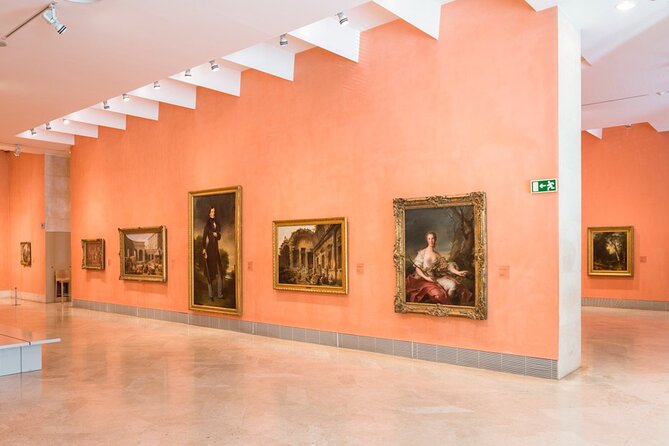
One of the simplest quality upgrades here is that you receive high-quality radio guides during the visit. That matters in museums, where background noise and room layouts can make it hard to hear a guide clearly.
With the radios, you can keep your attention on the paintings instead of hunting for better sight lines. It also helps when the guide asks the group to move quickly between works in different rooms, because you’re less likely to miss the explanation while repositioning.
This isn’t a small detail. When a museum tour is time-boxed to about 90 minutes, sound clarity becomes part of the value. If you’ve ever been stuck in a museum group where half the conversation disappears into distance, you’ll appreciate having reliable audio.
Still, keep expectations realistic: some reviews noted that the pace can feel brisk. If you’re the type who wants to sit with one painting for a long stretch, choose the guide’s focus works wisely and plan to return later on your own if you fall in love with a particular style.
You can also read our reviews of more museum experiences in Madrid



Price and value: is $77.08 a good deal for this museum?
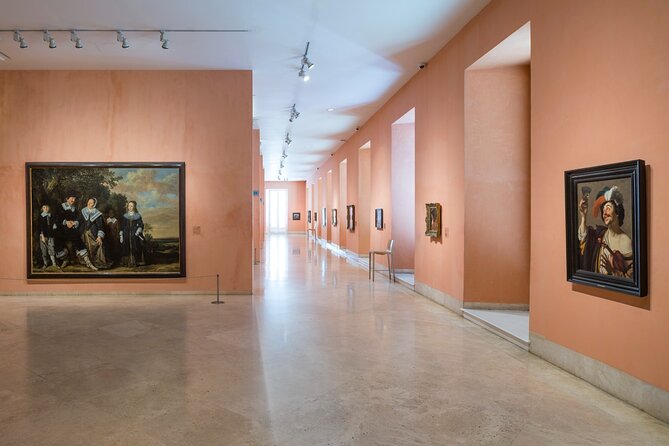
$77.08 per person isn’t cheap, but it’s not just paying for entry. Your ticket is included, and you get an expert guide plus radio audio for inside the museum. For Madrid, that can be a strong value because the Thyssen’s collection is broad—so guided structure saves time and reduces guesswork.
Think of it this way: the museum gives you the art. The tour gives you the map. And when you’re only allocating 1 hour 30 minutes, that map is the difference between seeing a lot of paintings and actually understanding what you’re seeing.
The small-group size (up to 7) adds another value layer. You’re more likely to get your questions answered, and the guide can adapt to what your group is drawn to—something that several reviews praised directly.
If you already know Spanish well and you like planning your own museum visits, you might prefer a solo route. But if you want the best “first visit” experience across centuries—especially in an art triangle day—this price can feel like a smart shortcut to getting oriented.
Should you book this guided visit?
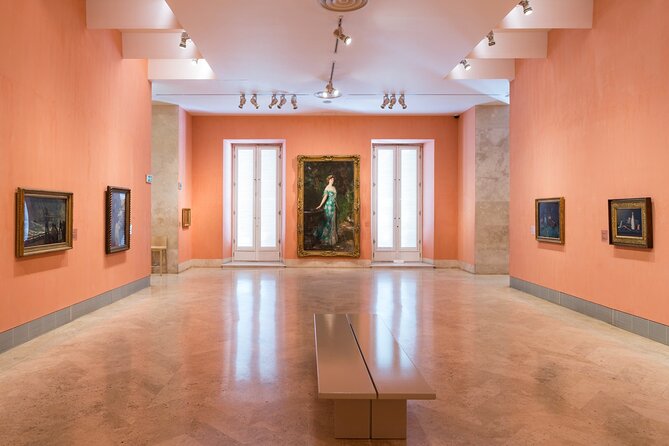
Book it if you want a structured, high-impact first look at the Thyssen-Bornemisza and you’d rather spend your limited time understanding the collection than figuring it out room by room. It’s also a great fit for couples, small friend groups, and anyone who likes museum tours led by people who can explain art movements clearly (Miguel, Laura, Ana Cristina Carvajal, Pablo, Ana, and Erea were all specifically mentioned).
Skip—or at least consider whether you need a slower pace—if you’re the type who needs lots of time alone with each painting. A couple of guests noted the tour can feel a bit rushed near the end, and the museum is large enough that you may want more than 90 minutes total.
FAQ
How long is the guided Thyssen-Bornemisza visit?
It lasts about 1 hour 30 minutes (approx.).
How large are the groups?
This experience is in small groups with a maximum of 7 travelers.
Is the museum admission ticket included?
Yes. Your ticket for Thyssen-Bornemisza Museum is included.
Do I get help hearing the guide inside the museum?
Yes. You’ll have high-quality radio guides during the visit inside the museum.
Where do I meet for the tour?
You meet at P.º del Prado, 8, Centro, 28014 Madrid, Spain, and the tour ends back at the meeting point.
What kinds of art periods does the tour cover?
The visit covers nearly a thousand works from the 13th to the 20th centuries, including movements and artists ranging from early European Primitives through Impressionism and 20th-century avant-garde styles.
Can I cancel for a full refund?
Yes. Free cancellation is available up to 24 hours in advance for a full refund. If you cancel less than 24 hours before the start time, the amount you paid is not refunded.