REVIEW · MADRID
Madrid: Reina Sofía Museum Entrance Ticket
Book on GetYourGuide →Operated by GetYourGuide Tours & Tickets GmbH · Bookable on GetYourGuide
Picasso’s Guernica is waiting. This Reina Sofía Museum entrance ticket is a smart way to see why Madrid’s contemporary art scene starts here, with Guernica at the center and major surrealists close by. I also like that the visit isn’t just about one famous painting; you get time to roam through a big, thought-driven collection.
One thing to keep in mind: the museum can feel hard to navigate, and some parts may be limited on a given day, so you’ll want a simple plan for your must-sees.
If you’re after value, I like the full-day format and the sheer size of what’s on view. With access to 21,000+ works in the main building, you can actually pace yourself instead of rushing from room to room. The possible snag is signage and flow; you might find it confusing at first and want the extra structure an audio guide can add.
In This Review
- Key Points You’ll Care About
- Price and Value: Is $14 a Smart Deal?
- Where to Start at Ronda de Atocha: Nouvel Courtyard Entry
- A Full-Day Ticket Means You Can Actually Think
- Guernica and the 20th-Century Spanish Art Center Stage
- Dalí’s Surrealism: Big Names and Striking Works
- Miró’s Bright Contrast: Primary Colors and Playful Power
- Beyond Paintings: Film, Sound, and Other Media
- Audio Guide Help: Signage Can Be Confusing
- Crowds, Timing, and When to Arrive
- Rules That Affect Your Day (Bags, Pets, Food)
- Who This Works Best For
- Should You Book This Reina Sofía Entrance Ticket?
- FAQ
- How much is the Madrid Reina Sofía Museum entrance ticket?
- What is included with the ticket?
- Is an audio guide included?
- Does the ticket cover temporary exhibitions?
- How long is the ticket valid?
- Where do I meet and enter the museum?
- Is the museum wheelchair accessible?
- What items are not allowed?
- When is the museum closed or free to enter?
- Is the ticket refundable?
Key Points You’ll Care About
- Fast entry when lines are long: your pre-booked ticket helps you get in without getting stuck outside.
- One-day pace that works: plan on a half day to a full day depending on how much you read.
- Guernica is the headline: you’re paying in large part to see Picasso’s masterpiece in person.
- Dalí and Miró are real stops, not side notes: expect surrealism plus that punchy Miró style.
- Media mix, not just paintings: photography, film, sound, and dance show up alongside traditional art.
- Navigation needs a plan: the museum is big, and you may need to prioritize floors and themes.
Price and Value: Is $14 a Smart Deal?
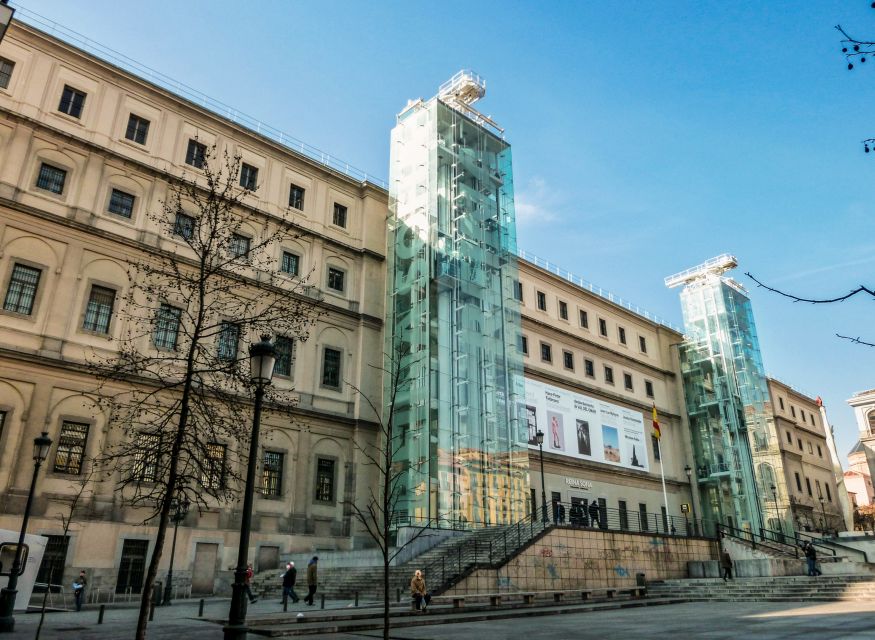
For $14 per person, this ticket is mainly about time and certainty. The Reina Sofía can draw big crowds, especially around midday, and the outside line for entry can be a hassle when you’re on a tight Madrid schedule. A ticket like this helps you arrive and go in with much less waiting.
The value gets even better if you care about more than the one famous painting. Yes, you’re here for Guernica, but the ticket also gives you full-day access to the main building’s large collection (more than 21,000 works). That means your $14 is not just buying one photo moment. You’re buying hours of self-guided wandering where the artwork does the heavy lifting.
Audio is not included. The museum sells an audio guide on-site for €4.50, which is a reasonable add-on if you want extra context and clearer wayfinding. If you’re the kind of visitor who reads wall text slowly and likes your art with some story, that small upgrade often turns a good visit into a more satisfying one.
You can also read our reviews of more tours and experiences in Madrid


Where to Start at Ronda de Atocha: Nouvel Courtyard Entry
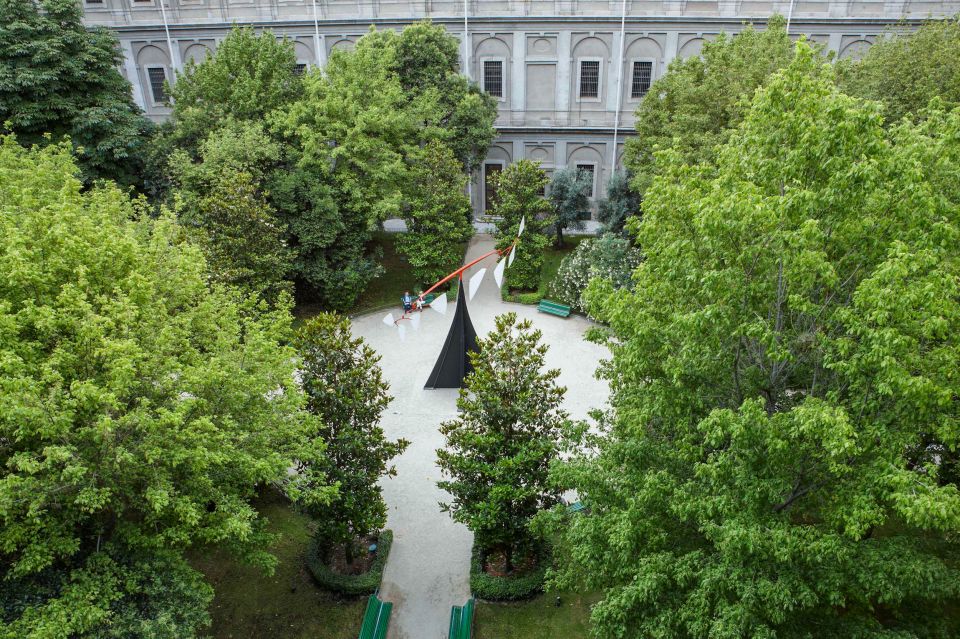
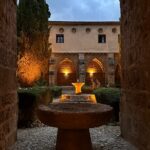
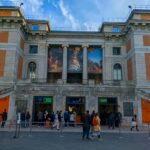
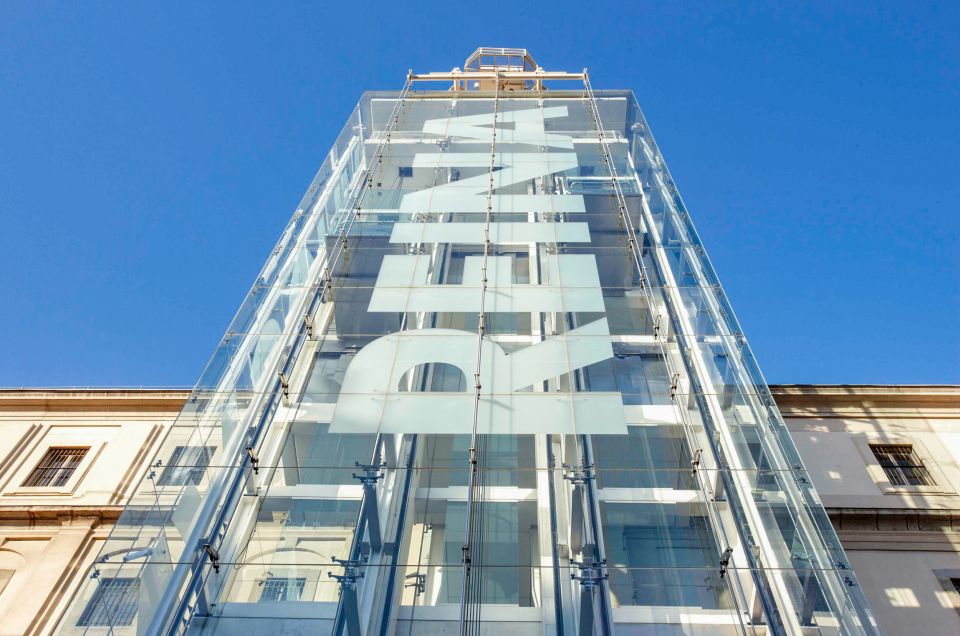
The meeting point is straightforward: you start at the access to the Museum through the Nouvel courtyard, at Ronda de Atocha nº2. This matters because you’ll save minutes that add up when crowds build.
Here’s the practical approach I recommend: arrive with enough buffer to check in, find your bearings, and get inside before you’re fully tired. The museum experience starts the moment you enter, because you’re walking into a large building with multiple floors and art types that don’t always follow the cleanest path for first-timers.
Also, note that the visit ends back at the meeting point area. In practice, this works like a self-guided loop: you explore what you want, and you leave from the same general starting zone.
A Full-Day Ticket Means You Can Actually Think
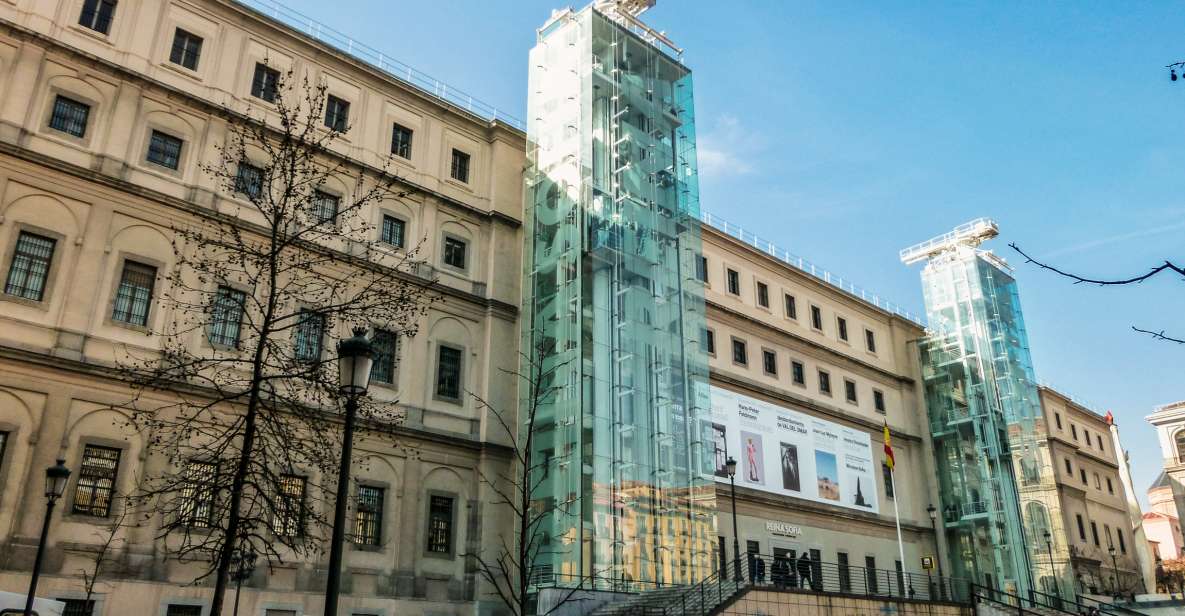
This is a self-guided visit with a full-day ticket. The big promise is access to more than 21,000 works in the main building, so your day is designed for pacing, not sprinting.
One detail worth knowing: temporary exhibitions may involve an hourly schedule, and they aren’t automatically included in the simple “everything is open at once” way. So, if you love a specific temporary show, plan to check what’s running when you arrive.
If you’re wondering how long to set aside, the practical answer is: go longer than you think. The museum is large, and if you read labels (especially in English, if available), you’ll naturally stretch the visit. If your goal is mainly the top hits, half a day can work. If you want the museum’s full texture, set aside more time.
Guernica and the 20th-Century Spanish Art Center Stage
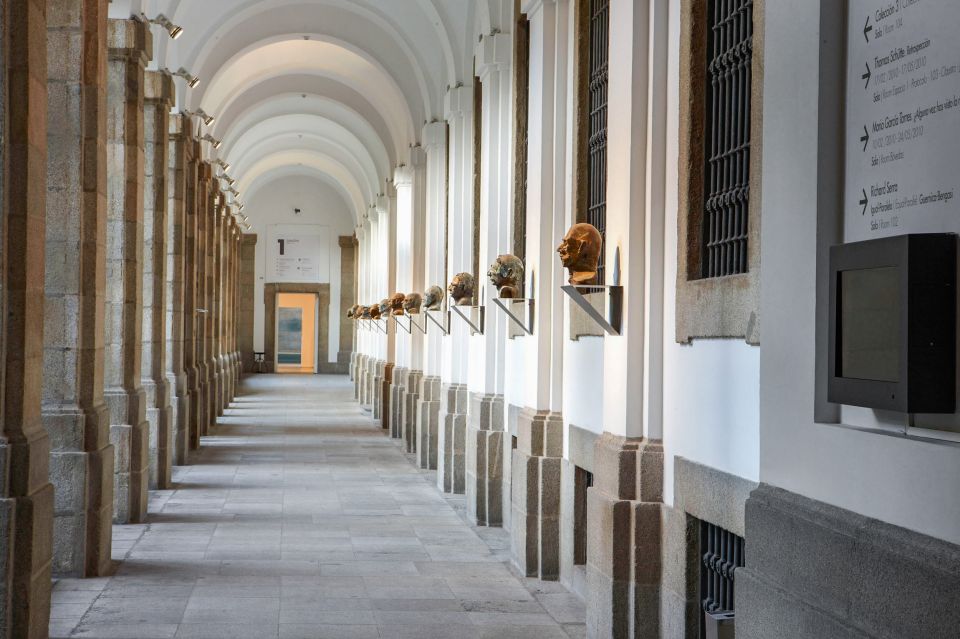
Let’s talk about the reason this museum stays on Madrid “must-do” lists: Picasso’s Guernica. It’s the kind of artwork that changes how you look at everything around it. Even if you know the famous image from books or posters, seeing it in person hits differently because of scale, detail, and the quiet intensity of the room.
Think of Guernica as your anchor. I like arriving with one clear mission: stand in front of it long enough to actually let it register, then use it as a reference point for the rest of the collection.
From there, you’re also in the middle of a bigger story about 20th-century Spanish artists. This is not a museum that tries to force one single lesson. The presentation is multi-narrative, and you’ll notice how art forms and themes can coexist. That’s one of the best parts of this place: you don’t just walk through “styles.” You walk through questions.
Possible drawback: the museum can be tricky to navigate, and on some days not every section is equally open or lively. If you notice a floor that feels thin, don’t waste your energy. Re-center on the main strengths: Guernica and the major modern-name rooms.
Dalí’s Surrealism: Big Names and Striking Works
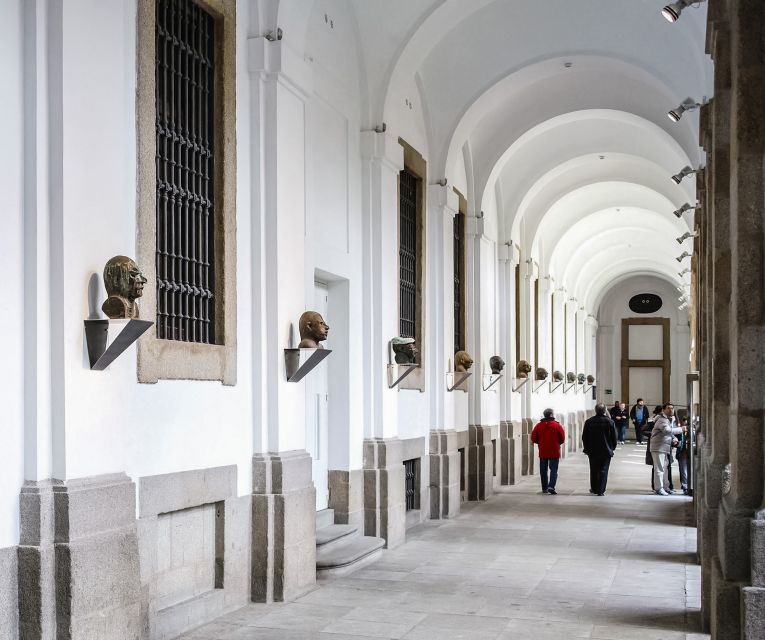
You should expect Dalí here, and not just as a name on a label. The Reina Sofía highlights around 20 canvases by Salvador Dalí, including his surrealist work El gran masturbador.
If you like surrealism, this is where the museum shifts gears. You go from political charge and visual intensity in Picasso to a more dreamlike, strange world in Dalí. It can feel like two different kinds of art thinking, both grounded in the 20th century, both willing to be unsettling.
How to make it enjoyable: don’t treat Dalí as a quick photo stop. Pick a few major works, then slow down. The details matter. Also, once you start seeing the logic of Dalí’s images, you’ll have an easier time reading why certain choices feel so personal and so bizarre at the same time.
You can also read our reviews of more museum experiences in Madrid

Miró’s Bright Contrast: Primary Colors and Playful Power
Joan Miró shows up with a different energy. His works are known for bright primary colors, and that color language acts like a reset button after darker or heavier themes.
Miró is a good “breather” in the museum route. Even when you’re mentally tired from all the strong imagery, his style gives you a different kind of visual release—less about realism, more about shape, rhythm, and movement.
If you’re trying to plan your day without getting lost, I like treating this like a rhythm pattern: anchor painting (Guernica), surreal rupture (Dalí), then a color shift (Miró). You’ll remember the visit better because your brain gets natural transitions.
Beyond Paintings: Film, Sound, and Other Media
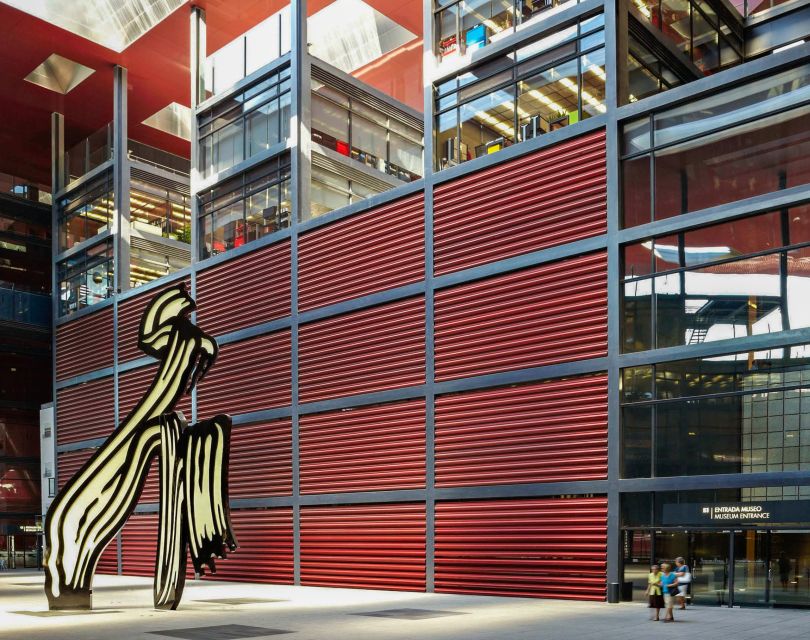
One of the most interesting parts of the Reina Sofía is that it doesn’t limit itself to canvas and sculpture. The museum’s presentation includes photography, film, sound, and dance alongside traditional genres.
That media mix changes how you experience the building. Instead of only walking and reading, you’ll pause for video, listen for sound elements, and notice how different art forms can talk to each other. If you’ve ever felt bored in art museums because everything feels too similar, this feature is a strong reason to come here.
Practical tip: set expectations. Plan at least one longer pause that isn’t just “look at painting, move on.” If you rush through the media installations, you’ll miss the museum’s personality.
Audio Guide Help: Signage Can Be Confusing
An audio guide is not included, but it’s available on-site for €4.50. Based on common on-the-ground experience with large museums, audio can be the difference between a solid visit and a really connected one—especially when signage doesn’t immediately make your route feel obvious.
You may also notice confusing wayfinding. Even when the museum is well laid out, first-time visitors can feel a little lost inside a big multi-floor building. If you start without an audio guide, you can still manage, but you should expect to do a bit more “figure it out” time at the beginning.
If you do get the audio guide, don’t leave it for later. Use it early so you can build momentum and learn the logic of the highlights before your attention starts to scatter.
Crowds, Timing, and When to Arrive
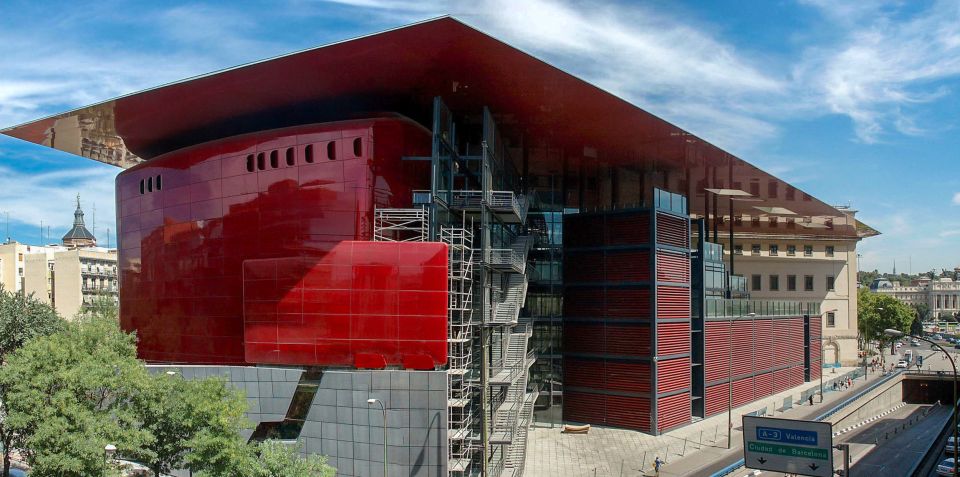
The museum draws heavy interest, and the entry line can get intense. With pre-booked tickets, you should have a much smoother time getting in. Still, your experience will depend on when you arrive.
A good rule: avoid arriving when the museum is at its peak crush. If you’re flexible, go earlier in the day. People tend to show up in greater numbers later, and once crowds form, even the best museum can feel like a traffic problem.
Also watch the museum’s schedule quirks:
- The museum is closed on 1 and 6 January, 1 and 15 May, 9 November, and 24, 25, and 31 December.
- Free entry applies from Monday to Saturday: 7 PM–9 PM; and Sundays and public holidays: 12:30 PM–2:30 PM.
If you’re coming during free windows, you’re still going to face crowds. That’s where pre-booked access can be more comfortable for your time and sanity.
Rules That Affect Your Day (Bags, Pets, Food)
Small rules matter in museums, and the Reina Sofía has clear ones. Here’s what will affect your actual comfort while moving through galleries:
- Pets are not allowed.
- Food and drinks are not allowed.
- No luggage or large bags.
- Bags, purses, or backpacks have recommended dimensions of 40x30x10 cm.
- Only closed folding umbrellas are allowed.
- Assistance dogs are allowed (emotional support dogs with proper justification).
If you’re planning day trips around Madrid, pack like you’re going to a museum marathon: carry less, keep it easy, and expect security checks at the entry.
One more practical note: toilet access can feel limited at busy times. Don’t wait until you’re desperate mid-gallery. Take breaks early, especially if you’re traveling with kids or you need regular pauses.
Who This Works Best For
This ticket fits best if you:
- Want to see the major names in modern art—Picasso, Dalí, and Miró—without adding a complicated tour schedule.
- Prefer a self-guided format where you can spend extra time in the rooms that pull you in.
- Are spending just one day in Madrid and want the best payoff per hour.
It’s also a strong choice if you’re the kind of visitor who likes art history, but not as a lecture. The museum encourages multiple ways of reading what you see. That makes it good for curious travelers who don’t need everything simplified.
If you hate big crowds and don’t like wandering, you might find this place challenging on a busy day. In that case, time your visit carefully and consider adding the audio guide for structure.
Should You Book This Reina Sofía Entrance Ticket?
Yes, I’d book this if you want a high-value, low-stress entry plan to one of Madrid’s key modern-art stops. For $14, the ticket is mainly paying for smoother access plus the freedom to roam through a huge collection. If your priority is Guernica and you’re limited on time, this is one of the cleanest ways to make that happen.
Skip the extra stress by doing two things: arrive with a simple route in mind (Guernica first), and give yourself enough time to get past the initial navigation learning curve. If you do that, the museum’s mix of 20th-century Spanish art and major surrealist hits becomes much more than a quick checklist.
FAQ
How much is the Madrid Reina Sofía Museum entrance ticket?
The price listed is $14 per person, with a booking and handling fee included.
What is included with the ticket?
Your purchase includes an entrance ticket to the Reina Sofía Museum and the booking and handling fee.
Is an audio guide included?
No. An audio guide is not included, but you can purchase one inside the museum for €4.50.
Does the ticket cover temporary exhibitions?
Temporary exhibitions that require an hourly schedule are not included with this ticket.
How long is the ticket valid?
The ticket is valid for 1 day. Starting times depend on availability.
Where do I meet and enter the museum?
You start at the access to the museum through the Nouvel courtyard, at Ronda de Atocha nº2.
Is the museum wheelchair accessible?
Yes, the activity is wheelchair accessible.
What items are not allowed?
Pets are not allowed. Food and drinks are not allowed. Luggage or large bags are not allowed. There are also limits on bag size (recommended up to 40x30x10 cm) and only closed folding umbrellas are allowed.
When is the museum closed or free to enter?
The museum is closed on 1 and 6 January, 1 and 15 May, 9 November, and 24, 25, and 31 December. It is free from Monday to Saturday 7 PM–9 PM, and Sundays and public holidays 12:30 PM–2:30 PM.
Is the ticket refundable?
No. The activity is non-refundable.