REVIEW · MADRID
KAIACAO Bean to Bar and Design your own chocolate experience
Book on GetYourGuide →Operated by KAICAO Fabrica de Chocolate SL · Bookable on GetYourGuide
You’ll sort cacao beans in Madrid. KAICAO turns a trip to the center of the city into a hands-on bean-to-bar lesson, with dates as the sweetener. I really like two things here: you’ll create your own 75% dark chocolate bar with toppings, and you’ll finish with lots of tasting plus a ceremonial cacao drink. One possible drawback: the chocolate is high-percentage and best for older teens and adults, not young kids.
The whole experience is in English and runs in a small group (up to 7 people). You also get a clear look at how cacao becomes chocolate, from sorting and roasting to making finished products in their lab. If you want a very kid-friendly activity or very sweet candy-style chocolate, this probably won’t be your vibe.
In This Review
- Key things to know before you go
- KAICAO’s Madrid chocolate LAB: what bean-to-bar really means
- 90 minutes of chocolate making: from beans to finished bars
- Designing your 75% dark chocolate bar (and taking it home)
- Chocolate tasting that actually shows the range
- Price and value for Madrid chocolate: why $53 can make sense
- Who KAICAO is for (and who should skip it)
- Practical tips to make the most of your workshop
- FAQ
- How long is the KAICAO bean-to-bar experience?
- Where do I meet for the tour?
- Is the tour in English?
- Is it good for kids?
- What chocolate do you design?
- Can you take your chocolate home?
- What sweetener do they use?
- What’s included besides chocolate?
- Is the venue wheelchair accessible?
- Should you book KAICAO in Madrid?
Key things to know before you go
- Small-group format (max 7): more time with the guide and less standing around.
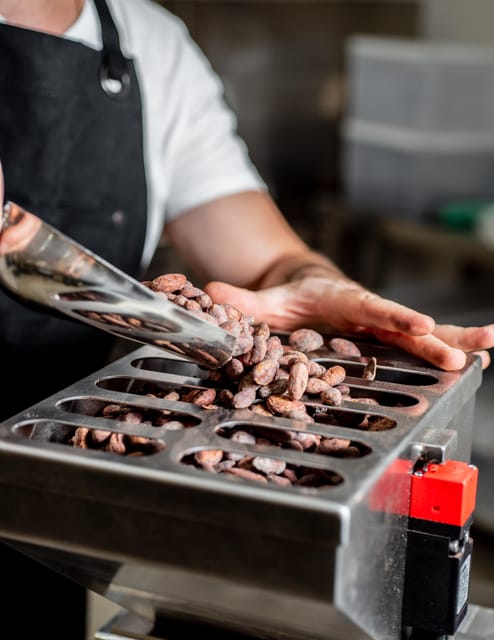
- Bean-to-bar process shown step-by-step: you’ll see sorting, roasting, and winnowing.
- Your own 75% dark bar to take home: build it with toppings and keep it after.
- Dates instead of sugar: sweetened with dates across their products.
- Tasting in the lab, then ceremonial cacao: you’ll sample their lineup before you leave.
- English tour: confirm you’re comfortable with English for the full experience.
KAICAO’s Madrid chocolate LAB: what bean-to-bar really means
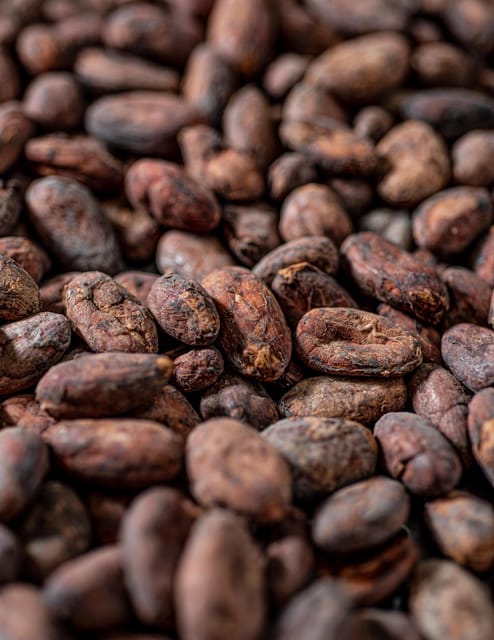
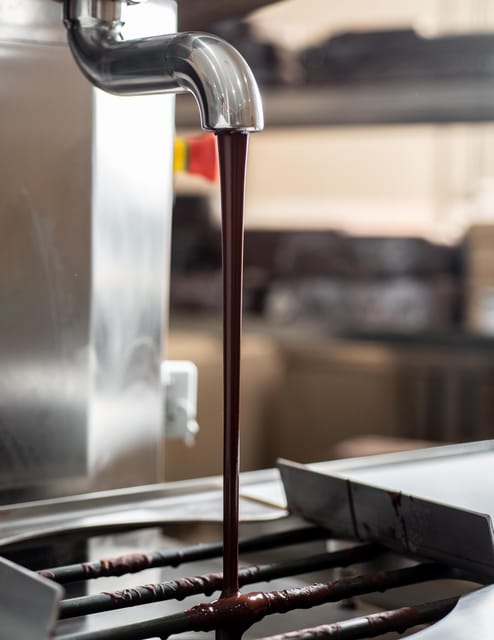
Madrid has plenty of chocolate shops, but KAICAO is different. This is a true bean-to-bar factory-style experience in the heart of the city, focused on how cacao beans become finished chocolate. You’re not just watching a slideshow. You’ll follow the process from raw beans to the chocolate products you taste.
What I like most is that the workshop doesn’t treat chocolate like magic. It treats it like ingredients and steps. You’ll talk about cacao farms and then move through the bean preparation stages, including sorting, roasting, and winnowing. Even if you’ve visited chocolate places before, you’ll probably leave with a clearer mental picture of what changes inside the bean and why.
And then there’s their choice to sweeten with dates and to use fine aroma cacao. That combination shapes everything: the flavor stays deep, and the sweetness is more about fruit and richness than candy sweetness. If you like chocolate that tastes like cacao first and dessert second, you’ll feel at home here.
You can also read our reviews of more drinking tours in Madrid



90 minutes of chocolate making: from beans to finished bars
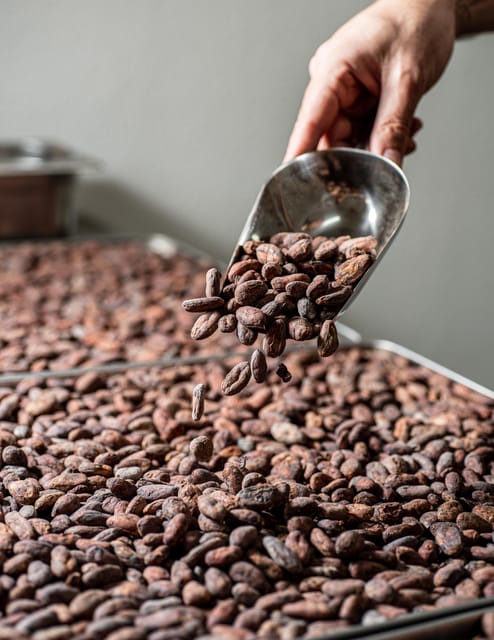
The experience runs about 1.5 hours, and it has a logical flow. You start with a guided visit inside their cacao LAB, then you move through the chocolate-making process.
First, you’ll get an introduction to the bean-to-bar industry and what it means to process cacao yourself, not just buy chocolate and resell it. You’ll also visit around the lab where they explain how their cacao turns into chocolate products. This is the part that helps you understand why bean selection and processing matter for flavor.
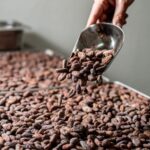
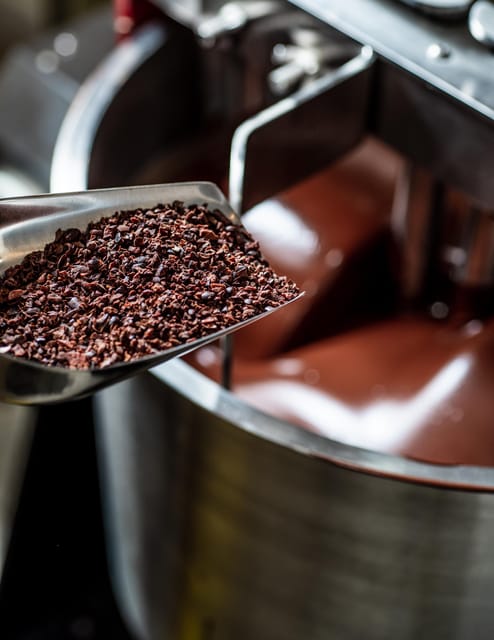
Next comes the hands-on processing stage: sorting the beans, roasting, and winnowing. Those sound like technical words, but they’re the core steps that affect aroma and texture. Sorting gets rid of what doesn’t belong. Roasting develops flavor. Winnowing removes the outer husk so you’re left with cacao nibs, ready for the next stages.
The experience also includes a farm-side context. You’ll learn about the cacao process in the farms before walking through the bean-to-bar steps. That matters because cacao doesn’t start in a lab. It starts with the crop, the growing, and the way the beans are handled before they ever reach a maker like KAICAO.
Designing your 75% dark chocolate bar (and taking it home)
Here’s the part that turns a factory tour into a souvenir you actually made. You get to design your own chocolate bar built around a 75% dark base. That percentage is a big clue about the style of their chocolate: it’s meant to taste like cacao, not like sweet milk chocolate.
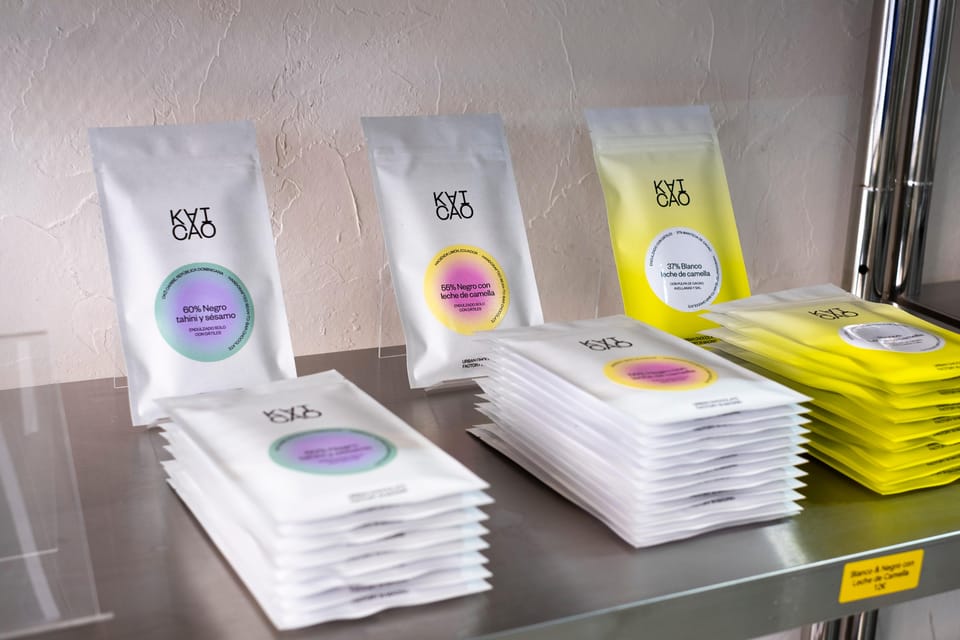
You’ll choose from a variety of toppings, then take your finished bar home with you. The toppings let you personalize the flavor while the cacao percentage keeps the whole experience grounded. In practical terms, it’s the one moment where you shift from learning mode to do-your-own thing mode.
If you’re curious about flavor combinations, this is where you can experiment a little. If you’re hoping for something very mild and sweet, you may feel the cocoa bite in the 75% base. But dates sweeten their products, so the sweetness is never absent—it’s just not the sugary kind.
Chocolate tasting that actually shows the range
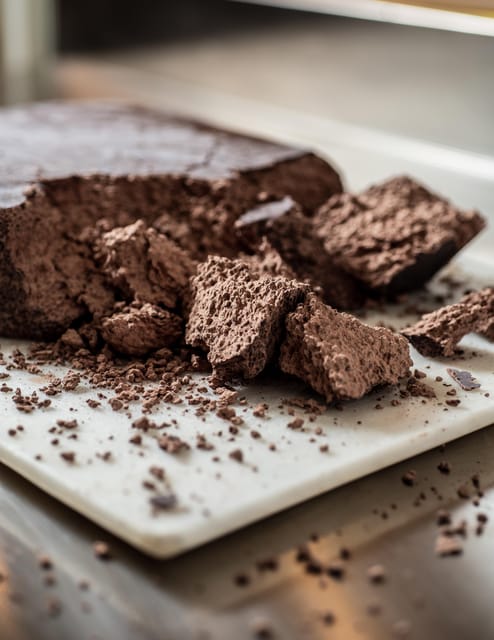
At the end, you’ll taste the products made in their lab. The tasting is tied directly to what you just learned, so it doesn’t feel like an afterthought. You’ll sample what they make using fine aroma cacao and dates for sweetness.
Then, you’ll get a glass of their ceremonial cacao drink. This is less about dessert and more about experiencing cacao in a more traditional, drinkable form. It’s also a nice way to reset your palate after you’ve been tasting chocolate.
One practical tip: go in with an open mind about dark chocolate. Even if you normally prefer sweet chocolate, dates-sweetened 75% is a different animal. Think deep, aromatic, and fruit-tinged rather than candy-sweet. If you like that style, the tasting portion feels like the payoff of the tour.
Price and value for Madrid chocolate: why $53 can make sense
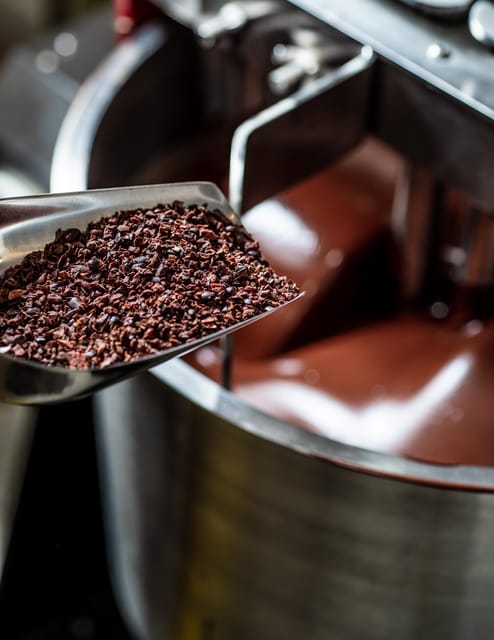
At $53 per person, this is not a “quick stop” activity. You’re paying for three things: time with a real small-group guide, access to a working lab-style process, and the ability to create a take-home bar.
Is it good value? For me, it leans toward yes—because you’re not only touring. You’re actively involved in designing your bar and you’re sampling multiple products. Tours that only show rooms and sell you chocolate afterward can feel thin. This one feeds you learning, tasting, and a tangible result you can pack and bring home.
Also, the duration is short enough that it can fit into a day of sightseeing, without eating your whole afternoon. If you’re staying in central Madrid and you want a focused chocolate experience rather than a long class, 90 minutes is a smart length.
You can also read our reviews of more tours and experiences in Madrid


Who KAICAO is for (and who should skip it)
This experience is not recommended for kids under age 15. At the same time, it’s also stated as not suitable for children under 8. Taken together, the clear message is that KAICAO is aimed at older kids, teens, and adults.
So, who will enjoy it?
- Adults and older teens who like chocolate more than candy.
- People who enjoy food science basics: beans, roasting, aroma, and process.
- Travelers who like small-group workshops rather than big factory bus tours.
Who should consider skipping?
- Parents looking for a very kid-friendly activity with mild flavors.
- Anyone who dislikes high-percentage dark chocolate. The tour is built around 75% dark and cacao-forward products.
One more note: it’s in English. If you’re not fully comfortable, you’ll miss part of the guided explanation.
Practical tips to make the most of your workshop
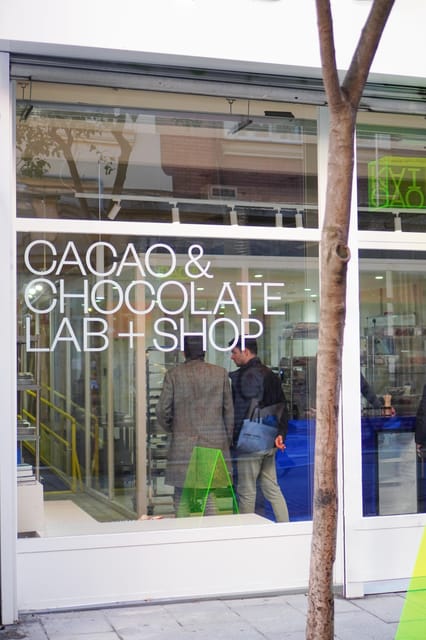
- Arrive a few minutes early. The meeting point is their cacao LAB with a white facade and a KAICAO sign. Easy to miss if you stroll in late.
- Wear comfortable shoes. You’ll walk through the lab area and move around during the process discussion.
- Plan for strong flavors. The focus is fine aroma cacao and dates, and the chocolate is high-percentage. It’s healthier-leaning than typical sweets, but it still tastes intense.
- Come with questions. Since the group is capped at 7, you’ll get more chances to ask about how bean-to-bar differs from buying chocolate already made.
- Use the take-home bar strategically. If you’re touring another neighborhood right after, keep it somewhere safe so toppings don’t get crushed.
FAQ
How long is the KAICAO bean-to-bar experience?
It lasts about 1.5 hours, with around 60 minutes in the bean-to-bar factory/lab portion.
Where do I meet for the tour?
Meet at the cacao LAB. Look for the KAICAO sign and the white facade.
Is the tour in English?
Yes. The tour is explicitly in English.
Is it good for kids?
It’s not recommended for children under 15, and it is not suitable for children under 8.
What chocolate do you design?
You design a 75% dark chocolate bar with a variety of toppings.
Can you take your chocolate home?
Yes. You take your designed bar home with you.
What sweetener do they use?
They sweeten their products with dates.
What’s included besides chocolate?
You’ll have a welcoming ceremonial cacao drink and a chocolate tasting.
Is the venue wheelchair accessible?
Yes, it is stated as wheelchair accessible.
Should you book KAICAO in Madrid?
Book it if you want a real bean-to-bar experience in central Madrid that mixes process, tasting, and a take-home bar. The small group size and the focus on cacao-forward flavors make it a strong choice for adults and older teens.
Skip it if you’re traveling with small kids, or if you’re expecting mild, sweet, kid-style chocolate. In KAICAO, the whole point is cacao taste first, dates sweetness second, and learning in between.