REVIEW · MADRID
Madrid, Andalusia with Cordoba, Costa del Sol & Toledo 9-Day Tour
Book on Viator →Operated by Julia Travel S.L · Bookable on Viator
This route stitches Spain’s icons together fast. You’ll move between UNESCO cities by comfortable coach, with guided walks where the streets actually explain the history (not just point it out). It’s a classic Madrid-to-Andalusia arc, then it swings over to Toledo for that unmistakable Christian–Moorish–Jewish blend.
I love the way the tour builds around the two big-ticket monuments: the Mosque-Cathedral of Cordoba and Granada’s Alhambra + Generalife. I also like the structure that gives you breathing room—free time in places like Madrid, Seville, Ronda, and the Costa del Sol—so you’re not glued to a schedule all day.
The main tradeoff is pacing. Some full-day sightseeing segments can feel tight, so you’ll want to be flexible (and ready to move).
In This Review
- Key moments that shape the trip
- Madrid: The Fast Start With a Real Historic Center
- Toledo’s UNESCO Blend: Cathedral Over Centuries of Coexistence
- Mérida to Cordoba: The Roman Detour That’s Worth It
- Cordoba’s Mosque-Cathedral: The Detail You Don’t Want to Miss
- Seville: Cathedral Power and the Santa Cruz-to-Plaza Flow
- Ronda and Costa del Sol: Views, Then a Beach-Town Reality Check
- Granada: Alhambra Tickets, Generalife Gardens, and Optional Night Shows
- Back to Madrid: One Last Chance to Reframe the Trip
- The Value Equation: What You Pay For vs. What You’ll Still Plan
- Who This Tour Fits Best (and Who Might Want a Different Pace)
- A final practical heads-up before you book
- Should You Book This Madrid–Andalusia–Toledo Tour?
- FAQ
- How long is the tour?
- Where does the tour start, and is airport pickup included?
- What time is the meeting at the airport?
- What language is the tour offered in?
- Are entrance tickets included?
- Are meals included?
- Is there free time to explore on your own?
- Are optional shows available?
- What is the maximum group size?
- What is the luggage limit?
- If Alhambra tickets are unavailable for my dates, what happens?
- What happens if the Madrid panoramic tour can’t operate by bus?
Key moments that shape the trip
- Cordoba’s Mosque-Cathedral visit includes time to stroll the surrounding Jewish Quarter streets.
- Alhambra + Generalife tickets are included, so you’re not scrambling to score entry.
- Toledo’s Cathedral is explained in the context of earlier Arab roots, and the art inside is highlighted (including El Greco).
- Madrid’s panoramic day can be swapped for a Hop-on Hop-off option or a walking alternative if the bus plan can’t run.
- Seville’s Santa Cruz + Maria Luisa Gardens + Plaza de España are bundled into one efficient day.
- Small-group feel: the tour caps at 40 people, which helps keep logistics smoother.
Madrid: The Fast Start With a Real Historic Center
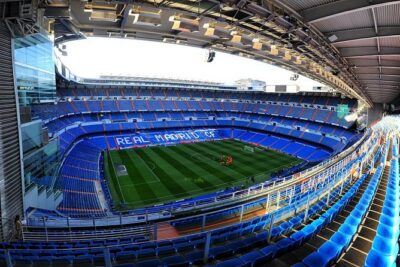
Madrid is the kind of city where it helps to get your bearings early. On your first full sightseeing day, you’ll do a walking circuit through the historic center, with stops that make the city make sense—think Plaza Mayor, Puerta del Sol, and Plaza de la Villa. Then you’ll switch gears to a panoramic bus loop that frames the big landmarks from the outside.
This combo matters. Walking gets you street-level rhythm. The bus loop helps you understand how Madrid’s neighborhoods connect—especially around Royal Palace viewpoints, Gran Vía, and the classic postcard sites like Puerta de Alcalá.
You’ll also get an important practical element: the schedule includes a planned return point near Plaza de Oriente, right in front of the Royal Palace. That puts you close to the best “walk off the day” options once group time ends.
And if you’re wondering about guides: names like Carlos and Carmen (from past groups) show up in how people describe the experience—friendly, organized, and helpful when something doesn’t go as planned.
You can also read our reviews of more tours and experiences in Madrid.


Toledo’s UNESCO Blend: Cathedral Over Centuries of Coexistence
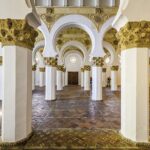
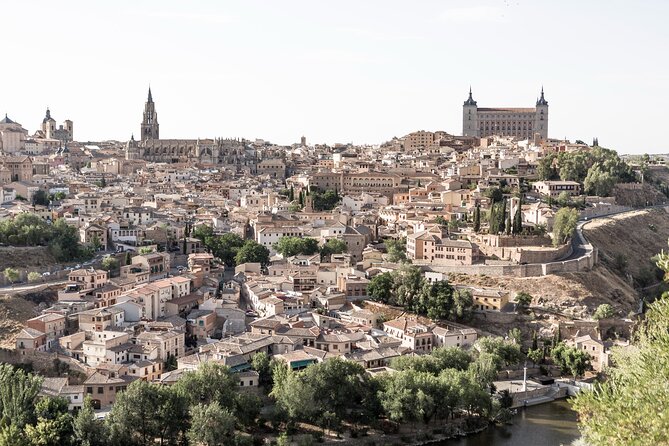
Toledo is one of Spain’s most memorable “time-layer” cities. Your guided walk focuses on how Christian, Moorish, and Jewish cultures shaped the architecture and streets you see today. It’s not just a history lecture. It’s built into the route: cobbled lanes, viewpoint moments, and then the big arrival at the cathedral.
The Cathedral of Toledo is the star, and the tour frames it in a specific way: construction began on the remains of an Arab mosque. That detail changes how you look at the whole building, because the “wow” isn’t only Gothic—it’s also a story of what came before.
Inside, you’ll also spend time in the sacristy and see artworks tied to Toledo’s former museum tradition. El Greco is specifically called out. If you love art that feels dramatic and a little theatrical, this is one of the best places in the region to match that mood.
One thing to plan for: Toledo’s visit can feel efficient to the point of being rushed. If you like lingering over side streets and small details, keep your expectations realistic and save extra time for self-guided wandering during the free-time window.
Mérida to Cordoba: The Roman Detour That’s Worth It
Before Andalusia fully kicks in, the tour sends you west to Mérida. This is a smart pivot day because Mérida breaks the pattern of “only medieval.” It’s a World Heritage site tied to the Roman world, with well-preserved ruins that include an amphitheater, theater, Roman bridge, and other major remains.
Even if you don’t think of yourself as a Roman-ruins person, Mérida helps you reset your eyes. You go from Moorish-era architecture in your imagination to a different scale of stone, engineering, and public space. It also keeps the overall trip from feeling like one long repeat of the same type of sightseeing.
Then you roll on to Cordoba, once the capital of the Caliphate. The city’s evening arrival matters too: Cordoba is easier to enjoy when you’re not only focused on the next scheduled entry ticket.
Cordoba’s Mosque-Cathedral: The Detail You Don’t Want to Miss
Cordoba’s Mosque-Cathedral is the heart of the city. Your guided portion focuses on the building that transformed over time—strolling through a space that today is a cathedral but still shows the unmistakable imprint of its earlier design.
The tour also pairs it with a walk through narrow winding streets in the Jewish Quarter area. That’s a big deal because the Mosque-Cathedral is only one part of the experience. The lanes around it are where you feel how the city’s layers overlap.
This is one of the best values in the whole itinerary because the ticketed experience is included. You’re not paying extra to access the core monument, and you’re not left to navigate the building alone while trying to figure out what matters.
If you’re the type who likes to understand what you’re looking at—why arches matter, why proportions feel the way they do—this guided component is where that payoff happens.
Seville: Cathedral Power and the Santa Cruz-to-Plaza Flow

Seville is where the trip starts to feel Andalusia-cinematic. In the morning, you’ll get a monumental panoramic and guided city tour, including entry to Seville’s Cathedral—the second largest in the Catholic world after St. Peter’s in Rome.
Then the route swings into neighborhoods that shape how Seville feels. The Santa Cruz Quarter is included, plus Maria Luisa Park and Plaza de España. These are not random add-ons. They’re the spaces that teach you how Sevillians pace their days: shaded promenades, open plazas, and viewpoints that make the city feel larger than it is.
Afternoons are structured as free time, which is ideal here. Seville’s best moments often happen when you’re not trying to keep up with a group. Let yourself drift for a few hours—cafés, small streets, and side views.
Optional nights are part of the deal as well. Flamenco add-ons are offered in Seville, and you can plan one night where you stop thinking about tickets and just enjoy the show.
One practical note: Seville hotels can be a mixed bag for location convenience. If you care about walking everywhere, ask yourself how much you’ll actually use the hotel as a base versus as a sleep stop.


Ronda and Costa del Sol: Views, Then a Beach-Town Reality Check
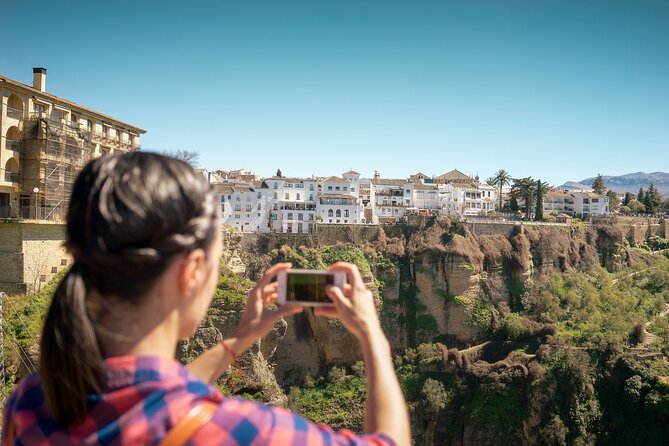
Ronda is the palate cleanser that also proves Spain isn’t only cities. After leaving Seville, the tour drives south and reaches Ronda for a leisure block. You’ll get time to admire the valley views and mountain range from viewpoints the town is famous for.
Ronda also gives you a different kind of “old Spain” flavor. It’s described as having Celtic origins, which is a quick reminder that Iberian history has more chapters than people usually remember.
Then you head to the Costa del Sol, a modern international tourist corridor. This is where expectations matter most. You’re not going there for old-town immersion. You’re there for sun-time energy and downtime, with afternoons left open.
A couple of past concerns that are worth taking seriously: Costa del Sol can feel like lots of high-rise tourism rather than cultural discovery. If you’re the kind of traveler who wants new neighborhoods and local life, you may treat this as a rest segment rather than your “must-see” day.
Still, it’s useful in a trip like this because it prevents burnout. After Cordoba, Seville, and Granada, you’ll likely appreciate a slower pace—even if the coast isn’t your top priority.
Granada: Alhambra Tickets, Generalife Gardens, and Optional Night Shows

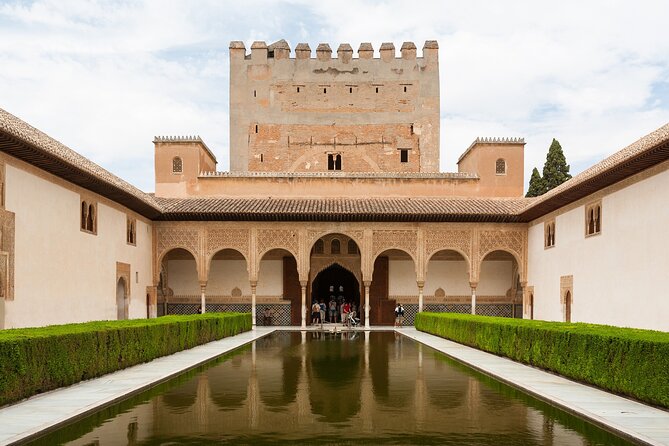
Granada is the part of the tour most people remember. You travel in the morning toward the last stronghold of the Moorish kingdoms until 1492. Then the focus lands on the Alhambra complex and the Generalife Gardens.
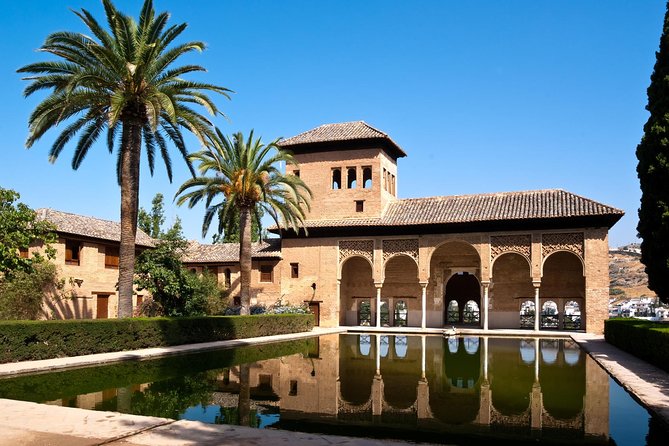
This is where the included ticket really earns its keep. The Alhambra isn’t just an attraction; it’s a whole experience of geometry, water, and courtyard-scale drama. Generalife Gardens add a softer rhythm—the kind of gardens that make you stop rushing and start noticing details.
In evening time, the tour also offers optional night experiences, including flamenco-style shows in the area. The broader trip highlights also mention a gypsy night tour in Granada, so depending on your exact dates, you may have different evening add-on options. Either way, this is your chance to add one “night in Spain” moment without planning it from scratch.
One caution from real-world friction points: Granada hotel location can affect how pleasant your downtime feels. If you’d rather walk out your door into the center, check your expectations and plan to use guided time efficiently.
Back to Madrid: One Last Chance to Reframe the Trip
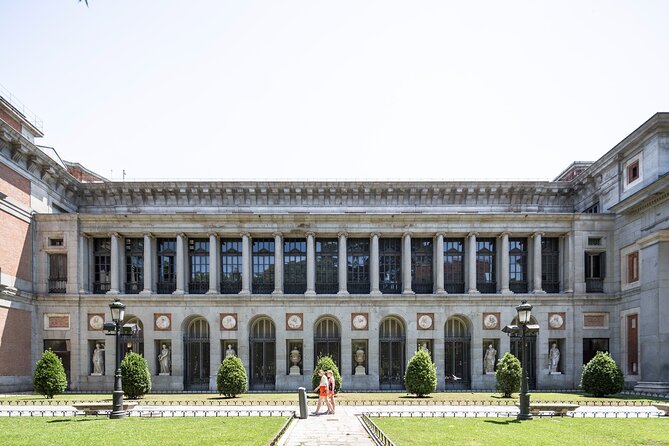
After Granada, the tour heads back north to Madrid and gives you a final full-day base. This is not another nonstop sightseeing day. It’s designed for you to re-approach the city with fresh eyes after seeing Andalusia’s architecture and light.
If you want to revisit anything you missed—especially food streets and smaller museums—this is the best slot. Madrid changes after you’ve spent days looking at Moorish-to-Gothic-to-Byzantine-feeling transitions across Spain.
It’s also a nice buffer before departure. When your last night in Spain is in Madrid, you’re not fighting for time at the end of a long route.
The Value Equation: What You Pay For vs. What You’ll Still Plan
This tour costs $1,998.83 per person for roughly nine days. That sounds steep until you break down what’s actually included.
You get:
- Seven nights of accommodations
- Transport by air-conditioned deluxe motor coach (plus airport transfers)
- A tour director throughout
- Breakfast included (8 breakfasts)
- Entrance tickets to Cordoba’s Mosque-Cathedral, Seville Cathedral, and Granada’s Alhambra
- Travel insurance
- Guided tours in Madrid, Cordoba, Seville, Granada, and Toledo
That inclusion list is the backbone of the price. Alhambra access alone is the kind of ticket that can derail a trip if you’re doing it independently. By bundling it, the tour reduces stress and risk.
What you’ll still pay for:
- Lunch and dinners (not included unless specifically noted for a given hotel)
- Optional extras like flamenco or night shows
- Snacks, drinks, and personal spending
Also, carry-light helps. You’re limited to a maximum of one suitcase. If you’re the type who packs like it’s winter in the desert, you’ll feel it.
Finally, language is English. That’s clearly stated, and it matters for how smooth things feel during guided time. Still, the pacing and bus logistics can be more noticeable when you’re bouncing between languages in mixed groups—so keep your patience switched on.
Who This Tour Fits Best (and Who Might Want a Different Pace)
This tour fits you if:
- You want the “greatest hits” of Spain’s history without building the logistics yourself
- You care about getting into major monuments like Cordoba’s Mosque-Cathedral and the Alhambra
- You like guided context, then prefer to wander on your own during free time
- You’re okay with a coach schedule and moving between multiple cities in a short span
It may not fit you as well if:
- You want deep, slow museum time in every city
- You dislike bus travel and tight timing windows
- You’re very sensitive to hotel location and room comfort (A/C and heat can be a real issue in Spain depending on how systems are controlled)
If you’re in the middle—curious but not obsessive about having hours and hours in every stop—this is a solid way to see a lot of Spain with minimal stress.
A final practical heads-up before you book
If the Madrid panoramic bus plan can’t operate due to technical reasons, it’s replaced with a Hop-on Hop-off bus for a day or a walking alternative in the Hapsburg Quarter. That replacement can affect how convenient it is depending on where your hotel is and how far you need to walk.
Should You Book This Madrid–Andalusia–Toledo Tour?
Yes, if you want a structured route that gets you into the big monuments with less hassle. The best reasons to book are the included entrances, the guided city context, and the smart free-time blocks that let you taste Spain instead of only viewing it.
Hold off or book with your eyes open if you prefer slow travel and lots of unstructured time in one place. This is a “see a lot, then decompress” style trip. Pack light, be flexible with pacing, and plan at least one optional evening show so Spain ends with a memory you chose.
If that sounds like your style, you’ll likely enjoy how the trip moves you from Madrid’s heart to Cordoba’s silhouette, then into Seville’s stone and Granada’s impossible walls, with Toledo closing the story in the most poetic way possible.
FAQ
How long is the tour?
It runs for 9 days (approximately).
Where does the tour start, and is airport pickup included?
It starts at Adolfo Suárez Madrid-Barajas Airport, with meet and greet and airport transfer included.
What time is the meeting at the airport?
The start time listed is 8:00 am.
What language is the tour offered in?
The tour is offered in English.
Are entrance tickets included?
Yes. Entrance tickets are included for the Mosque of Cordoba, Seville Cathedral, and the Alhambra in Granada.
Are meals included?
Breakfast is included (8 breakfasts). Food and drinks are otherwise not included unless specified.
Is there free time to explore on your own?
Yes. Free time is scheduled in Madrid, Seville, Ronda, and Costa del Sol.
Are optional shows available?
Yes. Optional flamenco and a gypsy night style experience in Granada are offered, depending on availability for your dates.
What is the maximum group size?
The tour has a maximum of 40 travelers.
What is the luggage limit?
You can bring a maximum of 1 suitcase per traveler.
If Alhambra tickets are unavailable for my dates, what happens?
If Alhambra and Generalife tickets can’t be secured for certain dates, alternative compensation is offered at the operator’s discretion.
What happens if the Madrid panoramic tour can’t operate by bus?
If the panoramic tour can’t run due to technical reasons, it’s replaced with the Madrid Hop-on Hop-off bus for one day or a walking tour in the Hapsburg Quarter.