REVIEW · MADRID
Madrid Countryside Wineries Guided Tour with Wine Tasting
Book on Viator →Operated by Gourmet Madrid · Bookable on Viator
Madrid wine does not stay inside the city. This guided countryside day trip brings you into Vinos de Madrid for tastings at three wineries, with 10+ pours and snacks along the way. I like that it stays close to Madrid while still feeling like you’ve traveled back centuries in production methods. I also really appreciate that the tasting includes hands-on context from the people running the wineries, not just a quick pour and a brochure. One thing to weigh: the day is schedule-driven and starts promptly, so you need a solid breakfast and a punctual start at Plaza del Conde de Casal.
You’ll ride in an air-conditioned van, visit wineries scattered around vineyard country, and get guided talk in English (with Spanish backup when needed). Cellars can be cold, and you’ll spend time hopping between stops, so comfy layers matter. Still, for a single day with transport included, multiple wineries, and plenty of tasting, the overall experience is good value.
In This Review
- Key takeaways before you go
- Getting Out of Madrid: Why this countryside day trip feels special
- Meeting point and the 9:30 a.m. reality check at Plaza del Conde de Casal
- The Vinos de Madrid backdrop: what you’re actually tasting
- Stop 1 (Madrid): the quick start that sets the tone
- Stop 2: Señorio de Val Azul and its organic-boutique approach
- Stop 3: Bodega del Nero and the story of the river vegas
- Stop 4: Bodegas Jesús Díaz e Hijos in Colmenar de Oreja
- Stop 5 (back in Madrid): wrapping up and what to do next
- What you’ll taste: 10+ wines, plus local snacks that act like a lunch
- The guide makes the difference: Ismael, Antonio, Enrique, Muna
- Pace, group size, and the van/bus comfort factor
- Price and value: is $175.35 worth it?
- Who should book this tour (and who might not)
- Should you book this tour?
- FAQ
- FAQ
- How long is the Madrid countryside wineries tour?
- What time does the tour start?
- How many wineries do you visit?
- What’s included in the price?
- Is lunch included?
- What are the age limits?
- Where do you meet in Madrid?
- Is the tour in English?
Key takeaways before you go
- Three winery stops inside the Vinos de Madrid DO (the region’s quality label you’ll see on bottles)
- More than 10 wines tasted, commonly including tempranillo reds and malvar whites
- Small-group feel with a maximum group size of 20 (often smaller)
- Food built into the tastings: cheese, Ibérico products, and winery-served hot bites so you’re not just drinking
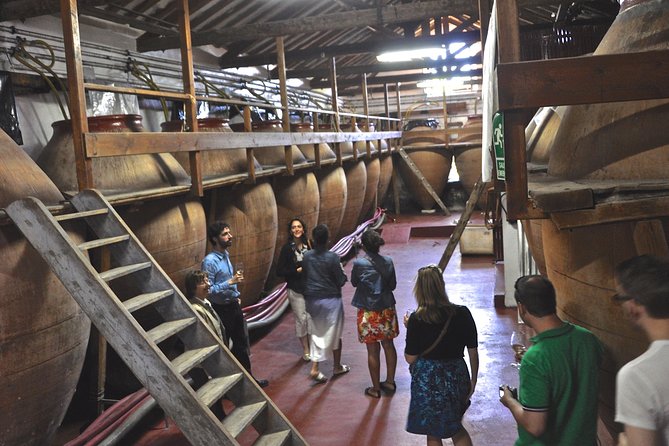
- Tastings in real working wineries, sometimes including cave cellars and clay-jar traditions
- Strict timing: the tour leaves on time, so show up early at the meeting point
Getting Out of Madrid: Why this countryside day trip feels special
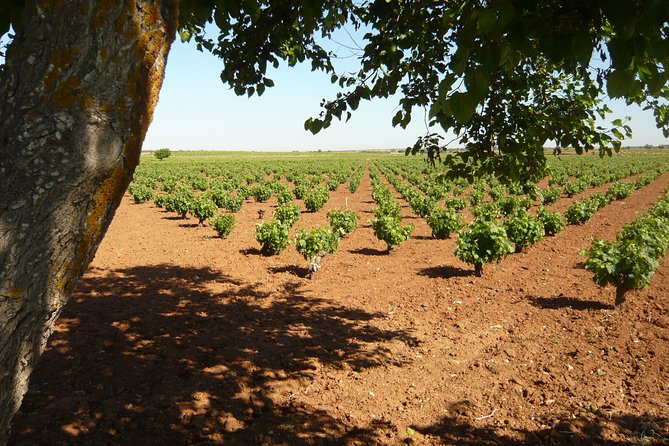
This tour targets a part of Spain that doesn’t always get the big headlines, even though it’s close to Madrid. You’re not dealing with an all-day bus slog to the far provinces; instead, you’re in Vinos de Madrid, the local Denominación de Origen, with rules that help keep the wines consistent and on-brand.
What makes it more than a generic day trip is the mix of wineries you visit. You’ll likely see both modern production and older methods, including cellars and fermentation approaches tied to local tradition. That contrast is part of the fun: you taste, then you get the why behind the style.
You can also read our reviews of more food & drink experiences in Madrid


Meeting point and the 9:30 a.m. reality check at Plaza del Conde de Casal
The tour starts at Pl. del Conde de Casal, 6 (Retiro), at the front door of the cafeteria of hotel Claridge, next to the main hotel door. The closest Metro station is Conde de Casal (Line 6).
Be on time. The departure is firm, and the cost of joining after departure is your responsibility if you miss it. I’d plan a little buffer here even if the map says you’ll be quick, and I strongly recommend using a regular taxi rather than betting on app pickup timing.
The Vinos de Madrid backdrop: what you’re actually tasting
This region is the big wine-making area just outside the city, and it matters because you’re tasting wines made under the DO Madrid guidelines. That doesn’t mean every bottle will taste the same, but it does mean the region’s winemaking identity is real, not random.
In plain terms: expect local grapes and familiar styles, especially tempranillo in full-bodied reds and malvar for fruity, tangy whites. The guide helps you connect the wine to what’s happening in the vineyard and cellar, so the tasting becomes a learning loop instead of a one-note drinking session.
Stop 1 (Madrid): the quick start that sets the tone
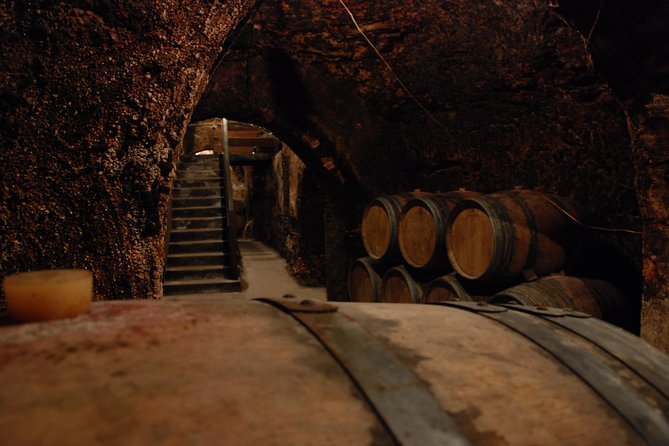
The first part is simple: meet, check in, and board the air-conditioned minivan. You’ll start with a brief intro to regional winemaking traditions as you head out of the city.
A useful tip: breakfast matters. You’ll be tasting throughout the day, and while the tour includes snacks, wine hits harder when you’ve only had coffee. Aim for a hearty breakfast so you can enjoy the whole day without the mid-tour wobble.
Stop 2: Señorio de Val Azul and its organic-boutique approach
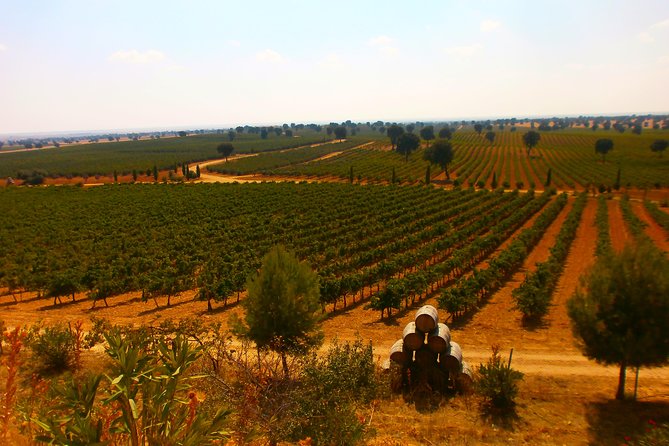
The first winery stop is Señorio de Val Azul, about 30 km from Madrid. That short distance is the magic trick here: you go from city streets to vineyard country quickly, and it often feels like you jumped several decades back.
At this stop, you’ll visit a boutique winery with wines made from its own organic vineyard planted around the winery. The pacing here is also part of the value: you don’t just walk through a tasting bar. You’re in a working setting where the guide and staff explain how the grapes become the glass you’re drinking.
What to watch for: this is the kind of place where a lot of your questions will be about varietals and vineyard decisions. If you’re a beginner, it’s a great entry point. If you’re more advanced, it’s a good stage for comparing how choices show up in flavor.
You can also read our reviews of more guided tours in Madrid


Stop 3: Bodega del Nero and the story of the river vegas
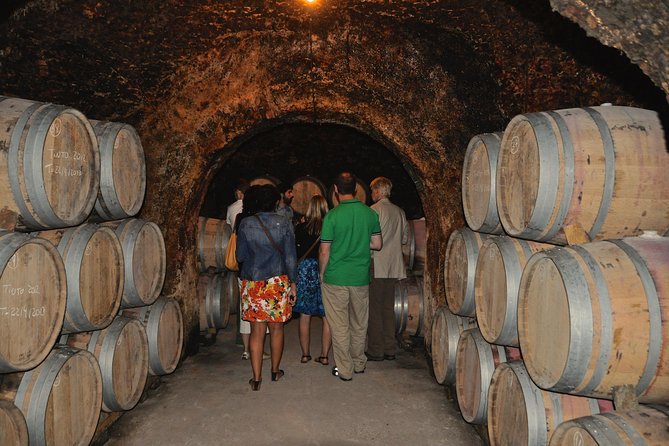
Next up is Bodega del Nero, in a Madrid town where you learn more about the wine process alongside the winemakers. This stop emphasizes history and place: winemaking traditions stretch back roughly 900 years in fertile “vegas” near river systems, where rivers such as Manzanares, Tajuña, Jarama, Henares, and Tajo meet.
You also get the sense that this region fed the capital since early days, including periods when the capital grew into an important center of the Spanish Empire. It’s not just storytelling for the sake of drama. The point is to explain why wines here developed their style and why the DO exists in the first place.
Practical note: expect another hour-plus tasting block. Keep water nearby in your bag, and pace yourself between pours so you can actually enjoy the later wineries instead of just surviving them.
Stop 4: Bodegas Jesús Díaz e Hijos in Colmenar de Oreja
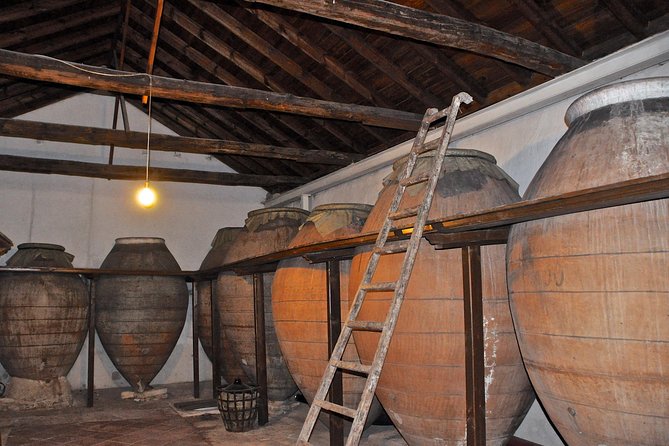
The third winery stop is Bodegas Jesús Díaz e Hijos, one of the oldest wineries in Colmenar de Oreja. It’s located on an old Franciscan convent, which gives the day a physical sense of time: thick walls, cave areas, and that “this has been here a while” feeling.
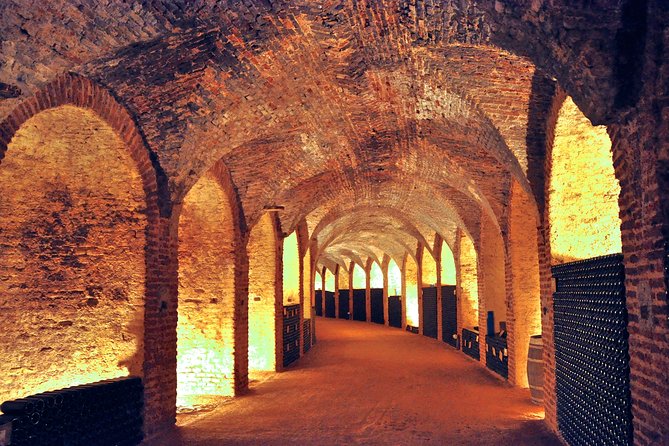
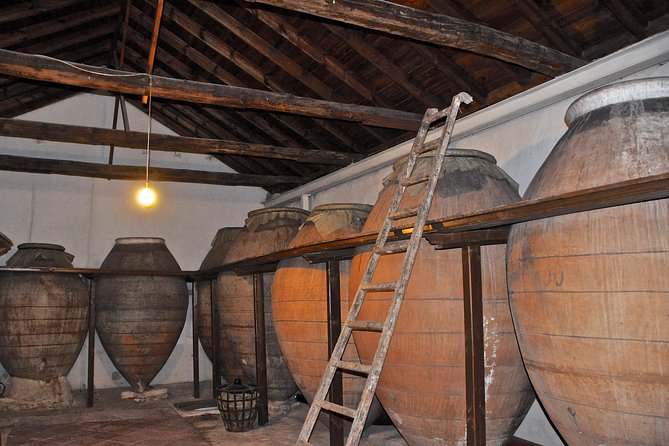
This is also where you’ll hear about production traditions using large clay jars (a method tied to centuries in this area). You’ll likely get to tour centuries-old caves where the wines rest, and there’s a heads-up for your clothing: cellars can be a bit cold, so bring warm layers.
If you love watching how older techniques survive inside modern quality control, this is the stop that most likely gives you the strongest takeaways. If you prefer only the newest facilities and sleek tasting rooms, you’ll still get value here because the tradition is tied directly to what ends up in your glass.
Stop 5 (back in Madrid): wrapping up and what to do next
After the final winery, you head back to the meeting point in central Madrid. The tour typically ends where it began, so you can plan a dinner without complicated logistics.
An added bonus: the guide usually shares recommendations for what to do and what to eat in Madrid afterward. This is one of those small extras that can save you time when you’re trying to figure out where to go next after a full day.
What you’ll taste: 10+ wines, plus local snacks that act like a lunch
The tour is built around tastings, not just one highlight bottle. You should expect more than 10 wines across the day, with a mix of whites and reds made from local grapes. Tempranillo reds and malvar whites are common signatures, and the guide helps connect the dots so you can tell what’s different beyond the labels.
You’ll also get pairings and nibbles served by the wineries. Think Ibérico ham, local cheeses, and regional hot dishes that are enough for lunch since lunch isn’t separately included. This matters because wine tours often forget that tasting is physical. Here, the food keeps the day enjoyable and social.
The guide makes the difference: Ismael, Antonio, Enrique, Muna
The biggest repeated theme is the human one: the guide’s style and their connections with winery owners. Names that come up often include Ismael, Antonio, Enrique, and Muna. Different personalities lead different tours, but the common thread is clear: guides explain varietals, production steps, and how decisions in the vineyard show up in the glass.
I’d treat this as an interactive tour. Ask what changes when they shift a process or when the grapes come from different plots. If you’re a beginner, ask what to look for first in aroma and flavor. If you’re more experienced, ask how local conditions shape acidity and body in the DO style.
Pace, group size, and the van/bus comfort factor
This is a full-day experience running about 6 hours. Group size caps at 20 people, and the average group size is often smaller (around 8). The transportation is an air-conditioned minivan or bus, and it should feel comfortable enough for a wine day where you’re bouncing between stops.
Here’s the tradeoff: you’ll spend time driving. That’s normal for any multi-winery day trip, but with these distances near Madrid, it stays reasonable. If you’re sensitive to long rides, bring snacks and a little water for the in-between periods.
Also, a quick reality check: one departure is not the flexible kind. The tour leaves on time, and the meeting point has a precise location. If you arrive late, you risk missing the departure.
Price and value: is $175.35 worth it?
At $175.35 per person, you’re paying for a bundle: transport, a bilingual wine guide, three winery visits, and tastings with food. The key question isn’t just what the wine costs. It’s what you’re getting beyond the wine.
You’re getting:
- Three guided winery visits with the owners and winemakers
- 10+ wine samples across whites and reds
- Snacks and winery-served bites that cover lunch
- Air-conditioned transport for a full day
If you were to buy equivalent tastings one by one, plus cover getting yourself to multiple wineries, the price often looks more reasonable. For me, the best value angle is the access: talking with the people making the wine, plus seeing caves and clay-jar practices, all in one day and without you having to plan routes.
Who should book this tour (and who might not)
This fits best if you want a structured day with real winery time and you like learning while you taste. It’s also a good pick if you’re based in Madrid and want an easy, guided way to explore beyond the city without losing your afternoon.
It’s not ideal if:
- You want totally free-form scheduling.
- You don’t like group dynamics.
- You’re not interested in tempranillo-based profiles and local whites like malvar.
There are age limits: the minimum age for wine tasting is 18, and children under 12 can’t take part. If that affects your group, you’ll want to plan something else.
Should you book this tour?
Book it if you want a high-touch wine day close to Madrid: three wineries, 10+ tastings, local food, and a guide who helps you understand what you’re drinking. The small-group size and the blend of modern and traditional methods make it more interesting than a one-room tasting stop.
Skip it if you’re expecting a luxury, slow-paced food-and-wine festival. This is more of a guided tour with a schedule. Show up ready (breakfast, warm layers for cellars), and you’ll get a strong day for your money.
If you book and you end up with one of the frequently praised guides like Ismael or Antonio, you’re likely to get both instruction and fun, not just passive sipping.
FAQ
FAQ
How long is the Madrid countryside wineries tour?
It runs about 6 hours.
What time does the tour start?
The start time is 9:30 a.m.
How many wineries do you visit?
You visit three wineries as part of the tour.
What’s included in the price?
Transport, three guided winery visits with the owners/winemakers, wine tasting of 10+ wines, and snacks (enough for lunch).
Is lunch included?
Lunch isn’t listed as a separate meal, but snacks at the wineries are enough for lunch.
What are the age limits?
Wine tasting requires a minimum age of 18, and children under 12 cannot take part.
Where do you meet in Madrid?
You meet at Pl. del Conde de Casal, 6, at the front door of the cafeteria of hotel Claridge next to the main entrance. The closest Metro is Conde de Casal (Line 6).
Is the tour in English?
Yes. It’s offered in English, and guides are bilingual (English and Spanish if necessary).