REVIEW · MADRID
Prado Museum in Madrid – Guided tour in Italian without queuing up
Book on GetYourGuide →Operated by Todo Tours Gestion SL · Bookable on GetYourGuide
Skip the lines and focus on the paintings. This Prado Museum tour gives you priority access and Italian explanations so you can start making sense of the art right away.
I love the way the guide turns famous names into real stories—Caravaggio, Velázquez, Bosch, Goya, and friends—connected to what Europe was learning and copying over centuries. I also like the pacing: the tour is long enough to hit major works, but short enough to keep the day from turning into a museum endurance test.
One thing to consider: the tour is in Italian only, so if you need English you might feel left out of some nuance. Also, at 1.5 hours, you won’t see everything the Prado has—this is a guided highlights route.
In This Review
- Key highlights at a glance
- Starting at the Prado: where the tour really begins
- Priority entry: what it changes for your day
- The core theme: how Spanish masters shaped Europe
- Las Meninas: a lesson you can actually feel
- Bosch’s Garden of Earthly Delights: why it’s more than a spectacle
- Caravaggio’s David and Goliath: drama with a method
- Raphael, El Greco, and Goya: seeing styles in conversation
- The museum behind the art: Charles III and the building story
- What the experience feels like in real life (1.5 hours)
- Value check: is $50 worth it?
- Who this Prado tour is best for
- Practical tips so you get the most from the tour
- Should you book this Prado Museum Italian skip-the-line tour?
- FAQ
- FAQ
- How long is the Prado Museum guided tour?
- What language is the tour guide speaking?
- Do I need to wait in line for entry?
- Where do I meet the guide?
- What is included in the ticket price?
- Which artworks will I see during the tour?
- Is the tour wheelchair accessible?
- Is there free cancellation?
Key highlights at a glance
- Skip-the-line entry through a separate entrance for faster access
- Italian live guide who explains techniques and historical context
- Must-see masterpieces like Las Meninas and Garden of Earthly Delights
- Caravaggio’s David and Goliath and other signature European works
- Museum story included, including construction ordered by Charles III
- Meet at the Goya statue with a blue Todo Tours umbrella for easy orientation
Starting at the Prado: where the tour really begins
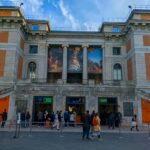
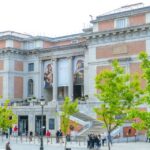
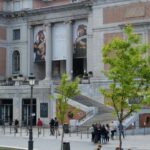
The easiest part of this experience is finding your people. The guide waits next to the Goya statue with a blue umbrella from Todo Tours. That matters more than it sounds. The Prado can be confusing at street level, and a clear meeting point helps you walk in calm, not frantic.
Once you’re with the group, the big practical win is the skip-the-line access. Instead of spending your energy staring at a queue, you move straight into the museum experience. For a place like the Prado—where security checks and crowds can stretch your time—this shortcut is the difference between enjoying masterpieces and just surviving crowds.
Your tour time is about 1.5 hours, and it ends back at the meeting point. That’s helpful for planning your afternoon in Madrid: you can usually shift gears after the tour instead of trying to build an entire day around the Prado.
You can also read our reviews of more guided tours in Madrid

Priority entry: what it changes for your day
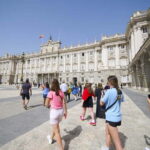
At the Prado, timing can make the difference between a relaxed visit and a rushed one. This tour’s main value is that you’re not fighting for first access with everyone else.
Here’s what you gain:
- You can spend your brainpower on art, not logistics.
- You get the guide’s sequence—so the museum doesn’t feel like random rooms.
- You’re more likely to remember what you saw, because explanations come with each stop.
For people who love art but don’t want to “master plan” the museum, this approach is a win. It’s also good for first-timers who feel overwhelmed by how big the collection is, from the 14th to the 19th centuries.
The core theme: how Spanish masters shaped Europe
One of the most useful things you’ll get from this tour is the big-picture thread: Spanish masters didn’t just paint in Spain—they helped shape European art. Your guide ties works to their influence, techniques, and the historical moment around them.
That context changes how you look. Instead of asking, What is this painting about? you start asking, What problem is the artist solving? How did this style spread? Why did later painters respond to earlier ideas?
This is especially valuable because the Prado includes major figures from across Europe, not only Spanish artists. You’ll move through iconic works by Velázquez, Bosch, Caravaggio, Raphael, El Greco, Goya, and other masters that help show how ideas traveled.
Las Meninas: a lesson you can actually feel
Velázquez’s Las Meninas is one of those paintings that people photograph even if they don’t fully understand it. The tour gives you a way in.
You’ll see it in a guided context, with the guide explaining technique and historical background. For many visitors, the moment clicks when you stop treating it like a single scene and start seeing it as a crafted composition—what’s placed where, what’s emphasized, and why.
The value here is that you’re not just being told facts. You’re shown how the painting works, so you can look longer than you would on your own. That’s a big deal in the Prado, where attention often gets chopped into quick glances.
Bosch’s Garden of Earthly Delights: why it’s more than a spectacle
If Las Meninas is about structure and viewpoint, Bosch’s Garden of Earthly Delights tends to feel like a puzzle box. The tour helps you treat it like one.
You’ll focus on what makes Bosch’s imagery so memorable—its crowded details and strange logic—while also getting explanations about the painting’s context. When you understand the guide’s framing, it’s easier to make sense of what you’re seeing instead of getting lost in the “wow” factor only.
This is the kind of stop where an Italian guide explanation can be a little challenging if your language level isn’t great. Still, even partial understanding helps because you’re looking at the painting while the guide points out what to notice.
You can also read our reviews of more museum experiences in Madrid


Caravaggio’s David and Goliath: drama with a method
Caravaggio’s David and Goliath is another highlight on the route. Caravaggio is known for intense realism and strong emotional impact, and a guided explanation is useful because it gives you a way to look beyond the dramatic subject.
Your guide focuses on technique and inspiration—how the painting’s choices create tension. That’s the practical value: you start seeing lighting, pose, and composition as tools, not just decoration.
If you like art that feels like a scene you could step into, this is a great stop. And if you’re new to European painting, Caravaggio often becomes a favorite quickly because the storytelling is so direct.
Raphael, El Greco, and Goya: seeing styles in conversation
The Prado is famous for masterpieces, but this tour is more about how the masterpieces talk to each other. You’ll also visit important works connected to Raphael, El Greco, and Goya, among other European masters.
This section of the tour is where the “Spanish masters shaped European art” theme becomes real. You begin to notice how different painters solve problems differently—how they handle human form, emotion, light, and symbolism.
Goya, in particular, can hit hard when you have context. The guide’s job here isn’t to turn the painting into a textbook. It’s to explain what you’re seeing—so the work feels like a living story, not a museum label.
El Greco’s style can also feel odd at first glance, but guided commentary often makes it click: the proportions, the mood, the way the painting leads your eye.
Raphael brings balance and clarity to the experience, which gives your brain a breather between more intense or strange imagery.
The museum behind the art: Charles III and the building story
A guided highlight tour is usually about paintings. This one adds a bonus layer: the guide also explains how the museum was constructed, including an account of the construction ordered by Charles III.
Why this matters: the Prado isn’t just a warehouse for paintings. The building’s story helps you understand why the collection is presented the way it is, and how the museum became part of Spain’s cultural identity.
You don’t need to be an architecture fan to appreciate this. Even a short context piece helps you feel more grounded in where you are and why it exists.
What the experience feels like in real life (1.5 hours)
This tour is designed to be focused. You’ll spend your time where it counts—major masterpieces—rather than wandering room to room with no plan.
From the reviews, one theme shows up clearly: the guide’s clarity and rhythm. One named guide—Loreta—is praised for being prepared, clear, and passionate, and for making complex ideas understandable. That kind of teaching style matters in a museum setting because it keeps you engaged instead of overwhelmed.
Here’s what you should aim to do while you’re there:
- Slow down at each key painting for a full look, not just a photo.
- Listen for the technique and context clues the guide gives you.
- If your Italian is limited, still watch how the guide points out details. Visual cues travel even when language doesn’t.
Value check: is $50 worth it?
At about $50 per person, the value comes from three things you’re not getting with a self-guided visit:
- Priority access without waiting
This saves time and reduces stress, which is often the real cost of a museum day.
- A professional guide in Italian
The guide connects paintings through technique and historical context, so each stop lands better.
- Curated major masterpieces in a short window
In 1.5 hours, you’re hitting iconic works. That makes the price feel more reasonable than if you tried to build the same highlights list alone.
If you’re the type who loves to read labels and wander, you might not need a guided tour. But if you want the Prado’s best works plus real context without spending hours planning or fighting crowds, this tour is a solid buy.
Who this Prado tour is best for
This experience fits well if:
- You want a guided highlights route with major works like Las Meninas, Garden of Earthly Delights, and David and Goliath.
- You like art explanations tied to technique and historical meaning.
- You prefer not to spend your first Prado hours stuck in a line.
It’s less ideal if:
- You need a non-Italian tour and would struggle to follow the live explanations.
- You want to see dozens of paintings at your own pace. This is not an all-day deep museum sweep.
Practical tips so you get the most from the tour
You’ll likely get the best experience if you show up ready to focus. Here are a few simple ways to help:
- Wear comfortable shoes. Even short museum tours involve steady walking.
- Bring a small note-taking mindset. When the guide explains a technique or historical context, jot down a quick word or two.
- Let yourself linger for 30–60 seconds after the guide points something out. That’s when the details start to “stick.”
- If you’re traveling with friends who have different interests, remind them this tour is built around major masterpieces and explanations—not a general roam.
And if you’re unsure about Italian comprehension, don’t panic. Even partial understanding works well at the Prado because paintings are visual. Explanations can guide what to notice.
Should you book this Prado Museum Italian skip-the-line tour?
I’d book it if you want a fast, structured route through the Prado’s most famous works with a guide who explains technique and context in Italian, and you really care about avoiding the crowd crush at the entrance.
Skip it if you’re not comfortable with Italian, or if you want to spend the afternoon discovering lesser-known rooms at your own pace. At 1.5 hours, you’re choosing highlights over completeness.
FAQ
FAQ
How long is the Prado Museum guided tour?
The tour lasts about 1.5 hours.
What language is the tour guide speaking?
The live tour guide speaks Italian.
Do I need to wait in line for entry?
No. You get skip-the-line tickets and enter through a separate entrance.
Where do I meet the guide?
Meet the guide next to the Goya statue, with a blue umbrella from Todo Tours.
What is included in the ticket price?
You get skip-the-line tickets for the Prado Museum and a professional tour guide.
Which artworks will I see during the tour?
The tour includes major masterpieces such as Velázquez’s Las Meninas, Bosch’s Garden of Earthly Delights, and Caravaggio’s David and Goliath, along with works connected to Raphael, El Greco, Goya, and other European masters.
Is the tour wheelchair accessible?
Yes, the activity is wheelchair accessible.
Is there free cancellation?
Yes, you can cancel up to 24 hours in advance for a full refund.