REVIEW · MADRID
Prado Museum Without the Crowds-Exclusive Guided Pre Opening Tour
Book on Viator →Operated by Walks - Italy & Spain · Bookable on Viator
The Prado is great, but the lines are not. This early-access, English-guided visit gets you inside about one hour before the museum opens so you can study the big masterpieces in proper peace. I love the way it turns famous works into something you can actually look at closely, especially Las Meninas and Goya’s Black Paintings, without the usual wall of bodies. I also like the human scale: a small group plus an art historian who explains what you’re seeing as you walk, not after the fact. The main drawback to keep in mind is simple: it’s a walking tour and you’ll need to arrive on time, because late starts can be a deal-breaker.
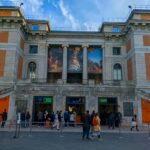
This starts at the Monument to Goya and ends inside the Prado right as the first public visitors are arriving. That timing matters, because the museum doesn’t just feel calmer early on; you can hear the guide and actually move at a normal pace.
One more practical note: the group size is capped at 15, and the walking pace is described as moderate. If mobility is an issue, the operator says they can accommodate wheelchair users if you email their Guest Experience team ahead of time.
In This Review
- Key things to know before you go
- Why an hour before opening changes everything at the Prado
- What you should expect with the timing
- Meeting point to museum: getting there without stress
- A simple on-the-ground tip
- What’s actually included (and why it matters for value)
- The practical value of guided early entry
- Inside the Prado: a highlight route that doesn’t feel rushed
- You’ll get context while you look
- The Las Meninas experience: seeing Velázquez without the crush
- What to do with your “quiet minutes”
- The Garden of Earthly Delights: close looking beats fast walking
- Why the guide adds real value here
- Goya’s Black Paintings: the quiet gallery moment
- A small reminder
- How the “group of 15” dynamic stays enjoyable
- Who this style of Prado visit is best for
- Price and timing: is $168.17 worth it for you?
- My practical take
- After the tour: use the early exit to your advantage
- Accessibility and pacing: what you should plan for
- Should you book the Prado without the crowds early access tour?
- FAQ
- How long is the Prado without the crowds exclusive guided pre opening tour?
- Is the museum admission ticket included?
- What language is the tour offered in?
- Where do I meet the guide?
- Is hotel pickup or drop-off included?
- How many people are in the group?
- Is this tour suitable for people with mobility impairments or wheelchairs?
- What if parts of the museum are closed?
- Can I get a full refund if I cancel?
- Do I need to bring anything?
Key things to know before you go
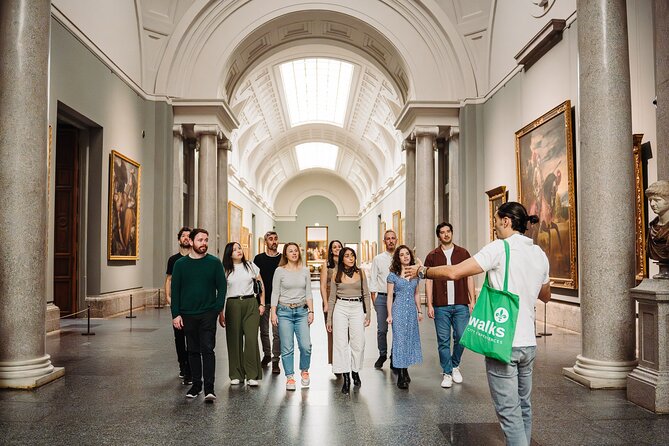
- Early entry is the whole point: you get access before the doors open to the public.
- Small group size (max 15) keeps the experience manageable and quieter.
- Admission ticket is included along with your guided museum entry.
- English-speaking art historian work helps you “read” the artworks as you see them.
- No hotel pickup means you’re responsible for getting yourself to the meeting point.
- Walking tour at a moderate pace, inside a museum with some distances.
Why an hour before opening changes everything at the Prado
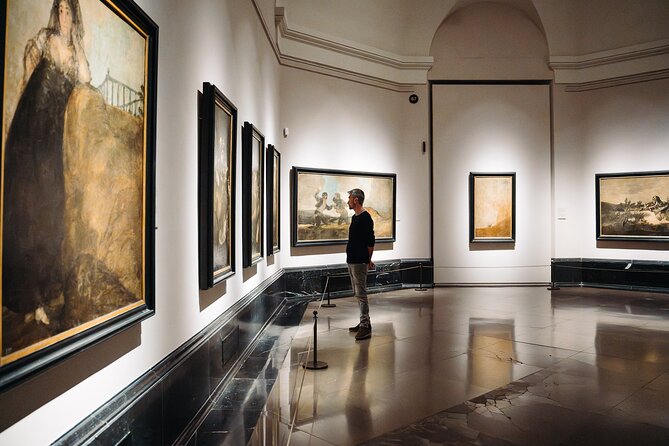
If you’ve ever tried to enjoy the Prado during prime hours, you know the problem: the art is great, but the crowd turns looking into a waiting game. This tour fixes that by putting you inside the museum earlier than general admission. Instead of rushing from one famous painting to the next, you get time to slow down and really see.
That early window also changes the feel of the Prado. You’re not stuck with that constant “excuse me” shuffle. You can stand close enough to notice details, and the guide can point out visual clues without shouting.
You can also read our reviews of more guided tours in Madrid

What you should expect with the timing
Your tour begins at the Monument to Goya, then you head straight into the Prado. It’s designed to end as the first public guests start entering, so you’ll leave while other people are still lining up. Then you can keep exploring on your own, with your priorities already set.
Meeting point to museum: getting there without stress
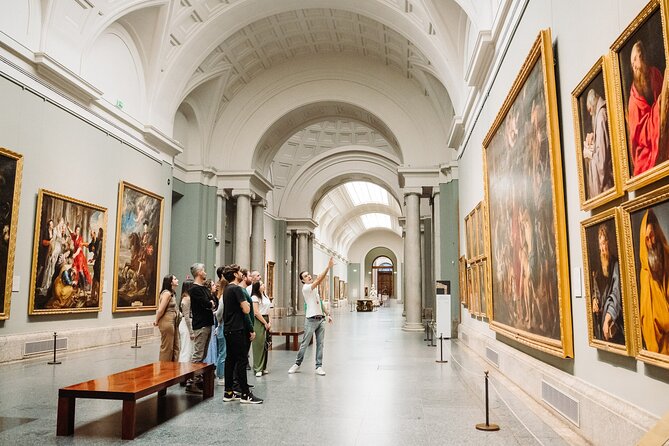
The meeting point is the Monument to Goya, C. de Felipe IV, s/n, Retiro, 28014 Madrid. Your tour ends inside the museum at the Prado itself.
There’s no hotel pickup. That’s not a downside if you plan your logistics, but it does mean you should treat arrival like a real appointment. One issue that came up for a past participant was a city marathon that blocked street access; they were late and the group departed without them. That’s the kind of scenario you can’t always predict in Madrid, so build in extra buffer time.
A simple on-the-ground tip
Use the day’s transit and walking plan to aim for “early,” not “right on time.” When your tour starts with entry restrictions and a guided schedule, arriving a few minutes late can cost you the experience.
What’s actually included (and why it matters for value)
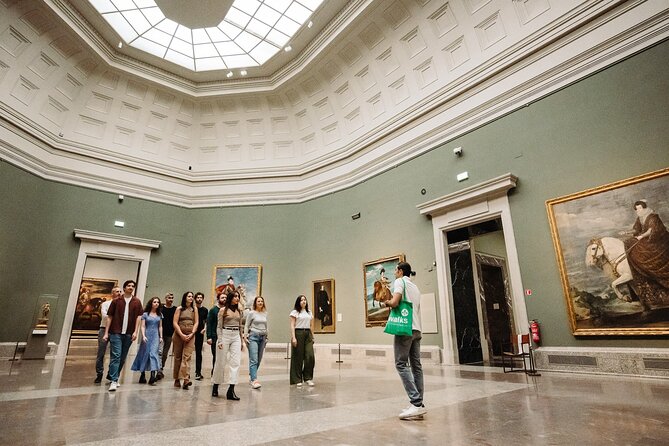
This experience includes:
- Early access Prado admission ticket
- Local English-speaking guide
- Expert guided museum tour
The price is $168.17 per person for about 1 hour 40 minutes (approx.). On paper, that’s not cheap for a museum visit. In practice, you’re paying for two things: timed entry that you can’t replicate easily on your own, and a guide who helps you make sense of what you’re looking at in real time.
You can also read our reviews of more museum experiences in Madrid




The practical value of guided early entry
A ticket gets you inside. A guide helps you use that access well.
The Prado is large. Without help, you might still enjoy it, but you’ll probably spend energy deciding where to go and how long to stay. With this tour, you get a structured walk through the highlights you care about, with context that makes the paintings easier to interpret.
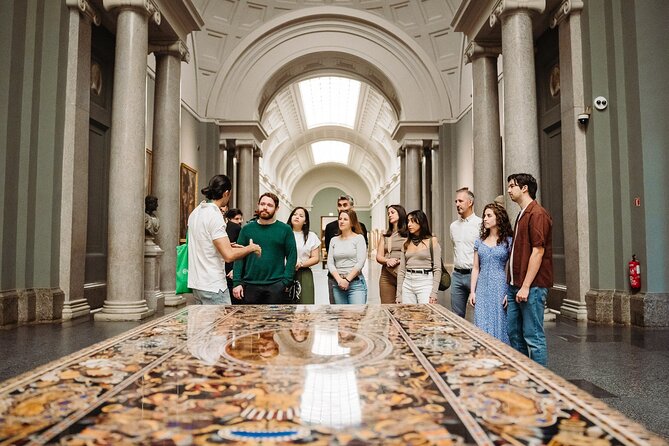
Also, the tour is capped at 15 people. Smaller groups tend to mean you can hear instructions and ask quick questions rather than being swept along.
Inside the Prado: a highlight route that doesn’t feel rushed
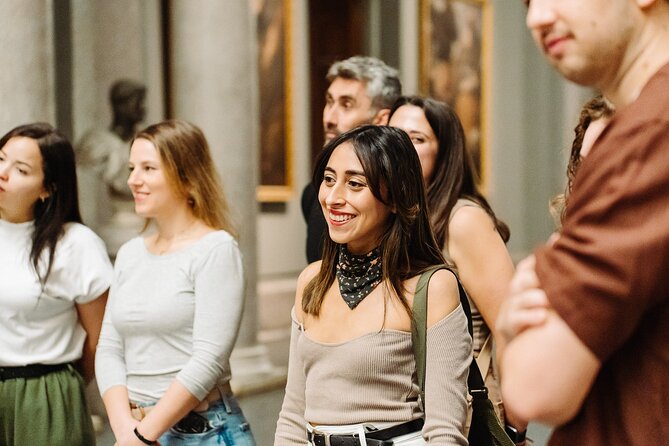
This tour isn’t “everywhere all at once.” It’s built around key works so you can spend enough time on each to understand why people obsess over them.
You start with a head-in approach: you go straight into the museum with your guide right before public entry begins. That sets the tone for the whole experience. Instead of sprinting through crowds, you’re walking in a quieter pace, with fewer distractions.
You’ll get context while you look
An art historian style guide means you don’t just hear facts. You get framing: what to pay attention to, what details mean, and how the image fits into broader Spanish art and culture. One common theme from guides on this kind of tour is that they can keep the tone informative without turning it into a lecture.
Some names that have been associated with this tour include Jamie, Maria, Irene, Florin, and Alfanso/Alfonso. Your exact guide depends on the date, but the point is consistent: the interpretation is a big part of why people feel the time was well spent.
The Las Meninas experience: seeing Velázquez without the crush
You’ll make a major stop at Las Meninas (Velázquez). This is the painting where the Prado’s magic becomes very personal. Up close, you start noticing how the composition pulls your eye around the room and turns a portrait into a puzzle.
The best part is not just that the painting is famous. It’s that the early access gives you room to look. You can step back, lean in, and re-orient yourself without being jostled. That’s when you really understand why people keep returning to it.
What to do with your “quiet minutes”
Once you’re near the work, don’t treat it like a photo-op. Spend a full minute looking first, then listen to what the guide points out. If you can, keep one thought in mind as you watch: what in this scene is supposed to feel immediate versus symbolic.
The Garden of Earthly Delights: close looking beats fast walking
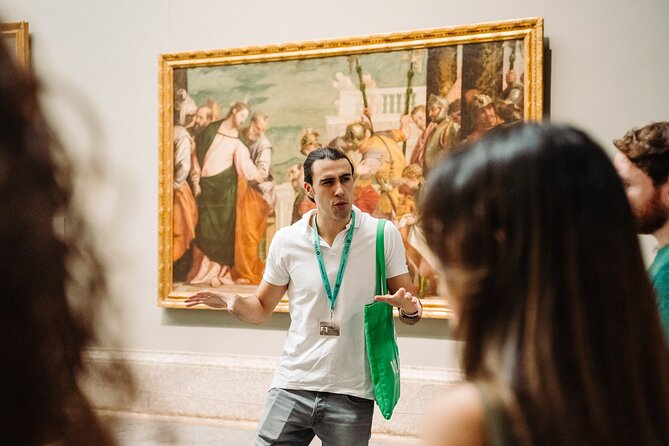
Next up is The Garden of Earthly Delights. If you’ve only seen it in thumbnails, the Prado version feels completely different. The scale and visual density are part of the impact.
Early entry makes a big difference here because the painting rewards slow attention. You want time to follow smaller figures and details instead of scanning for the “headline” image.
Why the guide adds real value here
This is the kind of work where context helps you see patterns. A good guide will point out how the sections connect and what visual storytelling you’re actually looking at. That lets you feel like you understood something, not just that you moved past it.
One practical benefit: you won’t be trying to learn in a crowd while someone behind you waits to move on.
Goya’s Black Paintings: the quiet gallery moment
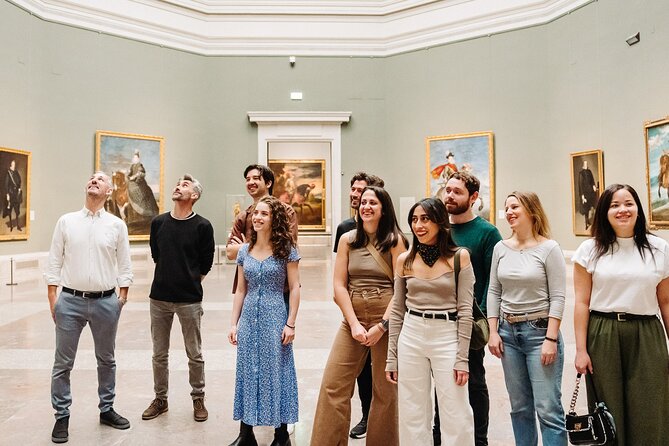
The tour also includes a stop for Goya’s Black Paintings. This is emotionally intense art, and it lands differently when you’re not battling noise and foot traffic.
Seeing it earlier can be a big deal. In a calmer room, you can let the painting’s mood do its work. You can stand where the guide wants you to stand and actually notice what’s changed in the lighting, the texture, and the way Goya builds atmosphere.
A small reminder
These are heavy works. If you’re planning the tour, consider pairing it with a gentle second activity afterward, like a long stroll or a slower meal. You’ll absorb more, and you won’t feel rushed back into “vacation mode.”
How the “group of 15” dynamic stays enjoyable
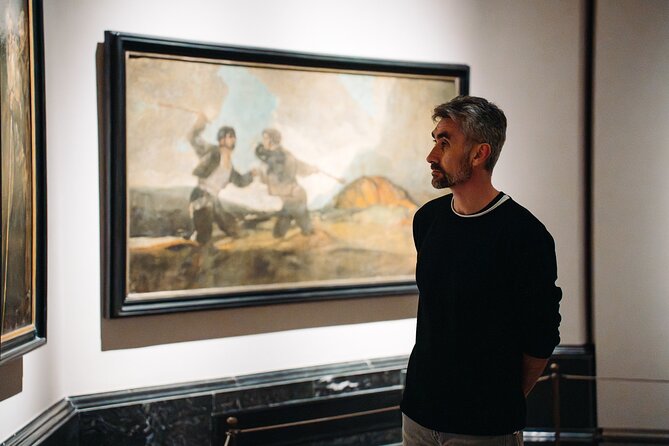
The group size limit of 15 is part of the comfort here. A group that small is still a group, of course, but it’s close enough to keep interaction natural.
Many people mention things like comfortable listening devices (when provided by the tour operator). That matters more than it sounds. When you can hear clearly, you don’t spend the tour straining. You also get more out of each stop instead of missing half the explanation.
Who this style of Prado visit is best for
This works especially well if:
- You want the Prado’s top works, but you want to understand them
- You dislike long lines and crowded rooms
- You like walking tours that feel structured, not chaotic
If you’re the type who wants to wander independently with no schedule, you might find this too structured. But if your goal is to see and learn efficiently, this is a strong match.
Price and timing: is $168.17 worth it for you?
Let’s be honest: $168.17 for 1 hour 40 minutes feels like a “treat,” not a budget move. But value comes down to what you’re trying to buy.
You’re paying for:
- Timed early admission (the key advantage)
- A guide who helps you interpret what you see
- A small-group format that makes looking easier
If you plan to spend hours in the Prado anyway, a guided early entry often makes the overall day better. You leave feeling like you saw the important things in the right order, and you’re not stuck fighting crowd flow.
My practical take
If you hate wasting time in lines, the early access alone is often worth it. And if you like being shown what to notice, the guide turns a basic ticket into a smarter visit.
If you’re perfectly happy with self-guided museums and you don’t mind crowded rooms, you can do the Prado cheaper. But then you lose the advantage this tour sells: quiet time with the masterpieces.
After the tour: use the early exit to your advantage
Your tour ends as the first public visitors are entering. That means you’re getting out at a strategic moment.
You can do two smart things next:
- Continue through the Prado on your own, focusing on areas you didn’t cover in the guided hour and change
- Take a short break and then head out into Madrid with one major “must-do” finished
Because you’ve already listened to the big works, you’ll navigate more confidently. You won’t be walking through an overwhelming collection without any compass.
Accessibility and pacing: what you should plan for
This is a walking tour. It’s described as moderate pace, and the operator says they can accommodate mobility impairment or wheelchair users if you email their Guest Experience team when booking.
If you’re on the fence, the best move is to write in early, before your date. Tell them what you can handle walking-wise and how you want the route planned.
Should you book the Prado without the crowds early access tour?
I think you should book this if your ideal Prado day looks like this: you want the highlights, you want room to look, and you want context while you’re standing in front of the art. The early entry timing is the main reason it works, and the small group cap helps keep the experience comfortable.
Skip it (or at least reconsider) if:
- You don’t want a guided route
- You’re worried about being able to arrive on time in city traffic
- You prefer to explore completely independently with no structure
If you do book, treat it like a timed museum appointment. Give yourself a cushion to reach the Monument to Goya, because once the group is moving into the museum, late arrivals can mean missing the tour.
FAQ
How long is the Prado without the crowds exclusive guided pre opening tour?
It runs about 1 hour 40 minutes (approx.).
Is the museum admission ticket included?
Yes. Your early access Prado Museum entry ticket is included.
What language is the tour offered in?
It’s offered in English.
Where do I meet the guide?
You start at the Monument to Goya, C. de Felipe IV, s/n, Retiro, 28014 Madrid, Spain. The tour ends inside the Museo Nacional del Prado.
Is hotel pickup or drop-off included?
No. Hotel pickup/drop-off is not included.
How many people are in the group?
The tour has a maximum of 15 travelers.
Is this tour suitable for people with mobility impairments or wheelchairs?
The operator says they can accommodate guests with mobility impairment or wheelchairs if you email their Guest Experience team at the time of booking for proper arrangements.
What if parts of the museum are closed?
Sites on the tour are subject to occasional closures. If modifications are needed and time permits, they’ll reach out prior to your tour. For last-minute closures, changes may be communicated at the start time.
Can I get a full refund if I cancel?
Yes, you can cancel up to 24 hours in advance for a full refund.
Do I need to bring anything?
You should plan on walking at a moderate pace. The tour is described as a walking tour, and it also includes an admission ticket and guidance for the museum visit.