REVIEW · MADRID
Premium Tour to Ribera del Duero with Wnologist Guide
Book on Viator →Operated by Wine Tour Madrid · Bookable on Viator
A day in Ribera del Duero beats a museum for many reasons. You’ll get a small-group wine route from Madrid with hands-on tastings, cellar time, and a guide who knows how to connect the dots between grape, soil, and glass. I especially liked the way the day mixes modern winery design with traditional underground production.
Two stops stood out for me: the barrel-focused tasting setup at Dominio de Cair, and the family-run tour experience at Ismael Arroyo | ValSotillo with its subway-style cellar. One drawback to keep in mind: it is a long wine day (about 9 hours), and you’ll want to plan for lots of talking, walking, and some time underground where it can feel cooler.
In This Review
- Key takeaways before you go
- A long day that starts at 8:30 from Madrid
- Why Ribera del Duero’s cellars change how you taste
- Stop 1: Bodegas Dominio de Cair and the barrel tasting in the subway cellar
- A small caution for this first stop
- Stop 2: Bodegas Ismael Arroyo | ValSotillo and the family-run subway winery
- What you gain from the owner-led angle
- Gumiel del Mercado’s underground wineries plus lunch in a former winery
- One practical note
- The guide experience: what Enrique’s style adds to the day
- Price and what $480.56 gets you in real terms
- Who this Ribera del Duero day trip fits best
- Practical tips for an easier, better wine day
- Should you book Premium Tour to Ribera del Duero with Wnologist Guide?
- FAQ
- How long is the tour?
- What time does the tour start, and do they pick you up?
- How many people are in the group?
- What language is the tour offered in?
- Which places are included on the itinerary?
- Are admissions included?
- What’s the cancellation policy?
Key takeaways before you go
- Small group size (max 8): you’ll get more back-and-forth than the big-bus style tours.
- Two different cellar styles: modern barrel tasting at Dominio de Cair plus subway-like underground at ValSotillo.
- Family winery access: Ismael Arroyo | ValSotillo is guided by the owners, not just staff.
- Wine plus medieval town atmosphere: Gumiel del Mercado’s underground wineries add a historical layer.
- Lunch is built into the pace: you’ll eat at a traditional restaurant in a former winery space.
A long day that starts at 8:30 from Madrid
This trip is a full-day run, starting at 8:30 am. The operator offers pickup and drop-off at the lobby of your hotel or apartment, which is a big deal when you’re leaving Madrid early and want the day to feel smooth instead of complicated. With a maximum of 8 travelers, the schedule stays more human: fewer people, quicker questions, and less time waiting around for the group to gather.
You also get it in English, and it’s aimed at people who want to understand wine without needing to already know all the jargon. The day is paced as a sequence of short, focused experiences: visit, explanation, tasting, then move on. You’ll feel the rhythm rather than being stuck in one place for hours.
You can also read our reviews of more guided tours in Madrid


Why Ribera del Duero’s cellars change how you taste
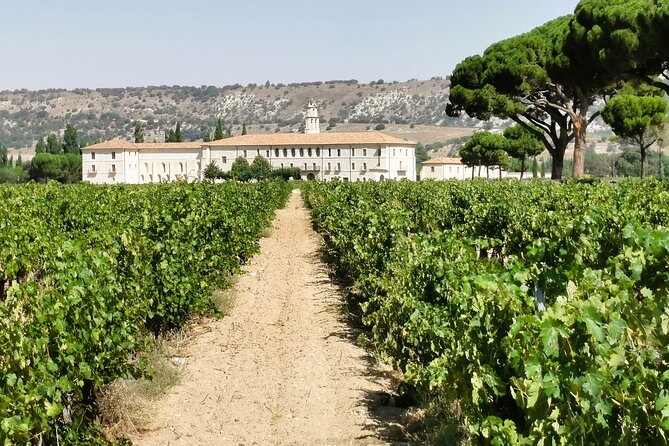
Ribera del Duero is known for wines that come from harsh growing conditions and long cellar aging, and this tour is designed to show you why. You’ll hear about grape cultivation in a climate described as extreme, and you’ll see how that matters once grapes turn into barrels and then into finished wine.
What I liked about this approach is that the day keeps linking the real-world production steps together. Instead of only tasting at the end, you learn how aging times and barrel decisions shape what you’ll smell and sip later. In a region where cellars are part of the identity, tasting inside them (or next to them) doesn’t feel like a gimmick. It helps you understand the environment the wine grows up in.
And yes, you should expect underground spaces. That’s great for authenticity, but it also means you’ll likely want light layers. Even when it’s warm above ground, cellars can feel cooler and more enclosed.
Stop 1: Bodegas Dominio de Cair and the barrel tasting in the subway cellar
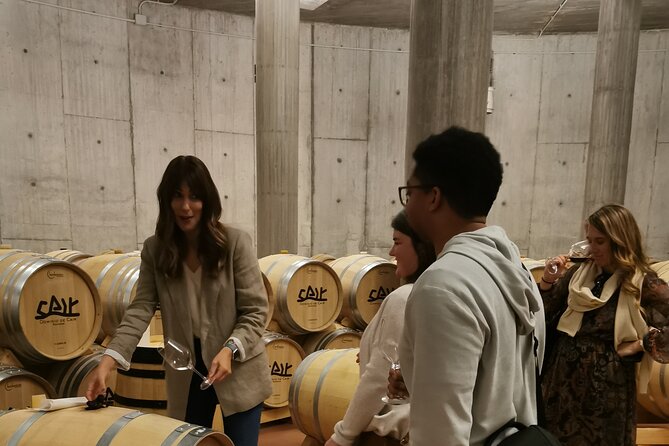
You’ll start at Bodegas Dominio de Cair, a winery with an avant-garde building that’s meant to integrate beauty and function into the territory. The tour starts with their facilities and moves through the grape-to-wine story: how grapes are cultivated in Ribera’s demanding climate, and how winemaking techniques connect to what shows up later in the bottle.
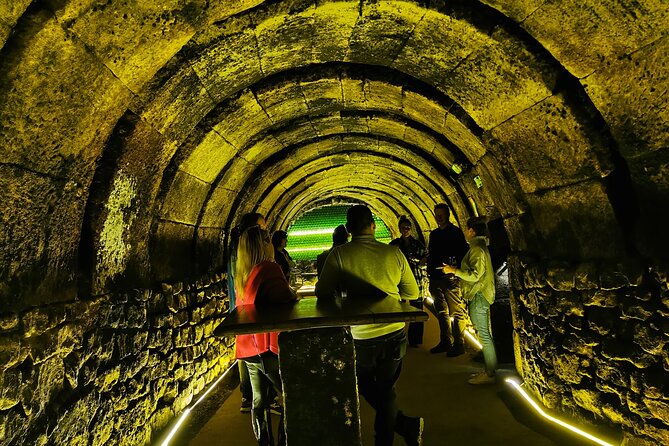
What makes this stop practical for your palate is the way the tasting is staged. After the facility tour, the day takes you into a subway cellar for a tasting related to American and French barrels. That’s the kind of information that pays off immediately because you can compare the impact of barrel types in a controlled setting.
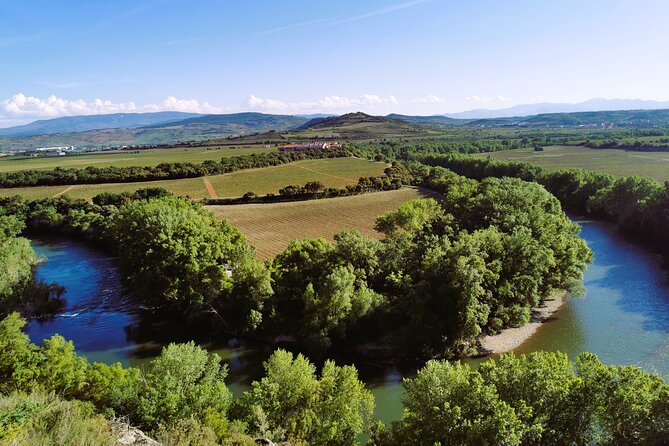
Then you move up to the wine bar for tasting three of their best wines, served surrounded by old vineyards that sit around the winery. That visual matters. You see the vineyard context, not just the production equipment. It also makes it easier to remember which wine came from which idea, rather than treating tasting notes like a blur.
A small caution for this first stop
Dominio de Cair is modern and structured, and the visit flow is fairly set. If you’re hoping for super slow, wander-around-your-own-time wine touring, this won’t be that kind of day. You’ll do best if you enjoy a guided pace and want to learn quickly.
Stop 2: Bodegas Ismael Arroyo | ValSotillo and the family-run subway winery
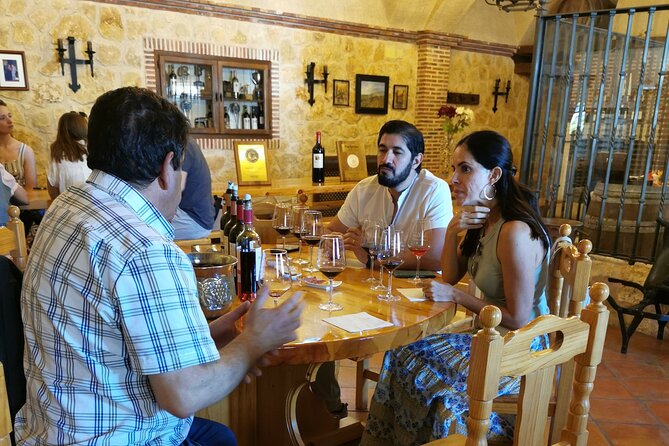
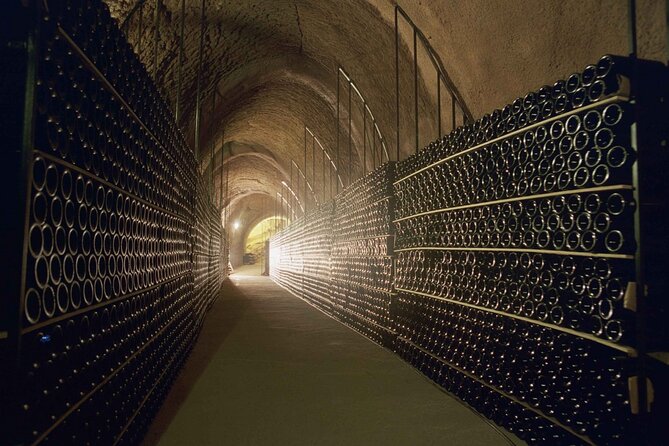
Next is Bodegas Ismael Arroyo | ValSotillo – Ribera del Duero, a family winery experience with strong local roots. This is where the tour shifts from modern architecture to something that feels like a production system built to last. The winery is described as a promoter of the Ribera del Duero D.O. and as the owner of the largest subway winery still in production across the region.
You’ll tour inside the area where more than a thousand barrels are kept. That detail helps you grasp scale fast. It’s not just a cellar for show; it’s a working storage space. The tour language also points you toward why aging decisions are central here: the wine-making timeline isn’t an abstract concept, it’s a physical reality you can walk through.
Then there’s the history layer. The winery dates back to the 16th century and is often called one of Spain’s wine cathedrals. Even if you don’t care about nicknames, the idea matters: it signals big, serious cellar heritage rather than a quick showroom visit.





What you gain from the owner-led angle
This stop is guided by the owners, which changes everything about the tone. You’re not only hearing facts. You’re hearing how the family frames what they do and why they do it. In practice, that tends to make questions easier because you can ask about decisions and tradeoffs and get a real answer, not just a rehearsed explanation.
Gumiel del Mercado’s underground wineries plus lunch in a former winery
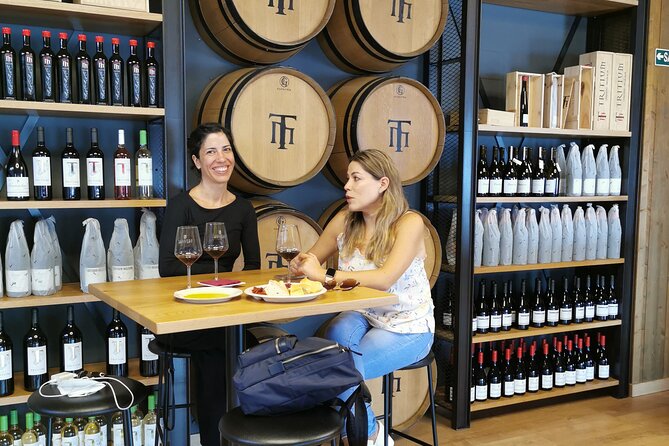
The day doesn’t stay in wineries alone. You head to Gumiel del Mercado, a medieval town where wine heritage lives underground. The tour includes a walk into the mountain of historical underground cellars, and you’ll enter hundred-year-old wineries to see how neighbors still make wine using more traditional approaches.
This stop is valuable because it changes your perspective. After two cellar visits tied to specific wineries and barrel choices, Gumiel brings you back to community production—how wine has been tied to daily life and local knowledge over generations. You’ll likely find yourself thinking differently about what counts as modern versus traditional. Here, they blend more than you might expect.
Then it’s time for lunch at a traditional restaurant described as being surrounded by locals. The setting used to be a centennial winery, and traces of past winemaking activity remain as reminders of the golden wine-making era. That kind of detail matters because it keeps the day from becoming only tastings. You’re also eating in a place shaped by the same industry.
One practical note
Once you’ve been in multiple tastings and cellars, the lunch timing becomes important. You’ll want to eat steadily and not treat the meal like a rushed recharge. If you slow down for a few bites, you’ll enjoy the rest of the day more.
The guide experience: what Enrique’s style adds to the day
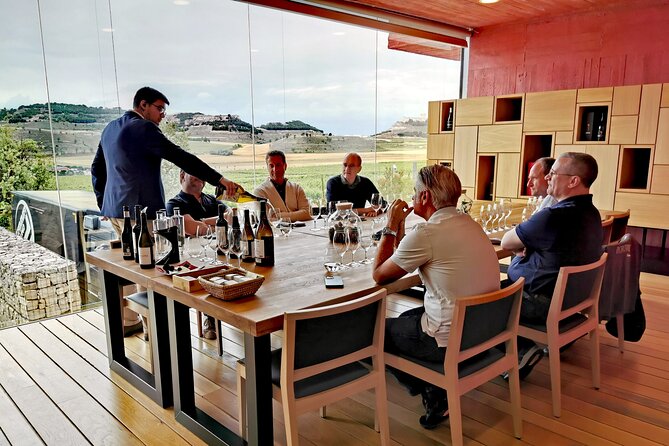
A big part of why this tour consistently lands on top ratings is the human piece—especially the guide named Enrique. He’s described as passionate about wine and the Spanish wine industry, and he’s also a winery owner himself. That’s not just a résumé line. It changes the conversation because the explanations tend to come from someone who understands the process on multiple levels.
From what’s shared about his guiding style, you can expect a lot of real-world context: how grapes and land lead to winemaking choices, how those choices affect types of wine, and the nuts-and-bolts of production. The big win is that you get owner voices too, so you hear the story from more than one angle across the day.
If you like tours where questions feel welcome—and where you don’t have to fake confidence—you’ll appreciate this setup. Enrique’s warmth and personable energy are mentioned as key reasons the experience feels memorable rather than scripted.
Price and what $480.56 gets you in real terms
At $480.56 per person, this isn’t a bargain-basement wine day. The value comes from how much is included in the experience structure, not from a discount pitch.
Here’s what you’re paying for that helps justify the price:
- Two winery admissions included at the first two stops (Dominio de Cair and Ismael Arroyo | ValSotillo).
- A barrel-related tasting segment plus additional wine tastings as part of the winery flow.
- A day that includes a guided cellar walk, owner-led storytelling, and structured time at three key stops.
- Pickup and drop-off from your hotel or apartment lobby, which saves you time and friction.
- A small group cap (max 8), which improves the quality of interaction.
If you’ve done wine tours before, you’ll know how often the “cheap” ones skim the tastings and slow-walk the learning. This one aims for the opposite: you get a tight day with multiple serious moments. It’s a good fit if you’re willing to spend a bit more to get a more coherent, less rushed experience.
Who this Ribera del Duero day trip fits best
This tour feels ideal if you:
- Want a guided, structured introduction to Ribera del Duero rather than self-driving and guessing.
- Like tastings that connect to what you’re seeing (barrels, cellars, and production decisions).
- Enjoy owner-led storytelling and want the context behind the wine.
It may feel less ideal if you:
- Want lots of free time to wander independently in each stop. The day is scheduled and guided.
- Prefer a lighter day with minimal tastings. The tastings are a core part of the experience.
Given the underground stops and the length of the day, comfy shoes and a reasonable pace mindset will help. Most people can participate, but this isn’t a “sit and look” tour.
Practical tips for an easier, better wine day
A few small steps can make the difference between good and great:
- Wear shoes you’re happy to walk in. You’ll move through winery spaces and town cellars.
- Bring a layer. Cellars can feel cooler and more enclosed than you expect.
- Go easy on packing so you can keep your hands free for tastings and short walks.
- Take notes sparingly. You’ll taste several wines, and you don’t want your phone out every five minutes. One or two quick impressions per stop are plenty.
- Stay curious with questions—especially with Enrique and the owner-led segments. This tour is built for conversation, not passive listening.
Also, plan around weather. The tour notes that it requires good weather, and if it’s canceled for poor conditions, you’ll be offered a different date or a full refund. If you’re visiting in a season with changeable skies, I’d treat the day like something to watch, not something you assume will run no matter what.
Should you book Premium Tour to Ribera del Duero with Wnologist Guide?
If you want a Ribera day trip that’s more than tasting glasses—one that links wine choices to barrel aging, cellar design, and local production—this is a strong pick. The biggest reasons to book are the small group size, the mix of Dominio de Cair plus Ismael Arroyo | ValSotillo, and the owner-and-guide storytelling led by Enrique.
I’d say book it if you’re the type who enjoys learning while you taste, and you’re okay with a full 9-hour schedule. Skip it if you’re looking for a slow, independent wine crawl with lots of downtime. Either way, you’ll come away with a clearer sense of why Ribera del Duero tastes the way it does—especially after seeing where the wine is stored and aged.
FAQ
How long is the tour?
The tour runs for about 9 hours.
What time does the tour start, and do they pick you up?
It starts at 8:30 am, and pickup and drop-off are offered at the lobby of your hotel or apartment.
How many people are in the group?
The tour has a maximum of 8 travelers.
What language is the tour offered in?
The tour is offered in English.
Which places are included on the itinerary?
The day includes Bodegas Dominio de Cair, Bodegas Ismael Arroyo | ValSotillo – Ribera del Duero, and Gumiel del Mercado with underground cellars.
Are admissions included?
Admissions are included for stops at Dominio de Cair and Ismael Arroyo | ValSotillo.
What’s the cancellation policy?
You can cancel for a full refund up to 24 hours in advance. If you cancel less than 24 hours before the start time, the amount paid isn’t refunded.