REVIEW · MADRID
Escorial Monastery and the Valley of the Fallen from Madrid
Book on Viator →Operated by Julia Travel S.L · Bookable on Viator
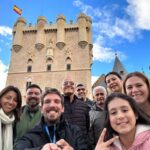
Two monuments, one sobering morning. The Royal Monastery of El Escorial turns 16th-century power into walking architecture, and your guide helps you connect the dots before you’re staring at rooms full of art and symbolism.
I also like the built-in pace: a comfortable coach ride with radio-guide commentary, followed by Valley of the Fallen sights that are truly visual (the cross from far away, then the underground crypt). The main watch-out is that the day can feel rushed, and the language mix isn’t always evenly split between English and Spanish.
In This Review
- Quick take: what stands out most
- Leaving Madrid in comfort: the coach ride and timing that matters
- Real Sitio de San Lorenzo: what El Escorial gives you in 2.5 hours
- The places you’ll likely spend time on
- A realistic drawback
- The Pantheon of Kings and the art-room details you’ll remember
- Valley of the Fallen: the cross, the mountain basilica, and the crypt
- What you’ll actually do there
- A schedule watch-out
- Pace and comfort: stairs, radio audio, and why English can vary
- Walking reality check
- Language and radio-guide system
- Group rhythm
- Price and value: is $79.30 a fair deal for this day?
- Who should book this tour, and who should skip it
- Should you book: my take
- FAQ
- How long is the tour from Madrid?
- Where does the tour start and where does it end?
- Is pickup available?
- Are tickets included for El Escorial and the Valley of the Fallen?
- Will the guide explain everything inside the Valley basilica?
- Is lunch included?
- Is the tour suitable for reduced mobility?
Quick take: what stands out most
- El Escorial’s royal rooms in a tight window: Habsburg Palace spaces, the Basilica, and the library areas are covered with guided focus.
- Real “see it, then understand it” structure: you visit the most important sections rather than wandering randomly.
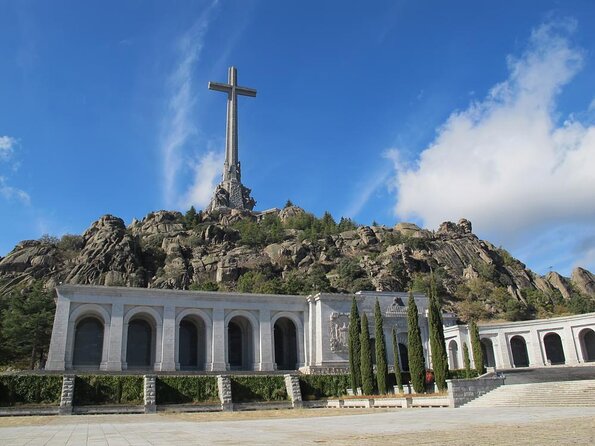
- Valley of the Fallen is about scale: the huge granite cross and the carved-into-the-mountain basilica leave an instant impression.
- Cameras get their moment: you’ll have photo chances outside and viewpoints from the arches.
- Group size stays manageable: up to 30 travelers per guide, using a radio-guide system.
Leaving Madrid in comfort: the coach ride and timing that matters
This tour starts in central Madrid at Julià Travel Madrid near C. de San Nicolás, with a start time of 8:30 am. Check in about 15 minutes early, then you’re off on an air-conditioned coach. It’s a practical set-up: you get picked up and transported without having to figure out trains or transfers.
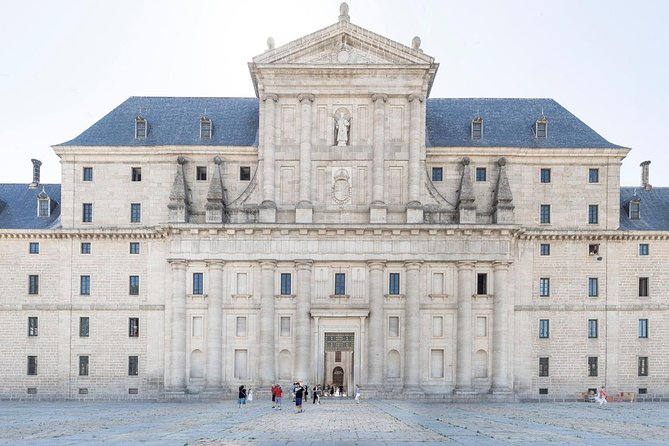
The drive is about 45 km northwest to El Escorial. You’ll have that “I’m on my way” moment where the guide adds context while you watch the scenery shift. It’s helpful because El Escorial isn’t just pretty buildings. It’s a statement site. Once you understand what it was designed to represent, the symmetry, the religious spaces, and the royal tombs click faster.
Two timing details are worth noting. First, the visit at El Escorial is 2 hours 30 minutes, and the Valley is about 1 hour. That’s enough to see the key highlights, but it’s not enough for slow, detailed museum-style wandering. Second, the tour runs about 5.5 hours total, so you’re planning a morning half-day, not an all-day deep dive.
You can also read our reviews of more tours and experiences in Madrid.


Real Sitio de San Lorenzo: what El Escorial gives you in 2.5 hours
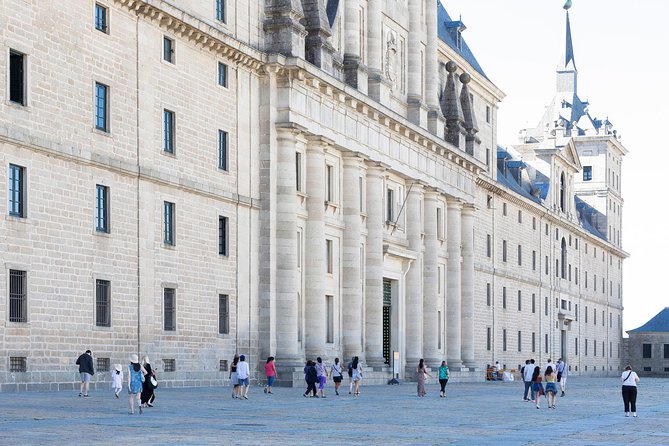
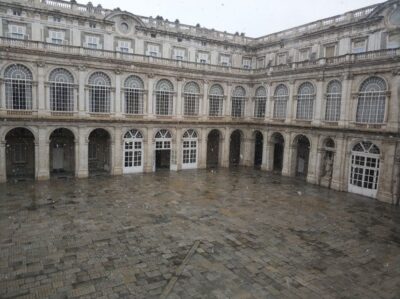
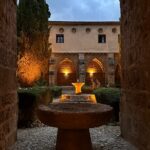
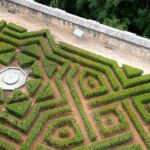
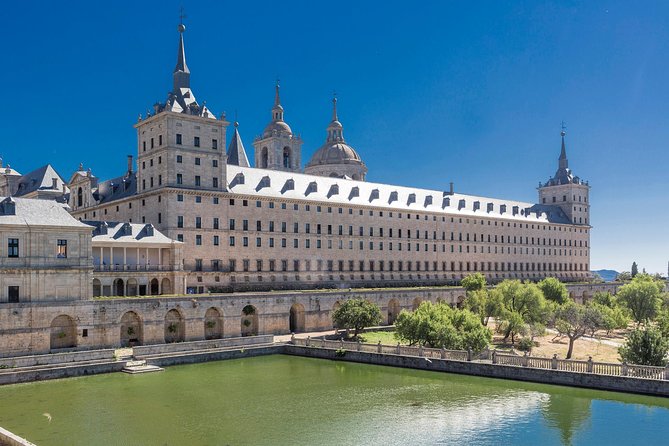
El Escorial is a UNESCO World Heritage architectural ensemble, and the tour leans into its biggest idea: this is where Spain’s ruling power, faith, and art overlap. You start in the Royal Monastery area and move through the sections your guide considers essential.
What I like about this approach is that you don’t have to guess what matters most. Your route covers the main “wow” zones: Renaissance-style layouts, major basilica areas, and the library side of the complex. You’ll get your bearings fast, because the guide points out what to look for instead of leaving you with a map and silence.
The places you’ll likely spend time on
You’re guided through the most important areas, including:
- Habsburg’s Palace spaces (the royal side of the story)
- the Chapter House
- the Basilica and its notable interior features (including the Baroque dome mentioned in the tour description)
- the library, where you’ll see frescoes
Even if you don’t consider yourself an art person, these rooms have “meaning” baked into the design. The whole site is built to communicate rank, order, and religious authority.
A realistic drawback
The monastery is not a sit-down attraction. The tour involves walking and stairs, and it’s not recommended for people with walking difficulties or reduced mobility. If you’re traveling with knee issues or stamina limits, I’d plan on breaks and pace slower than the group. The architecture has full accessibility constraints, so don’t rely on everything being step-free.
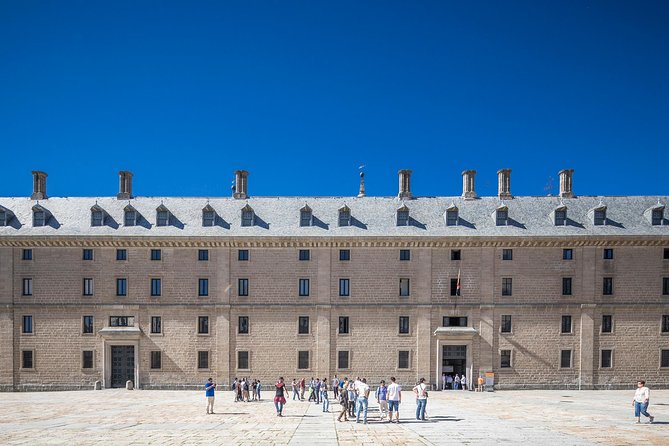
Also, crowding can make it harder to take in details. The place is famous. The tour tries to keep things organized, but the complex can still feel busy when multiple groups are circulating.
The Pantheon of Kings and the art-room details you’ll remember
After you get your foundation at the monastery, the tour continues into the royal tomb territory—often the part people talk about afterward.
You’ll visit the palace known as the Pantheon of Kings and see:
- the marble tomb of Charles V
- the Architects Room, where the focus shifts from royal power to how the site was built
- the Weapons Room, with displays described as vicious arms
- frescoes in the library areas
This mix matters. If your day only included tombs and churches, El Escorial could feel like a long procession. But the Architects Room adds construction insight—so you start noticing engineering choices, not just decorative ones. And the Weapons Room gives you a different angle on the same theme of power.
If you love historical buildings, you’ll likely find it satisfying that the tour isn’t only about religion. It’s also about rule, identity, and the “machinery” behind greatness—what they built, how they built it, and what they displayed to reinforce authority.


Valley of the Fallen: the cross, the mountain basilica, and the crypt
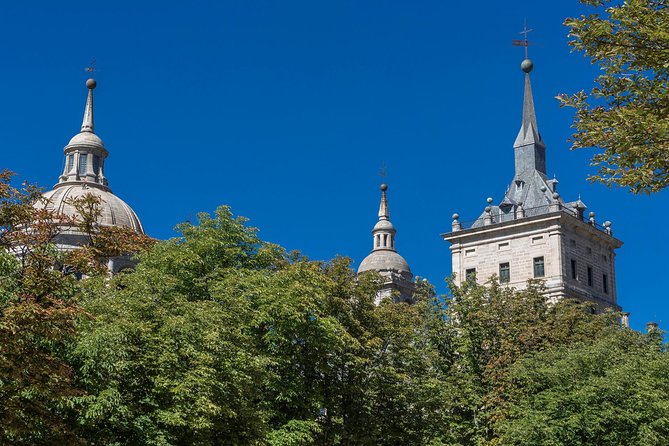
Next comes the Valley of the Fallen, a monument in the Sierra de Guadarrama area. You’ll travel a short distance—about 9 km from El Escorial—but the big introduction happens even before you arrive because the world’s largest cross can be seen from miles away.
The Valley is described as an underground church carved into the mountain, topped by that colossal granite cross. That combination of scale and restraint tends to hit people hard, even if you don’t want heavy political history. You’re going into a space designed to feel monumental and final.
What you’ll actually do there
Your tour includes:
- visiting the basilica area (with the guided portion kept outside the basilica)
- heading inside to tour the vaulted crypt with sculpted angels
- checking the views from the arches around the site
One practical detail that changes the experience: the guide won’t give explanations inside the basilica. All information is provided outside, and inside is largely on your own. That’s fine if you’re happy to look and follow your own pace. If you want constant commentary throughout, this is one place where you may wish you had more time outside.
A schedule watch-out
There are hints in guest feedback that the Valley visit can be reduced or skipped on certain dates, and that access rules or operating schedules may affect what you see. To protect your day, treat the Valley portion as something you should confirm before you go. If your booking clearly says Valley, double-check your date matches the schedule that includes it.
Pace and comfort: stairs, radio audio, and why English can vary
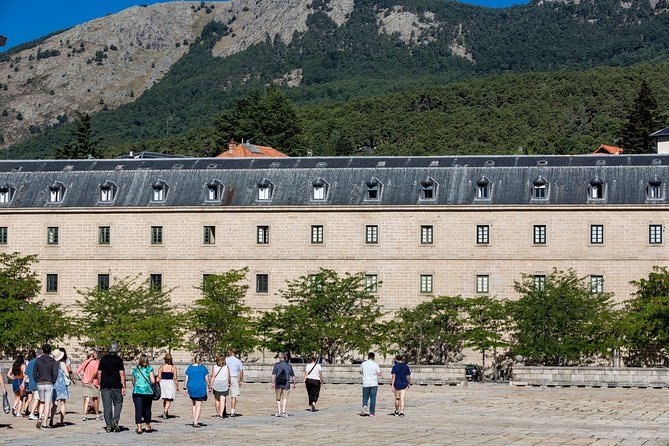
This is a guided day, but it isn’t slow sightseeing. El Escorial itself can be overcrowded, and the Valley can feel short relative to how big the space is. You’ll see a lot, but you won’t linger for long.
Walking reality check
The tour involves a walking route and, at the monastery especially, a large number of stairs. That’s not a minor inconvenience. It’s the difference between enjoying the art and feeling drained. If stairs are a problem for you, skip this one or choose a different tour format.
Language and radio-guide system
The tour is offered in English and Spanish, with a radio-guide system to help you hear. I like having the radios because they reduce the usual problem of being stuck behind tall people.
That said, multiple comments point to two common issues:
- some guides speak with an accent that can make English harder to catch
- on bilingual days, the balance between English and Spanish may feel uneven
This doesn’t mean you’ll get nothing in English. It does mean you should go in with flexibility. If you’re an advanced English-only listener who needs every detail, you might be happier with a strictly English-language option (if available) or a different operator.
Group rhythm
The tour runs with up to 30 travelers per guide, so it’s not a private stroll. A few visitors also noted moments where the guide walked quickly, leaving the group strung out. Your best move is to stay near the front if you need the easiest hearing and pacing.
Price and value: is $79.30 a fair deal for this day?
At $79.30 per person for about 5.5 hours, you’re paying for three things at once:
1) transport by air-conditioned coach out of Madrid
2) guided access and included tickets for El Escorial and the Valley of the Fallen (where applicable for your date)
3) a guided structure that helps you hit the major highlights without planning chaos
Where the value lands depends on your priorities. If you want the essentials—the royal tombs, the big architectural moments, and the giant cross—this is a strong use of half a day. You also get the benefit of not having to figure out what to buy where. Tickets are included for the main sites listed.
Where value can dip is when your date doesn’t include the full Valley portion, or when timing makes the Valley feel rushed. Since the tour title centers both locations, I’d feel justified expecting the Valley stop on the date you choose. If the Valley isn’t part of your schedule, then the “combined” value disappears.
Also note: lunch isn’t included, so plan to eat after you get back to Madrid.
Who should book this tour, and who should skip it
This tour fits best if you want:
- guided context for El Escorial’s royal and religious spaces
- a first look at the Valley of the Fallen without spending your day on planning
- comfortable coach transport and ticket handling
You’ll likely enjoy it more if you’re comfortable with a moderate walking day, stairs, and a packed schedule.
Skip it (or choose something else) if:
- stairs are a serious problem for you
- you need lots of quiet time inside the sites
- you’re very sensitive to English language clarity and long speeches that are mostly Spanish
If your top goal is maximum time per room, consider a different format that gives you more freedom at El Escorial. If your goal is a focused morning overview, this one matches the rhythm.
Should you book: my take
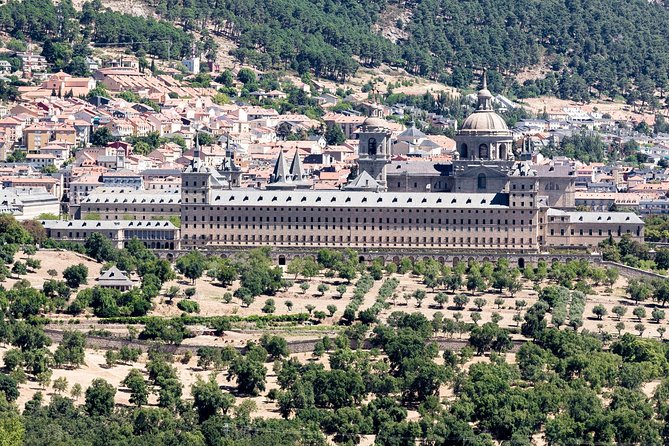
I’d book this tour if you’re doing Madrid and want a well-structured half-day that covers two major UNESCO-level stops. El Escorial is the heart of the experience, and the guide-led route helps you get meaning out of what would otherwise be overwhelming.
I’d be careful if your main requirement is a long, unhurried Valley visit or if your English needs to be crystal clear the whole time. Before you go, confirm your booking includes the Valley portion for your specific date, bring layers for cold or foggy mornings, and plan on stairs and a steady pace.
FAQ
How long is the tour from Madrid?
The experience lasts about 5 hours 30 minutes.
Where does the tour start and where does it end?
It starts at Julià Travel Madrid on C. de San Nicolás, 15 (Centro) and ends at Plaza de Oriente (Pl. de Ote., Centro).
Is pickup available?
Hotel pickup and drop-off is available if the private tour option is selected. For other options, you meet at the start location.
Are tickets included for El Escorial and the Valley of the Fallen?
Yes. Admission to the Royal Monastery of El Escorial and admission to the Valley of the Fallen and basilica are included.
Will the guide explain everything inside the Valley basilica?
No. The guide cannot give explanations inside the basilica. Explanations are provided outside, and the visit inside is on your own.
Is lunch included?
No, lunch is not included.
Is the tour suitable for reduced mobility?
No. It’s not recommended for people with walking difficulties or reduced mobility due to the large number of stairs and limited accessibility inside the monuments.