REVIEW · MADRID
Madrid: Secrets of Retiro Park 2-Hour Walking Tour
Book on GetYourGuide →Operated by Naturanda Turismo Ambiental · Bookable on GetYourGuide
Retiro Park gets a plot twist. This 2-hour Spanish-language walk turns a famous garden into a timeline, starting with the Estanque Grande and rolling through Royal monuments like Alfonso XII, the Crystal Palace, and the Felipe IV Gate. Two things I really like: the way the guide connects each stop to what was happening in Madrid, and the chance to see architectural highlights like the Royal Astronomical Observatory without hunting for context on your own. One drawback to consider is that the experience can be inconsistent in practice, with some past bookings describing guide no-shows or last-minute cancellations due to low sign-ups.
If you want Madrid’s most photogenic park experience, this tour focuses on the big set pieces and the “why it matters.” You’ll also get a Spanish audio guide, which helps you keep up even when you’re distracted by the views. Just wear comfortable shoes, because this is a walking-focused format inside a large park.
In This Review
- Key highlights you’ll feel right away
- Buen Retiro Park, explained like a timeline (not a map)
- Puerta de la Independencia: the easiest way to start without stress
- The water-and-statue core: Estanque Grande and the Paseo de las Estatuas
- Parterre Garden and the Artichoke Fountain: order, leisure, and symbolism
- Alfonso XII, Casa de las Fieras, and the Fallen Angel Fountain
- The Palacio de Cristal: where Madrid’s garden meets a glass-house classic
- Felipe IV Gate and the Royal Astronomical Observatory: architecture with a purpose
- San Isidro ruins: the quiet layer that makes the park feel deeper
- Price and value: $11 can be a great deal, if it runs smoothly
- What’s included, what’s not, and who this tour suits best
- A practical stop-by-stop flow (so you know what your 2 hours feels like)
- Should you book the Secrets of Retiro Park 2-Hour Walking Tour?
- FAQ
- Where is the meeting point for the tour?
- How long is the walking tour?
- What language is the tour in?
- Is the tour suitable for wheelchair users?
- Do you need to bring anything?
- Is food included in the price?
Key highlights you’ll feel right away
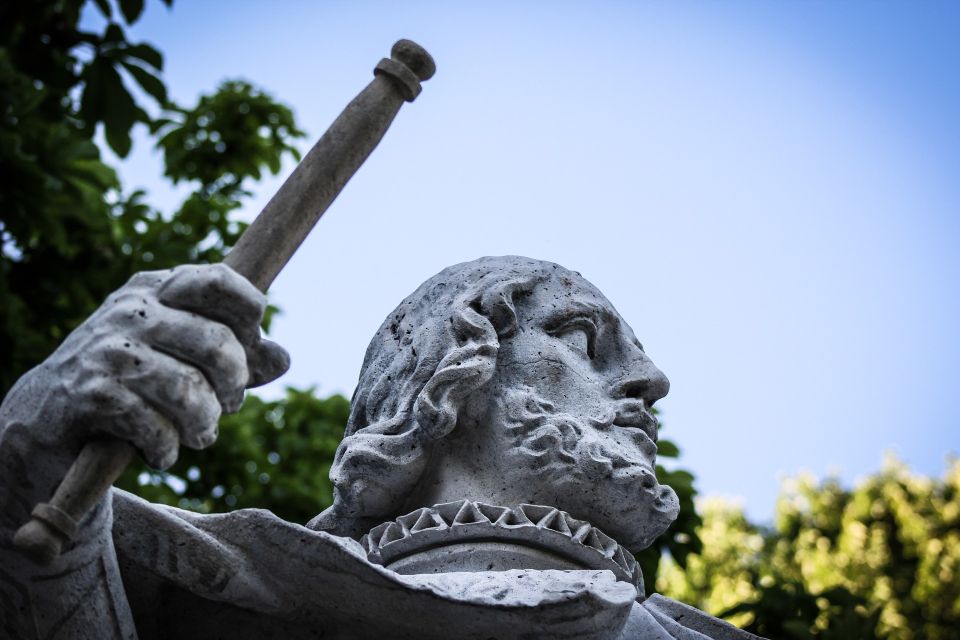
- Retiro’s landmarks with a story, so you’re not just taking pictures of statues and fountains
- Big ticket sights included, like the Palacio de Cristal and the Alfonso XII monument
- A guided route that threads 17th through 21st-century design
- Royal science and architecture, including the Royal Astronomical Observatory
- Short, efficient photo stops, built around what you can actually see on foot
- Spanish-language guidance plus Spanish audio, useful if you’re not fluent but want to follow along
Buen Retiro Park, explained like a timeline (not a map)
Buen Retiro is the kind of place where it’s easy to wander and forget to look up. This tour helps you do the opposite: it pushes you to notice how the park’s layout and monuments reflect changing rulers, city priorities, and even destruction from conflict.
I like that the focus stays on meaning, not trivia. You’ll hear how Retiro evolved into an urban park in 1767 when Carlos III agreed to use it for recreational events, then shifted again in 1868 when it was taken under Madrid City Hall ownership. You also learn that during the French invasion, a big part of the original layout was destroyed, so what you see today is a mix of surviving 17th–18th elements and later additions.
The “secrets” angle works best when you enjoy mental contrasts. You’ll be moving from royal sculpture to engineered water features, from gates that signal power to a site linked with astronomy. If you like building a mental picture of how a city changes over centuries, you’ll get more out of it.
You can also read our reviews of more walking tours in Madrid



Puerta de la Independencia: the easiest way to start without stress
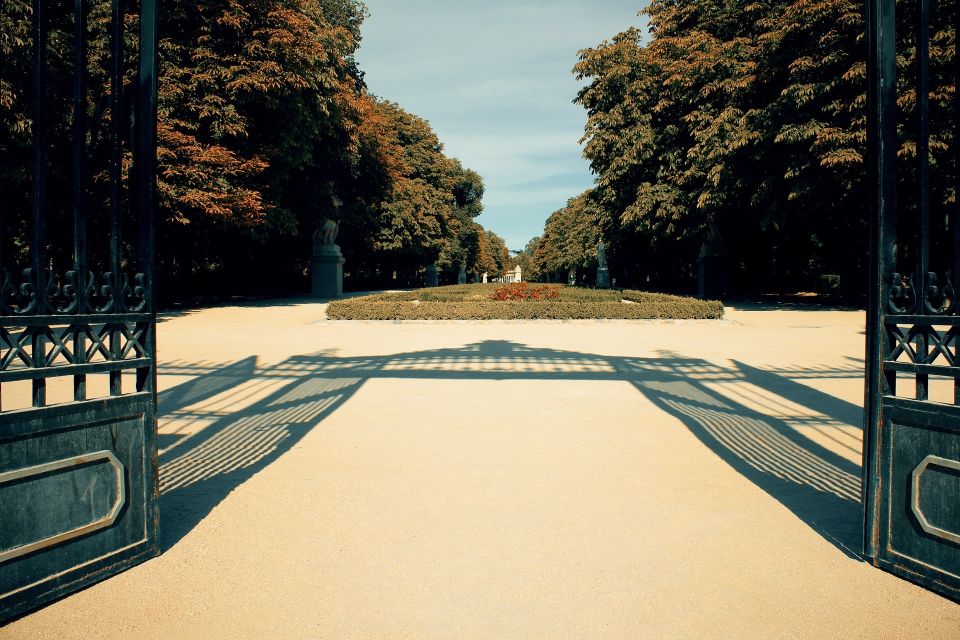
You’ll meet your guide at Puerta de la Independencia del Retiro. That meeting point matters because Retiro is huge (290 acres), and getting oriented inside it can waste time if you go solo.
From there, the tour’s pace is practical: short moments to look, then a guided explanation, then back to walking. Plan on two hours feeling “full,” not slow and leisurely. If you show up under-dressed for walking, you’ll feel it by the middle of the loop.
One more thing I appreciate: even though it’s guided, you’re not locked into one spot. The format is designed for moving between highlights and making sense of the park’s structure as you go.
The water-and-statue core: Estanque Grande and the Paseo de las Estatuas
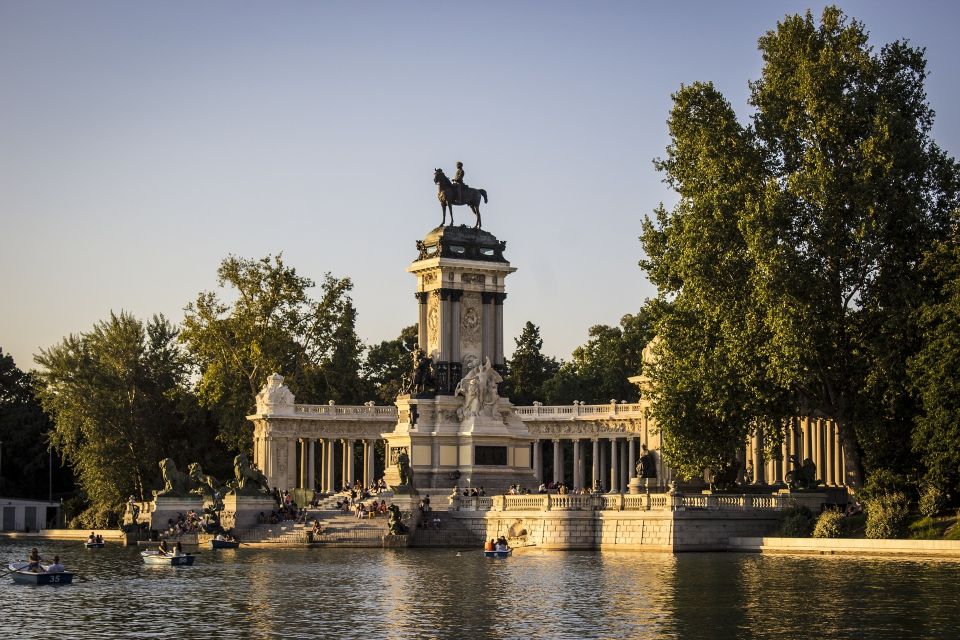
The first big anchor is Estanque Grande del Retiro, the Great Pond. Water in Retiro isn’t just pretty background—it’s part of how the park pulls your attention across open space. Right away, you get a sense for why this park reads like a designed landscape rather than random greenery.
Next comes the Paseo de las Estatuas, the statue promenade. This is one of those areas where the details can look decorative until someone gives you the framework. With a guide, you’ll connect the sculpture program to the ideas Madrid wanted to project in different eras—power, elegance, and public memory.
A practical note: ponds and open walks can be breezy. If you’re visiting in cooler months, bring a light layer. On hot days, you’ll still get shade breaks, but you’ll also cover open ground between major sights.
Parterre Garden and the Artichoke Fountain: order, leisure, and symbolism
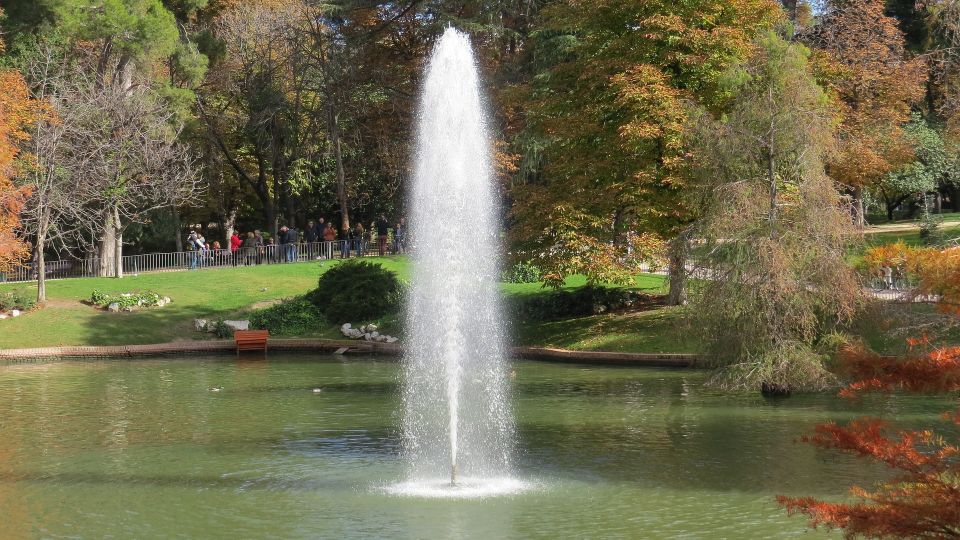
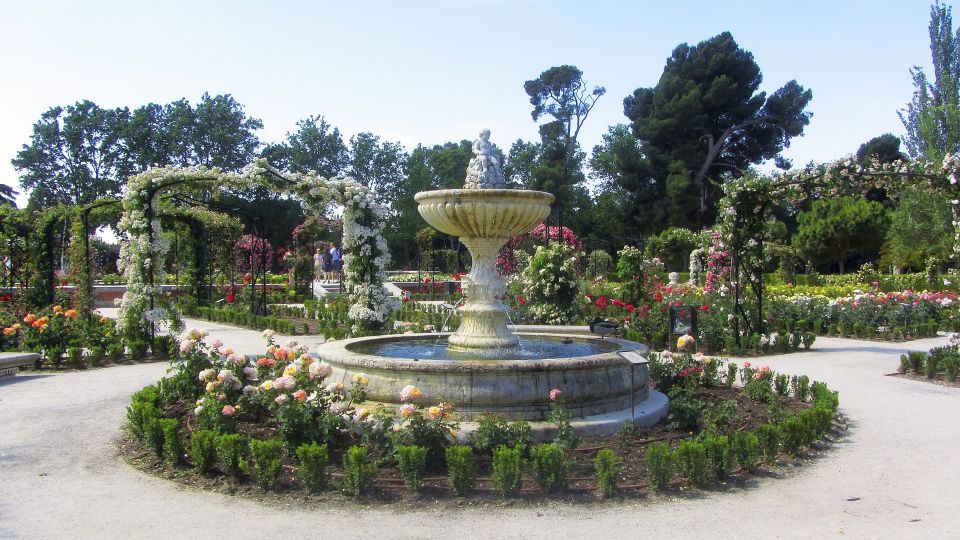
The Parterre Garden is where Retiro reminds you it was built for more than strolling. Parterre-style layouts signal control and design—lines and geometry meant to be seen as much as enjoyed. Even if you’re not into formal gardens, it’s the kind of place where you’ll start spotting why the park became a recreational destination.
Then you reach the Fountain of the Artichoke. It’s easy to treat fountains as photo stops, but this one tends to work better when you know it’s tied to the park’s decorative logic and artistic choices. With the guide’s explanation, you’ll be able to look beyond the surface and understand why it belongs in this specific part of the grounds.
If you’re traveling with kids or friends who get impatient, these are still good stops because they’re visually clear. Everyone can agree on what looks striking, and the guide fills in the “why” without turning the moment into a lecture.
Alfonso XII, Casa de las Fieras, and the Fallen Angel Fountain
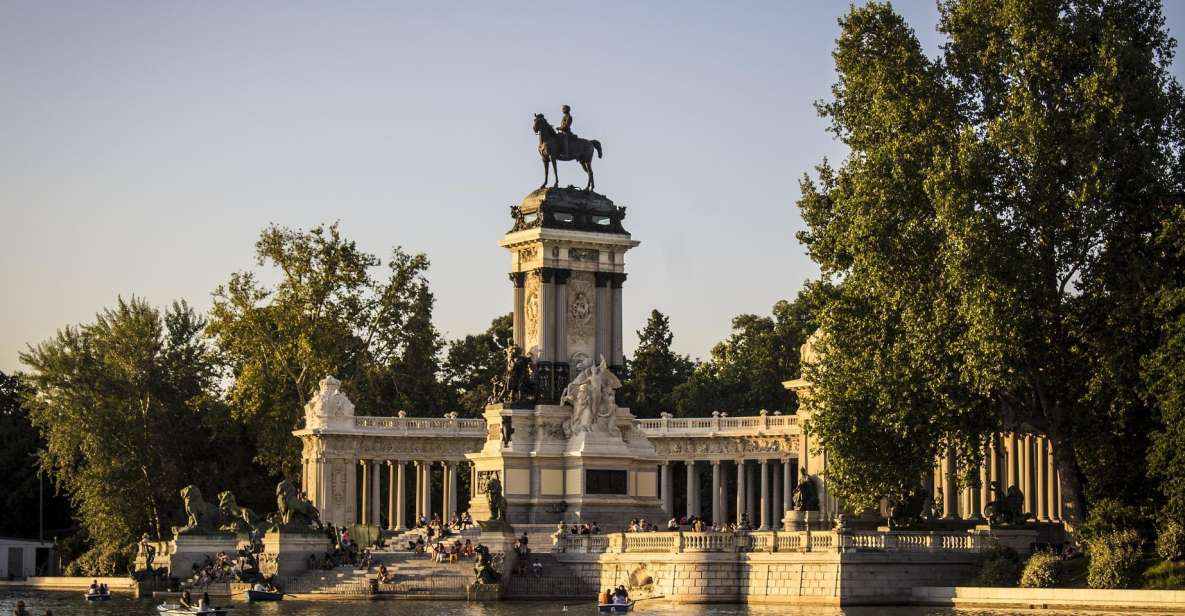
The Monument to Alfonso XII is a major “don’t miss” moment. This is where the tour’s theme—Retiro as public memory—clicks. Statues and monuments work best when you treat them as more than sculpture: they’re messages placed in a space people actually use.
Nearby, you’ll visit the Antigua Casa de las Fieras. The phrase means old animal house, but the real value is context: it signals that this park once hosted more than scenery. You’ll get a sense of how Retiro functioned as a show-and-recreation space at different points in time.
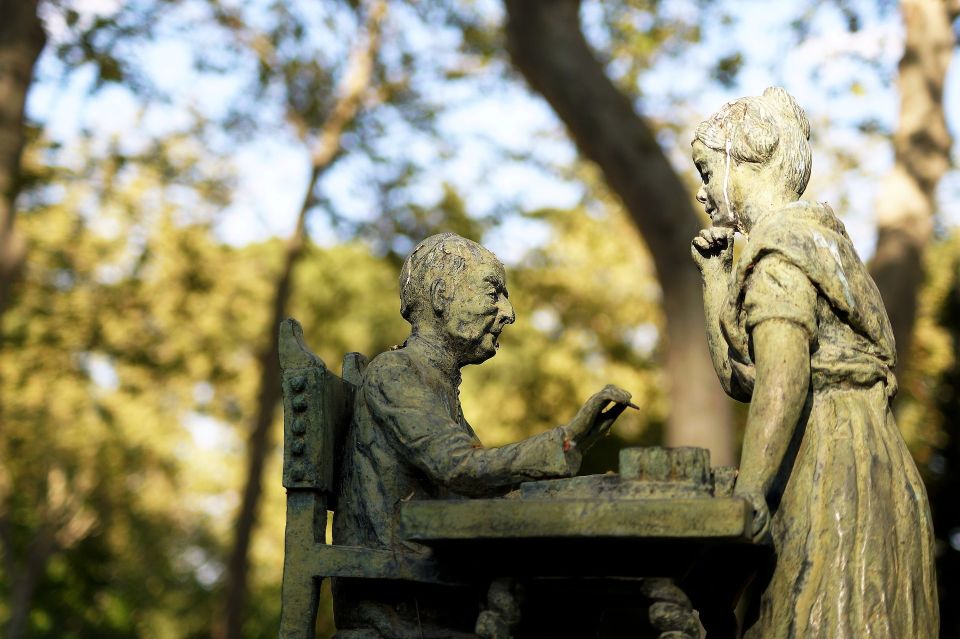
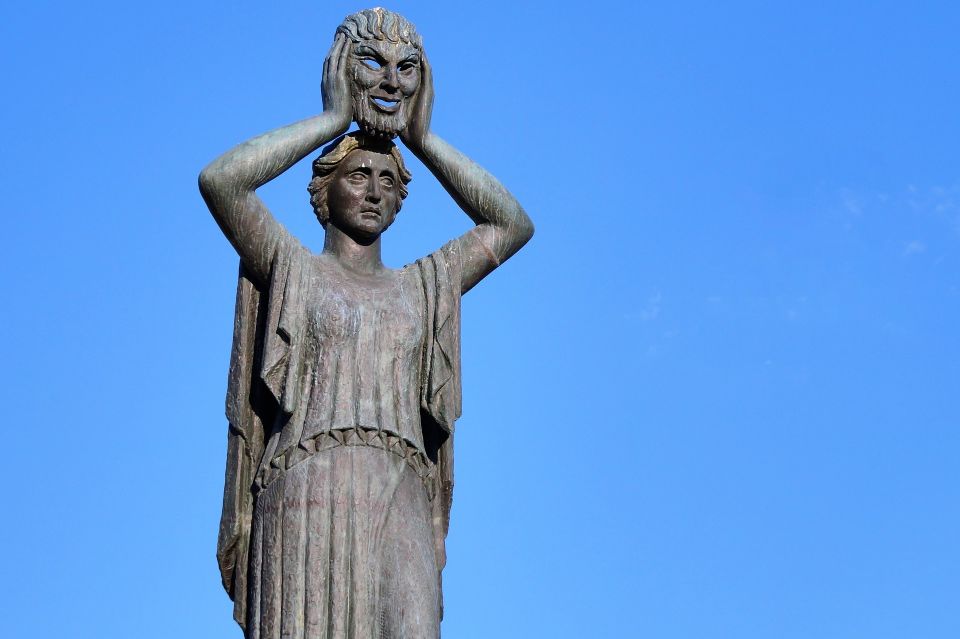
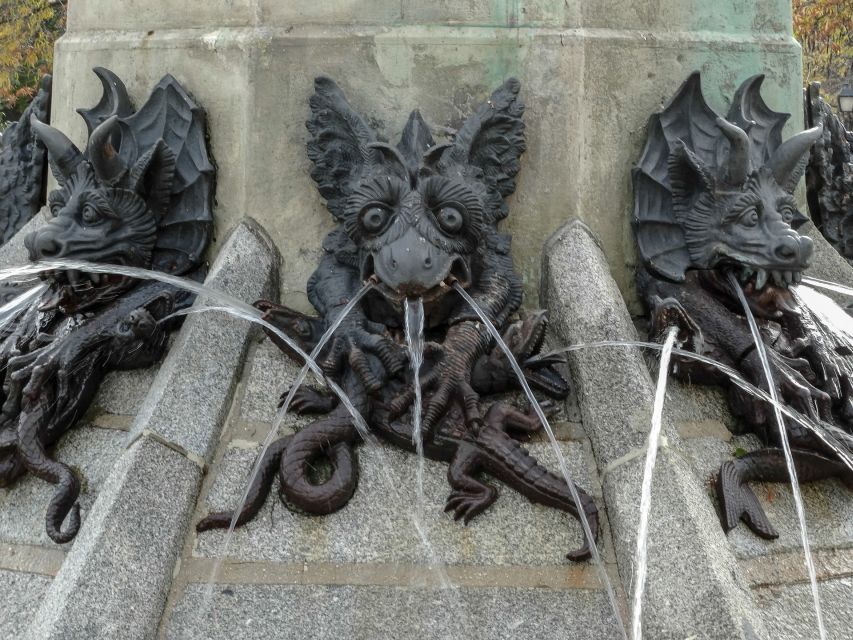
Then comes the Fountain of the Fallen Angel. It’s one of those pieces that feels memorable even if you don’t yet know the story behind it. With a guide, you’ll connect it to the broader artistic atmosphere of the park, and you’ll likely end up spending a little extra time photographing it from different angles.
Tip for this section: bring a phone with enough battery. Between statues, fountains, and open vistas, you’ll take more photos than you expect.
You can also read our reviews of more tours and experiences in Madrid





The Palacio de Cristal: where Madrid’s garden meets a glass-house classic
The Palacio de Cristal (Crystal Palace) is arguably Retiro’s most iconic structure. The key is how it changes your viewpoint: it creates a focal point that feels both elegant and slightly unreal, like a stage set inside the park.
This stop is also where you’ll appreciate architectural framing. If you’ve seen other European glass-house structures before, you’ll recognize the style cues. If you haven’t, you’ll still get the visual payoff because the building catches light in a way that changes throughout the day.
The drawback is that it can draw your attention away from the surrounding detail. So keep your eyes open beyond the building itself. The tour is structured to help you do that, so don’t rush through the explanation just to get the perfect shot.
Felipe IV Gate and the Royal Astronomical Observatory: architecture with a purpose
Two stops pull the tour into a more “Madrid-brain” zone: the Felipe IV Gate and the Royal Astronomical Observatory.
The Felipe IV Gate works well because gates are never just decorative. They function like statements about access, status, and how the park connected to the city. Even if gates don’t usually catch your eye, you’ll likely come away seeing it as part of how Madrid organized authority and movement.
The Royal Astronomical Observatory is a different kind of wow. It’s architectural and scientific at the same time. Retiro isn’t only a place for leisure; the tour shows how the park housed institutional ambition too, built over time and reflected in its ensembles from the 17th through the 21st centuries.
If you like history that feels grounded in buildings and real functions, this is where the tour delivers the most satisfaction.
San Isidro ruins: the quiet layer that makes the park feel deeper
One of the more intriguing elements you’ll learn about is the San Isidro ruins from the Romanesque period. They don’t dominate the park the way the fountains do, but they add gravity to the experience. You start to understand Retiro as a layered place—built on top of older Madrid stories.
This is also where a guided format helps. Without context, ruins can feel like background clutter. With it, you can appreciate them as evidence of how long this location has mattered, even as the park’s visible face changed.
If you’re the type who loves “how did this become this?” then don’t rush past the ruins explanation. Give it a few extra minutes mentally, even if you’re not spending a long time physically on-site.
Price and value: $11 can be a great deal, if it runs smoothly
The price is $11 per person for a 2-hour guided walking experience, with taxes included. In practical terms, that can be a bargain for a guided route that hits major landmarks like the Crystal Palace and includes a Spanish audio guide.
But I want to be real about value: with tours this cheap, you’re trusting the operator to manage staffing and meeting logistics well. Based on past issues that have shown up for similar bookings, there’s a risk factor—some people reported cancellations because of insufficient sign-ups, and others described cases where a guide didn’t show up. That doesn’t mean it’s guaranteed to happen, but it’s a good reminder to check for updates and be ready to adjust your plan if something changes.
If this is your only scheduled Retiro time, you might want a backup option in the same area (a self-guided stroll to the major monuments) so you’re not stuck.
What’s included, what’s not, and who this tour suits best
Included is a guide and Spanish audio (taxes included). Not included is food and drinks and there’s no hotel pickup/drop-off, so you’ll need to get to the meeting point yourself.
The tour is Spanish-only, and it’s not suitable for wheelchair users. If you use a stroller, the question becomes whether the group pace and park paths work for it, but the only explicit accessibility note here is about wheelchairs.
Student pricing exists, but it’s only for students up to 25 with a valid student card. If you don’t fit that, you’ll pay the standard rate.
Who will love this most:
- You want a guided way to read Retiro without studying guidebooks first
- You like architecture, fountains, and monuments connected to real historical shifts
- You’re okay walking for two hours and don’t need museum-style pacing
If you’re the type who already knows Retiro well and just wants relaxing time, you might prefer a self-guided plan and spend the money elsewhere. This tour is built to explain, not to lounge.
A practical stop-by-stop flow (so you know what your 2 hours feels like)
You’ll start at Puerta de la Independencia and then quickly move into open, landmark-focused areas. The pattern is consistent: short photo stop, then a guided explanation, then walking again. Expect that rhythm to repeat through the pond, statue promenade, and formal garden zones.
Your mid-tour energy usually peaks around the statue monument and major fountains, where the explanations add meaning fast and you’ll want to linger for photos. Later, the tour shifts toward architectural highlights like gates and observatory-related sites, and it ends with the Crystal Palace area feel—more structured, more iconic, more “Madrid postcard.”
If you want the most out of it, don’t multitask too hard. Keep your phone available for pictures, but let the guide finish a thought before you move on. That’s how you end up noticing what you wouldn’t spot alone.
Should you book the Secrets of Retiro Park 2-Hour Walking Tour?
Book it if you want a budget-friendly, guided Retiro that explains monuments, fountains, and key architecture in Spanish. The combination of the Great Pond area, major landmarks like the Crystal Palace, and the Royal science angle makes it a strong use of limited time.
Skip it (or be cautious) if your trip is tight and you can’t risk a no-show or last-minute cancellation. Because your cost is low, a disruption can feel extra annoying. If you can handle a Plan B and you’ll still enjoy Retiro even without the guide, then the odds are in your favor.
FAQ
Where is the meeting point for the tour?
Meet your guide at Puerta de la Independencia del Retiro.
How long is the walking tour?
The tour duration is 2 hours.
What language is the tour in?
The live tour guide is Spanish, and the audio guide included is also in Spanish.
Is the tour suitable for wheelchair users?
No. The tour is not suitable for wheelchair users.
Do you need to bring anything?
Bring a passport or ID card, comfortable shoes, and (if applicable) a student card.
Is food included in the price?
No. Food and drinks are not included.