REVIEW · MADRID
From Madrid: Escorial Monastery & Valley of the Fallen Trip
Book on GetYourGuide →Operated by Julia Travel Gray Line Spain · Bookable on GetYourGuide
El Escorial and the Valley of the Fallen are a one-day contrast in stone. I love the way the monastery’s geometry and royal spaces hit you fast, then the day flips underground for the world’s largest cross setting. One thing to plan around: this is a walking-heavy tour with lots of stairs, so it may feel too much if mobility is limited.
This is built for people who want the highlights without spending the whole day crossing Madrid traffic twice. You leave the city by air-conditioned coach, get a guided walkthrough at El Escorial, then switch gears for the Valley of the Fallen, where you’ll mostly look and explore on your own once inside the basilica area.
Here’s the practical catch: the schedule packs two major sites into about 5 to 5.5 hours, and the Valley stop can feel short if you like to linger.
In This Review
- Key things to know before you go
- From Madrid to El Escorial: what the ride and timing really mean
- Royal Monastery of El Escorial: the speed tour that actually shows you the point
- Habsburg Palace and the kings and princes mausoleums: what to look for
- Valley of the Fallen: the 152-meter cross and an underground church
- Time on the ground: why this feels like a highlight package
- Price and value for a $78 half-day combo
- Who should book, and who should skip this route
- Should you book this El Escorial and Valley of the Fallen trip?
- FAQ
- How long is the Madrid: Escorial Monastery & Valley of the Fallen trip?
- Where do the tours depart from in Madrid?
- What is included in the ticket price?
- Is this a walking tour, and are there stairs?
- Is it wheelchair accessible?
- Does the guide explain inside the basilica at the Valley of the Fallen?
Key things to know before you go
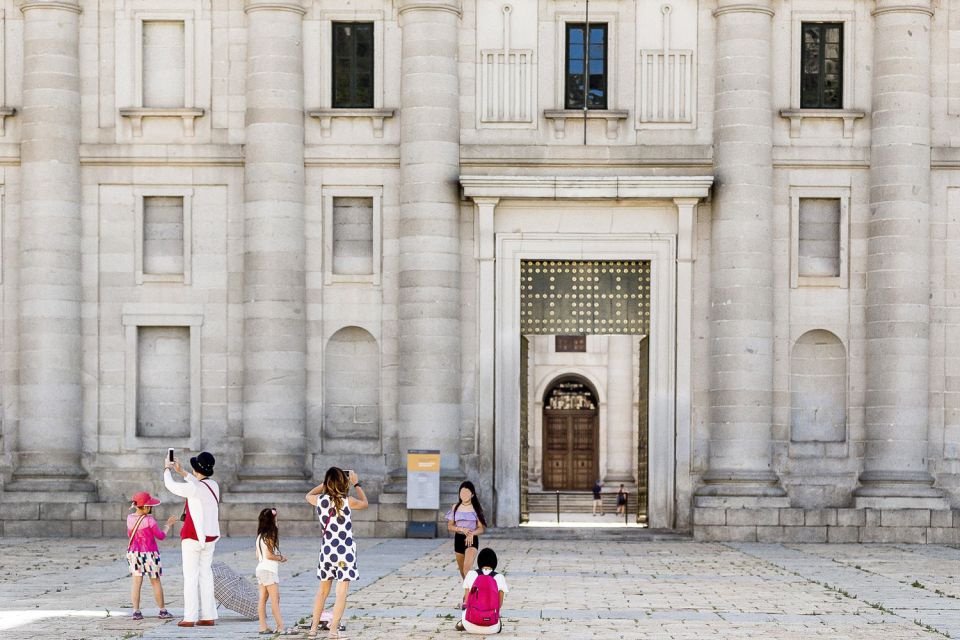
- Official admissions included to both El Escorial and the Valley of the Fallen basilica
- Small group size (max 30 travelers per guide) plus a radio guide system
- Guided highlights at El Escorial, including the Habsburg Palace areas and key royal burial spaces
- Valley cross visibility depends on weather, so fog can change the impact
- No guide explanations inside the basilica once you’re there, so you’ll self-explore
- Stairs are unavoidable across both sites, with the Valley especially demanding
From Madrid to El Escorial: what the ride and timing really mean
Most half-day tours from Madrid run on a tight rhythm, and this one does too. You check in at the partner’s office in central Madrid (C/ San Nicolás 15, next to Plaza de Ramales) about 15 minutes before departure, then you’re on a comfortable air-conditioned coach headed to the Escorial area.
The total on-road time is roughly an hour, which matters because it keeps the trip from turning into a full day. You arrive for the main guided block at El Escorial (about 1.5 hours), then you’re back on the bus for a short hop to the Valley of the Fallen. That pacing is great for first-timers, but if your idea of sightseeing is slow and scenic, you’ll feel the time pressure.
Group size stays reasonable for this kind of route. With up to 30 travelers per guide, plus a radio system, you’re not stuck playing interpretive games to hear the person at the front. In past groups, guides such as Jorge, George, Carmen, Manuel, Alex, and Joseph have been mentioned, and the common thread is clear, on-the-ground explanations tied to what you’re actually seeing.
Practical tip: wear shoes you can walk in for a while. Even if you don’t think you’ll do much “real walking,” the route inside both monuments is stair-and-corridor heavy.
You can also read our reviews of more tours and experiences in Madrid.


Royal Monastery of El Escorial: the speed tour that actually shows you the point
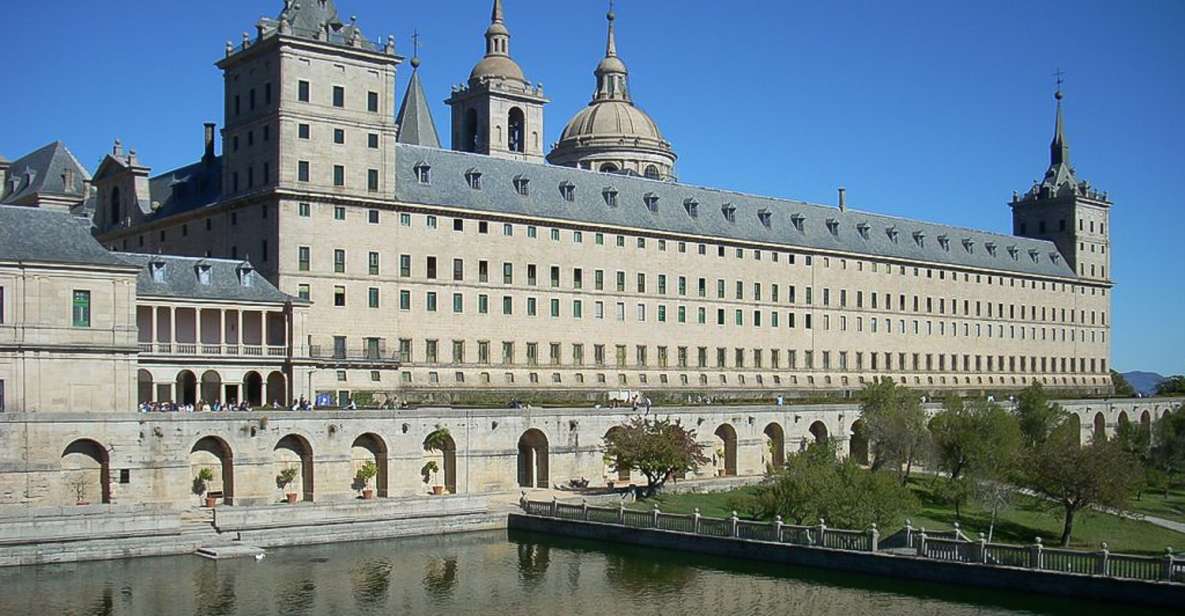
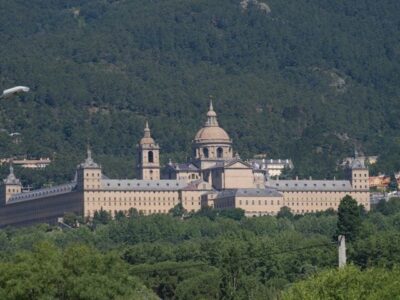
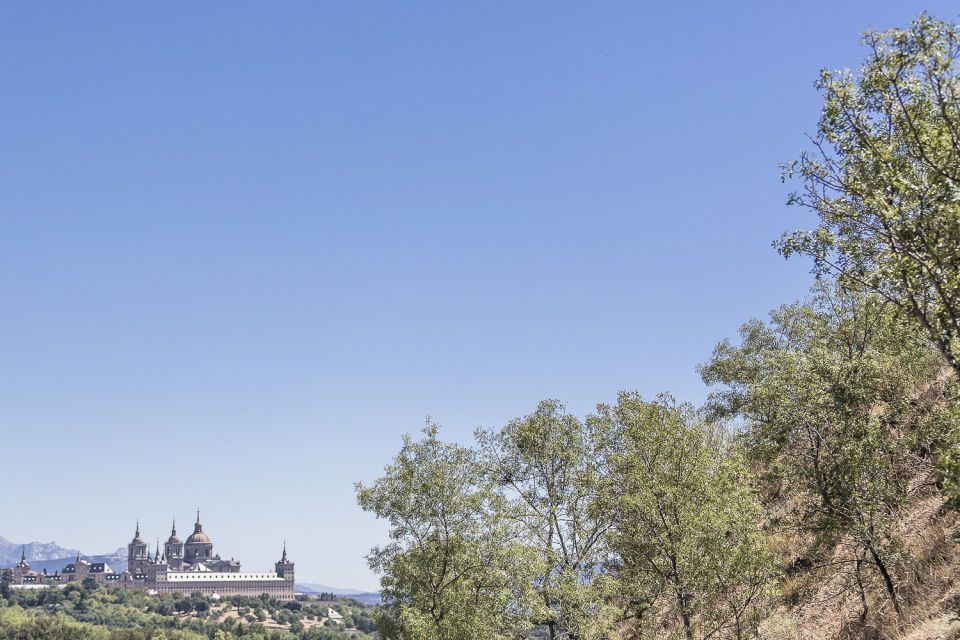
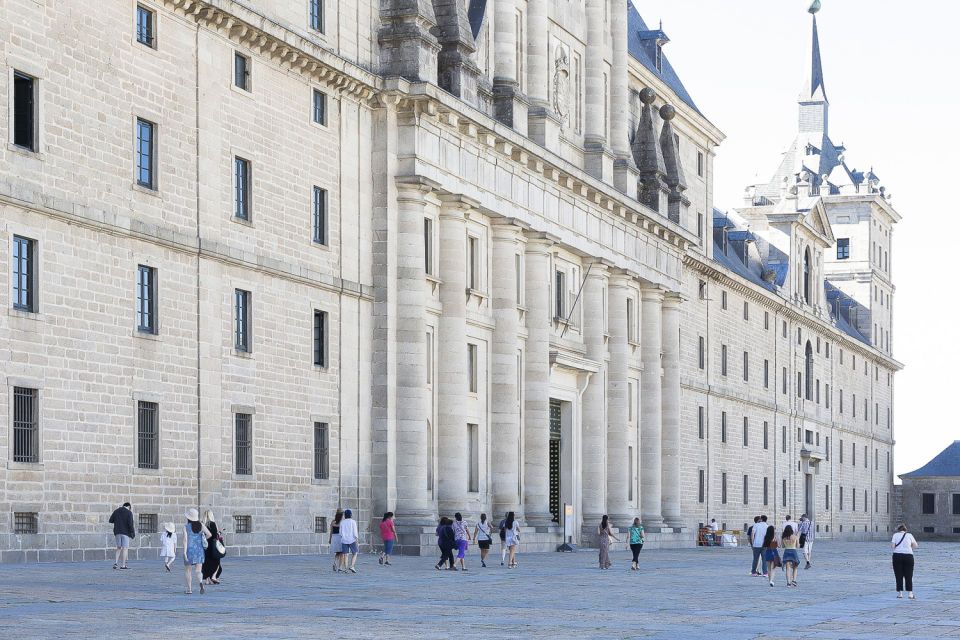
El Escorial is one of those places where you can spend hours and still feel like you barely scratched the surface. This tour doesn’t try to solve that problem. Instead, it aims at the areas that give you the strongest sense of the monument’s purpose and power: the Habsburg Palace zone, major church spaces, the Chapter House, and the building’s famous Renaissance-style symmetry.
Your guided time at El Escorial is about 1.5 hours. That length is long enough to understand the layout and walk the key highlights without turning it into a sprint where you’re too tired to absorb what you’re looking at.
What I like about this part of the day is how it’s structured around “see it, then understand it.” The Renaissance plan makes it easier to follow the big shapes: squares, axes, and repeating lines that keep drawing your eyes back to order and authority. Even if you’re not a hardcore architecture nerd, you’ll feel the effect.
You also visit major sections tied to the Spanish monarchy, including the spaces connected to the royal dead. That matters because El Escorial is not just a pretty monastery. It’s a statement in stone about rule, legitimacy, and display.
A realistic drawback: you won’t get everything. Some visits on this route can leave you wishing you’d had more time for the outside grounds or for less-central areas of the complex. If you know El Escorial is your priority, plan to return later on your own with extra hours, especially for lingering in gardens or catching viewpoints outside.
Habsburg Palace and the kings and princes mausoleums: what to look for
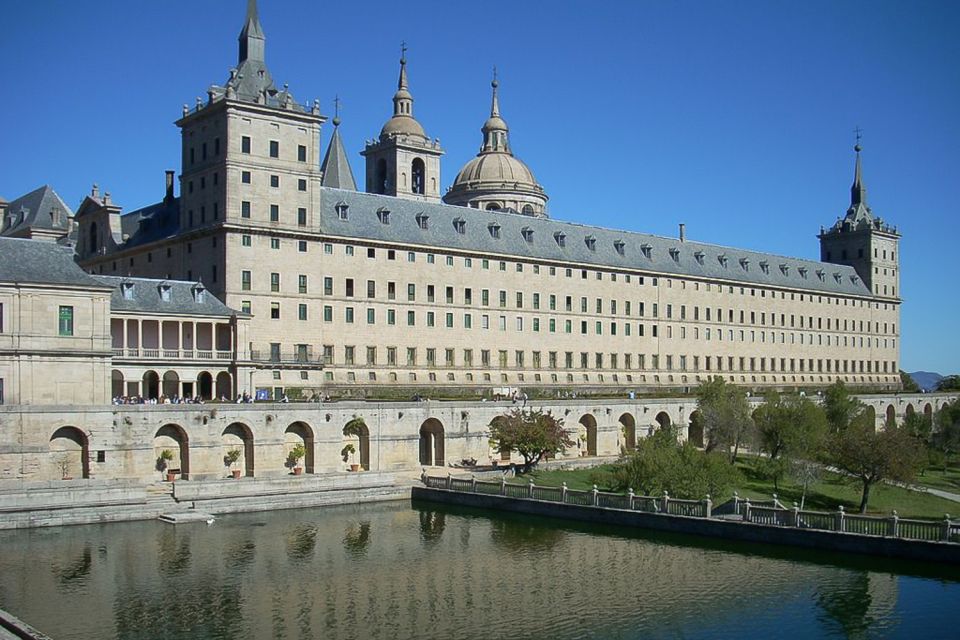
The highlights at El Escorial focus on the Habsburg presence. You’ll tour the Habsburg Palace areas and see burial spaces connected to Spanish royal figures, including the Kings and Princes Mausoleum.
The best way to enjoy this stop is to treat it like a “royal map” session. Your guide is there to connect the visuals you see with the role each space played. That’s the point of having a local official guide here, not just a ticket.
Also, watch your footing and your pace. A lot of movement happens inside, and the design encourages you to keep moving from corridor to courtyard to stair access points. It’s not one long room where you can just park yourself and stare.
If you’re the kind of visitor who likes to take photos, keep expectations flexible. One verified note for this route is that photography restrictions can apply at both locations. That means you should plan for more looking with your eyes than documenting everything with your camera.
Valley of the Fallen: the 152-meter cross and an underground church
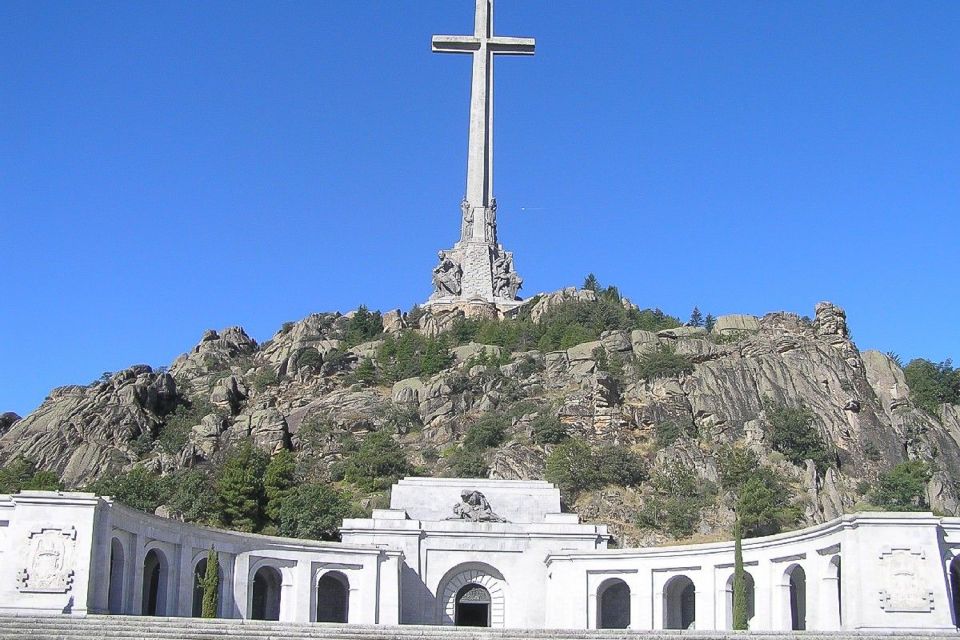
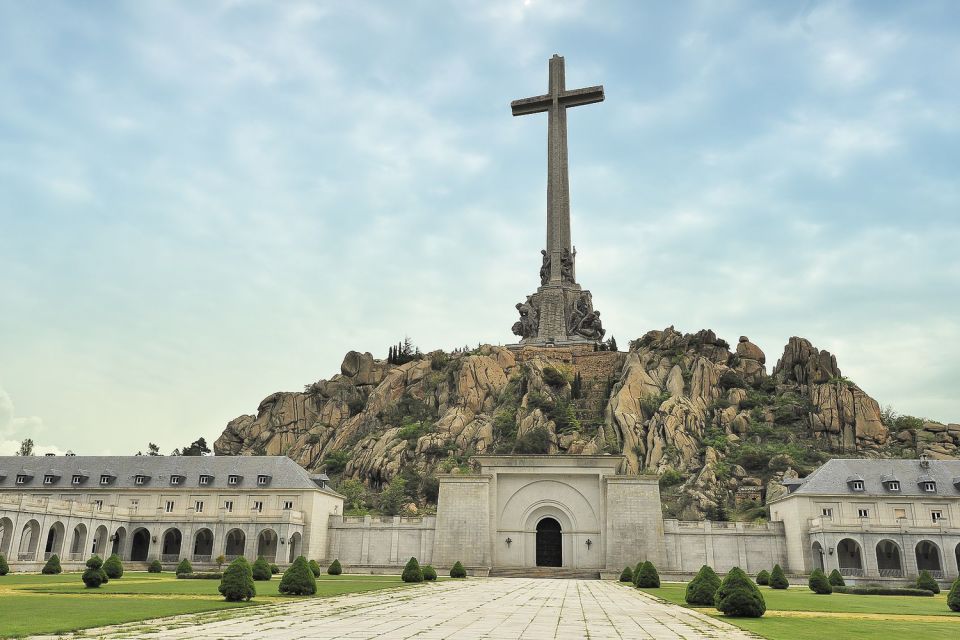
After El Escorial, you get the quick coach transfer to the Sierra de Guadarrama area. From far away, the Valley of the Fallen announces itself thanks to the huge cross built above the site. It’s 152 meters tall, and it’s designed to be visible from miles away.
Here’s the weather reality: if fog rolls in, the cross can disappear visually. One of the clearest examples from recent experiences is that fog can cover the crucifix, which changes the photo and the emotional impact. Even then, the site still hits, but the first “wow” moment may be muted.
This part of the monument is an underground church carved into the mountain. The basilica is below ground, which changes your whole experience. Instead of bright open courtyards, you get a more enclosed, echo-y space where scale feels different. The day’s contrast is real: bright stone grandeur above, then heavier, quieter space below.
Important rule for your expectations: the guide can’t give explanations inside the basilica. You’ll get information outside, then you visit the basilica area on your own. That doesn’t mean it’s less valuable. It just means you’ll want to slow down once you’re inside and read what you can, because you won’t have someone narrating every step in that specific space.
Many people also interpret the Valley of the Fallen through its role as a war memorial. Even if you come in with a neutral stance, you’ll still feel that the site is more than a landmark. It carries weight, and you’ll notice how visitors behave. Follow posted rules and move with respect.
Stairs note: expect a lot of stair movement here. One detailed review mentioned around 75 steps involved in reaching crypts. Even if the number varies by route or access, the theme is consistent: this is not a sit-and-stroll stop.
Time on the ground: why this feels like a highlight package
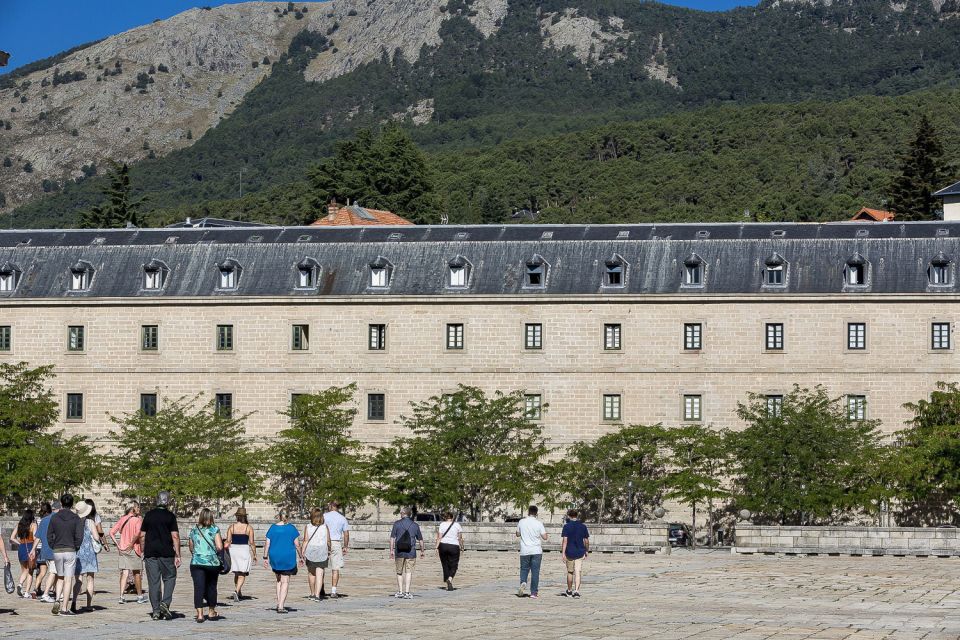
The total time at the Valley of the Fallen is about 50 minutes guided, plus your independent exploration inside the basilica area. That can be enough to get the big picture, especially if you’re also spending a full guided block at El Escorial.
Still, the schedule is tight. Several experiences point out that the Valley stop can feel short if you want extra time outdoors or time to take in the space more slowly. If you’re the type who reads every plaque and stands in every viewpoint longer than the group pace, you might feel a little rushed.
This is where good tour pacing helps. One strength of the format is that it builds in moments to roam and soak up the atmosphere, rather than forcing you into a nonstop line. But when the clock is ticking, you’ll have to choose what to prioritize. If you care most about the cross and outdoor views, focus there first. If you’re most drawn to the underground church, plan to move quickly from the front-of-site sights into the interior zones.
One more practical note: if you’re planning to photograph, expect restrictions. At least one verified experience for this route warns about no photos permitted at both locations, so assume you may be stopped if you try to shoot where rules are strict.



Price and value for a $78 half-day combo
At around $78 per person for about 5 to 5.5 hours, the value depends on what you’re trying to buy: convenience, guided interpretation, and admissions.
This price includes:
- Admission to the Royal Monastery of El Escorial
- Admission to the Valley of the Fallen and the basilica
- A local official guide
- Transportation by air-conditioned coach
- A radio guide system
- Tour coverage in English and Spanish
That bundle matters. Two-site admissions and guided time can add up fast if you try to assemble everything yourself, especially once you account for bus timing and the fact that you’re visiting places that make more sense with context.
The value sweet spot is when you want a tight, well-organized half-day that gives you the “what and why,” not just “where to stand.” The radio system and official guiding are small details, but they make a real difference in comfort and comprehension.
Could it be longer? Sure. But for $78, it’s an efficient way to cover two top-tier sites just outside Madrid without spending the whole day planning transportation or waiting around.
Who should book, and who should skip this route
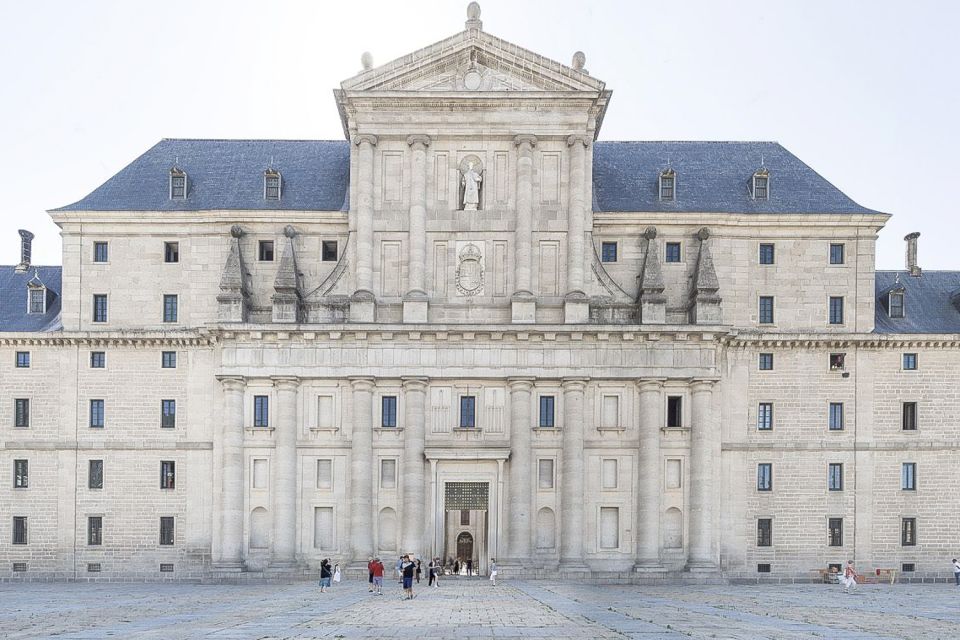
This tour makes the most sense if you’re:
- Seeing Madrid for a limited time and want to hit two major monuments outside the city
- Interested in the Spanish monarchy’s visual power and the major burial and church spaces at El Escorial
- Curious about the Valley of the Fallen’s scale, especially the huge cross and the underground basilica
- Comfortable with guided pacing and walking between key points
It may not be the best match if you:
- Have walking difficulties or reduced mobility
- Prefer fully accessible routes, because stair-heavy access is part of the architecture here
- Expect a long, slow, unstructured visit at either site
Language is flexible too. It runs in both English and Spanish, and you’ll usually be fine as long as you can hear the guide through the radio system. One note from a past experience mentioned a guide speaking quickly with an accent, so if you’re sensitive to fast speech, keep the radio volume up and don’t be shy about asking for repetition when you can.
Should you book this El Escorial and Valley of the Fallen trip?
If you want an efficient half-day that covers the big highlights at El Escorial and the Valley of the Fallen, I think this is a solid booking. You’re paying for admissions, official guiding, and coach transport, and you’ll get enough time to understand the sites rather than just pass them in a blur.
Book it if:
- You’re okay with stairs and walking
- You like a guided “hits package” more than a slow museum crawl
- Weather isn’t a deal-breaker for you, even though fog can affect how dramatic the cross looks from outside
Skip or reconsider if:
- Mobility is a concern
- You need lots of uninterrupted time inside either site
- You expect the guide to narrate everything inside the basilica (they cannot do that there)
In short: this is a high-impact day plan. Just go in with the right expectations about pace, stairs, and that underground visit being mostly self-explored once you’re inside.
FAQ
How long is the Madrid: Escorial Monastery & Valley of the Fallen trip?
It runs about 5 to 5.5 hours total.
Where do the tours depart from in Madrid?
Tours depart from the local partner’s office at C/ San Nicolás 15, next to Plaza de Ramales.
What is included in the ticket price?
Admission to the Royal Monastery of El Escorial, and admission to the Valley of the Fallen and the basilica, plus a local official guide, an air-conditioned coach ride, and a radio guide system.
Is this a walking tour, and are there stairs?
Yes. It is a walking tour on arrival at the sites, and the interior has a large number of stairs, so you should wear comfortable shoes.
Is it wheelchair accessible?
No. It is not recommended for people with walking difficulties or reduced mobility, and it is not suitable for wheelchair users.
Does the guide explain inside the basilica at the Valley of the Fallen?
No. The guide cannot provide explanations inside the basilica, and you’ll visit that area on your own after the outside information.