REVIEW · MADRID
Las Ventas: Bullfighting Hall, Museum and Tour of the Bullring
Book on Viator →Operated by Las Ventas Tour · Bookable on Viator
Bullfighting culture comes alive at Las Ventas. This 2-hour experience mixes museum viewing with an in-depth, inside-the-bullring look, then finishes with Salon Bullfighting where you watch student matadors and even try the cape.
Two things I really like: the way the guide connects the building to Spanish history and craft, and the hands-on part where the techniques make sense fast. One thing to consider: you need to be sharp about meeting your guide at the entrance, because the staff setup can be easy to miss if you arrive slightly late.
In This Review
- Key Highlights
- Las Ventas: More Than a Stadium Stop
- What You Pay For: Museum Entry + Inside Access + Salon Training
- Finding the Right Spot at Las Ventas (Before the Tour Starts)
- Your Inside Walk: What the Guide Helps You Notice
- The Las Ventas Museum: Context You Can Actually Use
- Salon Bullfighting: Capes, Flags, Crutch, and Hands-On Understanding
- Guides Matter: Carlos, Pablo, Palomo, and the Lesson Style
- Who Should Book This (and Who Might Skip It)
- Should You Book Las Ventas?
- FAQ
- How long is the Las Ventas Bullring tour?
- What’s included in the ticket price?
- Is transportation included?
- What languages are available?
- Is this a private tour or a shared group?
- Where do we meet?
- Do I need to print anything?
- What if the weather is poor?
Key Highlights
- Private guided access to Las Ventas, not just a quick walk-through
- Museum entry included, with context that helps the arena feel meaningful
- Salon Bullfighting activity included, simulated with students in full training mode
- Practice time with the heavy cape, plus lots of teaching on how lots work
- English options available, plus Spanish or French guided support
- Small-group feel since it’s private for your group
Las Ventas: More Than a Stadium Stop
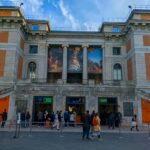
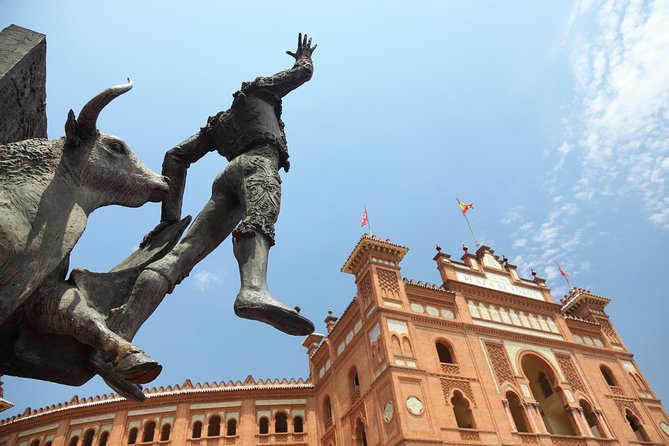
Las Ventas is one of those Madrid landmarks that looks dramatic from the outside and still manages to feel bigger once you’re inside. The building itself is part monument, part working arena, and the staff take pride in the tradition. What makes this experience work is that it doesn’t treat the bullring like a museum prop. It treats it like a living system: entrances, spaces, routines, and the choreography that happens around the ring.
I like that you get a guide who explains not only what you’re seeing, but why people care so much about it. You’ll hear how Las Ventas fits into Spain’s sporting culture and how techniques and performance evolved over time. And because you’re not stuck outside, you also get views that help you picture how a bull’s route and a fighter’s timing actually connect.
There’s also a strong cultural learning angle. Even if you don’t love bullfighting as an event, the craft side is easier to understand when someone walks you through the “how” and the training mindset. You come away seeing skill and ritual, not just spectacle.
You can also read our reviews of more museum experiences in Madrid

What You Pay For: Museum Entry + Inside Access + Salon Training
At $108.61 per person for about 2 hours, this isn’t a budget add-on. But it’s also not just “see the building and move on.” You’re paying for a bundle that includes: entrance to the museum, private guided visits inside the bullring, and the Salon Bullfighting activity with admission included. A guide is available in English, Spanish, or French.
That combination is what makes the value click. Museum tickets alone in major sites can be pricey. Here, you’re stacking museum time with guided access to behind-the-scenes areas and then topping it off with a teaching session. In other words, you’re paying for interpretation plus interaction, not only entry.
Also, the tour is private for your group. That matters. You’ll get more space to ask questions, and the guide can pace the visit to your comfort level. If you’re the type who likes to understand context before taking pictures, this format is a win.
One note on expectations: the Salon Bullfighting is a complete simulation, run with students from Madrid’s bullfighting school in training-style costumes. You’re not going to see a live event. You are going to learn lots of practical “fighter tools” like how capes, flags, and the crutch are used, plus how a lesson is structured in the school setting.
Finding the Right Spot at Las Ventas (Before the Tour Starts)
The meeting point is simple on paper: Las Ventas Bullring, C. Alcalá, 237, Salamanca, 28028 Madrid. The experience ends back at the same meeting point. The catch is that the bullring is busy around key hours, and the guide presence isn’t always obvious at first glance.
One practical tip I’d give you: don’t just stand outside and wait. Go to the main entrance area and scan for the tour staff setup. In at least one case, the guide contact was called from a green booth inside the main entrance. If you’re traveling with kids or your group splits, agree on a regroup spot at the entrance so nobody has to sprint halfway around the building.
Also, arrive with enough buffer that you’re not rushing. When you’re here, you’re going to move through security and interior spaces, and you’ll want your energy for the museum and the practical session.
Your Inside Walk: What the Guide Helps You Notice
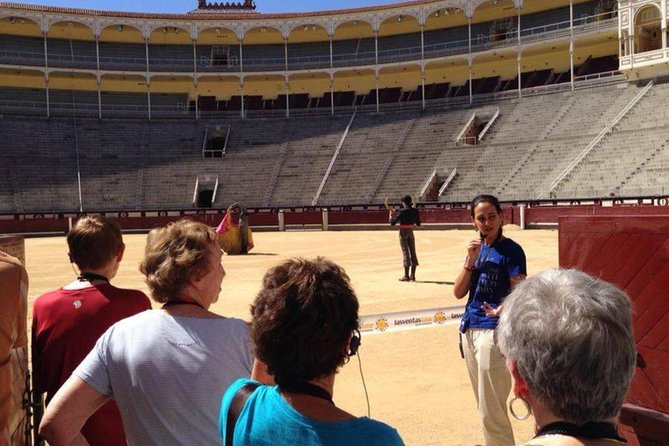
Once you’re inside, the guided portion changes how you experience Las Ventas. Without interpretation, a bullring can feel like architecture first and culture second. With a strong guide, you start noticing how the space functions.
I really like that you’re guided through the interior areas where the training and movement makes sense. People have described seeing areas connected to where bulls and horses stay and how they come into the ring area. Even if your exact route varies by day, you can count on the tour focusing on the parts that help you understand the flow of an event.
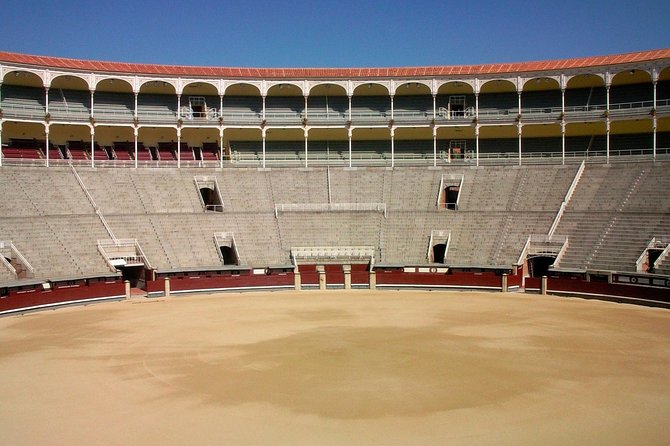
This is where the guide’s role becomes more than storytelling. You’ll see the ring from angles that make the scale easier to grasp, and you’ll learn what different spaces are for. You’ll also pick up small details that help you interpret the design and traditions you’ll spot in the museum later.
Expect your guide to talk through the art form like it’s a craft. The tone tends to be respectful but honest, and it helps you appreciate why many Spaniards treat bullfighting traditions as part of cultural identity. If you’re coming in curious rather than judgmental, this part gives you a better lens for the whole visit.
The Las Ventas Museum: Context You Can Actually Use
The museum piece is included, and it’s not just a bunch of glass cases. The value is in the way the guide connects artifacts and displays to the techniques and the arena itself.
I found the museum most satisfying when it’s treated like a map. Instead of seeing it as separate rooms, you learn how it supports what you’ll later understand during the Salon Bullfighting session. You get background on the sport, plus insight into how Las Ventas became such an important venue.
What I like most is that you don’t just memorize dates. The guide tends to explain how history shaped practice and why certain elements remain. That gives the museum a purpose: it turns the building and the lesson into one connected story.
If you’re short on time in Madrid, think of this as a “high signal” museum stop. The tour structure helps you avoid the common problem of staring at items and wondering what you’re supposed to care about.




Salon Bullfighting: Capes, Flags, Crutch, and Hands-On Understanding
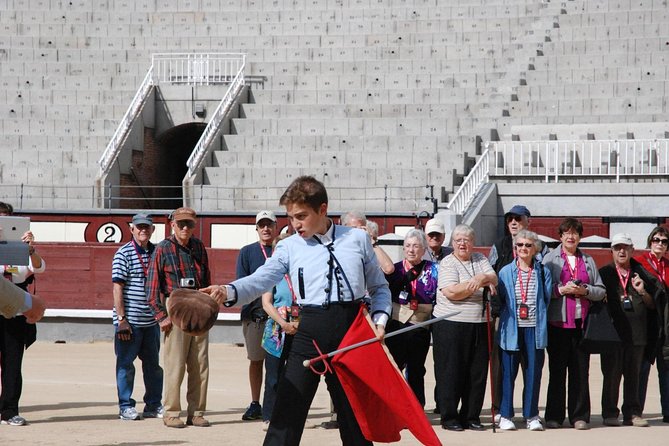
This is the part most people end up remembering. The Salon Bullfighting activity is designed to simulate a bullfight setting without the real-event context. It’s run with students of different ages from Madrid’s bullfighting school, dressed in short bullfighter costumes.
You’ll watch demonstrations that explain the lots of cape, flags, and crutch. And then you’re not stuck watching only. You can practice yourself, which is the quickest way to understand why matadors talk about strength, timing, and control.
One detail that keeps coming up: the capes are heavy. When you hold one, you immediately understand why technique matters. It’s not just waving cloth; it’s managing weight, movement, and distance. That reality check is useful even if you already know the basics.
The practical component also changes how you perceive the students. They’re not doing random show moves. They’re demonstrating trained mechanics, and they can answer questions in the moment. In some cases, groups have also been able to try a bullfighting-style activity using VR, but only a portion of visitors reported that element, so treat it as a possible extra rather than a guarantee.
If you’re visiting with teens or curious adults, this is the section that turns culture learning into something you can feel in your own hands.
Guides Matter: Carlos, Pablo, Palomo, and the Lesson Style
This tour is only as good as the guide, and the results are strong. Names that have shown up in people’s experiences include Carlos (mentioned often), Pablo, Guillermo, and Palomo. There’s a pattern too: guides are praised for connecting history to the way the arena works, then keeping the tone lively enough that the lesson doesn’t feel like a lecture.
A guide’s personality matters here because the subject can be emotionally charged for some visitors. A good guide finds the balance: respect for a tradition, clear context on how it’s practiced, and an explanation of skill without needing you to share every viewpoint.
You’ll also likely meet young instructors from the bullfighting school during the Salon segment. Names like Brian and Christian have been mentioned, along with a Manuel demonstration. That student component makes the tour feel current, not stuck in old photographs.
If you get a guide who can answer questions clearly, the whole visit clicks. This is especially true for first-timers who want to understand what they’re looking at before they start forming opinions.
Who Should Book This (and Who Might Skip It)
I think this tour is best for you if you want a cultural experience that’s hands-on and organized. It’s a good fit for visitors who enjoy architecture with a story, museums with meaning, and short interactive lessons where you learn something practical instead of only watching.
You’ll probably enjoy it even more if you like sports history and technique. The Salon Bullfighting part is the best “bridge” between learning and participation. It’s also a strong pick for families with older kids who can handle a structured activity for about two hours.
On the flip side, you might want to reconsider if you’re strongly uninterested in bullfighting as a topic, even in a simulation format. This is centered on the bullring and the tradition. There’s context and craft, but the theme is still bullfighting culture.
Also remember: the experience is said to require good weather. Even if the key parts are indoors, plan so a weather shift won’t derail your day. I’d keep your schedule flexible.
Should You Book Las Ventas?
If your goal is a meaningful Las Ventas visit that goes beyond photos and gives you both context and a chance to participate, I’d book this. The museum + private guided access + Salon Bullfighting mix is a rare combination in one sitting, and the private format helps you get answers without feeling rushed.
Book it if you want to understand the craft behind the performance and appreciate why Las Ventas is such a cultural touchstone in Madrid. Pass if you only want a quick architectural stop, or if you don’t want your time spent centered on bullfighting tradition in any form.
FAQ
How long is the Las Ventas Bullring tour?
It’s listed at about 2 hours.
What’s included in the ticket price?
You get entrance to the museum, private guided visits to the bullring, a guide available in English, Spanish, or French, and the Salon Bullfighting activity (admission included).
Is transportation included?
No. Transport is not included.
What languages are available?
The guide is offered in English, Spanish, or French.
Is this a private tour or a shared group?
It’s private for your group only.
Where do we meet?
The tour starts at Las Ventas Bullring, C. Alcalá, 237, Salamanca, 28028 Madrid, Spain and ends back at the meeting point.
Do I need to print anything?
No. It’s a mobile ticket.
What if the weather is poor?
The experience requires good weather. If it’s canceled due to poor weather, you’ll be offered a different date or a full refund.