REVIEW · MADRID
Madrid: cheese tasting with wine pairing.
Book on GetYourGuide →Operated by PAURORA EXPERIENCES S.L · Bookable on GetYourGuide
Cheese and wine in central Madrid. You get an expert-led, short-course tasting that focuses on Spanish cheeses with D.O. and how to match them with wine from specific regions, so it’s not just food samples—it’s a mini lesson you can use next time you order tapas. The one catch: it’s not suitable for vegans, and it also isn’t recommended when you’re under the weather.
This is a great choice if you want to start your Madrid food education without wrestling with menus. It’s held in the Plaza Mayor area and runs in a small group format, with English/Spanish instruction. In at least one session, the host Marcos set the tone as friendly and conversation-like, not stiff.
In This Review
- Key things to know before you go
- A short tasting that teaches you how to pair in Madrid
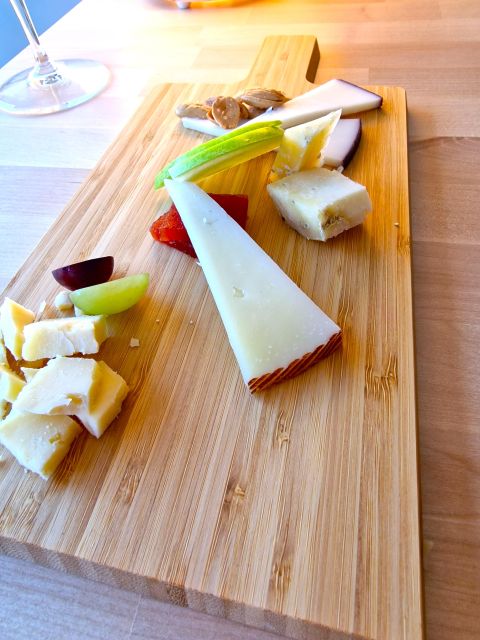
- Inside the tasting: the cheese lineup you’ll actually taste
- Mahón (Menorca) cow cheese (D.O.)
- Cabezuela (Madrid) goat cheese (D.O.)
- Goat cheese with wine from Murcia (D.O.)
- Gamoneu (Asturias) sheep/goat/cow cheese (D.O.)
- How the wines pair: Murcia, Andalusia, Castilla-La Mancha, Valencia
- Murcia red: bringing structure to goat-forward flavors
- Andalusia fine wine: a smoother mid-course pairing
- Castilla-La Mancha white: the palate reset
- Valencia red: rounding out the finish
- What the expert actually does during the tasting
- Timing, pace, and how long it takes to feel satisfied
- Getting there near Plaza Mayor (and what “second floor, Door A” means)
- Price and value: is $57 per person fair?
- Who should book this cheese and wine pairing
- Booking checklist for a smooth tasting
- Should you book this Madrid cheese tasting?
- FAQ
- What is included in the Madrid cheese tasting and wine pairing?
- How long does the experience last?
- What cheeses and wines are part of the tasting?
- What languages is the guide available in?
- Is it a small-group experience?
- Is this experience suitable for vegans or children?
- Where do I meet for the activity?
Key things to know before you go
- Four cheese samples, each tied to a protected origin (D.O.) so you taste regional identity, not generic labels
- Four wine pairings from distinct Spanish regions including Murcia, Andalusia, Castilla-La Mancha, and Valencia
- A guided explanation of pairing logic, so you’ll understand why flavors work together
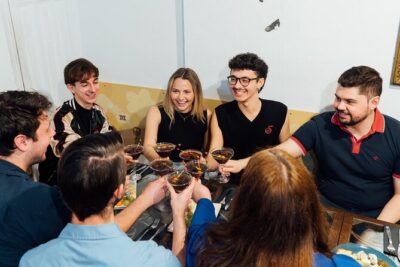
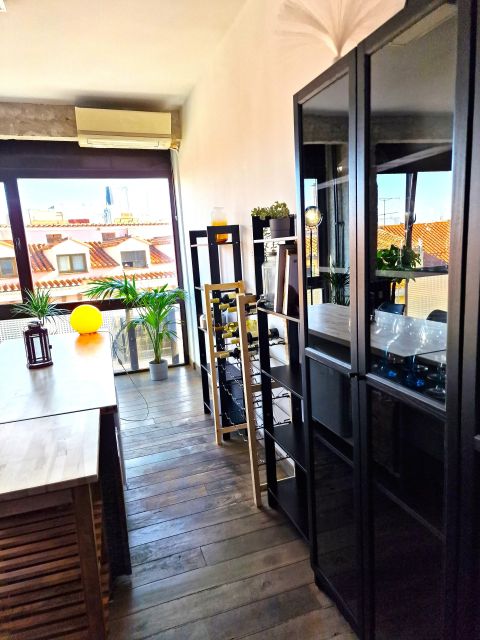
- A cozy, elegant tasting setup that makes it easy to focus without the chaos of a busy market
- Small group format, which helps you get answers instead of just hearing a lecture
A short tasting that teaches you how to pair in Madrid
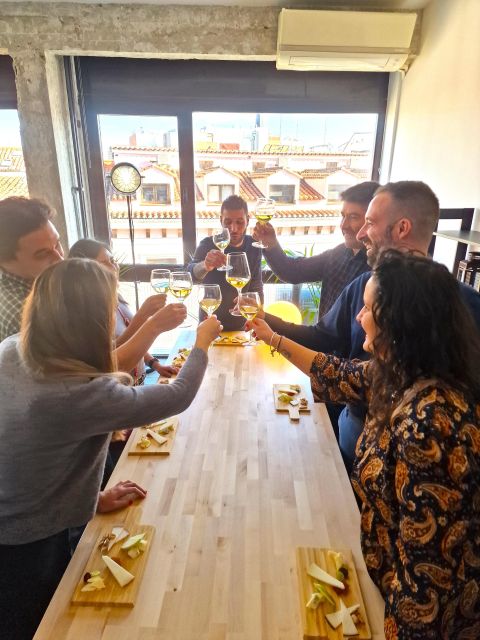
If you love Spanish food, cheese is a smart place to go early. It’s everywhere—on boards, in bocadillos, in casual plates next to cured meats—but most people don’t really know what they’re tasting. This experience is built to fix that in 1 to 2 hours.
You’ll sit down with an English- or Spanish-speaking instructor and go through a sequence of cheese-and-wine pairings. The goal is simple: help you notice texture, salt level, milk character, and aging effects in the cheese, then connect those traits to the wine you’re drinking. By the end, you’re not just full—you’re better at ordering on your own in Spain.
The value for me is the pairing focus. A tasting where you only sample food is fun, but it doesn’t change how you eat next week. Here, you learn the why, which turns the whole thing into a skill you can reuse.
You can also read our reviews of more food & drink experiences in Madrid


Inside the tasting: the cheese lineup you’ll actually taste
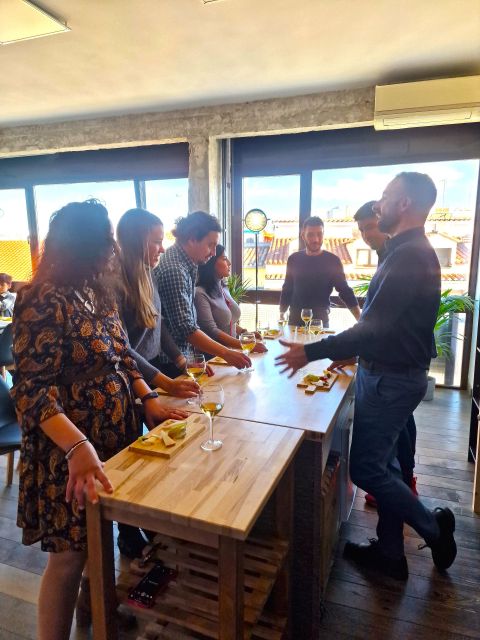
This tasting centers on four cheeses with protected designation of origin, meaning each one is linked to a specific geographic tradition. That matters, because Spanish cheeses aren’t a single style—they span cow, goat, and sheep/goat/cow blends, plus different aging habits.
Here’s what you’ll encounter:
Mahón (Menorca) cow cheese (D.O.)
Mahón is cow-milk cheese from Menorca. Expect a flavor profile that feels more structured than many fresh cheeses, with a salty, slightly nutty direction that pairs well with wines that have balance and not-too-aggressive tannins. This is the kind of cheese that helps you calibrate your palate before you move into the goat and mixed-milk styles.
Why it works in a tasting: cow cheeses often read clearly on the tongue, so you can start noticing contrast and acidity in the wines right away.
Cabezuela (Madrid) goat cheese (D.O.)
Next comes goat cheese from D.O. Cabezuela (Madrid). Goat cheeses tend to have a more distinctive tang and a firmer personality. In pairing terms, you usually want a wine that won’t fight the cheese’s acidity; you want something that either supports it with fruit or smooths it with structure.
Why this matters for your Spain trip: once you’ve tasted a regional goat from Madrid’s own cheese map, you’ll recognize what to look for when you see goat options later in bars and cheese shops.
Goat cheese with wine from Murcia (D.O.)
This one is more unusual: goat cheese with wine from D.O. Murcia. The wine component can add extra aromatic notes and shift the flavor impression. It’s also a good “pairing challenge,” because the wine influence in the cheese and the wine you’re drinking can either harmonize or clash if they’re not matched well.
What to pay attention to: whether the cheese feels more aromatic and whether the wine pairing makes the flavors seem rounder instead of sharper.
You can also read our reviews of more wine tours in Madrid



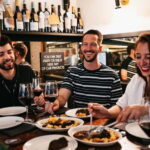

Gamoneu (Asturias) sheep/goat/cow cheese (D.O.)
Finally, you’ll taste Gamoneu from Asturias, a blend of sheep, goat, and cow milk. Mixed-milk cheeses often land in the middle—complex enough to stay interesting but balanced enough to pair across different wine styles. Gamoneu’s character typically gives you a deeper, more lingering finish, which makes it a strong closing cheese.
Why it’s a smart capstone: by the end, you should be able to connect how milk type and richness affect your wine choice.
How the wines pair: Murcia, Andalusia, Castilla-La Mancha, Valencia
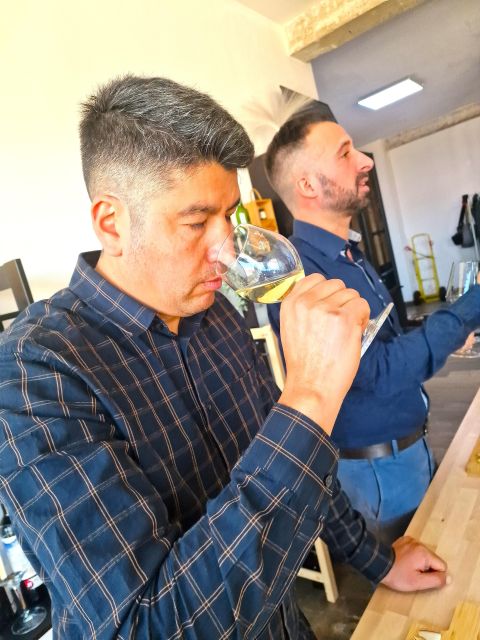
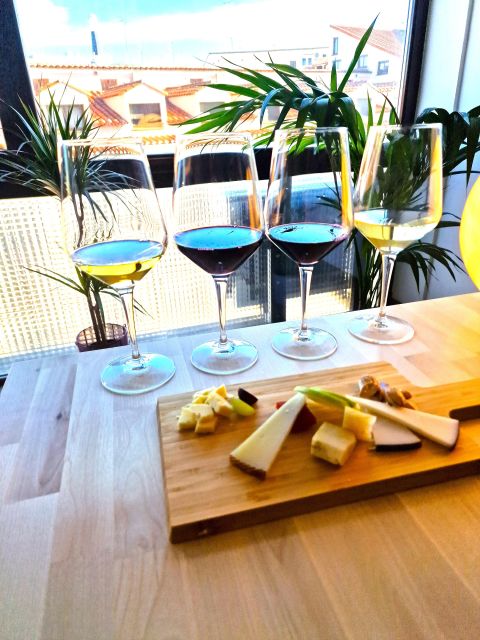
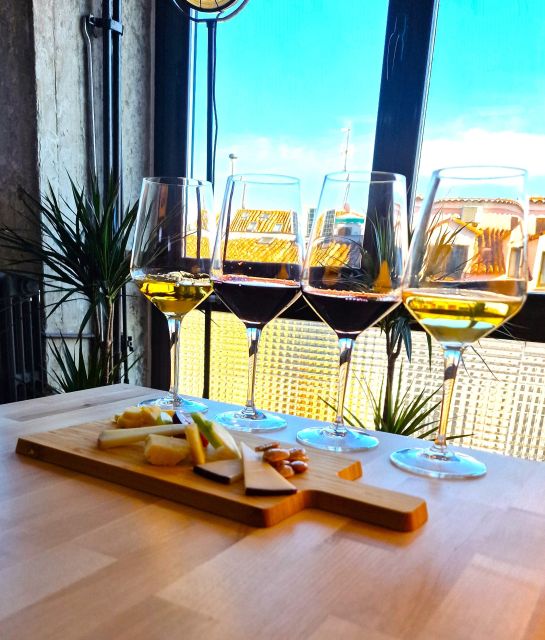
Wines are not random here. You get four Spanish wines matched to the cheese sequence, and each one represents a different region and style direction.
You’ll drink:
- Red wine from Murcia
- Fine wine from Andalusia
- White wine from Castilla-La Mancha
- Red wine from Valencia
Murcia red: bringing structure to goat-forward flavors
Murcia’s red is paired to fit the cheese progression, especially when you move into goat territory. Red wines can work well when they have enough fruit and balanced tannins, so you don’t get a harsh, dry finish against salty or tangy cheeses.
Andalusia fine wine: a smoother mid-course pairing
The Andalusia wine is your fine-wine moment. Even if you’re not a wine expert, fine wine usually means a more careful balance—less “sharp edges,” more harmony. This is the kind of pairing that makes cheeses feel like they “sit better” on the palate.
Castilla-La Mancha white: the palate reset
A white wine from Castilla-La Mancha helps reset everything. Whites often bring acidity and freshness, which can cut through richness and keep the tasting from feeling heavy. This is especially helpful if you’ve started to notice that cheeses can get buttery or dense.
Valencia red: rounding out the finish
The red from Valencia closes the sequence. A final red pairing is where you want everything to click: the cheese finish, the wine aftertaste, and how both linger. If the pairing is done well, your last bite-and-sip combo should feel like a clean landing, not a shrug.
What the expert actually does during the tasting
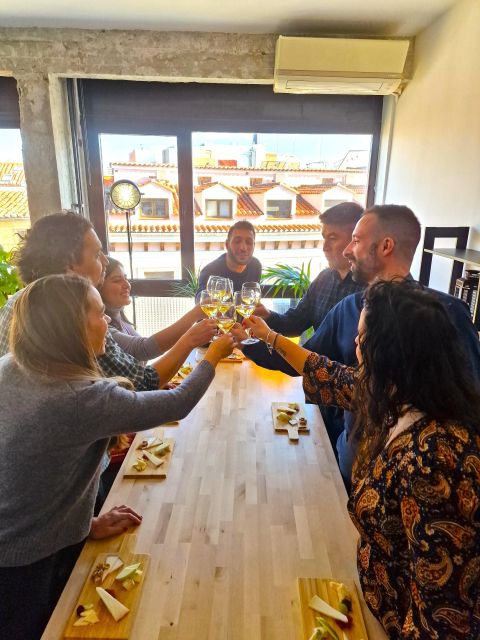
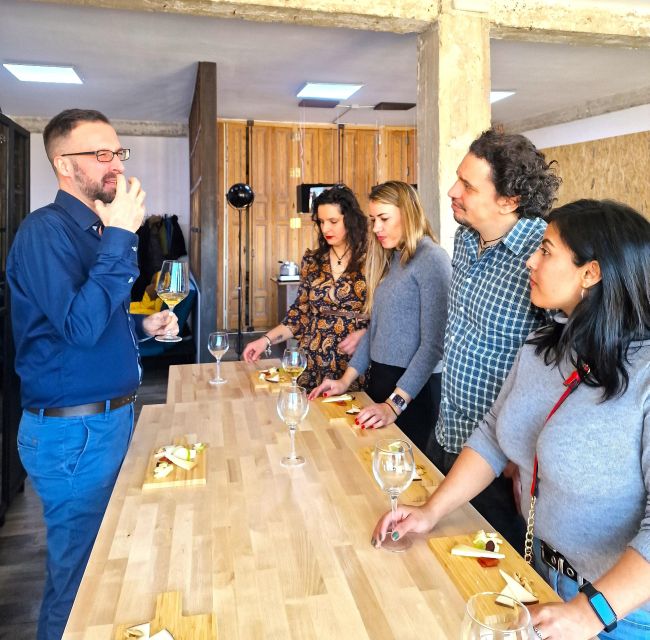
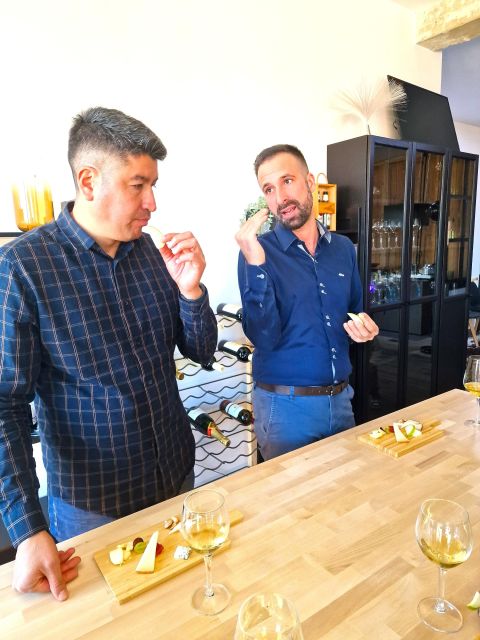
This is guided by a local expert, and the best part is that the teaching style feels practical. You’re not just being told facts; you’re being taught how to use what you taste.
In at least one session, the host Marcos made it feel like a personal gathering—funny, relaxed, and more like conversation than presentation. That matters because if you’re asking questions, you’ll learn faster. And since the tasting includes multiple milk types and multiple D.O. origins, it’s useful to have someone connect the dots for you.
Expect explanations that cover:
- what to notice in each cheese
- how wine traits interact with those flavors
- details about regions of origin
- a bit of Spain’s gastronomic culture and background (the why behind the cheese traditions)
If you like eating with a purpose, this format gives you something to take home besides photos: a framework.
Timing, pace, and how long it takes to feel satisfied
The tasting runs 1 to 2 hours, depending on the starting time and how the group flows. That duration is just right for busy Madrid days. You can fit it before a long walk, after a sightseeing block, or as a low-stress first foodie stop.
The pace also matters. With a small group, the conversation doesn’t move too fast, and you can usually taste slowly enough to actually notice differences between cheeses and wines.
One practical tip: if you’re planning this on your first day, you’ll get more out of it while your questions are still fresh. Seeing how pairing logic works will make your later tapas and wine orders feel less random.
Getting there near Plaza Mayor (and what “second floor, Door A” means)
This is in central Madrid, near the Plaza Mayor area, which is a big plus. You don’t want a cheese tasting that turns into a transit project.
When you arrive, you’ll need to go up to the second floor and look for Door A. The activity ends back at the meeting point, so you’re not dealing with drop-offs or end-of-tour confusion.
If you’re walking from a nearby landmark, give yourself a little extra buffer. One real-life detail from a past session: when Marcos found a guest was late, he rebooked them for the next day at no extra charge. That’s not something you should count on, but it hints that the team communicates and works with timing when needed.
Price and value: is $57 per person fair?
At $57 per person, you’re paying for more than cheese. You’re paying for:
- four D.O. cheeses (not just cut-and-serve samples)
- four wine pairings from multiple regions
- guided explanations from an instructor who helps you connect flavors
- a small-group experience in a prime central location
Cheese-and-wine tastings in Europe often cost more once you factor in the expertise and the fact that you’re tasting curated, region-linked products. Here, the D.O. detail is key. Protected origin labeling isn’t just marketing; it signals tradition and constraints that usually lead to more interesting results than generic imports.
Is it a budget activity? Not exactly. But for many people, this becomes one of the most cost-effective “food lessons” on a trip—because it upgrades how you choose food and wine afterward.
Who should book this cheese and wine pairing
You’ll probably love it if:
- you already like cheese and want to understand Spanish styles better
- you want a guided tasting without committing to a full-day food tour
- you’re traveling with your partner or a small group and prefer a sit-down format
- you want a first-day experience that makes your wine and tapas choices easier later
You should skip it or avoid it if:
- you’re vegan (it isn’t suitable for vegans)
- you’re pregnant (not suitable)
- you’re traveling with children under 18
- you have epilepsy (not suitable)
- you currently have a cold
- you can’t drink alcohol or are avoiding alcohol for medical or personal reasons (the tasting includes wine)
Also, there are clear in-room rules: no smoking indoors, no vaping, and no alcohol or drugs. Bare feet are not allowed either.
If you’re sensitive to sensory experiences or have health limitations, check with the provider before booking so you don’t waste time.
Booking checklist for a smooth tasting
Here’s what I’d do to get the most out of it:
- Come with an appetite. Even though it’s only 1–2 hours, you’re sampling a full set of cheeses and wines.
- Plan it early in your trip. You’ll remember the pairing ideas when you’re later scanning cheese boards and wine lists.
- Wear comfortable shoes and expect to go up to the second floor to Door A.
- Bring questions. Ask how each cheese is made or why the wine choice works—this is the kind of event where curiosity pays off.
- Keep your schedule flexible. Booking options include reserving now and paying later, and you can cancel up to 24 hours in advance for a full refund.
Should you book this Madrid cheese tasting?
If you want a short, high-satisfaction food experience in central Madrid, this is an easy yes—especially if cheese and wine are your thing. You get a focused lineup of four D.O. cheeses plus four region-specific wines, guided by a local expert who helps you understand the pairing logic, not just the names.
I’d only steer you away if you’re vegan or if you’re dealing with health constraints like the ones listed. Otherwise, this is the kind of activity that makes your next tapas night feel smarter, not just tastier.
If your goal is to eat like you know what you’re doing, book it and bring your appetite.
FAQ
What is included in the Madrid cheese tasting and wine pairing?
You’ll get a table of four cheeses with protected designation of origin and four Spanish wines for pairing.
How long does the experience last?
It lasts about 1 to 2 hours. The exact starting time can vary, so availability will show the schedule.
What cheeses and wines are part of the tasting?
The cheeses include Mahón (Menorca) cow cheese (D.O.), Cabezuela goat cheese (D.O.), goat cheese with wine from Murcia (D.O.), and Gamoneu (Asturias) sheep/goat/cow cheese (D.O.). The wines include red from Murcia, a fine wine from Andalusia, white from Castilla La Mancha, and red from Valencia.
What languages is the guide available in?
The instructor offers English and Spanish.
Is it a small-group experience?
Yes. Small group availability is offered.
Is this experience suitable for vegans or children?
No—it’s not suitable for vegans, and it’s also not suitable for children under 18.
Where do I meet for the activity?
Meet at the address provided, go up to the second floor, and look for Door A. The experience ends back at the meeting point.