REVIEW · MADRID
Old Madrid Tapas and Fine Wine Small Group Tour
Book on Viator →Operated by Walks of Spain · Bookable on Viator
Old Madrid has a way of making you slow down and look twice. This small-group tasting walks you through La Latina, one of Madrid’s oldest neighborhoods, and layers it with real food-and-wine stops.
I really like the focus on quality: you’re not just collecting bites, you’re getting named wines and proper pairings. I also like the tight cap of 8 people, which keeps the pace human and the guide’s attention where it belongs. The main thing to consider is that this tour involves some walking on narrow cobblestones, so it’s not for mobility issues.
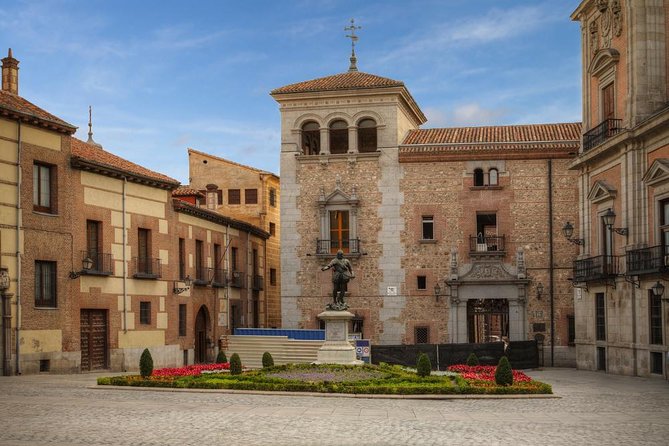
You start at Plaza de la Villa, then work your way through classic bar culture, from vermouth on tap to dessert wine with Pedro Ximénez. Expect a friendly, conversational vibe and a guided route that makes it easy to taste like a local instead of guessing.
In This Review
- Key things that make this tour worth your time
- La Latina on foot: why this neighborhood is the whole point
- Small group size (up to 8): how it changes the experience
- The tasting start: vermouth on tap and olives in the spotlight
- Cod fritters and 19th-century wine habits: what bar 2 is really doing
- Albariño and tostas: crisp white wine with a proper bite
- The sit-down moment: Iberico tenderloin at a 3 Michelin Star butcher level
- Reds from the guide’s cellar: what to listen for during the pours
- Pedro Ximénez dessert finale: rum, raisins, and vanilla ice-cream
- Price and value: what you’re actually paying for
- Logistics that matter (and the one big watch-out)
- Who should book this tour?
- Should you book Old Madrid Tapas and Fine Wine?
- FAQ
- How long is the Old Madrid Tapas and Fine Wine small group tour?
- What is the group size limit?
- Is the tour offered in English?
- What are the age requirements?
- Where does the tour start and end?
- What should I do if the weather is bad or I need to cancel?
Key things that make this tour worth your time
- La Latina first, not later: You’re in Madrid’s oldest neighborhood right from the start, including references to the area’s 12th-century history.
- Capped at 8 people: Smaller group means easier pacing and a more personal wine-and-tapas explanation.
- Wine paired with the right bites: Stops include vermouth, a standout Albariño, and the Spanish dessert wine Pedro Ximénez.
- A restaurant moment for Iberico: You sit down for 3 Michelin Star Iberico tenderloin, plus more tastings right after.
- A finale that turns dessert into something special: Pedro Ximénez is paired to transform vanilla ice-cream into rum-and-raisin style flavors.
- You’ll get more guide attention than you think: The guide is Spanish Wine Tasting Association–certified, and the tone stays relaxed but informed.
La Latina on foot: why this neighborhood is the whole point
La Latina is the oldest neighborhood on this route. You’re not just eating near it; you’re actually moving through the area where you can still sense older Madrid under the modern city noise. The tour mentions bits of the old wall that dates back to the 12th century, which is a great reminder that this isn’t a generic “old town” set dressing.
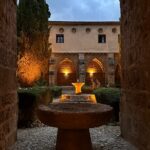
And the streets help you understand why locals pick these bars. Narrow lanes and old-school courtyards change how you experience a city. You go from bright streets to tucked-away corners where vermouth and tapas feel like they belong. The route also matters because the “best bars” in a place like this are rarely the ones with the biggest neon signs. A guided walk like this saves you time and keeps you out of the tourist trap loop.
You can also read our reviews of more wine tours in Madrid


Small group size (up to 8): how it changes the experience
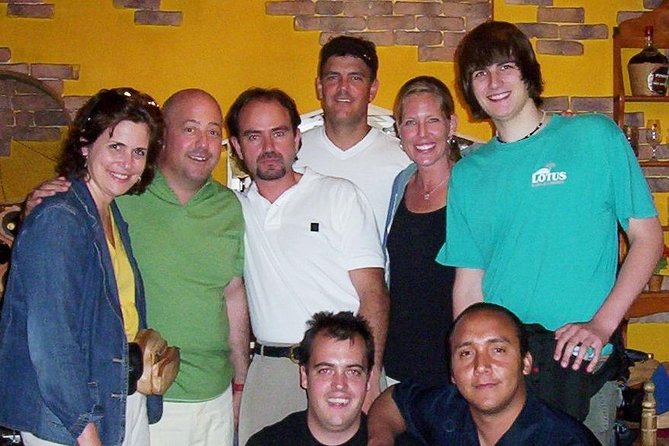
This tour is capped at 8 travelers. That’s not just a number. It affects the whole flow.
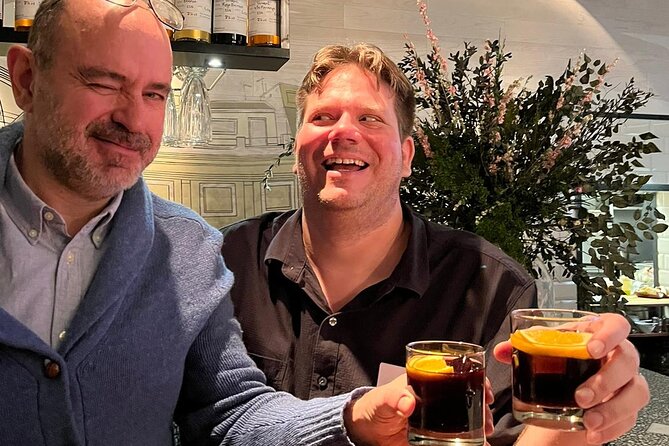
With a group that small, you can move at the pace of actual conversation. Bars here are the kind of places where space is tight, and a big group would turn the experience into a waiting game. With 8 people, you can typically get seated, served, and explained to without feeling rushed.
It also makes dietary tweaks more realistic. One review highlighted that the guide adjusted based on what people wanted to eat and drink. Even if you have simple preferences, a smaller format helps the guide manage it without turning the evening into logistics.
The tasting start: vermouth on tap and olives in the spotlight
Stop 1 is all about getting oriented in La Latina—short, efficient, and designed to get you into the neighborhood mindset. Then the tour quickly turns to your first real sip.
At the first bar, you begin with vermouth on tap. You’ll pair it with Chupadedos olives (verdial variety), seasoned with pepper, garlic, oregano, and olive oil. This is exactly the kind of pairing that tells you the guide isn’t working from a random list. Vermouth is Madrid’s vibe drink. Starting here gives you a baseline flavor that the rest of the evening can build on.
Practical note: vermouth tastes best when you don’t chug it. The pacing is part of the design—small pours, then food, then explanation.
Cod fritters and 19th-century wine habits: what bar 2 is really doing
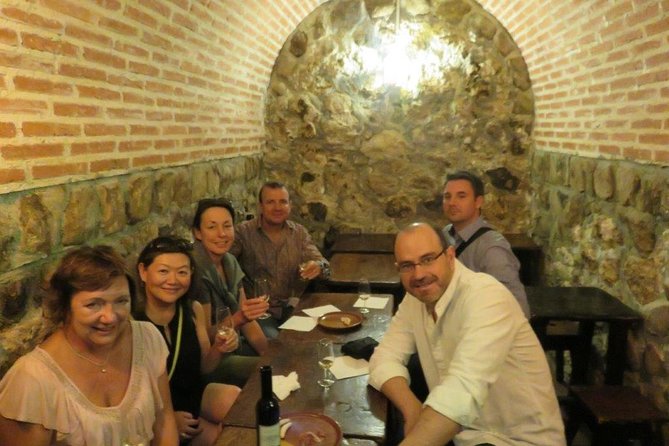
Next comes a bar stop framed around drinking wine the way they did in the 19th century. That’s not just a history flex. It’s a way of setting expectations for how these places operate: wine as part of daily life, taken with food and conversation, not treated like a museum exhibit.
This stop includes tasting cod fritters, and cod is one of those “Madrid does it well” staples. Crispy outside, soft inside—perfect with wine because it gives you something salty and textured to cut through the glass.
If you’re the type who thinks tapas are just snacks, this stop nudges you into the real idea: these are meal-sized flavors designed to move you from one drink to the next.
Albariño and tostas: crisp white wine with a proper bite
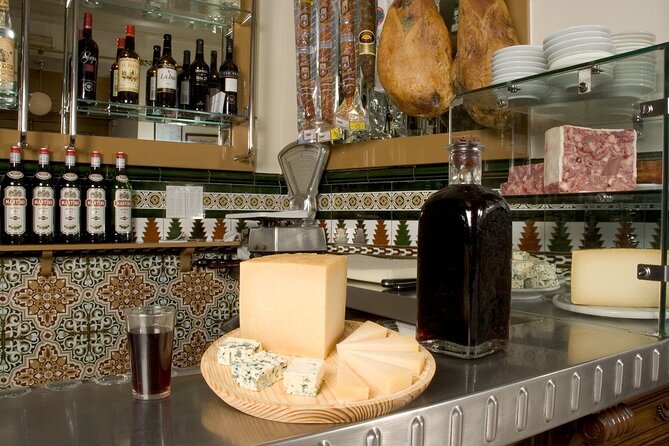
One of the most specific highlights on the route is the wine choice at bar 3: Altos de Torona Albariño (2022), noted as an International Wine Challenge winner. That’s a good sign if you want something with track record, not just local name recognition.
You’ll taste the Albariño alongside tostas—a tapas format built on toast. The point of toast is texture. Crispy bread adds contrast, and it helps the wine land without tasting one-note.
This is also where you may get to see how versatile a tosta can be. In the feedback you provided, chipirón (baby squid) and mushrooms on toast came up as a memorable pairing. So even though the tour calls out tostas in general, expect the guide to match the topping to the wine style and season.






The sit-down moment: Iberico tenderloin at a 3 Michelin Star butcher level
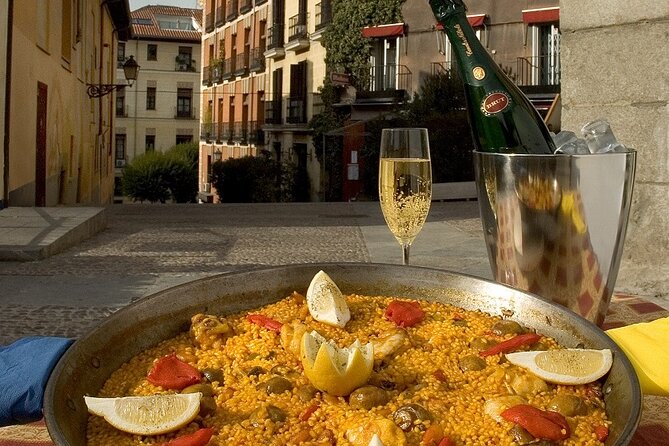
By stop 4, the tour shifts from walking-and-standing to sitting down for something meat-focused. You head through narrow cobblestone streets to a top-rated neighborhood restaurant.
Here, you taste 3 Michelin Star Iberico tenderloin. The tour description is very clear that the tenderloin comes from the only 3 Michelin Star butcher’s in Madrid. That detail matters. In Spain, ibérico is a whole world, and tenderloin is a cut you don’t want handled like an afterthought. The guide’s approach is to make it part of the flow of the evening rather than a single big event that wipes out the rest.
If you’re worried about over-ordering later in the trip, this stop is the reason you won’t need to. You get a focused portion of something that many people would only pay for at a high-end meal.
Reds from the guide’s cellar: what to listen for during the pours
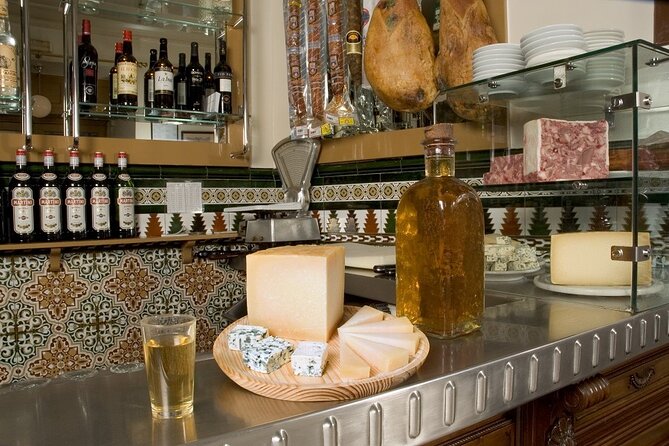
After the tenderloin, the evening shifts to reds. The guide says you’ll uncork different wines from their own collection, with examples like Matas Altas and Platón.
This is where a certified wine guide really shows value. You don’t just get a sip; you get context for why it’s being served now, with what you’ve already tasted, and how to notice differences. In a good tour, you stop thinking of wine as a single drink and start tasting it as a series of textures and flavors that change your palate.
Also, this is one of the reasons the group stays small. A wine explanation works best when the guide can actually look at the group and adjust. You want time to ask questions, not just swallow and move on.
Pedro Ximénez dessert finale: rum, raisins, and vanilla ice-cream
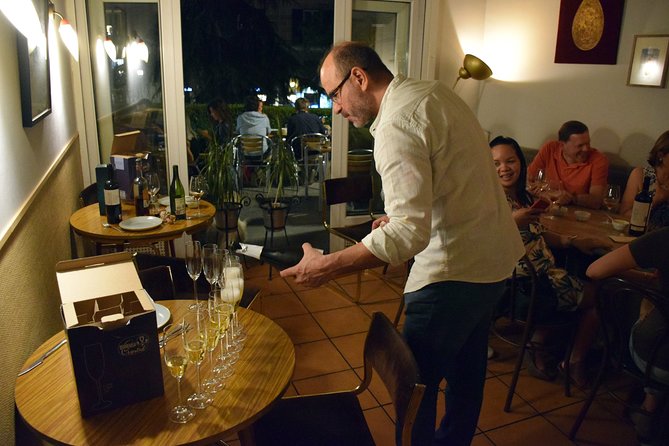
The last stop is your sweet finish: Pedro Ximénez. This is Spain’s famous dessert wine style, described here as the king of Spanish dessert wines. And the pairing is the fun part.
You’ll taste Pedro Ximénez alongside vanilla ice-cream, and the tour notes a transformation: the wine acts like a flavor alchemy, turning the ice-cream into something like rum and raisins.
If you’ve ever had people ask whether dessert wine is worth it, this is the answer. It’s not candy-sweet. It’s deeper and darker, with caramelized fruit notes that make ice-cream taste more complex than it did five minutes earlier.
Price and value: what you’re actually paying for
At about $101.63 per person for 3 to 4 hours, you’re paying for three big things.
First, you’re paying for access. The route includes multiple stops, and the tastings aren’t tiny. Vermouth on tap, olives, cod fritters, a special Albariño, tostas, a sit-down Iberico tenderloin, and then more wine tastings at the end. That adds up fast.
Second, you’re paying for expertise. The guide is Spanish Wine Tasting Association–certified, and the tour description frames the wine selection as higher-quality than what you might find on more generic tours. In practical terms, you get better choices and better pairing logic.
Third, you’re paying for the structure. This is the kind of evening that’s hard to replicate on your own without already knowing where to go and what to order. Even if you love wandering, the value is in having a plan that’s built around Madrid’s drinking rhythm.
So this tour is best seen as a guided food-and-wine meal experience, not just a stroll with snacks.
Logistics that matter (and the one big watch-out)
A few practical notes help you decide if the evening fits your trip.
- You start and end at Plaza de la Villa in central Madrid, and it’s near public transportation.
- You’ll get a mobile ticket after booking.
- The tour is offered in English.
- Minimum age is 21.
- It’s not recommended for travelers with mobility issues, mainly because of cobblestones and old-street walking.
- The tour runs best when the weather cooperates.
If you’re going with someone who thinks they only tolerate wine, this is still workable. One review noted that the guide provided beer for a non-wine drinker. You should still expect the main thrust to be wine.
Who should book this tour?
I’d put this tour at the top of your list if you:
- want a guided way to eat and drink in La Latina without guessing
- like wine pairings with food, not random tastings
- enjoy meeting people, but don’t want a crowd
- appreciate a small-group format that keeps the evening flexible
I’d think twice if you:
- have trouble walking on cobblestones or need step-free routes
- want a super-fast “see everything” sprint. This is slower and more taste-focused.
- aren’t interested in wine at all. You’ll still have good food, but the evening is clearly built around tastings.
Should you book Old Madrid Tapas and Fine Wine?
Book it if you want an evening that feels like Madrid at street level. The combination of La Latina’s old setting, a small group of up to 8, and a lineup that includes Albariño, Iberico tenderloin, and a Pedro Ximénez dessert finale makes this more than a checklist tour.
Don’t book it if mobility is a concern or if you’re looking for a long sit-down dinner that happens with zero walking. This is a walking-and-tasting rhythm.
If you’re staying in Madrid for a few days, this is also a smart early-season activity because it helps you learn what to look for when you return to bars on your own later.
FAQ
How long is the Old Madrid Tapas and Fine Wine small group tour?
It runs about 3 to 4 hours.
What is the group size limit?
The tour is capped at a maximum of 8 travelers.
Is the tour offered in English?
Yes, it is offered in English.
What are the age requirements?
The minimum age is 21.
Where does the tour start and end?
It starts at Plaza de la Villa (Pl. de la Villa, Centro, Madrid, Spain) and ends back at the same meeting point.
What should I do if the weather is bad or I need to cancel?
You can cancel for a full refund up to 24 hours in advance. If the tour is canceled due to poor weather, you’ll be offered a different date or a full refund.