REVIEW · MADRID
Madrid: Guided Visit to the Royal Palace
Book on GetYourGuide →Operated by DE PASEO · Bookable on GetYourGuide
Royal rooms get a story when you have a guide. This Royal Palace of Madrid visit is built for understanding what you’re looking at, with skip-the-line entry via a separate entrance so you spend less time trapped in waiting-mode.
I like how the tour focuses on the showpieces that matter: the staircase designed by Franceso Sabatini, the reception rooms tied to the monarchy, and the visual wow of the throne room. I also like the practical pacing—this is short enough to feel doable, but guided enough that you don’t wander through 300-plus rooms like a confused extra in a period drama.
One caution: the meeting spot is not right at the palace gate. You’ll start at Plaza de Isabel II (with a white umbrella) and walk as a group to a side entrance, so give yourself time to find it and handle security.
In This Review
- Key things to know before you go
- The big idea: why a guided Royal Palace tour works
- Where to meet (and why it can trip you up)
- Inside the palace: how the guide turns rooms into a route
- Sabatini’s staircase and the reception-room vibe
- Private royal rooms: queen and king spaces
- Porcelain, the royal chapel, and Corrado Giaquinto’s fresco
- The throne room: marble, ceilings, and Tiepolo’s masterpiece
- Artworks, tapestries, and why the tour includes music instruments
- Time, crowds, and the one “speed” risk
- Price and value: is $40 worth it?
- Who this Royal Palace tour suits best
- Little extras to consider while you’re nearby
- Booking tips that make the tour smoother
- Should you book this Madrid Royal Palace guided tour?
- FAQ
- How long is the Royal Palace guided visit?
- Where do I meet the guide?
- Is skip-the-line entry included?
- What languages are available?
- Is the tour wheelchair accessible?
- Can I bring food or drinks into the palace?
- What should I do with large bags or items?
Key things to know before you go
- Skip-the-line entry: You use a separate entrance, which helps cut down the waiting grind.
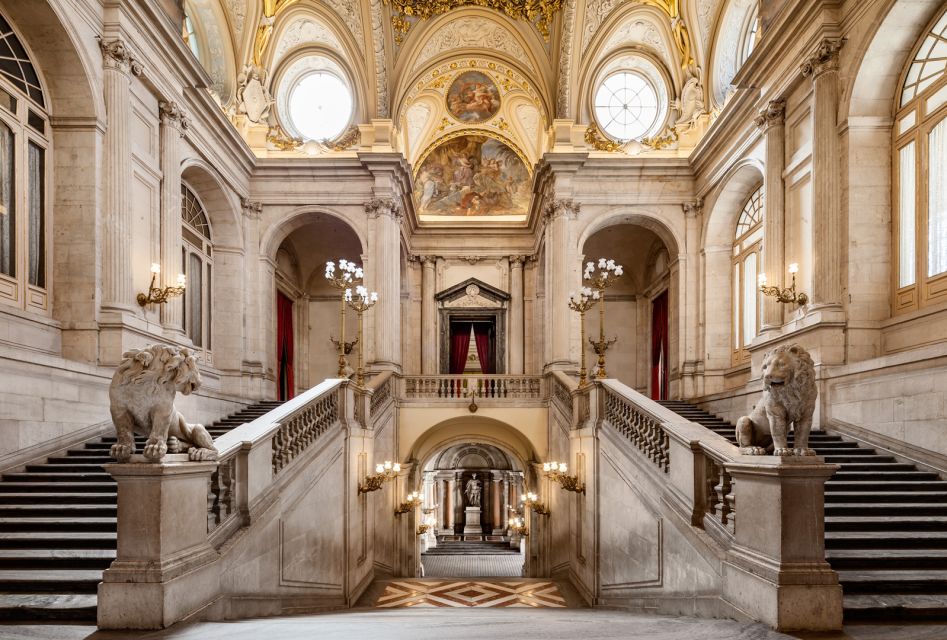
- Sabatini staircase focus: You’ll see the exceptional stairway and hear what it was designed to do.
- Throne room ceilings: The guide points out the ceiling work by Giovanni Battista Tiepolo.
- Chapel fresco by Corrado Giaquinto: The royal chapel is a strong art stop, not just a hallway detour.
- Musical instrument collection: You’ll get details on a collection of stringed instruments (yes, that’s a thing here).
- Small-group feel when it happens: Some departures are kept compact, which usually means better pace and questions.
The big idea: why a guided Royal Palace tour works
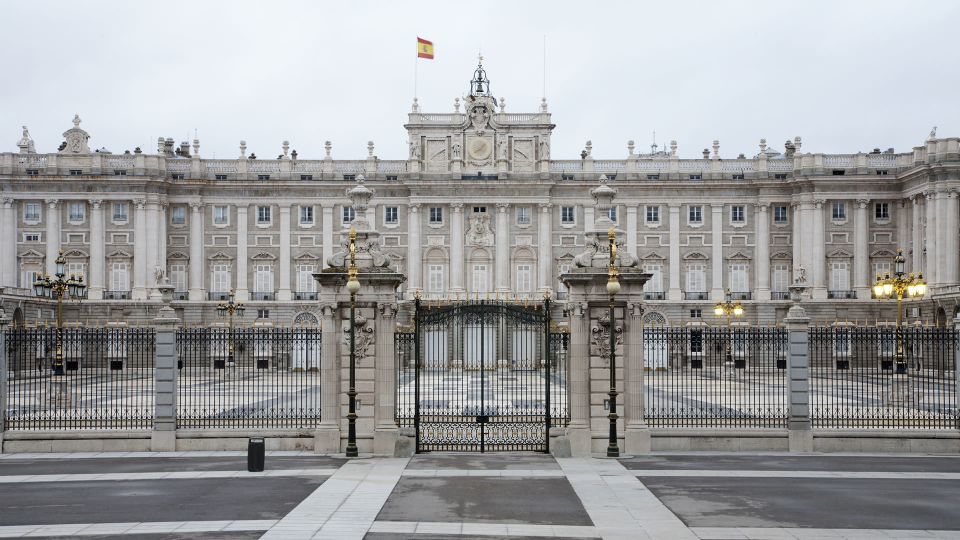
The Royal Palace is the kind of place that can go one of two ways. Either you glance at rooms, shrug, and move on… or you understand why each room exists and what each artwork is saying.
This tour is designed for that second outcome. In just 1.5 hours, you get a guided path through the palace’s most impressive sections, with explanations that connect architecture, power, and Spanish monarchy life. You’re not expected to master palace history first. Your guide does the heavy lifting.
You’ll also notice something important: the palace is enormous. Even if you never step foot in most of the building, a smart route through the key rooms still gives you the main impression—wealth, ceremony, and the art choices the court used to project status.
You can also read our reviews of more guided tours in Madrid


Where to meet (and why it can trip you up)

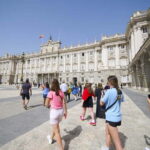
You start at Isabel II Square, near the Isabel II statue, at Plaza de Isabel II, 5, 28013 Madrid. The guide carries a white umbrella.
Here’s the practical truth: this meeting point is away from the palace entrance. So plan like you’re meeting a friend downtown, not like you’re waiting at the ticket gate. One of the most common issues is simply finding the right group on time, especially if you show up late or try to rush.
Once you’re grouped up, you’ll walk together to a side entrance and enter with the advantage of the separate access. It’s not “magical,” but it does reduce the time you’d otherwise spend in long queues and security checks.
Inside the palace: how the guide turns rooms into a route
Expect a live guided visit with an expert bilingual guide (English and Spanish). The experience is built around highlights, not aimless roaming. That matters, because the palace has a lot going on—and without guidance, it’s easy to miss what’s special.
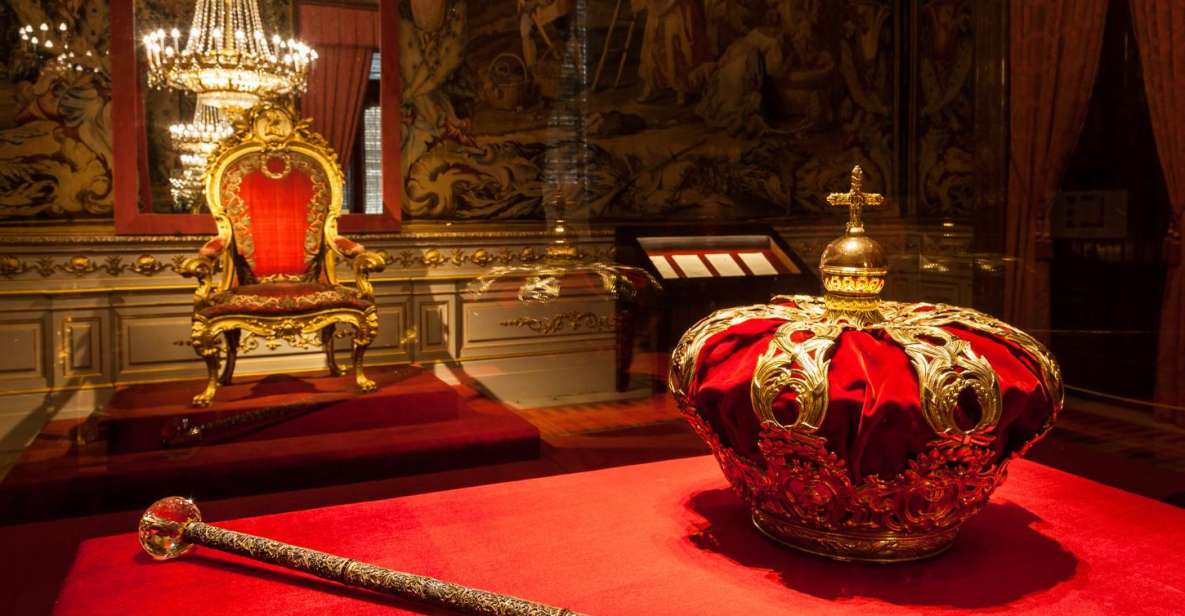
The best part is that the tour doesn’t only point at decoration. It explains purpose. You learn how the monarchy used rooms for ceremony and reception, and you get context for what you’re seeing in the materials—marble, mahogany doors and windows, and the general “court spectacle” feel of the place.
Guides also tend to steer your attention. For example, when you’re shown the staircase by Francesco Sabatini, it’s not just “look, stairs.” You get the why behind the wow, which makes the building feel designed rather than accidental.
If you end up with one of the strong guides (people mention guides like Pacho and Tamar for their clear explanations), you’ll probably feel like you’re watching a story unfold instead of collecting room photos.
Sabatini’s staircase and the reception-room vibe

One of the first “stop and stare” moments is climbing the exceptional staircase designed by Francesco Sabatini. This is one of those palace features that can look impressive in pictures—but the real value is how it frames movement. It shapes where you stand, where you look next, and how quickly you feel you’ve entered a world with rules.
From there, you’ll move into the reception side of the tour—rooms where the court’s public face shows up. You’ll also hear about the reception room connected to international meetings with King Felipe as host. Even if you’re not a monarchy expert, you’ll leave with a clearer sense of how power was performed: who met where, and how the room itself communicated importance.
Practical note: this is a palace with real stair movement. If you’re traveling with a stroller or lots of mobility limitations, plan for stairs and tight turns. Wheelchair accessibility is listed for the activity, but the building is still an old palace, so you should be prepared for some step-heavy sections.
Private royal rooms: queen and king spaces

After the public-facing reception areas, the tour shifts into the personal and ceremonial spaces—private rooms of the queen and king, plus the great banqueting hall.
This is a useful contrast. The palace doesn’t just show off money. It shows off lifestyle. You’ll see how rooms differ in feeling: reception spaces aimed at grandeur and formality, and private spaces that make the monarchy feel more human (even if the human part is still wearing court attire).
A guided visit helps here because you’ll notice the details that connect the atmosphere to function. Without a guide, you might treat these rooms like museum stops. With one, they land as “court spaces” with specific roles.






Porcelain, the royal chapel, and Corrado Giaquinto’s fresco
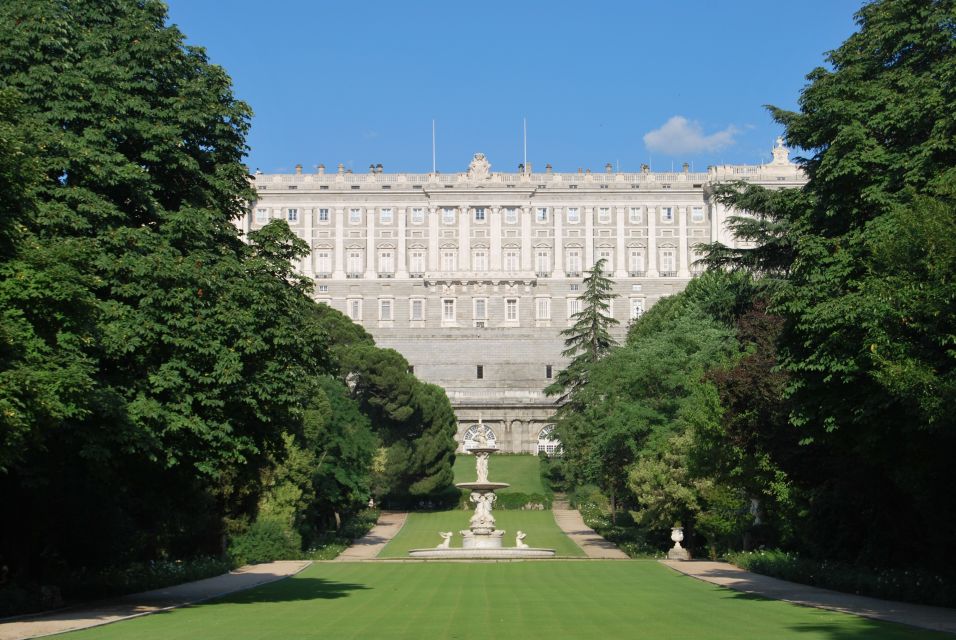
If you want at least one stop that feels like pure art reward, watch for the porcelain room and the royal chapel.
The chapel is highlighted for an extraordinary fresco painted by Corrado Giaquinto. This matters because it’s not “general baroque church decoration.” You get a focused explanation of why the fresco is special and how it fits into the palace world.
In plain terms: it’s the kind of artwork that makes you slow down. Your guide’s job is to help you look in the right places and understand what you’re seeing, instead of skimming past because you think you already know the style.
The throne room: marble, ceilings, and Tiepolo’s masterpiece
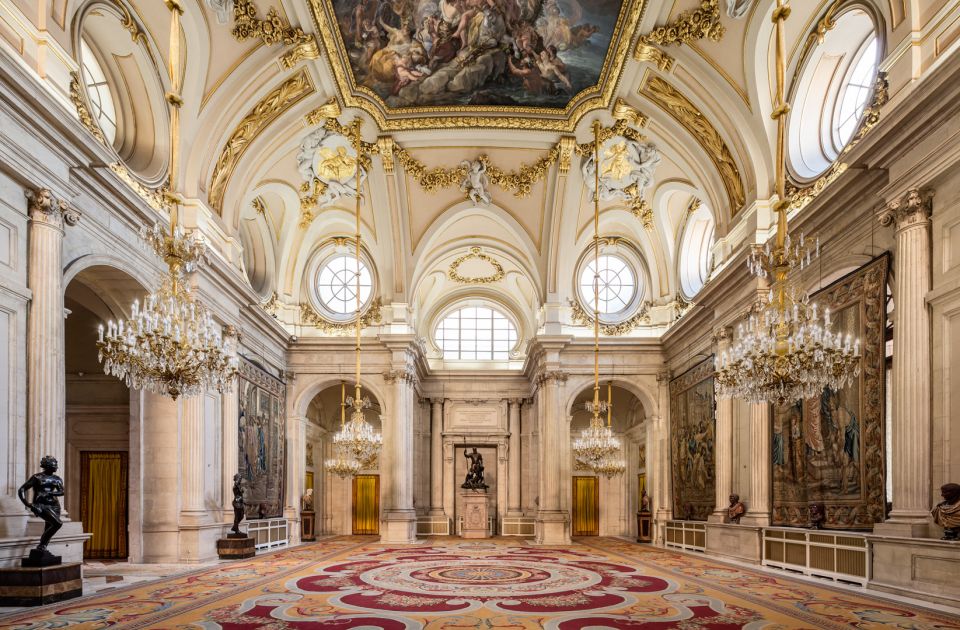
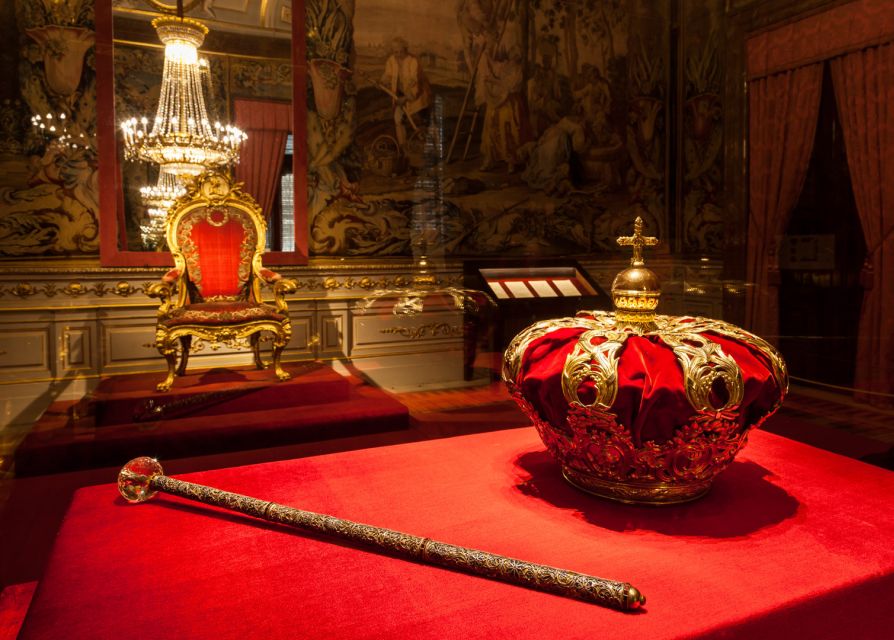
Now we get to the big iconic moment: the throne room. If you care about royal display—materials, symmetry, and the “look at me” engineering—this is your payoff.
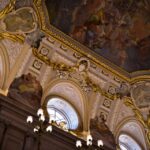
You’ll contemplate the gorgeous ceilings painted by Giovanni Battista Tiepolo. Even if you’ve never heard that name before, you’ll feel the intention behind it. The ceiling work is part of the illusion of scale and authority. It makes the room feel bigger and more commanding than a plain room would be.
And because this tour doesn’t just list highlights, you’ll also get the “what to notice” cues: marbled interiors, fine doors and windows, and the general wealth of the space. It’s hard to overstate how much the materials and finishes contribute to the effect.
Artworks, tapestries, and why the tour includes music instruments
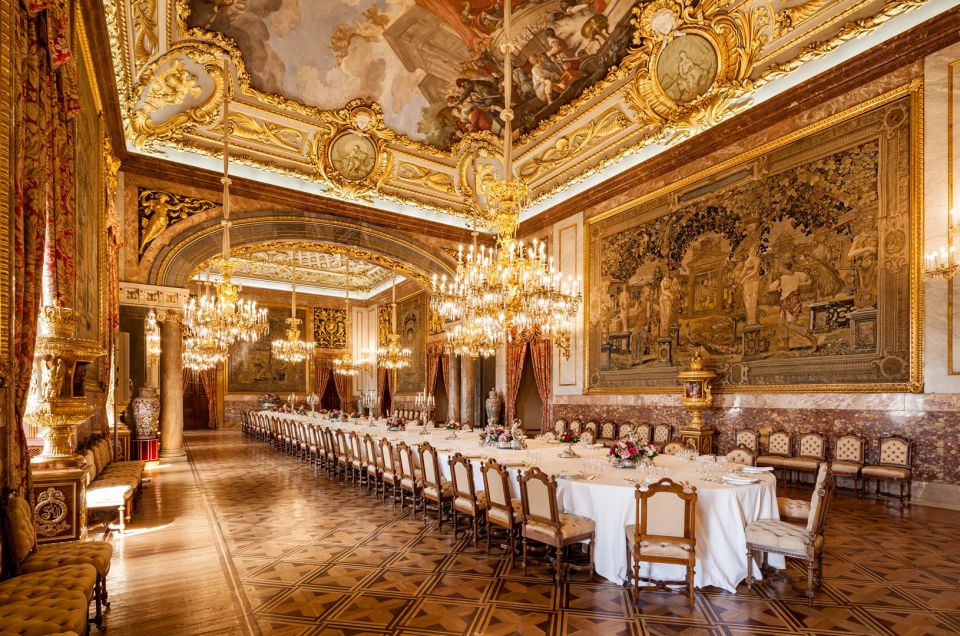
This isn’t just a painting-house. You’ll also see an array of artworks and frescoes, an exquisite range of tapestries, and a collection of stringed instruments.
Here’s why I like that mix for your time. Tapestries and frescoes tell you how the court curated beauty—how they wanted walls to look like stories. Musical instruments, meanwhile, add a personal layer: the palace wasn’t only about ceremony. It was also about sound, performance, and court life.
If you’re the kind of visitor who normally zips past “museum objects,” this section can change your pace. A guide can point out specific features and connect them to why they sat in royal spaces in the first place.
Time, crowds, and the one “speed” risk
The tour is listed as 1.5 hours, but don’t be surprised if a particular departure feels closer to about 90 minutes in practice. One reason is simple: the palace is busy, and the route is built to cover major rooms without letting you get lost.
The other reality: crowds happen. One of the common annoyances is waiting outside or dealing with an initial bit of confusion when people are trying to line up in the cold. That doesn’t ruin the experience, but it does mean you should dress for Madrid weather swings and arrive early.
My advice is straightforward:
- Give yourself buffer time to find the meeting point and the right group.
- Don’t plan a tight lunch right after.
- Bring a layer you’ll actually wear, because you’ll likely go through security and waiting moments before you start walking inside.
Price and value: is $40 worth it?
At about $40 per person for a guided 1.5-hour tour, the value is mostly about time and focus.
You’re paying for:
- Entrance to the palace
- A guided explanation that helps you understand what you’re seeing
- Skip-the-line access via a separate entrance
- A route through the most compelling rooms, rather than hoping you pick the right ones on your own
If you go unguided, you can absolutely explore the palace. But the place is so big that you’ll likely spend time asking yourself questions you could have had answered in advance—why that room matters, which artwork to look at first, and what to notice in the ceiling work.
This is also a good option when you’re in Madrid for a short visit. You get a strong “greatest hits” experience without turning your day into a full-on marathon.
Rating note: the tour sits around 4.1 with 228 ratings. That’s solid. The most frequent complaints are usually about meeting-point confusion, not the core palace experience.
Who this Royal Palace tour suits best
This tour is a strong fit if:
- You want a guided highlights route through the palace in a limited time window
- You like stories behind art and rooms, not just photo ops
- You’d rather spend your energy looking carefully than tracking which rooms to prioritize
It’s also helpful if you’re visiting family, traveling as a couple, or you want something that feels guided without taking all day.
If your idea of fun is maximal wandering—checking every single room and taking your sweet time—then you might want more flexibility than a fixed 1.5-hour tour. But as a “make the palace click” experience, this one is built well.
Little extras to consider while you’re nearby
If you want to stretch your palace time, there’s an optional nearby stop people often recommend: the armory building. It’s not part of this exact guided route, but it can be a smart follow-up if you’re the kind of visitor who likes historic collections beyond the main rooms.
Also, once you’re at the palace complex, you’ll run into the standard practical stuff: security checks and storage. Plan for a quick stop at the cloakroom area.
Booking tips that make the tour smoother
A few on-the-ground tips will save you stress:
- Plan time to find the meeting spot. It’s not at the palace entrance.
- Look for the white umbrella right away.
- Use the cloakroom/lockers for large items. Big bags need to go there.
- If there’s a locker coin requirement in your visit, bring small change; one euro coin is specifically mentioned as useful for lockers and refunded on exit.
- Expect no food or drinks inside the palace during the tour.
If you can handle those bits, the experience usually feels like exactly what it’s meant to be: a focused, well-explained path through Madrid’s most important royal rooms.
Should you book this Madrid Royal Palace guided tour?
Book it if you want the palace to make sense fast. This is a smart choice when you value a guided route, you want skip-the-line convenience, and you care about understanding the palace’s big art moments—like Tiepolo in the throne room and Giaquinto in the chapel.
Skip or reconsider if you’re the type who hates time limits. The palace is huge, and a guided route means you’ll see a curated selection, not everything. Also, if meeting logistics make you anxious, arrive early enough that you won’t be sprinting with a group you haven’t found yet.
If plans might shift, this booking format includes free cancellation up to 24 hours and reserve now, pay later, which makes it easier to lock in a solid time window without overcommitting.
If your main goal is value per hour—seeing the palace’s strongest rooms with a guide—this tour is a dependable pick.
FAQ
How long is the Royal Palace guided visit?
The tour lasts about 1.5 hours.
Where do I meet the guide?
Meet at Plaza de Isabel II, 5 (near the Isabel II statue). The guide will be carrying a white umbrella.
Is skip-the-line entry included?
Yes. You enter through a separate entrance to skip the main line.
What languages are available?
The tour is offered in English and Spanish. In some exceptional cases, the tour may be bilingual.
Is the tour wheelchair accessible?
Yes, the activity is listed as wheelchair accessible.
Can I bring food or drinks into the palace?
No. Food and drinks are not permitted inside.
What should I do with large bags or items?
Large items and bags must be left in the locker room adjacent to the hall.