REVIEW · MADRID
Madrid: Prado & Reina Sofía Museums Guided Tour
Book on GetYourGuide →Operated by Amigo Tours Spain · Bookable on GetYourGuide
Two of Madrid’s art giants in one day. This Prado and Reina Sofía guided tour gives you the story behind the paintings, with live commentary in English and Spanish.
I like that the tour is built around a guided route, not just wandering. Guides such as Gabriela, Elena, Javier, Enrique, and Stefy were praised for helping people navigate the museums and explain key works clearly.
One possible drawback is the day’s tight pace. With limited time in each museum and rules like no photography inside the Prado, you’ll want to show up ready to focus.
In This Review
- Key takeaways before you go
- Why Prado plus Reina Sofía in 4 hours makes sense
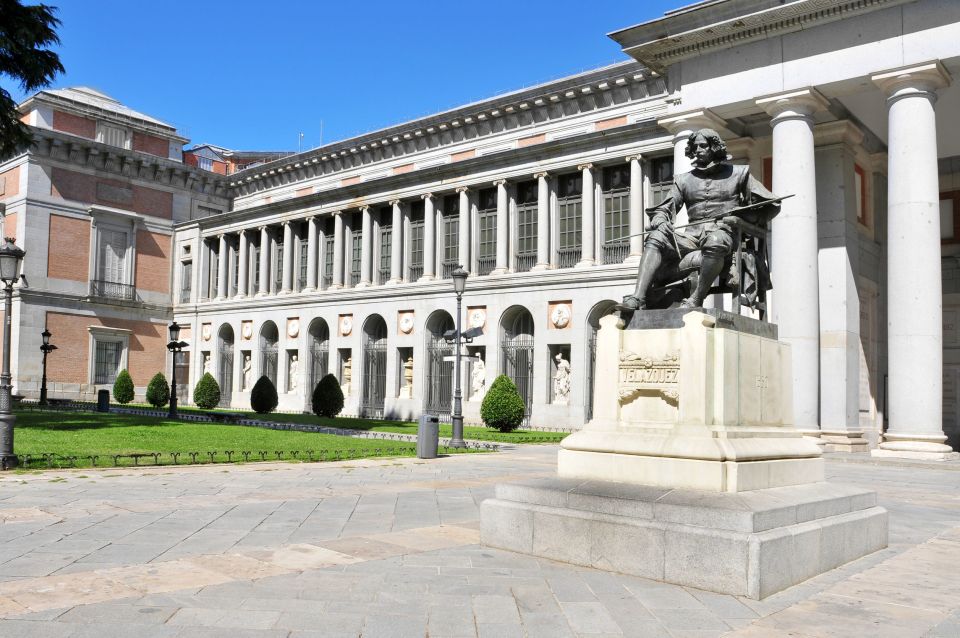
- Meeting at Monumento a Velázquez and walking into the flow
- Prado Museum: the 12th-century-to-masterpieces route and what you’ll actually see
- The 45-minute on-foot transfer: when timing matters more than distance
- Reina Sofía: Spain’s 20th-century story told through Cubism to Surrealism
- The guide experience: why names like Gabriela, Elena, and Javier matter
- English and Spanish at the same time: good to know before you commit
- Rules, bags, and photo expectations you should plan around
- Price and value: is $80 fair for two museums plus a guide?
- Who this tour suits best
- Should you book this Prado and Reina Sofía guided tour?
- FAQ
- How long is the Prado and Reina Sofía guided tour?
- What’s the price per person?
- Where do I meet the guide?
- Are the Prado and Reina Sofía museums both included?
- What languages is the tour offered in?
- Do I get skip-the-line entry?
- Is hotel pickup or drop-off included?
- Can I take photos in the Prado Museum?
- Can I take photos in the Reina Sofía Museum?
- Are large bags allowed?
Key takeaways before you go
- Skip-the-line access plus both museum entrance tickets are included
- Prado highlights cover major European masters like Velázquez and Goya
- Reina Sofía focus is Spain’s 20th-century art, including Picasso and Dalí
- Short reset windows: 1.5 hours guided in the Prado, plus 30 minutes free time
- English and Spanish run together, so language preference can affect how smooth it feels
- Photo rules are strict: no photography inside the Prado, and restrictions inside Reina Sofía
Why Prado plus Reina Sofía in 4 hours makes sense
Madrid’s museum scene is famous for a reason. The Prado gives you centuries of European painting through Spain’s national collection, while the Reina Sofía zooms into Spain’s 20th-century turning points. Doing both in one day is a fast way to go from old masters to modern protest and experimentation.
The practical win is that a guide handles the “what should I look at first?” problem. You’re not forced to pick on your own. Instead, the tour focuses you on the big themes and standout works, including Las Meninas and El Guernica as day-long anchors.
The time factor is real, though. At $80 for a 4-hour outing that includes two guided museum visits and admissions, the value comes from doing a lot with structure. You just have to accept that it’s not a slow, scroll-through-every-room day.
You can also read our reviews of more guided tours in Madrid
Meeting at Monumento a Velázquez and walking into the flow
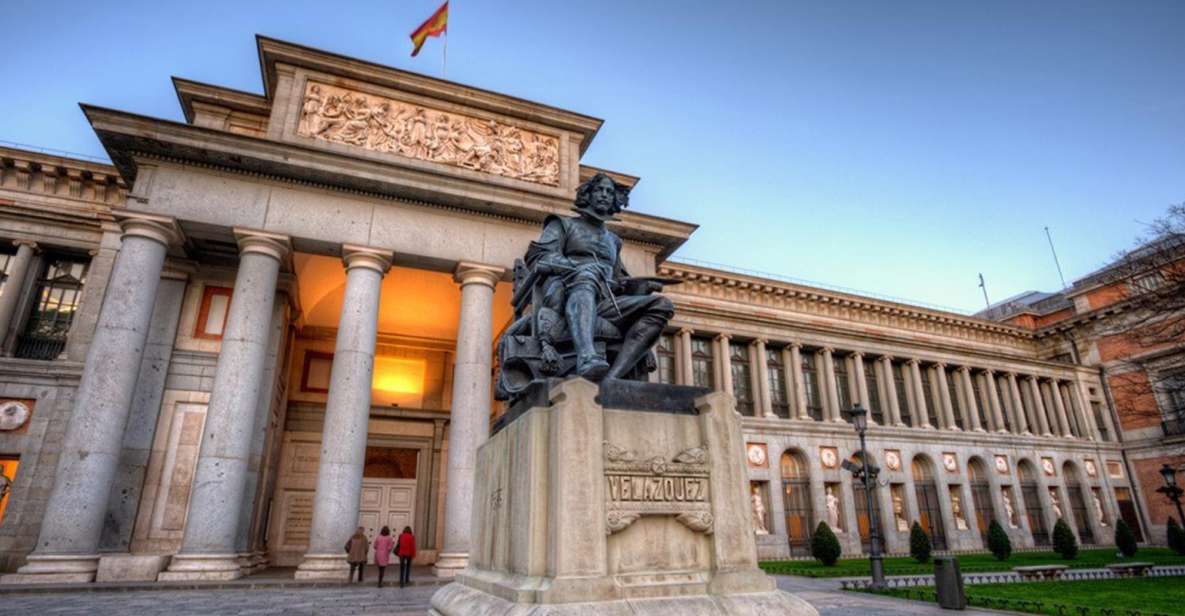
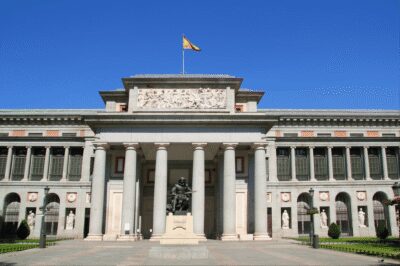
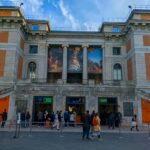
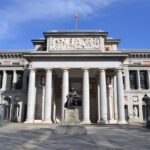
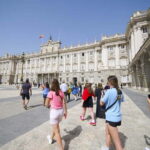
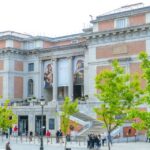
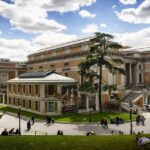
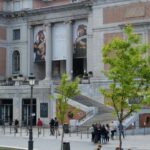
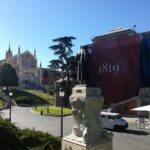
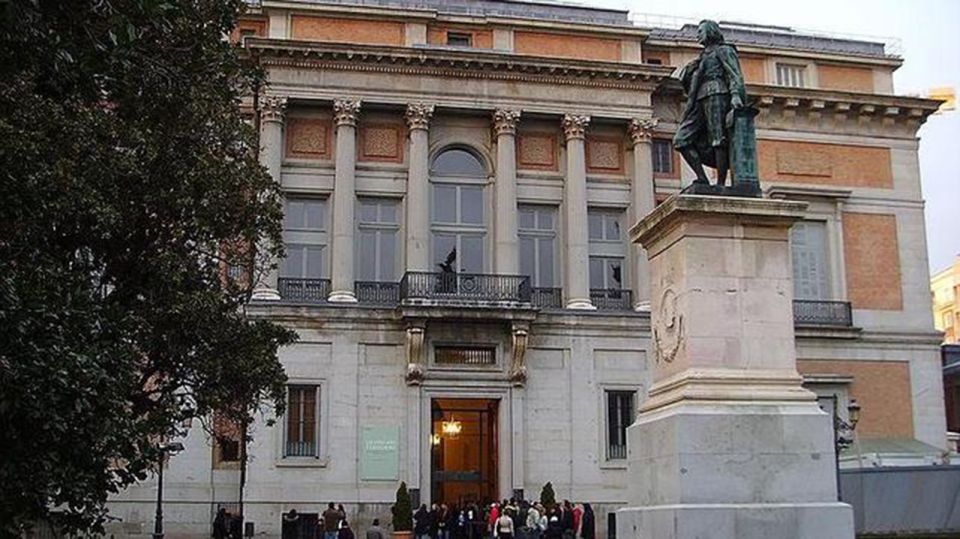
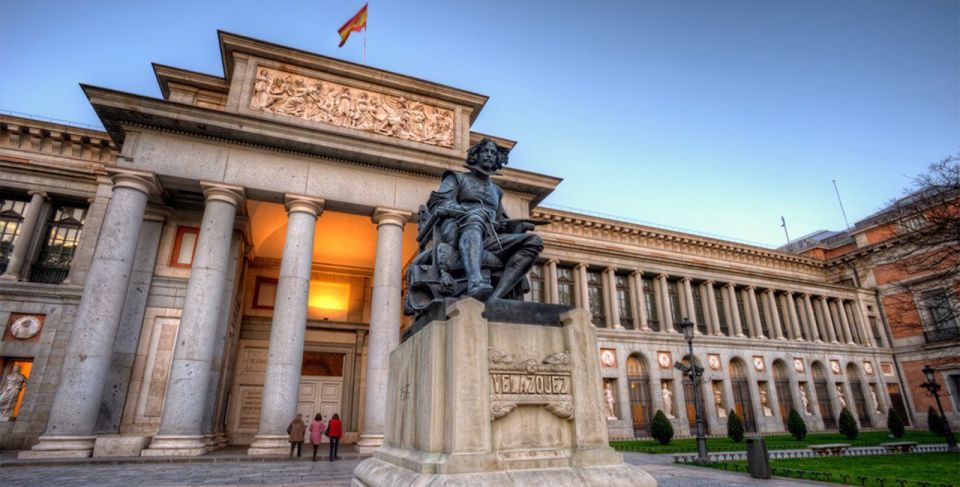
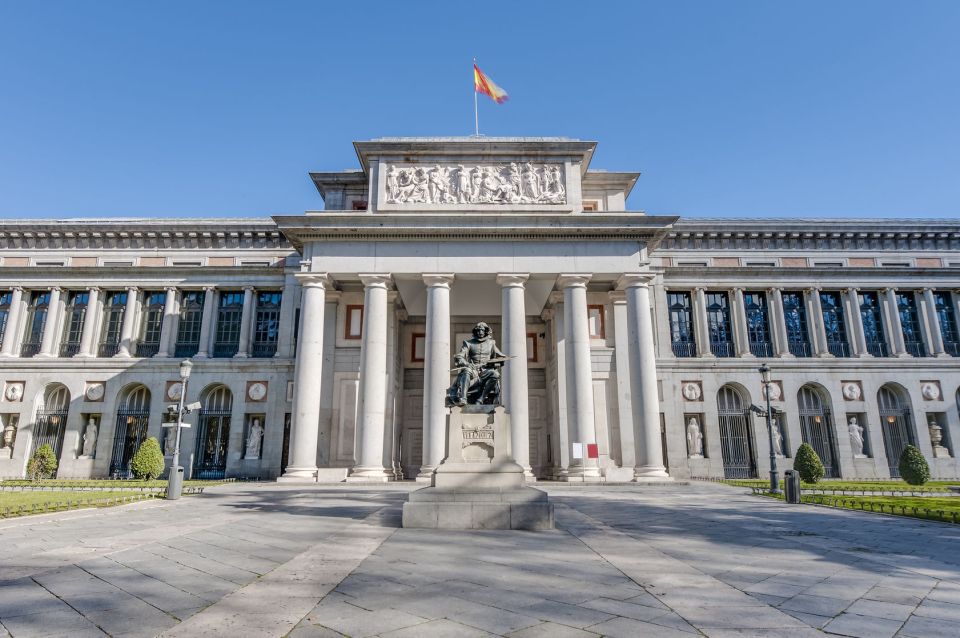
Your meeting point is the Statue of Velázquez on Paseo del Prado, 11, on one of the lateral sides of the Prado Museum. The guide holds an Amigo Tours sign, so you shouldn’t have to play “find the group” for long.
From there, you walk about 15 minutes to begin the Prado portion. That short transfer matters because it sets the tone: you arrive ready, not already tired from a long day of museum stairs.
If you’re prone to needing last-second bathroom time, plan for it before the Prado start. The schedule later includes another on-foot transfer (about 45 minutes) before you reach the Reina Sofía, and the day can feel like a chain of timed segments.
Prado Museum: the 12th-century-to-masterpieces route and what you’ll actually see
The Prado segment is about 1.5 hours guided, followed by 30 minutes of free time. That guided block is the key. The guide explains the museum’s history while pointing you toward the works most people come to Madrid for.
Expect the tour to center on the kind of European painting that dominates Spanish museum storytelling: masters such as Velázquez, Goya, Raphael, and Rubens. The collection coverage spans from the 12th century up to the end of the 20th century, but you won’t be expected to process it all solo. You’ll get a curated path with context so the galleries feel connected instead of random.
Also, photography rules are strict here: no photography inside the Prado. That’s not a small detail. You’ll get more out of the visit if you treat it like a focused viewing session rather than a photo hunt.
A note on pacing: the Prado portion can shift depending on availability and how many other groups are in the galleries. If you’re the type who likes to linger, use your 30 minutes wisely. It’s the part of the day where you can slow down without breaking the tour rhythm.
The 45-minute on-foot transfer: when timing matters more than distance
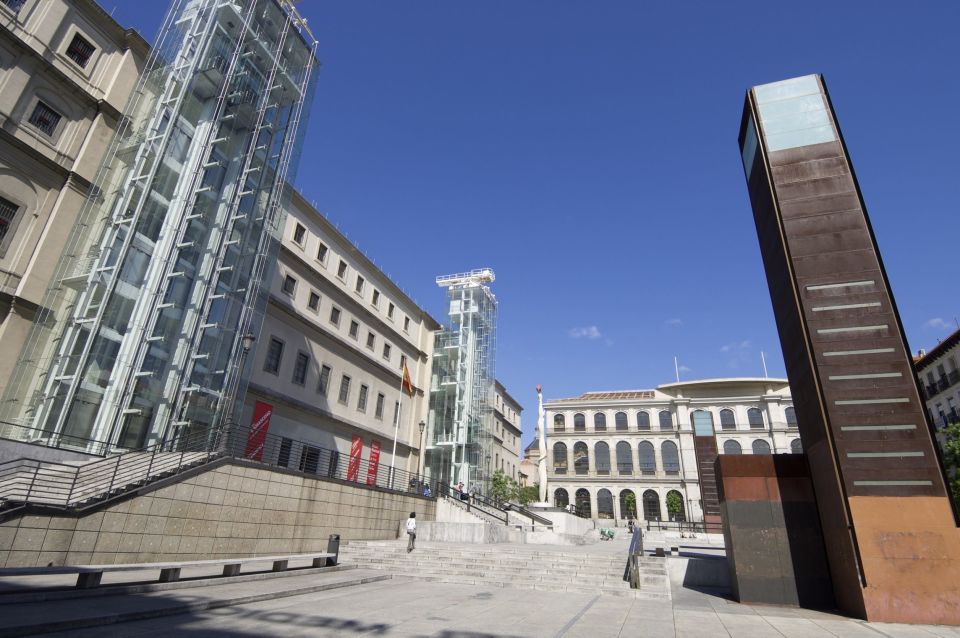
After your Prado time, you head on foot for about 45 minutes to the Reina Sofía. That’s long enough to matter, especially if you’re counting steps, planning around food, or trying to avoid getting rushed later.
This walking segment is also your reset window. If your legs tend to protest after museum floors and staircases, bring water with you if you normally do, and keep your shoe game comfortable. The tour is wheelchair accessible overall, but on-the-ground comfort still helps everyone enjoy the day.
One small reality check: people describe the day as needing better breathing room between the two museums. Even when the walking is manageable, you might feel the pressure if you want bathroom time or a quick snack before the Reina Sofía starts.
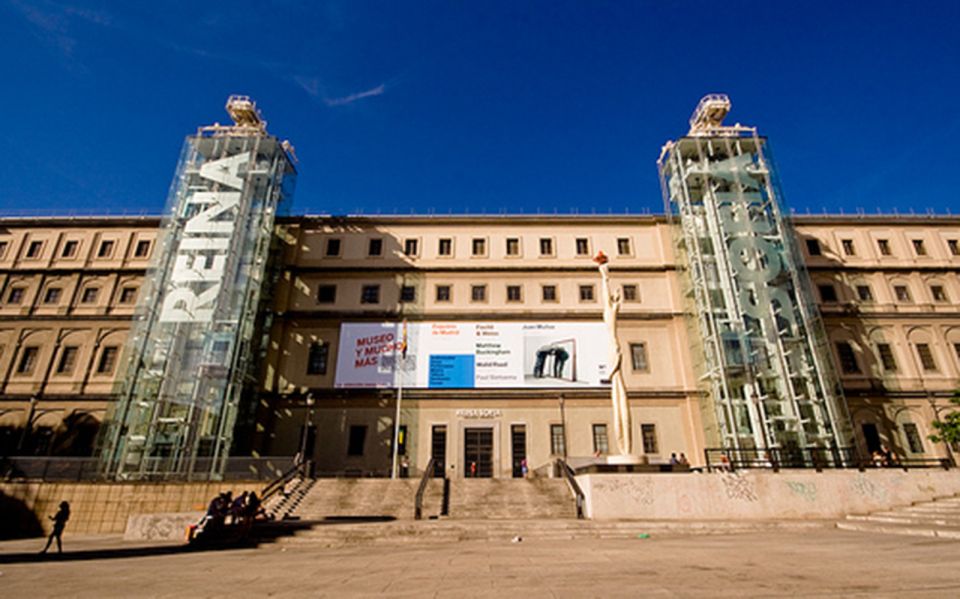
Reina Sofía: Spain’s 20th-century story told through Cubism to Surrealism
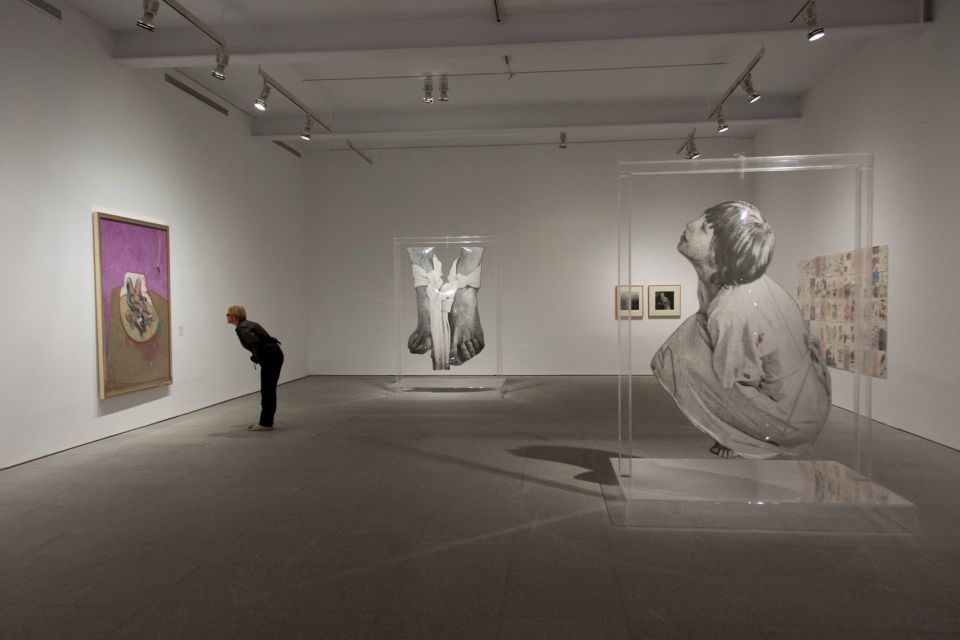
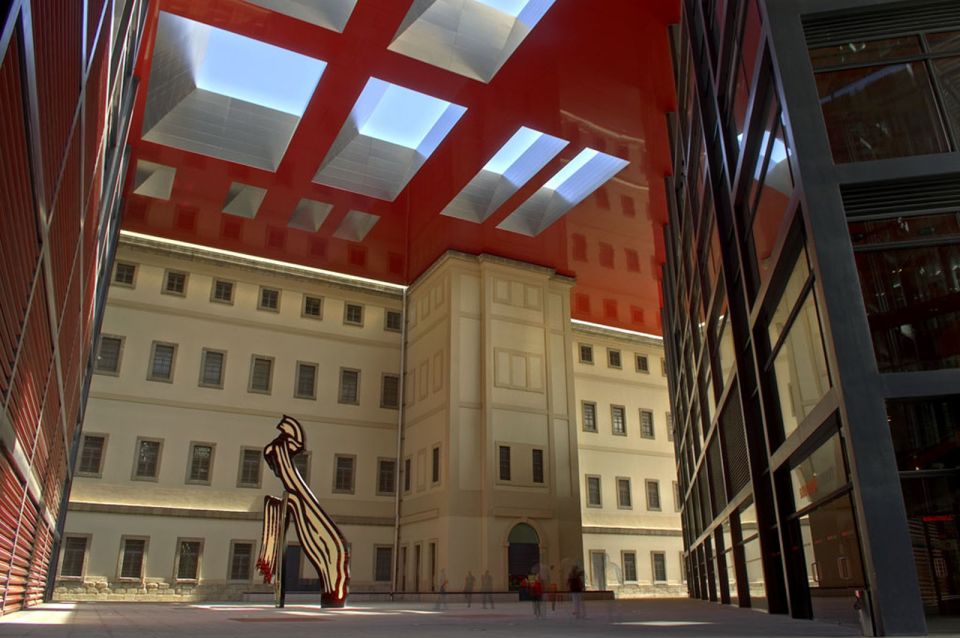
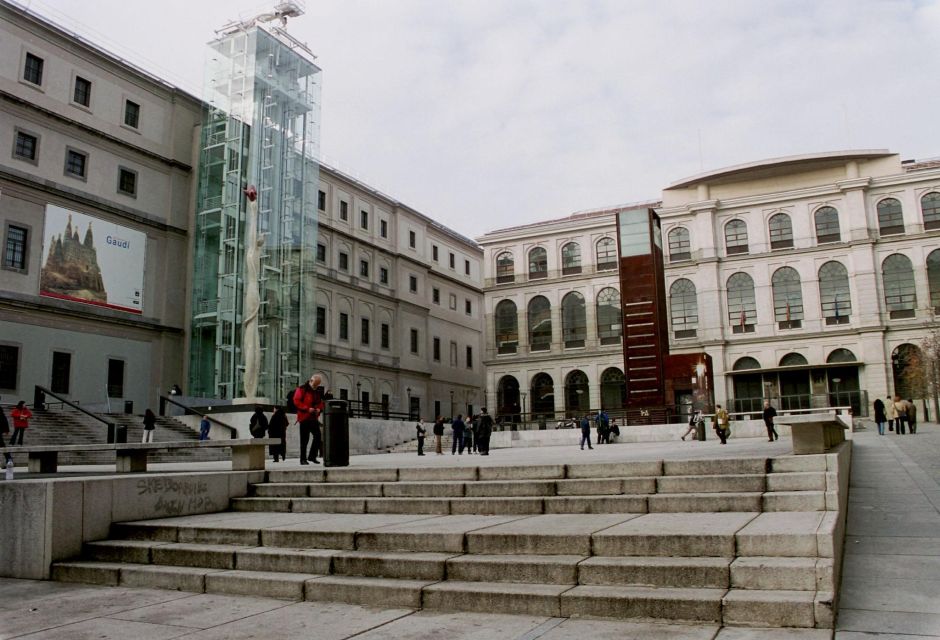
The Reina Sofía stop is about 75 minutes. Here the focus shifts from centuries of painting to the drama of the 20th century: modern movements, changing ideas, and Spanish artists who reshaped European art.
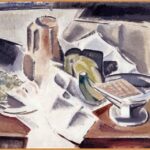
The tour highlights Spain’s top 20th-century names, including Pablo Picasso and Salvador Dalí. You also get guided commentary on how movements connect, from Abstract Art to Cubism, then onward into Surrealism and Modernism.
This is where El Guernica fits into your day as a headline moment. The value of a guided approach is that you’re not just staring at a famous image. You’re learning how the painting fits into a broader shift in Spanish—and European—thinking.
Photography is allowed in Reina Sofía, but with restrictions. You can take pictures, but no flash and no camera stabilization gear like tripods or selfie sticks. If you’re trying to film or set up gear, know that you may not be allowed to.
You can also read our reviews of more museum experiences in Madrid
The guide experience: why names like Gabriela, Elena, and Javier matter
The strongest common thread in the feedback is guide quality and clarity. People consistently praise guides for being organized, professional, and good at explaining without turning into a lecture that kills the mood.
You’ll see praised examples like Gabriela, Elena, Javier, Enrique, and Jose (J.J.). The type of skill described is what you actually want in a big museum: guiding you through the maze, pointing out what matters, and keeping the story coherent even when the galleries are crowded.
Some guides are also described as personable and even funny. That matters because modern art can feel intimidating if you go in cold. A good guide helps you translate what you’re seeing into something understandable, without flattening it.
There can be a downside with group dynamics. One issue that pops up is crowding and occasional delays around ticketing. If the Prado entrance is overbooked on a given day, the group may need a short scramble before everyone is sorted. It’s not the ideal start, but it’s the kind of wrinkle you’re more likely to encounter with high-demand museum days.
English and Spanish at the same time: good to know before you commit
The tour runs simultaneously in English and Spanish. That’s great if you’re bilingual or don’t mind switching modes while you listen. It can also be slightly confusing if you want everything in one language the whole time.
One pattern mentioned is that the language flow felt more smoothly managed in the Prado than in Reina Sofía, where you might feel the back-and-forth. If you’re sensitive to that, plan to be patient and focus on the guide’s cues and the artworks themselves, not just the words.
If you prefer one language, consider asking the guide at the start how they’ll handle the split for your group. The tour is designed for both languages, but the lived experience can vary by day and crowd size.
Rules, bags, and photo expectations you should plan around
This tour has a clear set of behavior rules, and they impact your day more than you’d think.
Not allowed:
- luggage or large bags
- selfie sticks
- flash photography
- tripods
- any photography inside the Prado
In the Reina Sofía Museum, photography is allowed with restrictions:
- no flash
- no stabilization elements like tripods or selfie sticks
So if you’re the kind of visitor who documents everything, adjust your expectations. Plan to enjoy the art firsthand. If you need to carry a day bag, keep it small enough to avoid problems at entry.
Wheelchair accessible means you should be able to participate, but there’s still walking, entrances, and crowd movement. Comfortable shoes and a calm attitude help you get through the flow.
Price and value: is $80 fair for two museums plus a guide?
$80 for about 4 hours, including admission to both museums and guided visits in both locations, can be good value if you like structure. You’re paying for two things that are hard to replicate on your own: a guided story and time saved by skip-the-line entry.
It’s especially worth it if you want Spanish art context without doing homework. The Prado portion covers the museum’s history and major masters, while Reina Sofía translates 20th-century movements into something you can actually recognize in the galleries. That pairing is the whole point of the tour.
It’s not the best choice if you want a long, unhurried museum day. The schedule is tight by design: guided hours, short free time, and timed transfers. If that kind of pace stresses you out, consider visiting one museum alone instead.
Who this tour suits best
I’d point you toward this tour if you:
- want a fast, guided overview of Spanish art from old masters to the 20th century
- like learning from a guide while you look at the art
- want to see headline works like Las Meninas and El Guernica in a connected way
- don’t mind a day with a few timed segments and clear rules
I wouldn’t pick it if you:
- hate walking between timed stops
- want to take photos freely inside the Prado (you can’t)
- need lots of open-ended time to roam at your own pace
Should you book this Prado and Reina Sofía guided tour?
Book it if you want maximum art payoff per hour and you value a guide who can turn famous works into a story you understand. The best part is the combination: Prado gives you the roots and key European masters, while Reina Sofía brings you the 20th-century energy of Picasso, Dalí, and modern movements.
Skip it if you want a slow museum day, or if photography inside the Prado is a dealbreaker for you. Also think twice if language mixing would annoy you; the tour runs in both English and Spanish at the same time.
FAQ
How long is the Prado and Reina Sofía guided tour?
It lasts about 4 hours.
What’s the price per person?
The price is $80 per person.
Where do I meet the guide?
Meet at the Statue of Velázquez, Paseo del Prado, 11, on one of the lateral sides of the Prado Museum. The guide will carry an Amigo Tours sign.
Are the Prado and Reina Sofía museums both included?
Yes. Entrance tickets for both museums are included, along with guided visits to both.
What languages is the tour offered in?
The live commentary is available in English and Spanish.
Do I get skip-the-line entry?
Yes, the tour includes skip-the ticket line for both museum visits.
Is hotel pickup or drop-off included?
No, hotel pickup and drop-off are not included.
Can I take photos in the Prado Museum?
No. Photography inside the Prado Museum is not allowed.
Can I take photos in the Reina Sofía Museum?
Yes, you can take pictures in the Reina Sofía Museum, but you cannot use flash or any stabilization equipment like tripods or selfie sticks.
Are large bags allowed?
No. Luggage or large bags are not allowed on this tour.