REVIEW · MADRID
Madrid: Museo del Prado Guided Tour
Book on GetYourGuide →Operated by The Guides You Need, S. L · Bookable on GetYourGuide
Big museum. Small plan. This private Prado tour is interesting because you’re not wandering room-to-room—you’re meeting your guide at the Goya Statue and going straight in with an official guide who shapes what you’ll see, from Velázquez and Goya to Bosch and Greco. Guides like Macarena, Maria, Paola, and Stefani show up with different styles, but the theme is the same: clear stories, not art-class lectures.
Two things I really like: you get a Prado ticket included (so the experience starts fast), and the tour is designed to feel custom, with a suggested chronological flow so the works make sense as you move through the museum. One consideration: the Prado has a no photography inside rule, and with a 1.5–2 hour window in a museum this size, you’ll need to choose how much you want to linger.
You’ll keep it moving inside. Your guide starts at the ticket area (they carry a sign that says The guides you need), then you’ll spend about 1.5 hours with guided attention and a smart route. The tour also runs in multiple languages—Spanish, English, Italian, and French—so you can pick the one that helps you follow the stories without second-guessing translations.
In This Review
- Key Highlights at a Glance
- First Stop: Meeting at Goya Statue and Getting Oriented Fast
- Skip the Ticket Line, Then Use the Prado Like a Pro
- Your 1.5-Hour Museum Route: Custom, but Still Makes Sense
- Stop Inside the Prado: How the Guide Builds Meaning Around the Greats
- Bosch and the Strange World of Symbols
- Van der Weyden and Dürer: Detail as Story
- Raphael and the Venetian Schools: Harmony and Light
- Greco and Murillo: Spanish Spiritual Drama
- Velázquez and Goya: The Prado’s Emotional Payoff
- Why the Guide Style Matters (And How to Pick the Right Tour Moment)
- Price and Value: Is $49 a Good Deal for the Prado?
- After the Tour: How to Keep Enjoying the Prado
- Practical Stuff Before You Go
- Should You Book This Prado Guided Tour?
- FAQ
- Where do I meet the guide?
- How long is the Prado guided tour?
- Is the Prado ticket included, and do I skip the ticket line?
- What languages are available?
- Can I take photos inside the museum?
- Is food or hotel pickup included?
Key Highlights at a Glance
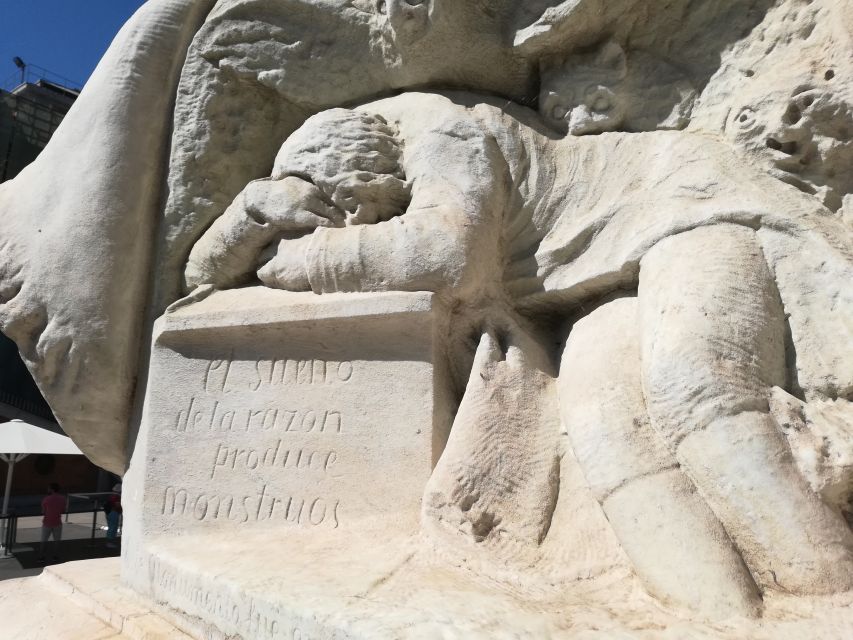
Official Prado guide plus your ticket included, so you spend less time on logistics and more time on paintings
A custom route that still keeps a chronological backbone (with a few practical exceptions)
Big-name masterpieces featured, from Velázquez and Goya to Bosch, Greco, Rubens, Raphael, and Titian
Small-group or private format, which makes it easier to ask questions and actually hear the details
No photos inside the museum, meaning you’ll rely on your memory and notes instead of screenshots
First Stop: Meeting at Goya Statue and Getting Oriented Fast
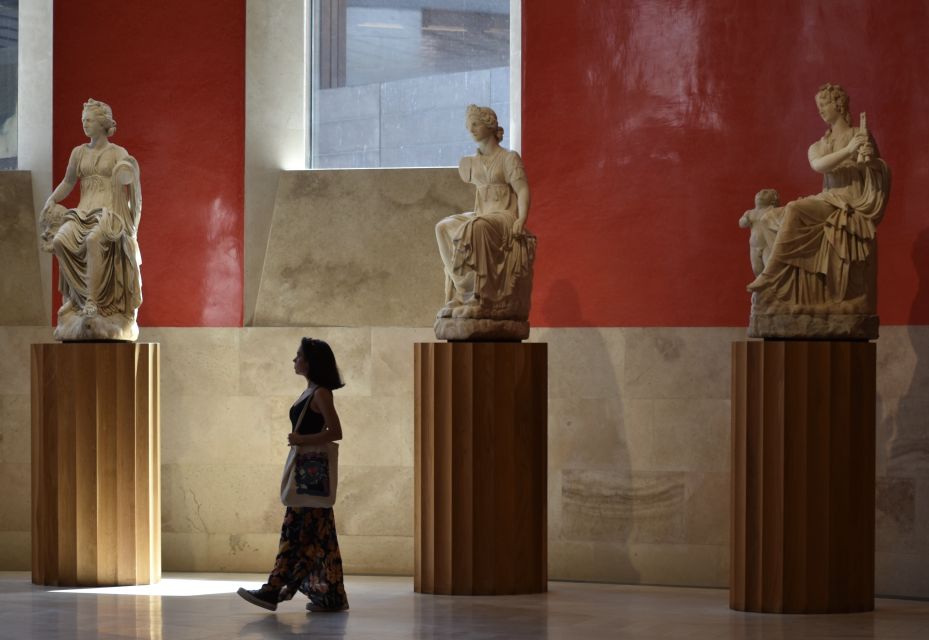
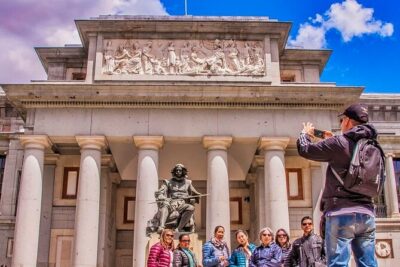
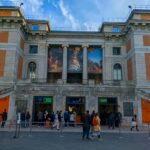
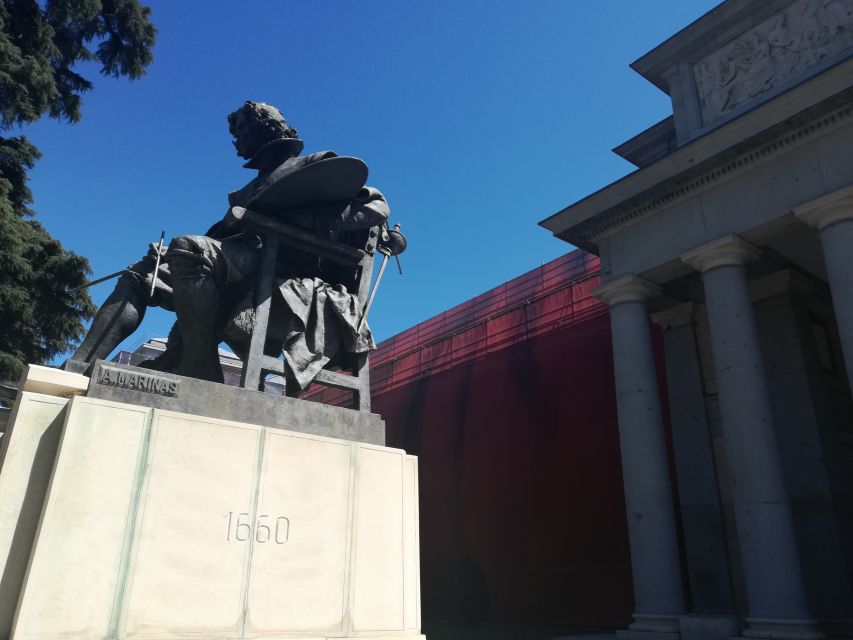
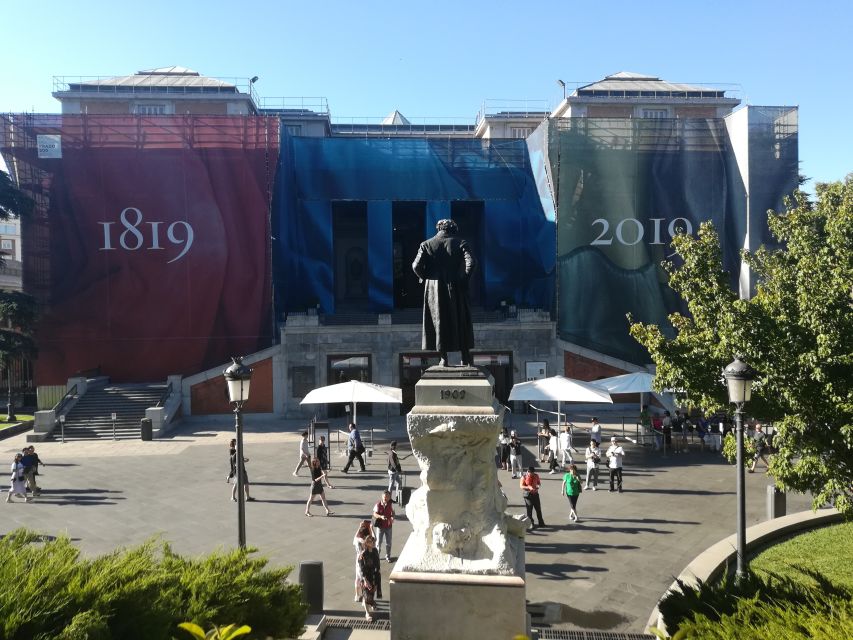
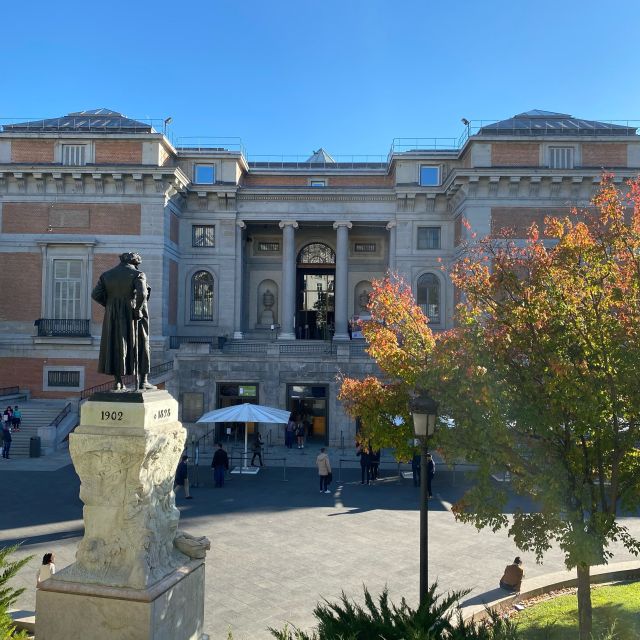
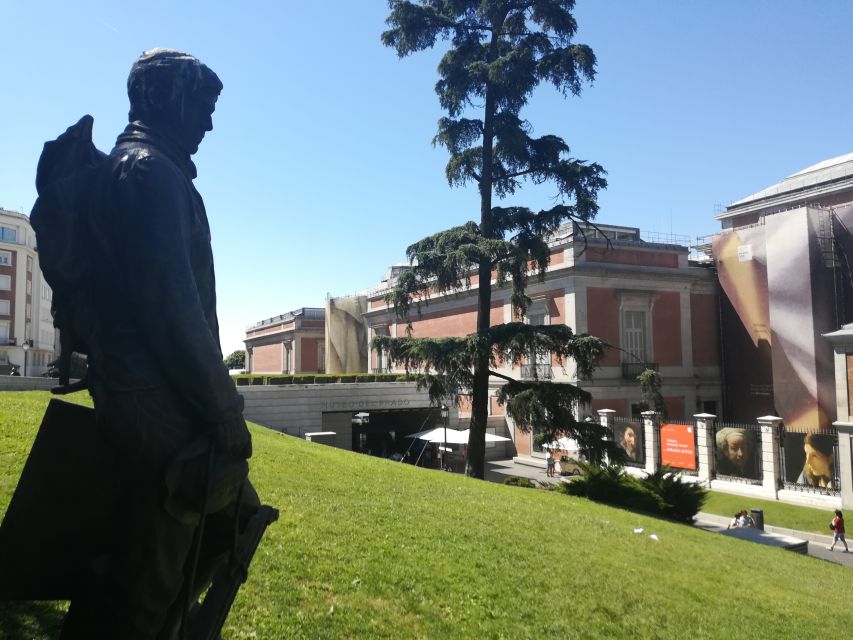
The Prado can feel like a maze when you first enter. So I like how this experience starts outside with a clear meeting point. You meet your guide at the Monument to Goya area, right in front of the museum’s ticket office, and the guide will hold a sign that says The guides you need. That tiny detail matters. It reduces the usual pre-tour stress—no hunting, no guessing.
There’s also an alternate starting point listed as the Monument to Statue. In practice, you’ll want to confirm which one you’re assigned when you book, but either way, the setup is the same: you’re close to the ticket area, so you can get inside quickly after you meet.
Your guide then takes the group into the museum and starts shaping the visit. If you want to focus on specific works, the tour format is built for that kind of request. That’s rare for a museum tour that usually forces a one-size-fits-all loop.
You can also read our reviews of more guided tours in Madrid
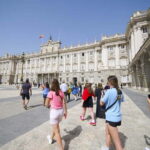

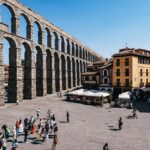
Skip the Ticket Line, Then Use the Prado Like a Pro
Once you’re inside, the biggest value is that someone else handles the museum’s “where to go next” problem. The tour includes the Prado ticket and is designed to skip the ticket line, which is a real win at the Prado. You’re not standing around while other people get their bearings.
The guide’s approach also helps you understand what you’re seeing. Instead of just pointing at famous paintings, they explain meaning and technique—how the artist built the scene, and what the work is trying to say. That’s what turns a checklist of masterpieces into a connected experience.
And because this is a private or small-group tour, you’re not stuck waiting for the slowest pace or getting rushed by the fastest. In multiple accounts, groups have been very small—sometimes feeling like a private experience—so you can ask questions and get answers that fit your level of interest.
One more practical point: the museum doesn’t allow photography inside. So you’ll be using your eyes (and maybe quick notes). I actually think that’s a good nudge here. You’ll pay closer attention when you can’t just record everything.
Your 1.5-Hour Museum Route: Custom, but Still Makes Sense
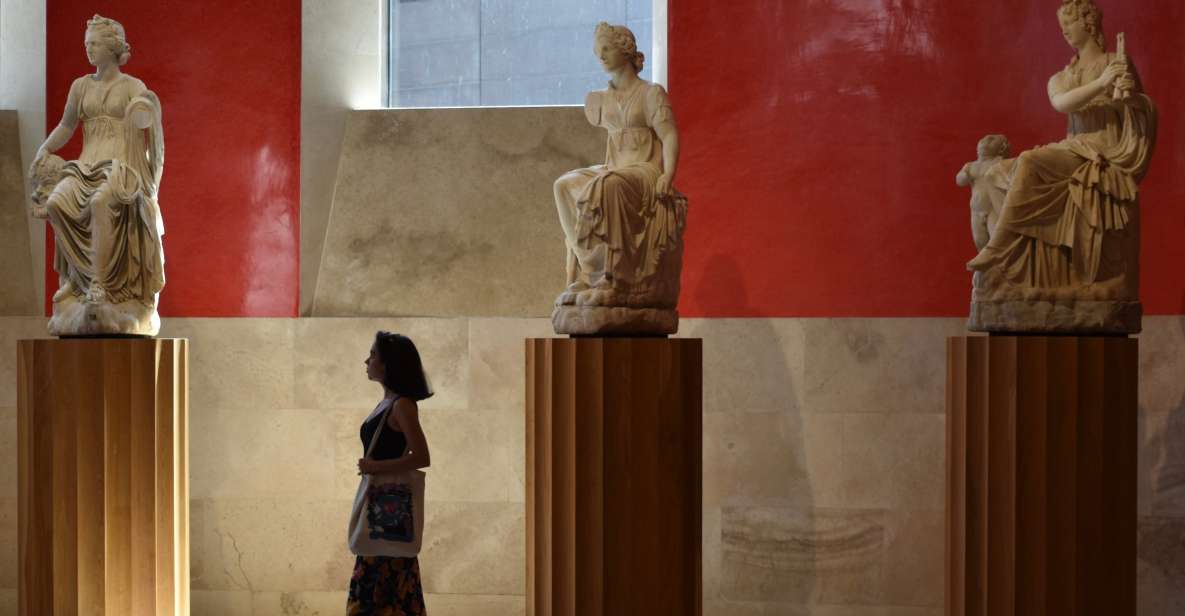
This tour is set up as a custom visit—your guide can move however you want inside the museum. Still, they usually suggest a chronological tour, with one or two exceptions due to the gallery layout and the sheer size of the Prado.
That “chronological backbone” is a big deal for beginners. It’s easy to feel overwhelmed at the Prado because the collection spans centuries. When you see earlier works, then the Renaissance, then the Spanish Golden Age, the changes in style stop feeling random. Brushwork, light, composition, and even storytelling shift over time—and the tour structure helps you notice those shifts.
You also have an upside if you’re not a die-hard art person. Even if you only know the names—Velázquez, Goya, Bosch—this route helps you connect the names to the bigger story behind them: why each artist’s approach mattered when it did.
Stop Inside the Prado: How the Guide Builds Meaning Around the Greats
The itinerary inside is flexible, but the “highlight spine” is clear. You’re going to see major works and key artists such as Bosch, Van der Weyden, Dürer, Raphael, Titian, Tintoretto, Greco, Murillo, Velázquez, Goya, and Rubens. Not every tour will cover every artist the same way, but the intent is consistent: give you a strong cross-section of what makes the Prado essential.
Here’s how those artists tend to land, and what you should look for while your guide talks.
Bosch and the Strange World of Symbols
Bosch is the kind of artist who makes you pause. His works often feel crowded with ideas, strange creatures, and moral symbolism. The guide’s job is to slow you down long enough to see patterns, not just shock value.
If you’re going with a “quick highlights” mindset, Bosch is where you shift into “wait, what am I actually looking at?” mode. After your guide explains the meaning and the visual logic, the painting stops being just weird and becomes deliberate.




Van der Weyden and Dürer: Detail as Story
Van der Weyden and Dürer represent a different kind of power: precision. You’ll be nudged to notice faces, gestures, and the way craftsmanship carries emotion. It’s not just about what’s depicted—it’s about how the artist controls attention.
If you tend to look at art only for overall scenes, this section usually helps you recalibrate. You start seeing the work as construction, not decoration.
Raphael and the Venetian Schools: Harmony and Light
Raphael, Titian, and Tintoretto bring you into the world of Renaissance balance and the Venetian love for color and atmosphere. A good guide helps you notice how composition and lighting guide your eye.
This is often a satisfying middle point in the tour. You get the sense that the artists are playing with human proportions, dramatic structure, and color relationships—not just telling a story, but choreographing how you experience it.
Greco and Murillo: Spanish Spiritual Drama
Greco and Murillo tend to pull the focus toward intensity—religious themes, human emotion, and a kind of storytelling drama you can feel even if you don’t know the background.
What makes this valuable is the explanation of context and technique. Greco’s style can seem exaggerated if you’re not given a framework. Murillo can feel softer, but there’s still meaning hiding in how the scene is staged.
If you’ve ever looked at a religious painting and wondered why it was so important in its time, this part of the tour usually answers that.
Velázquez and Goya: The Prado’s Emotional Payoff
The tour’s emotional center is often Velázquez and Goya. Multiple guides in this tour tradition place major weight on these Spanish masters, and Goya is frequently handled in a way that feels poignant—like the tour is ending on purpose, not just finishing because time ran out.
Here’s what you should listen for from your guide:
- how Velázquez builds realism and presence
- how Goya pushes expression and social meaning
- why their techniques changed what painting could do in Spain
Even if you only came for famous names, this is where the museum stops being a background attraction and becomes a real experience.
Why the Guide Style Matters (And How to Pick the Right Tour Moment)
This kind of tour lives or dies on the guide. The best examples from the guide roster in this experience—Macarena, Stefani, Clara, Maria, Paola, Alex, Natalia, Belen, Olaya, Christina, and Paula—share a practical talent: they connect painting technique and historical context without turning the visit into a lecture.
You’ll notice it in things like:
- pacing that helps you hear the story even when the Prado is packed
- explanations that relate art to larger human themes (religion, culture, humanitarian ideas)
- humor or smart storytelling that keeps the group engaged
It also helps that the tour is small. When the group is only a few people, the guide can slow down for questions. That turns a “watch and move on” museum trip into something more like a conversation.
Price and Value: Is $49 a Good Deal for the Prado?
At $49 per person for 1.5–2 hours, this isn’t cheap compared with self-guided entry. But it is good value for what you’re buying.
You’re getting:
- a professional official guide
- the Prado ticket
- skip-the-ticket-line entry time
For the Prado, time is money. If you plan to see a handful of masterpieces and you want real context behind them, paying for a guide usually beats spending hours trying to figure out what to prioritize and why.
I’d especially recommend this price point if:
- you’re short on time in Madrid
- you want the highlights plus context, not just famous faces
- you don’t want to “Google your way through” the museum while other people push past you
If you’re the type who loves reading every wall label for hours, you might feel the guided window is too short. But even then, a guided start can give you a roadmap for the rest of your visit.
After the Tour: How to Keep Enjoying the Prado
This tour includes your ticket, and the guided portion is only part of the day. In at least some cases, people note they were able to continue exploring afterward until museum closing time, though you can’t leave and then come back later.
So here’s my practical advice: use the guided tour as your “selection meeting.” You’re not trying to see everything. You’re trying to identify your top works and then return to them on your own with better instincts.
Also, the Prado’s crowd patterns can change during the day. If your schedule allows, plan a second pass on whatever hits you hardest during the guide’s route. That’s where the paintings start to feel personal.
Practical Stuff Before You Go
- Wear comfortable shoes. You’ll be moving through a lot of rooms in a short window.
- The tour runs in all weather conditions unless the Prado closes.
- Bring patience for crowds. The guide’s job includes moving through busy galleries without losing the thread.
- Languages are Spanish, English, Italian, and French, so pick the one that lets you follow the explanation comfortably.
And remember: no photography inside. This is a visual experience, not a photo scavenger hunt.
Should You Book This Prado Guided Tour?
Book it if you want the Prado’s best works with real context, and you don’t want to waste time figuring out what to see first. The combination of an official guide, ticket included, and skip-the-line entry makes the $49 price feel practical rather than “just another tour add-on.”
Skip it (or consider a different format) if photography-free museum rules will frustrate you, or if you hate time limits and want to park yourself in front of a single painting for hours. Also, if you already know exactly which handful of works you want and you enjoy self-guided research, you might be fine going alone.
For most people, this is the smart middle: a focused highlight route with stories that help the masterpieces land.
FAQ
Where do I meet the guide?
Meet at the Goya Statue area right in front of the Prado’s ticket office. The guide will be holding a sign that says The guides you need. An alternate starting point listed is the Monument to Statue.
How long is the Prado guided tour?
The guided visit runs about 1.5 hours, and the total activity duration is listed as 1.5 to 2 hours depending on the starting time.
Is the Prado ticket included, and do I skip the ticket line?
Yes. The tour includes the Prado Museum ticket and is designed to skip the ticket line.
What languages are available?
The live tour guide is offered in Spanish, English, Italian, and French.
Can I take photos inside the museum?
No. Photography inside the Prado is not allowed due to the museum’s policy.
Is food or hotel pickup included?
No food or water is included, and there is no hotel pickup or drop-off.