REVIEW · MADRID
Madrid: Museo de la Luz Entry Ticket
Book on GetYourGuide →Operated by Museo de la Luz · Bookable on GetYourGuide
Light can be art and play.
The Museo de la Luz turns the idea of looking into something you do with your whole body, using projections, sculptures, and interactive light games. I love that the focus stays clear and human: light as a medium, not just decoration.
Second, you get a fast, indoor hit of creativity that’s easy to fit into a Madrid day. I’m especially drawn to how the experience mixes education with hands-on moments, so it doesn’t feel like you’re just standing and listening.
One thing to consider: the experience is short (your ticket is valid for 20 minutes), and the museum is small, so it’s not the best choice if you want a long, slow museum afternoon.
In This Review
- Key takeaways before you go
- Light as the main character in Madrid
- Your 20-minute plan (and how not to waste it)
- What you’ll see: installations, sculptures, and projections
- Interactive play: colored light games you can control
- The staff boost: help with poses and pictures
- Temporary exhibitions and special events (why it’s not always the same)
- Value check: is $17 for 20 minutes a fair deal?
- Who should book this, and who might skip it
- Timing and practical tips once you’re in Madrid
- Should you book the Museo de la Luz?
- FAQ
- How long is the Museo de la Luz visit?
- What kind of experience is it?
- Is entry guaranteed if I arrive late?
- Can children visit, and do they need an adult?
- Is the museum wheelchair accessible?
- What is included with the ticket?
- Can I cancel if my plans change?
Key takeaways before you go
A timed visit that’s perfect when your schedule is tight (20 minutes)
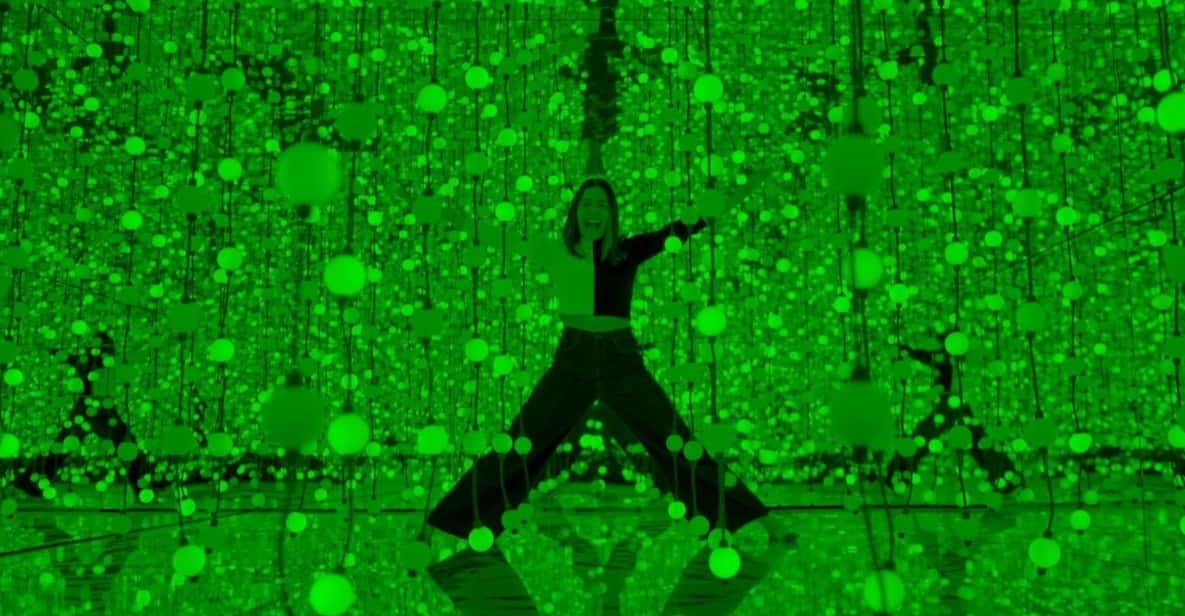
Light-art that mixes projections, laser-style effects, and mirror-room play
Interactive spaces where you can experiment instead of only observing
Staff help that can improve your photos and poses
Temporary exhibitions and special events that keep the experience from feeling static
Good value for the right visitor, less satisfying if you want a bigger museum time window
Light as the main character in Madrid
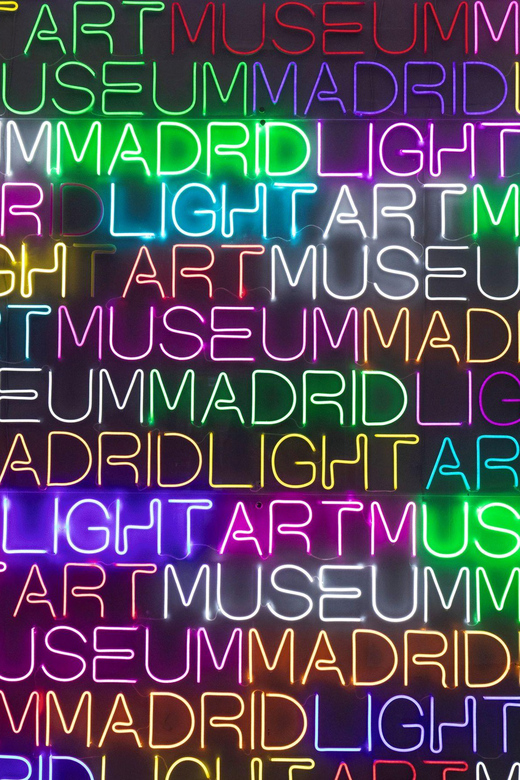
At the Museo de la Luz, light is the subject and the tool. You’re not looking at paintings or sculptures in the usual way. Instead, you’re watching how light can shape mood, suggest ideas, and even change how you see your own face and body.
That shift matters. In most museums, your eyes do the work. Here, you start noticing timing, color, angles, and how light behaves on surfaces. Even if you don’t care about art theory, the experience makes the science feel practical. You can walk out thinking about shadows, color mixing, reflections, and movement in a totally new way.
And yes, it’s fun. The museum is designed so you move through different light installations that feel like small scenes, not one long hallway. A quick visit still feels complete because the experience is built in “moments.”
You can also read our reviews of more tours and experiences in Madrid



Your 20-minute plan (and how not to waste it)
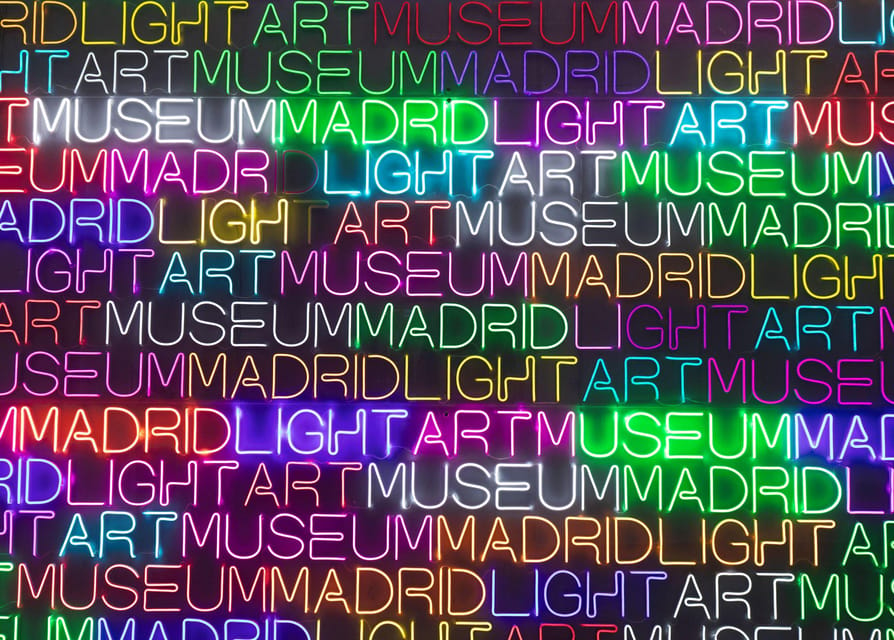
Your entry ticket is valid for 20 minutes, tied to your scheduled time. That’s short by museum standards, so treat it like a sprint with good shoes.
Here’s how I’d plan it:
- Arrive 5 minutes early or exactly on time.
- If you show up more than 20 minutes late, entry isn’t guaranteed.
- If you’re going with kids, plan for constant supervision since children must be accompanied by an adult at all times.
Once you’re inside, don’t spend your whole time reading every sign. Instead, use the first minute to get your bearings—then aim for the interactive areas and the photo-friendly rooms.
A lot of people love the “quick interactive” style because it’s easy to repeat your favorite setups. You’ll likely find yourself returning to the same light effects more than once, just to try different angles and poses.
What you’ll see: installations, sculptures, and projections
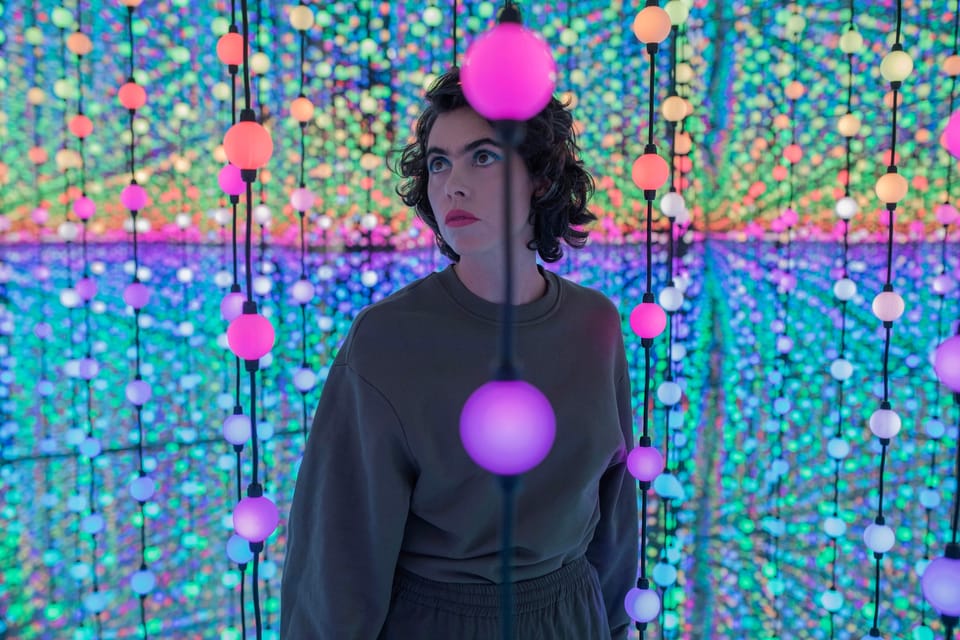
The museum is built around art that uses light to create visual effects and emotional or conceptual messages. Expect a mix of:
- installations and sculptures that rely on light behavior
- projections that change what’s in front of you
- interactive spaces meant for experimenting (not just observing)
Some areas feel like a live “light composition.” Others feel more like a visual game where you adjust how you stand and where you look. The point isn’t to decode everything. The point is to notice how light can make a space feel calm, futuristic, playful, or dramatic—sometimes all within minutes.
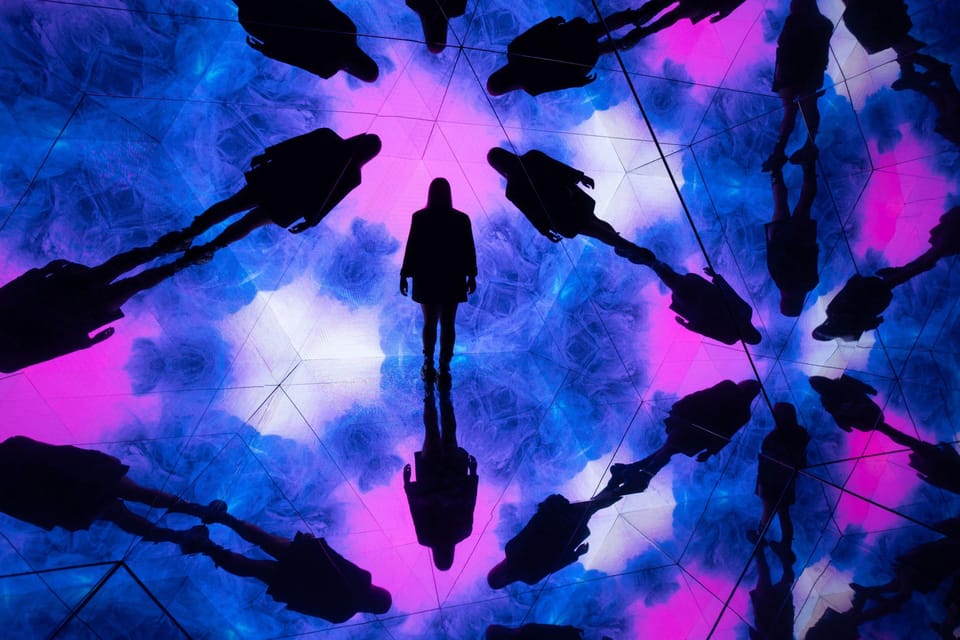
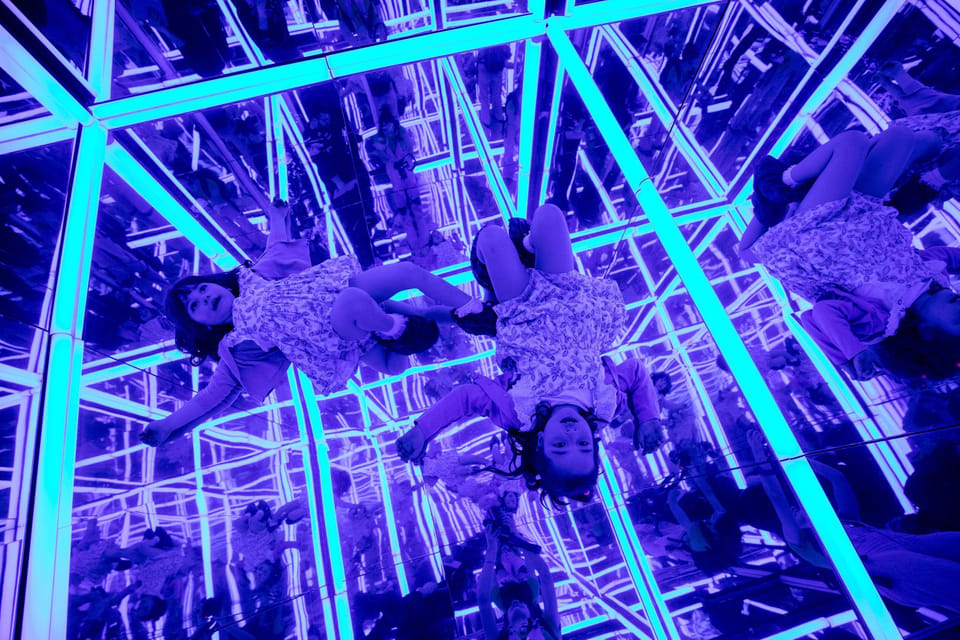
One standout category is the laser and colored light effects people specifically bring up. Another is the mirror room, which tends to amplify everything: your reflections, the colors, and the sense of depth. In practical terms, it’s one of the easiest places to get consistently interesting photos without needing fancy photography skills.
Interactive play: colored light games you can control
The best part of Museo de la Luz isn’t passive viewing. The museum is designed with interactive areas where you can experiment and see results quickly.
That hands-on design is valuable because it makes the experience memorable. Instead of remembering what someone told you about light, you remember what happened when you moved.
In these interactive sections, colored light can work like feedback. Your position affects the look. Your timing affects the effect. Even simple movement can change the pattern or intensity you see, which is why the experience is so “do it again” friendly.
This also helps families and groups. Not everyone processes museum content the same way. Some people want the science angle. Some want the photo moment. Here, you can get both without splitting up the group.
The staff boost: help with poses and pictures
Museums usually ask visitors to be self-sufficient. This one is different. People consistently highlight that staff are helpful, welcoming, and willing to guide you through what works best.
What does that mean in real life? You’ll likely find staff giving practical suggestions for posing—especially in the rooms where reflections and light angles matter most. Some visitors also describe getting help getting photos they really like.
This is a big deal if you’re traveling without a dedicated photographer. A small museum experience can go from okay to great when someone helps you get the shot quickly, without slowing you down.
Also, staff are described as friendly and supportive across visits, which helps if you’re visiting alone. The experience still works well solo, and having guidance makes it feel less awkward and more playful.



Temporary exhibitions and special events (why it’s not always the same)
Museo de la Luz doesn’t feel frozen in time. It hosts temporary exhibitions and special events, which means your visit may include different installations or fresh variations on light-based art.
That matters for value if you’re a repeat visitor to Madrid. Even if you’ve already done the main light rooms, a special event can change the feel of the overall experience. It’s also a plus if you’re traveling with kids or a group that needs variety to stay engaged.
If your schedule allows only one short indoor activity, this kind of “always changing” programming is how you avoid feeling like you paid to see the same thing every city has seen before.
Value check: is $17 for 20 minutes a fair deal?
Price is personal, so I’ll give you a grounded way to judge value.
At about $17 per person for a 20-minute ticket, you’re paying for:
- timed entry to a curated light-art experience
- interactive exhibits (not just viewing)
- a concentrated set of photo-friendly moments
If you like hands-on experiences and you enjoy photography or visual experiments, the price tends to make sense. Many people describe it as fun, highly photo-worthy, and a solid use of an hour—or less—when you want something different from Madrid’s big museums.
If you don’t like short museum formats, you might feel it’s tight. Some visitors note the museum is small and that it can feel like there’s not much time inside. That’s the main drawback to pricing: you’re not buying a long “wander” ticket.
My advice: treat it like a planned stop, not a random stroll. Pick a time slot when you’re not rushing to the next thing, and you’ll likely feel like you got your money’s worth.
Who should book this, and who might skip it
This ticket is a strong match if you:
- want an easy indoor activity in Madrid
- enjoy interactive museums and photo moments
- like art that’s understandable fast, without needing deep background
- are traveling with kids who get restless in long galleries
It’s also a good solo option. The experience doesn’t require a group dynamic to be enjoyable, especially in the rooms where you can experiment with your position and reflections.
I’d hesitate if you:
- want a big museum with lots of rooms and long viewing time
- prefer traditional art formats where you read and linger for an hour or more
- dislike anything that feels timed or strictly structured
Think of it as a light show with an educational angle, not a full-day museum replacement.
Timing and practical tips once you’re in Madrid
Because your ticket is timed and entry depends on punctual arrival, planning beats luck.
Here’s what helps:
- Aim to arrive right on time (or a few minutes early).
- Build in a small buffer for getting oriented once you arrive, since the visit is only 20 minutes.
- Wear something comfortable for moving and trying different angles in reflective light areas.
The museum is wheelchair accessible, so it’s a good pick if you need an indoor option that doesn’t depend on stairs or long outdoor walking. If you’re going with family, remember kids must be accompanied by an adult the whole time.
Should you book the Museo de la Luz?
Book it if you want a short, fun, photogenic, light-based experience that feels interactive from minute one. The focus on light as art, the presence of projections and colorful effects, and the hands-on spaces make it worth considering even if you only have a small window in your Madrid schedule.
Skip it if you want a long museum visit or you’re allergic to timed attractions. Also skip if you’re hoping it’s the kind of place you can spend hours wandering without a plan.
If you’re deciding between “one more major museum” and “something different,” Museo de la Luz is a smart contrast. It’s a compact experience that can add variety to your trip without eating your whole day.
FAQ
How long is the Museo de la Luz visit?
Your ticket is valid for 20 minutes, starting at your scheduled entry time.
What kind of experience is it?
It’s a cultural space focused on art that uses light as the main medium. You can expect installations, sculptures, projections, and interactive areas where you can experiment with light.
Is entry guaranteed if I arrive late?
No. Entry is not guaranteed if you arrive more than 20 minutes after your scheduled time.
Can children visit, and do they need an adult?
Yes, but children must be accompanied by an adult at all times during the visit.
Is the museum wheelchair accessible?
Yes, it is wheelchair accessible.
What is included with the ticket?
Your ticket includes entry to Museo de la Luz and access to the interactive exhibits.
Can I cancel if my plans change?
Yes. You can cancel up to 24 hours in advance for a full refund.