REVIEW · MADRID
Madrid: Must-See Attractions Walking Tour
Book on GetYourGuide →Operated by Guydeez Tours · Bookable on GetYourGuide
A two-hour walk, and Madrid clicks. This Madrid old-town route connects big landmarks like the Royal Palace and Plaza Mayor with the stories that explain why they matter. You’re not just looking at stone—you’re learning how power, public life, and street-level Madrid grew into what you see today.
What I like most is the way the guide turns architecture into real cause-and-effect. I found the most useful part to be the human details: the monarchy’s ups and downs, and the kind of gripping anecdotes that help you remember what you saw.
One possible drawback: at only 2 hours, you’ll need to trust the pace. There’s time for questions and a few short looks, but don’t expect long museum-style stops at every site.
In This Review
- Key highlights worth your attention
- Why this Royal Palace to Puerta del Sol route works
- Meeting point: C. de Arrieta 8 and fast orientation
- Plaza de Isabel II: Queen Isabel II and the city’s political mood
- The Royal Palace: monarchy at full scale
- Almudena Cathedral viewpoint: why angles matter
- Iglesia de San Nicolás (San Nicolás de los Servitas): old parish energy
- Cathedral Church of the Armed Forces: murder, kings, and queens
- Plaza de la Villa: where Madrid’s architecture evolves
- Plaza Mayor: Madrid’s public square through centuries
- Plaza de Pontejos: the useful in-between moment
- Puerta del Sol: the city-wall gateway to the east
- Price and value: what you get for about $22
- Group pacing and comfort tips that actually matter
- The guide effect: why Julian’s style stands out
- Who this tour suits best
- Should you book this Madrid walking tour?
- FAQ
- FAQ
- How long is the Madrid walking tour?
- Where does the tour start and end?
- Which major sights are included?
- What languages are the live guides available in?
- Is this tour wheelchair accessible?
- Is food included in the price?
Key highlights worth your attention
- Royal Palace framing: You’ll understand the palace as the Spanish monarchy’s working heart, not just a photo stop.
- Almudena Cathedral viewpoint time: The tour builds in a smart angle so you can actually appreciate the cathedral’s presence.
- Oldest-parish stop at Iglesia de San Nicolás: You’ll see why this church stands out historically in the city’s older layers.
- Story-driven cathedral visit: The Armed Forces cathedral is paired with intriguing tales of murder, kings, and queens.
- Plaza Mayor as Madrid’s multi-use stage: You’ll hear how one square served as theatre, market, and bullring over centuries.
- Puerta del Sol’s city-wall connection: The ending ties the modern bustle to a former eastern gateway.
Why this Royal Palace to Puerta del Sol route works
Madrid can feel like a blur if you only wander on your own. This tour gives you a spine: palace → cathedral viewpoints → oldest churches → historic squares → the city’s most famous crossroads. In two hours, you get a guided sense of direction plus context for what you’re seeing.
I like that the sights are chosen for variety without feeling scattered. You’ll move from grand royal scale to intimate religious spaces, and then into public squares where Madrid actually lived.
You can also read our reviews of more walking tours in Madrid
Meeting point: C. de Arrieta 8 and fast orientation
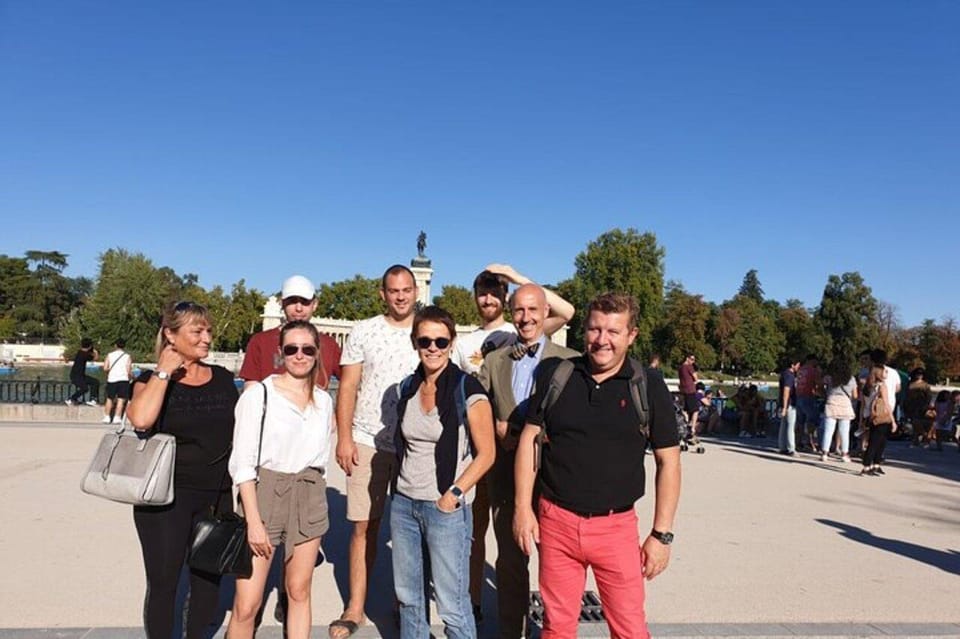
The tour starts and ends at C. de Arrieta, 8. That matters because it’s central enough that the walk feels easy to continue after the tour, whether you’re heading to tapas, museums, or just roaming.
Right from the beginning, you’ll get the kind of orientation that helps you navigate the rest of your Madrid days. The guide uses the first landmark as a map key, so later streets and squares make more sense.
Plaza de Isabel II: Queen Isabel II and the city’s political mood
You begin at Plaza de Isabel II, where the guide sets the tone by talking about the “peculiar” reign of Queen Isabel II. This is one of those moments where a small square becomes a doorway into bigger Spanish history.
What I’d watch for here: how the guide links the monarchy to the city’s public spaces. That connection becomes the theme as you move deeper into older Madrid.
The Royal Palace: monarchy at full scale
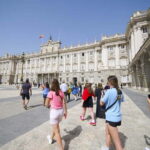
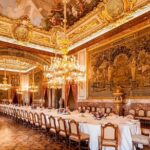
Next comes the Royal Palace of Madrid, described as the heart of the Spanish Monarchy. Even if you don’t go inside, you’ll walk away understanding why this place is such a magnet for artists, politicians, and tourists alike.
A smart way to use your time here is to look beyond the obvious grandeur. The guide’s focus helps you notice how the palace sits in the broader story of power—how it’s both a spectacle and a statement.
Almudena Cathedral viewpoint: why angles matter
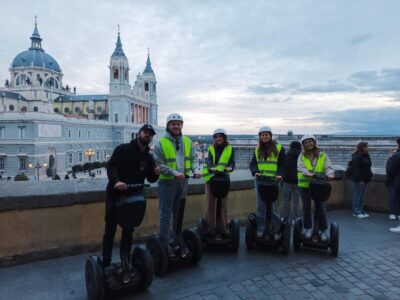
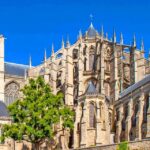
You’ll also spend time at the Cathedral of Saint Mary the Royal of the Almudena, specifically from what’s described as the best possible viewpoint. This is a good sign for a walking tour because it means you’re not left staring at a landmark from the wrong side.
Cathedrals are tricky on foot: you can’t always see scale and details at the same time. A designated viewpoint helps you get the “whole” impression, which makes later self-guided photo time easier.



Iglesia de San Nicolás (San Nicolás de los Servitas): old parish energy
Then you hit Iglesia de San Nicolás, one of Madrid’s oldest churches. The tour frames it as part of the city’s deeper roots, so you understand it as more than a stop along the route.
This is a place where slower attention pays off. If you’re the type who likes to notice stonework, atmosphere, and how neighborhoods keep history alive, you’ll likely enjoy this segment the most.
Cathedral Church of the Armed Forces: murder, kings, and queens
One of the most memorable parts of the experience is the visit tied to the Cathedral Church of the Armed Forces. You’ll hear intriguing stories connected to murder, kings, and queens—exactly the kind of narrative that turns “a church” into a living page of history.
This is also where the guide’s personality tends to show. In multiple accounts, the guide—often mentioned as Julian—is described as passionate and capable of answering questions clearly, even when you ask something off the main script.
Plaza de la Villa: where Madrid’s architecture evolves
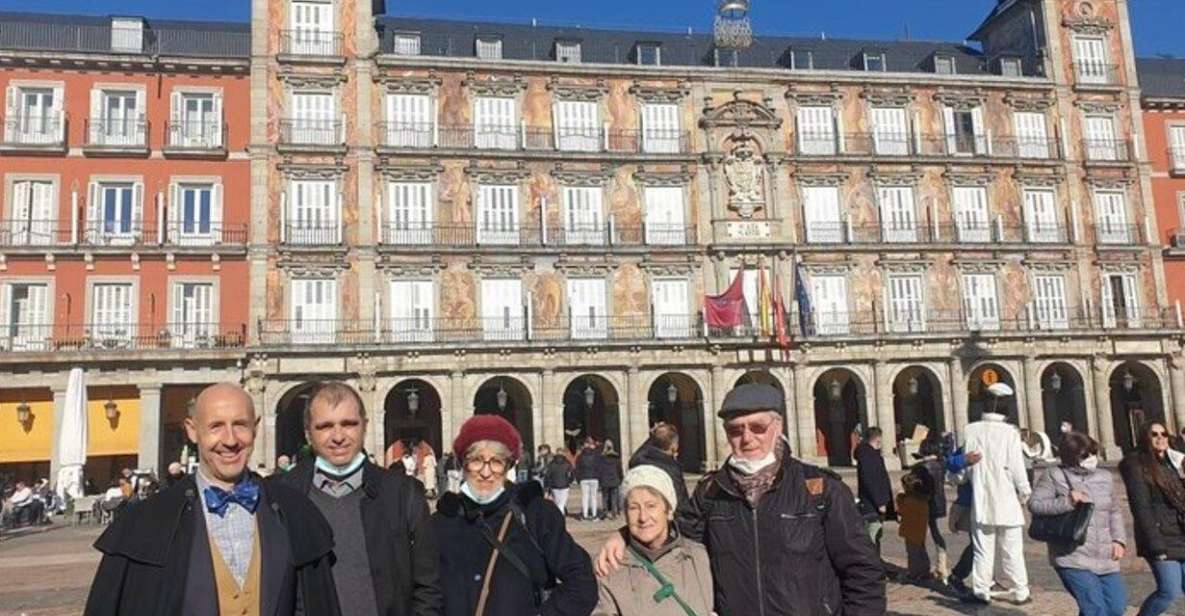
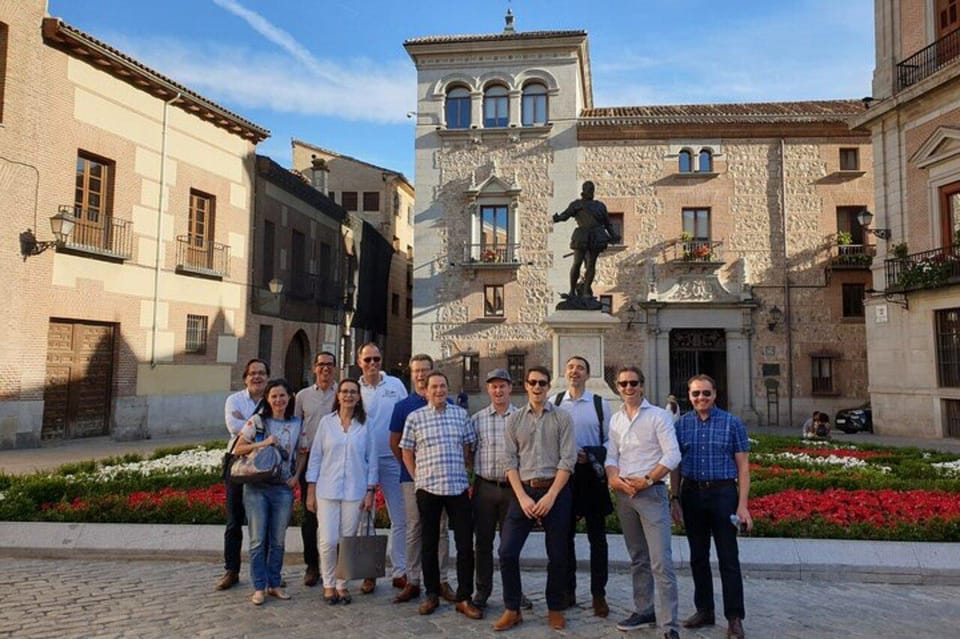
After the cathedrals, the tour heads to Plaza de la Villa, a historic square connected to Madrid’s architectural evolution since the 15th century. This isn’t just a pretty courtyard vibe; it’s a place that helps you see how the city changed over time.
If you like architecture but don’t want to plan a full day of research, this square is a practical shortcut. You’ll get the “before and after” feeling through what surrounds the plaza.
Plaza Mayor: Madrid’s public square through centuries
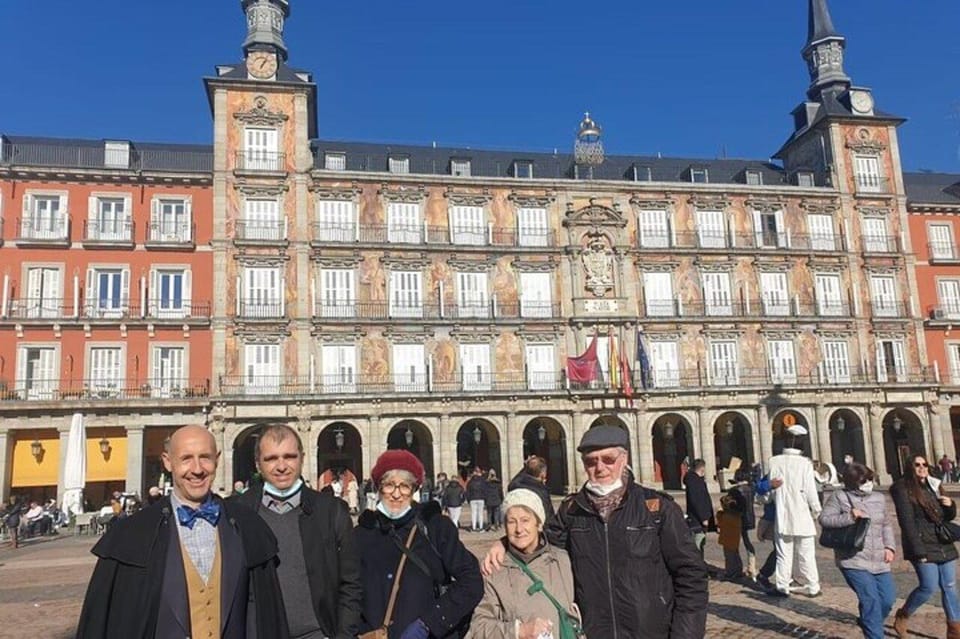
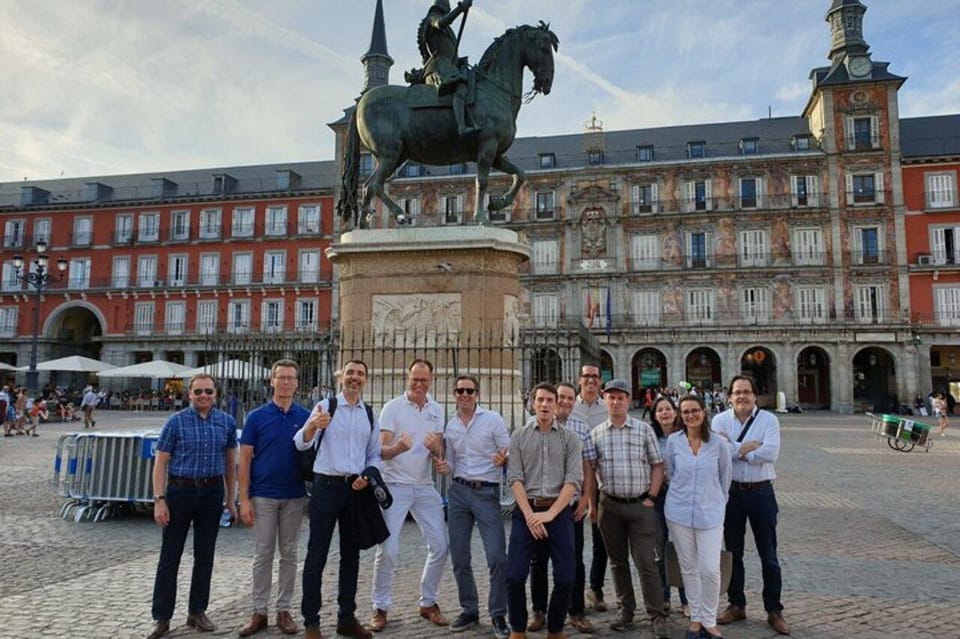
No Madrid walk feels complete without Plaza Mayor, and here it’s treated like a stage with many roles. The tour highlights how it has played central parts in Madrid’s history as theatre, marketplace, and bullring across centuries.
Here’s how to make the most of it: don’t only look for buildings. Look for how a big square creates a city rhythm—where people gather, trade, watch events, and reinvent the meaning of the space over time.
Plaza de Pontejos: the useful in-between moment
The route then passes by Plaza de Pontejos before continuing toward Puerta del Sol. This segment is shorter, but it’s helpful because it keeps your walk from feeling like “big sight, big sight, big sight.”
Think of it as a breathing point. You can reset your pace, ask a question, or just get your bearings before the final and busiest hub.
Puerta del Sol: the city-wall gateway to the east
The tour ends at Puerta del Sol, described as one of Madrid’s best-known and busiest places. What makes the stop more satisfying is the explanation that it traces back to a gateway in the city wall that once surrounded Madrid in the 15th century.
This is where a guided tour pays off in a very practical way. Without context, Puerta del Sol can feel like just crowds and street noise. With the city-wall story, it becomes a recognizable landmark in Madrid’s long timeline.
Price and value: what you get for about $22
At $22 per person for a 2-hour guided walking tour, the value is mostly in the guide’s context. You’re paying for interpretation—how the guide connects monarchs, churches, and squares—plus the efficiency of a route that hits big highlights without wasting time.
Because food isn’t included, you’re free to plan your own meal afterward. That can actually be a plus: you’re not locked into a set schedule for lunch or snacks.
Also, the guide is available in English, French, Italian, and Spanish, which helps if you’re traveling with mixed-language friends. A private group option is available too, which can be great if you want a quieter pace for questions and photos.
Group pacing and comfort tips that actually matter
This is a walking tour, and the single biggest “bring” item is practical: comfortable shoes. Madrid streets can be uneven, and two hours goes by faster than you think.
If you care about photographs, I suggest you take your shots quickly and then pay attention again. The best value comes when you follow the guide’s narrative, not when you freeze at every corner.
A small note from the tone of the experience: some descriptions encourage taking a few short instants to stop and absorb. So if you can, don’t rush mentally—use the pauses to reset and ask questions while you’re near the right landmark.
The guide effect: why Julian’s style stands out
Several accounts highlight a guide named Julian as passionate, well-prepared, and enthusiastic. What I’d take from that for your planning is simple: you’ll likely get more than dates and names.
One repeated theme is practical help—recommendations for stores and restaurants, plus advice that connects Madrid’s history to what people do today (including pointers around food like tapas). Another point is responsiveness: accounts mention flexibility with timing and a kind, helpful approach when questions come up.
If you love travel that mixes facts with real conversation, this style tends to fit well.
Who this tour suits best
This tour is ideal if you want a structured introduction to Madrid’s old center without spending all day on logistics. It works well for first-time visitors who need orientation and for repeat visitors who still want a sharper lens on the landmarks.
If you’re very sensitive to pacing or you hate group dynamics, the two-hour format might feel a bit tight. But if you’re the type who likes a set route with a guide and then free time afterward, it’s a strong match.
Should you book this Madrid walking tour?
Yes—if your goal is to understand the city quickly and see the major landmarks in a way that makes sense. $22 for a two-hour, live-guided route is a fair deal when you’re getting clear storytelling plus a logical sequence from Royal Palace and cathedrals to Plaza Mayor and Puerta del Sol.
Skip it only if you want a slow, lingering pace that feels like independent sightseeing with no group timing at all. In that case, you’d probably do better with a self-guided day plus a separate museum ticket plan.
FAQ
FAQ
How long is the Madrid walking tour?
It lasts 2 hours.
Where does the tour start and end?
It starts and ends at C. de Arrieta, 8.
Which major sights are included?
You’ll visit or pass by the Royal Palace of Madrid, Almudena Cathedral (from a viewpoint), Iglesia de San Nicolás, the Cathedral Church of the Armed Forces, Plaza de la Villa, Plaza Mayor, Plaza de Pontejos, and end at Puerta del Sol.
What languages are the live guides available in?
The live guide is available in English, French, Italian, and Spanish.
Is this tour wheelchair accessible?
Yes, the tour is wheelchair accessible.
Is food included in the price?
No, food or drinks are not included.