REVIEW · MADRID
Madrid Walking Tour from Puerta del Sol to Retiro Park
Book on Viator →Operated by Tours Madrid | TOURSTILLA · Bookable on Viator
Madrid turns into a story fast. This walking tour strings together major sights from Puerta del Sol toward Retiro Park with a guide who keeps the pace upbeat, like when Maikel or Edu led the group and added extra context after the tour. You get a route that helps you connect streets, buildings, and Spanish history without feeling like you’re stuck in a lecture.
I like how the stops are chosen to match what most visitors want right away: the famous exteriors you’ll keep seeing in photos, plus the meaning behind them. I also appreciate the practical add-ons, including printed material, teaching tools, and a link your guide shares for personalized ideas on what to do next in Madrid (Nita and Edu-style follow-ups came up more than once).
One thing to consider: this is priced very low per group, but the guide tipping is part of the deal. Several comments point to a tip expectation around €15–€20 per person, so plan for that and you won’t be surprised.
In This Review
- Key Highlights You’ll Feel Immediately
- Getting Your Bearings at Puerta del Sol (and Why It Works)
- Calle de Alcalá and the “Look-Up” Madrid Mindset
- Edificio Metropolis: The Most Photographed Building Moment
- Gran Vía: Madrid’s Main Street for Art, Leisure, and Food
- Instituto Cervantes: Learning Spanish, Explained the Local Way
- Círculo de Bellas Artes: Terrace Views Without the Fuss
- Banco de España and the Paper House Connection
- Cibeles Fountain and Palacio de Cibeles: Symbols and Views
- Puerta de Alcalá: The Royal Gate Moment
- Parque del Retiro: The Included 30-Minute Reset
- Price, Tips, and What Value Actually Means Here
- Logistics That Matter on This Walk
- Who This Tour Fits Best
- Guides Make the Difference (and You’ll Notice It)
- Should You Book This Madrid Walking Tour?
- FAQ
- How long is the Madrid walking tour?
- Is the tour offered in English?
- Where does the tour start and where does it end?
- Are entrance tickets or paid entries included?
- Is food included?
- Do I need to tip the guide?
- What happens if the weather is bad?
Key Highlights You’ll Feel Immediately
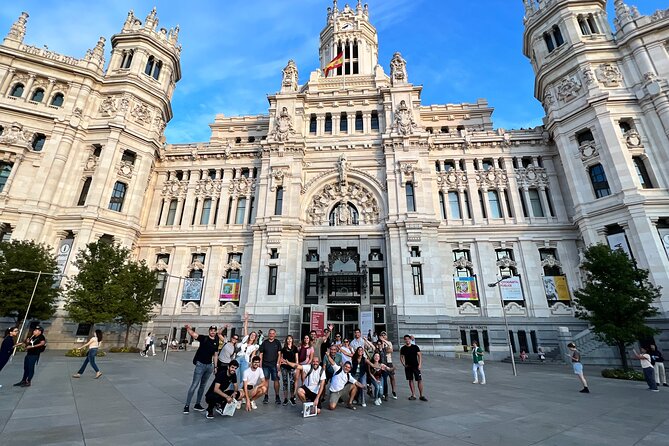
- Small-group energy: capped at 24 travelers, so you’re not stuck with a massive crowd crush.
- Big “photo-first” landmarks: Metropolis, Gran Vía, and Cibeles are built in, not optional.
- Real history woven into architecture: guides use buildings as a timeline, not just backdrop.
- English tour with follow-up help: you’ll get a personalized recommendations link and post-tour contact from your guide.
- Retiro Park is the payoff: about 30 minutes in Madrid’s central green space.
- Tip-based culture: even if it feels like a free tour setup, the guide expects you to tip at the end.
Getting Your Bearings at Puerta del Sol (and Why It Works)
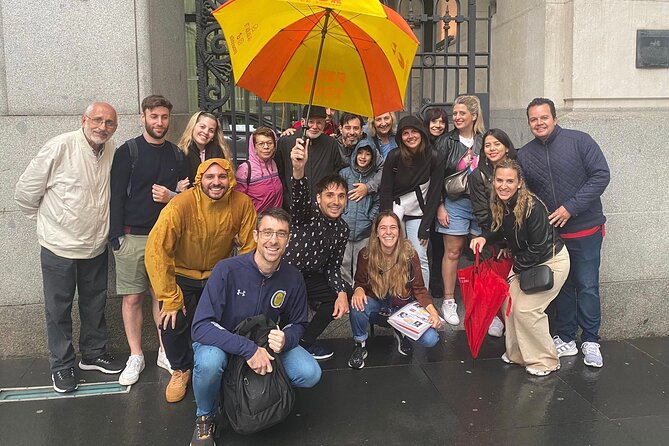
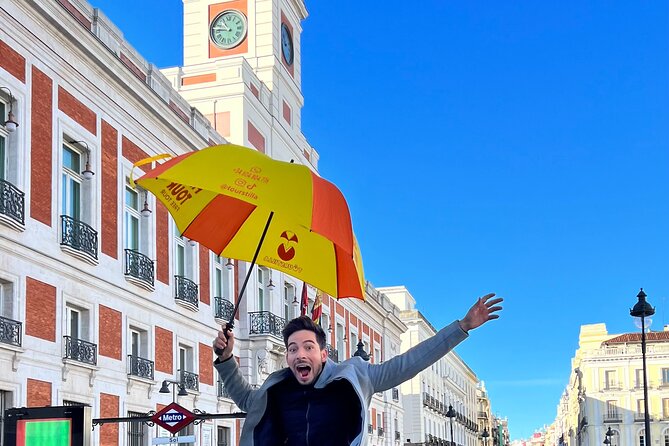
Start at Puerta del Sol, Madrid’s classic hub where everything seems to converge. You’ll meet your specialized guide at the meeting point, then get moving quickly. This matters because Madrid’s center can feel like a maze when you first arrive. The best part here is that your guide builds a mental map as you walk, so later the city makes sense instead of just looking pretty.
The early segment also sets the tone: you’re not rushing past everything. You’re getting just enough to make each stop click, like the way Calle de Alcalá connects high-profile hotels and grand streets to what Madrid became as it grew. At this stage, you’ll likely find yourself looking up more than usual, which is exactly the point.
You might also appreciate the tour’s pace management. In comments, guides were described as checking in with people for water, toilet breaks, and coffee breaks. That’s not luxury; it’s smart logistics for a two-plus-hour walk in a real city with real sidewalks.
You can also read our reviews of more walking tours in Madrid

Calle de Alcalá and the “Look-Up” Madrid Mindset
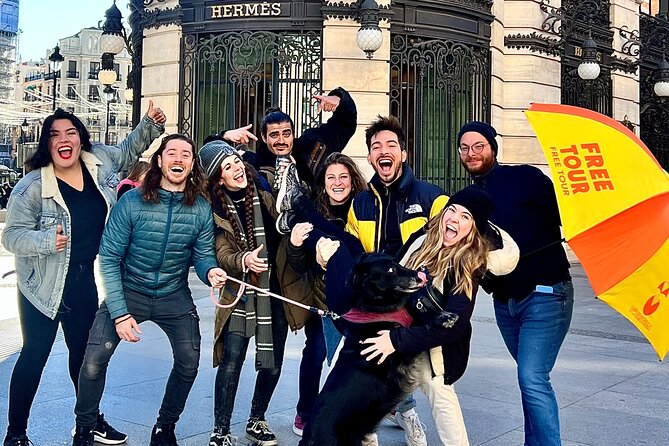
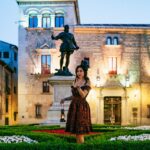
Calle de Alcalá is one of those streets where Madrid’s confidence shows. Your stop here includes the area around the Four Seasons hotel and the kind of details that most visitors walk right by without noticing. The guide approach is simple: point out the thing you’re seeing, then explain why it matters.
Practical takeaway for you: keep your phone ready, but don’t turn your camera into blinders. The guide’s narration helps you frame what you photograph. When you later revisit these streets on your own, you’ll see more because you’ll know what to look for.
Also, this part is a gentle warm-up. The time is short, so you’re not stuck waiting while the group catches up. That helps the whole walk feel smooth.
Edificio Metropolis: The Most Photographed Building Moment
Next up is Edificio Metropolis, often called the most photographed building in Madrid. The reason it works on a walking tour is obvious once you’re standing there: the facade is visually loud in a good way, and it’s the kind of sight that becomes a reference point for your entire trip.
A good guide will connect what you see to the era that produced it and to Madrid’s evolution as a city of grand public spaces and dramatic design. The payoff for you is that you’ll understand why it’s famous, instead of just taking a quick snap and moving on.
Gran Vía: Madrid’s Main Street for Art, Leisure, and Food
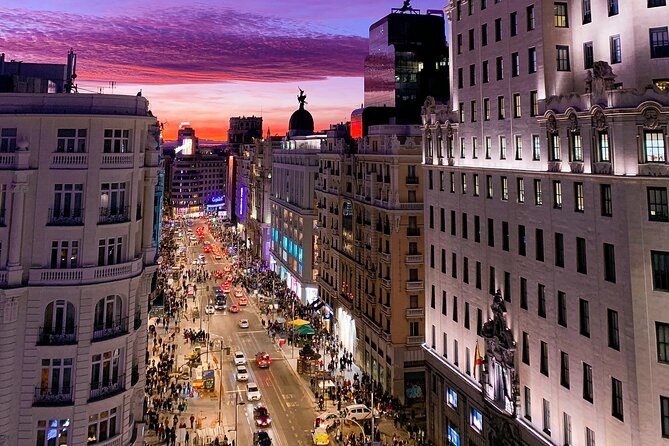
Then you hit Gran Vía, the big artery of art, leisure, and gastronomy. This is where the tour starts to feel like a city walk, not a museum walk. You’ll spend about 15 minutes here, which is enough time to get oriented around the street’s scale and to understand why it became such a symbol of modern Madrid.
If you’re the type who likes to shop, people-watch, or plan day trips around neighborhoods, this stop helps you decide where you want to linger later. You’ll spot the vibe shift too: Madrid’s center has different textures block by block, and your guide helps you notice them in real time.
Instituto Cervantes: Learning Spanish, Explained the Local Way
The Instituto Cervantes stop is quick, but it has a smart purpose. Your guide frames it as the official Spanish-learning institute, so it stops being a random building and becomes a clue about how Spain promotes language and culture worldwide.
This is the kind of stop that’s surprisingly useful if you plan to use Spanish at all. You’ll feel more connected to the country when the culture isn’t just something you read about later—it’s something you recognize while walking.
Also, this is one of those moments where the group can ask questions. If you’re wondering what to learn first, how Spanish works in Madrid, or why some terms feel different depending on context, a good guide can steer you.




Círculo de Bellas Artes: Terrace Views Without the Fuss
At Círculo de Bellas Artes, you’re in the zone of fine arts and viewpoints. The tour includes time to enjoy the terraces and the feeling of being above the street level, even if you don’t spend hours there.
What I like about this stop for you is the balance: it’s not just about the view. The guide ties the fine arts angle to Madrid’s identity as a place where culture isn’t tucked away. It’s discussed, displayed, and built into public life.
Tip from the way guides teach here: look for architectural details while you’re waiting for the group to move. You’ll often get a better story by noticing patterns yourself first, even briefly.
Banco de España and the Paper House Connection
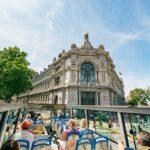
The Banco de España stop is short, but it lands because it connects Madrid’s real power to pop-culture familiarity. If you’ve watched La Casa de Papel, you already know why this building grabs attention. Your guide turns that recognition into context, including talk of riches and armored vaults, plus the broader meaning behind how banks fit into Spain’s history.
Don’t expect an inside visit here. This is built for seeing the site and understanding it, not for getting a ticket and wandering hallways. If you want interiors later, you can use what you learn on this walk to decide where it’s worth spending money and time.
Cibeles Fountain and Palacio de Cibeles: Symbols and Views
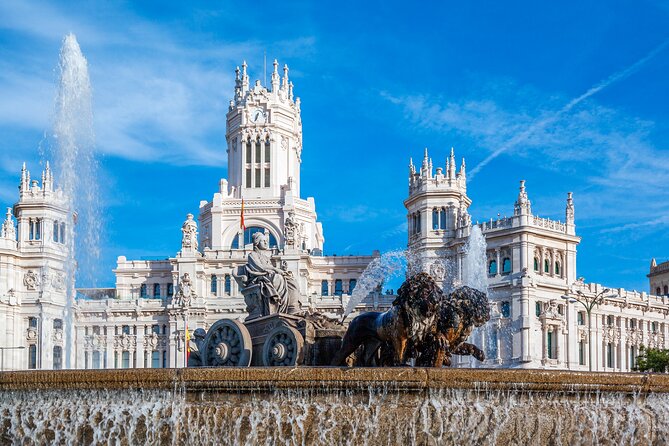
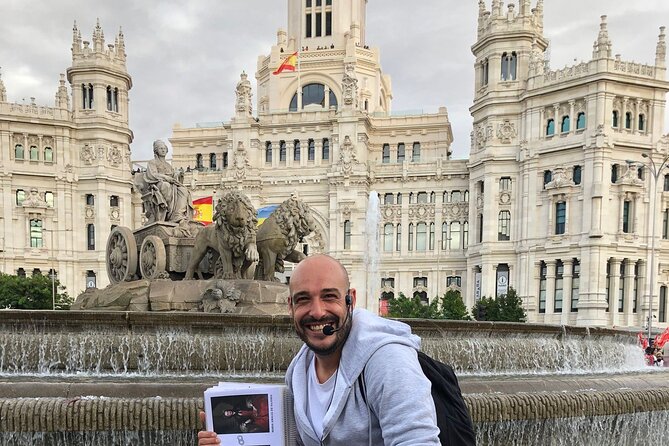
Now the walk shifts into “icon Madrid” mode. The Cibeles Fountain is a symbol of the Madrileños, and it’s one of those stops where people naturally slow down because it feels like a landmark. Your guide explains what the fountain represents, so you know what you’re looking at beyond the postcard version.
Next comes the Palacio de Cibeles, home to the Madrid City Council. This stop is another crowd-pleaser because it includes architecture plus the chance to take in terrace views described as unbeatable. Even if you’ve seen similar buildings before, this one has Madrid-style presence: formal, ceremonial, and made for public attention.
What’s valuable for you is that the tour keeps linking physical design to civic identity. You’ll walk away seeing Madrid as a city that publicly performs its history.
Puerta de Alcalá: The Royal Gate Moment
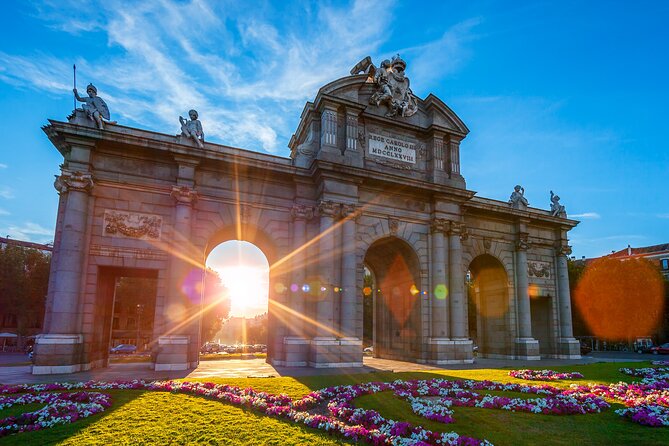
Then you reach Puerta de Alcalá, described as the most important royal gate to Madrid. This is a solid transition stop because it feels like a boundary, a monument that marks a point in the city’s story.
From a tour-walk perspective, it also works as a breath before the final green-space payoff. You’re not just hitting more buildings; you’re moving toward the part where your legs can finally relax a bit.
Parque del Retiro: The Included 30-Minute Reset
Finally, you land at Parque del Retiro, Madrid’s central park, nicknamed El Pulmoncito by locals. You get about 30 minutes included, which is the right amount of time to cool down, stretch your body, and feel like you’ve balanced city intensity with nature.
This is where the tour earns its keep. A walking tour that ends in a park is doing something smart. It helps you absorb what you learned while your brain slows down. You can also take a longer look at what’s around you without feeling behind the group.
If you’re planning your afternoon or evening, this end point makes it easy to keep exploring. Just remember you’ll finish near P.º Argentina, 4, Retiro, 28009 Madrid, so you’ll want to plot your next step accordingly.
Price, Tips, and What Value Actually Means Here
Let’s talk money honestly. The price shown is $3.62 per group (up to 15), and the tour typically runs about 2 hours 25 minutes. That sounds like a steal, and it can be—if you understand the tip-based model.
Your guide’s tip is not included, and multiple comments specifically mention paying something like €15–€20 per person at the end when the tour quality feels high. So what are you really paying for? You’re paying for:
- a local guide who connects sights into a coherent story,
- printed support materials,
- plus a link to personalized recommendations for what to do next.
At that price, the math works best when you treat the tip as part of the experience cost. If you want a zero-cost tour, you’ll be disappointed. If you want a fast, high-signal introduction to central Madrid, this can be great value.
Group size is also part of the value. With a cap of 24 travelers, you get a small-group feel without the chaos of a giant bus tour.
Logistics That Matter on This Walk
A few practical notes that can save you hassle:
- English is offered, and your guide will keep the route moving at a walking pace.
- You’ll get a mobile ticket.
- You should be ready for a real city crossing rhythm. Reviews highlight guides helping keep the group safe when crossing streets and paths.
- The tour depends on good weather. If it’s canceled due to poor weather, you’ll be offered a different date or a full refund.
- Food and drink are not included, so bring water if you tend to get thirsty.
Since the tour is near public transportation, you can also treat it as a landing activity on your first or second day. If you’re trying to decide what to do with limited time, getting oriented early is worth the effort.
Who This Tour Fits Best
This is a great match if you:
- want a quick hit of Madrid’s central landmarks in one go,
- like your history tied to buildings and street scenes,
- appreciate a guide who answers questions and helps you plan next steps.
It’s also a decent choice for most travelers because the tour is designed as an all-around walking introduction, not a niche theme.
If you hate walking or want long stays inside museums, you might find it a bit brisk. The stops are timed, and many sites are viewed from the outside rather than entered.
Guides Make the Difference (and You’ll Notice It)
One reason this tour performs so well is that the guides are clearly engaged. Names that showed up strongly include Maikel, Edu, Nita, Rambo, Laszlo, and Martin. The recurring theme is that these guides use storytelling tricks to keep attention, sometimes even with music during dramatic parts of the narrative.
Even if you don’t know Spanish history ahead of time, the guide work helps you catch up fast. That’s what you’re buying: someone to translate the city into something you can understand and remember.
Should You Book This Madrid Walking Tour?
Yes, if you want a fast, friendly way to get your bearings and you’re okay with a tip-based model. The route hits major Madrid icons—Puerta del Sol, Gran Vía, Metropolis, Instituto Cervantes, Círculo de Bellas Artes, Banco de España, Cibeles, Puerta de Alcalá—and ends with a meaningful green-space break in Retiro.
Skip it only if you’re looking for lots of inside entrances or long, slow hangs at each stop. This tour is about orientation plus context, not deep museum time.
If you’re arriving with limited days and you want central Madrid to feel less like a blur, this is the kind of outing that makes the rest of your trip easier.
FAQ
How long is the Madrid walking tour?
It runs about 2 hours 25 minutes.
Is the tour offered in English?
Yes, the tour is offered in English.
Where does the tour start and where does it end?
It starts at Puerta del Sol and ends at P.º Argentina, 4, Retiro, 28009 Madrid.
Are entrance tickets or paid entries included?
No entrance fees are required. The stops are free to view, and there are no paid site entrances listed as part of the tour.
Is food included?
No, food and drink are not included.
Do I need to tip the guide?
The tip to the guide is not included and is given at the end of the tour.
What happens if the weather is bad?
The experience requires good weather. If it’s canceled due to poor weather, you’ll be offered a different date or a full refund.