REVIEW · MADRID
Madrid: Prado Museum Guided Tour
Book on GetYourGuide →Operated by Amigo Tours Spain · Bookable on GetYourGuide
The Prado can feel like a maze. This guided tour turns it into a clear art story. You’ll see major European paintings and learn what makes them tick, not just what they look like. I especially like the way it focuses your attention with live commentary on the most important works.
What I really like is the guide-led focus on the biggest names and the craft behind them. Expect secrets around paintings like Velázquez’s Las Meninas, plus the strange world of El Bosco’s El Jardín de las Delicias. The one drawback to plan for: no cameras or photos inside, and in busy rooms it can get harder to hear every detail.
In This Review
- Key Highlights You’ll Feel Right Away
- Why the Prado Works So Well With a Guide
- Meet at the Velázquez Statue, Then Get Inside Fast
- Inside the Prado: What You’ll See (and Why It’s Not Random)
- The Las Meninas Moment: Perspective, Power, and Hidden Stories
- El Bosco’s Garden of Earthly Delights: Surreal, But Carefully Crafted
- Goya and El Greco: Seeing Style as Emotion
- The Building Itself: Neoclassical Calm for a Noisy World
- Timing, Crowds, and Hearing Your Guide
- What It’s Like After the Tour Ends
- Who This Tour Fits Best
- Price and Value: Why $34 Can Make Sense Here
- Booking Decision: Should You Join This Prado Tour?
- FAQ
- FAQ
- Where do I meet the guide for the Prado Museum tour?
- How long is the guided portion?
- Does this tour include Prado entrance tickets?
- Can I take photos or videos inside the museum?
- Is ticket line waiting included or skipped?
- What languages are offered for the live guide commentary?
- Can I stay in the Prado after the tour ends?
Key Highlights You’ll Feel Right Away
- Skip the ticket line and get moving faster in a museum known for long queues
- Las Meninas explained with the thinking behind Velázquez’s perspective and setup
- El Bosco’s Garden of Earthly Delights decoded through layers of symbolism and storytelling
- Goya, El Greco, Rubens, and more placed in context so names mean something
- Art-technique talk: each painter’s approach to color, light, and composition
- After the tour, stay inside to wander at your own pace once you’ve got the map
Why the Prado Works So Well With a Guide
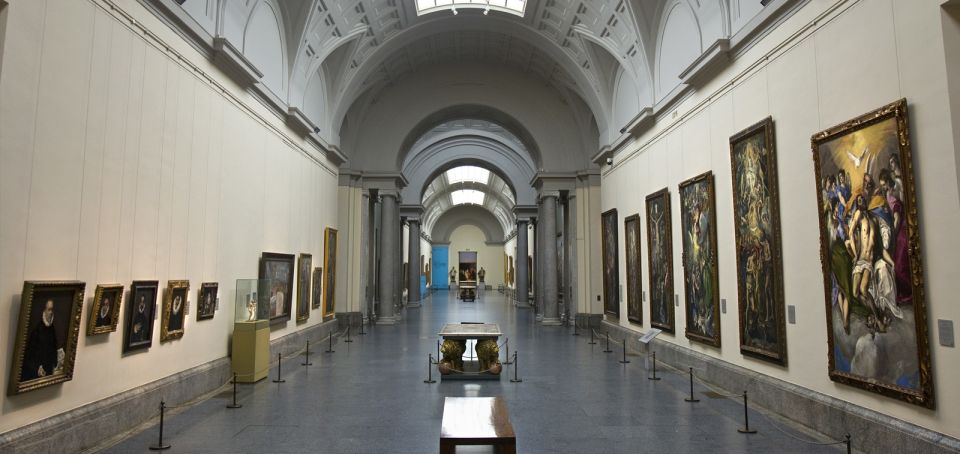
The Prado Museum is not a “small highlights” museum. It’s a serious European art collection packed into an 18th-century neoclassical building, and it covers work from the 12th century all the way to the end of the 20th. Walk in cold and you’ll end up sprinting between rooms, trying to remember what you saw five minutes ago.
A good guide solves that problem by doing two jobs at once: picking the right works and explaining why they matter. You’re not just looking at famous paintings like Velázquez, Goya, and Rubens. You’re learning how the artists built their effects, and what was going on in Spain and Europe when the paintings were created.
This is why the tour lasts about 1.5 hours. It’s built for focus, not guilt trips. You’ll leave with the Prado’s main threads in your head, then you can spend the rest of your time wandering with real purpose.
You can also read our reviews of more guided tours in Madrid

Meet at the Velázquez Statue, Then Get Inside Fast
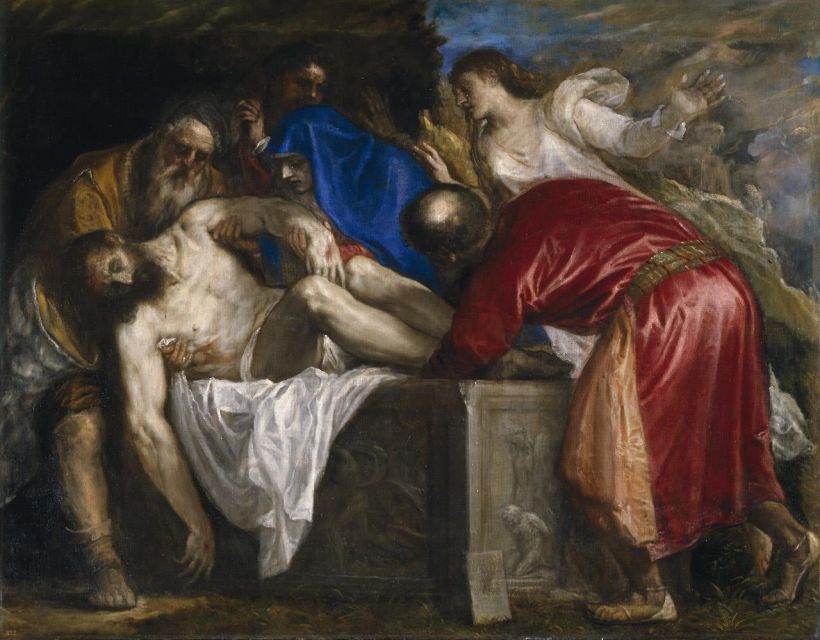
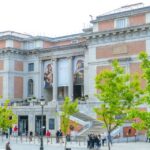
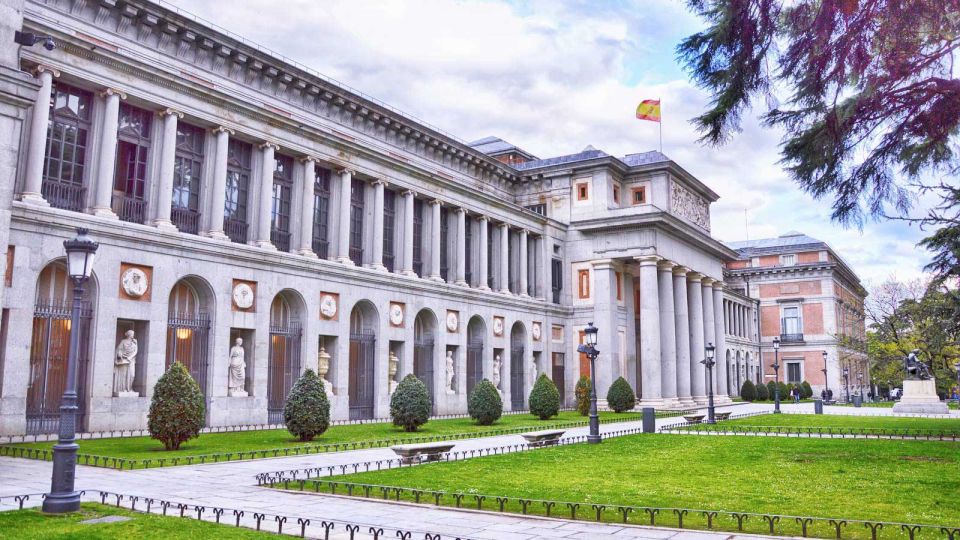
Your meeting point is the Monumento a Velázquez at Paseo del Prado, 11, on the side of the museum. Look for the Amigo Tours sign. This is one of those Madrid “details that saves time” moments. Prado is huge, and the quickest route starts with showing up at the right spot.
From there, the tour is designed to keep friction low. The included plan includes entrance to the Prado and skipping the ticket line, which matters because the museum often draws heavy crowds. If you hate standing still in lines, this is the part that makes the whole booking feel worth it.
One small timing note: the guided portion is scheduled for 1.5 hours, but the guide needs some extra minutes to organize tickets and manage the group. That means you should arrive a few minutes early and expect the tour start to be precise, not flexible.
Inside the Prado: What You’ll See (and Why It’s Not Random)

The tour is built around a curated set of “anchor paintings.” Think of them as reference points. Once you understand what you’re looking at in a few major works, the rest of the galleries start making sense.
You’ll focus on big Spanish names and their European neighbors, with emphasis on:
- Velázquez and court-era realism
- Goya’s sharp eye and darker edge
- El Bosco’s surreal storytelling
- El Greco’s emotional style and long shadows
- Plus major Italian and Flemish artists in the Prado’s orbit
Rather than treating this like a checklist, your guide should connect each work to the painter’s aims and the moment it was made. The best explanation style here is practical: what you notice first, what you’d miss without context, and what to look for in details like faces, light, gestures, and composition.
If you’re lucky and your guide is Kostas, Flor, Helena, Jose, or Paola (names you may hear on different days), you’ll likely notice a consistent rhythm: they point, they explain, then they help you look again. That “second look” is where the masterpieces click.
The Las Meninas Moment: Perspective, Power, and Hidden Stories
Velázquez’s Las Meninas is the Prado’s gravity well. Many people come just for that painting, and a guide turns it from a famous image into a working puzzle.
Here’s what the good guidance helps with:
- How Velázquez’s composition guides your eye
- What makes the scene feel staged but alive
- Why the subject matter reads as more than a group portrait
One theme that keeps showing up in how guides explain Velázquez is technique as meaning. The perspective choices aren’t just clever. They support the painting’s message and the social power behind the image.
This is also where you learn how artists build realism. You start noticing how brushwork and lighting create depth, and why the scene feels like it’s about to change.
If you want one takeaway to remember later, it’s this: Las Meninas is not only about who is in the room. It’s about how seeing works in the painting, and how viewers are pulled into the moment.
El Bosco’s Garden of Earthly Delights: Surreal, But Carefully Crafted
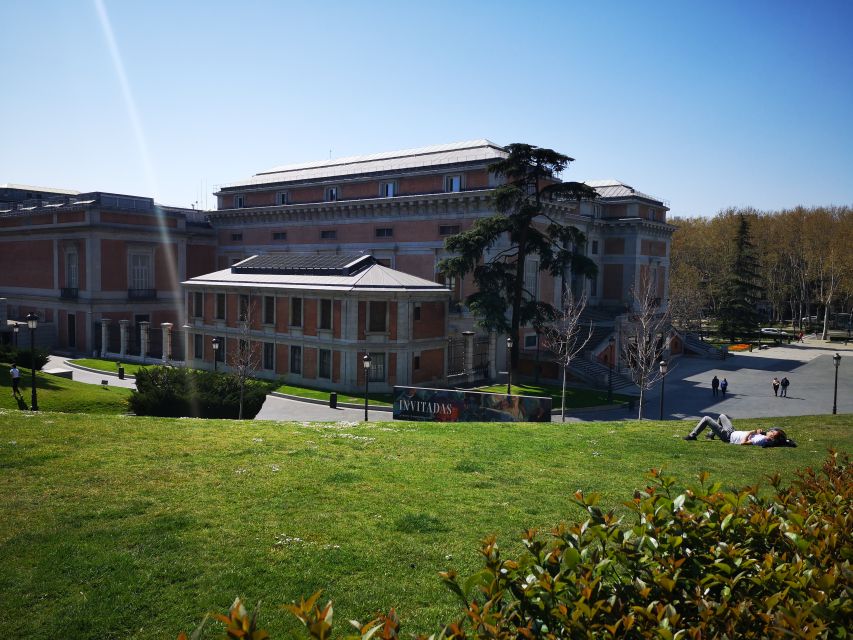
El Jardín de las Delicias by El Bosco can feel like a dream you can’t explain. The tour approach helps because it doesn’t treat the painting as random weirdness.
Instead, you’re guided through:
- What’s happening across the scene, panel by panel
- How the painting builds meaning through layered symbolism
- Why the strange creatures and scenes feel organized, not chaotic
This painting rewards slow looking, but most people can’t slow down on their own at the right pace. A guide gives you a route through the chaos. You stop guessing and start seeing connections.
One practical benefit: when you understand how El Bosco structures the story, you can transfer that attention to other works in the Prado. The same skills that help you interpret one surreal masterpiece make the rest easier.
You can also read our reviews of more museum experiences in Madrid

Goya and El Greco: Seeing Style as Emotion
If Las Meninas is about seeing and El Bosco is about layered imagination, Goya and El Greco are where style starts feeling personal.
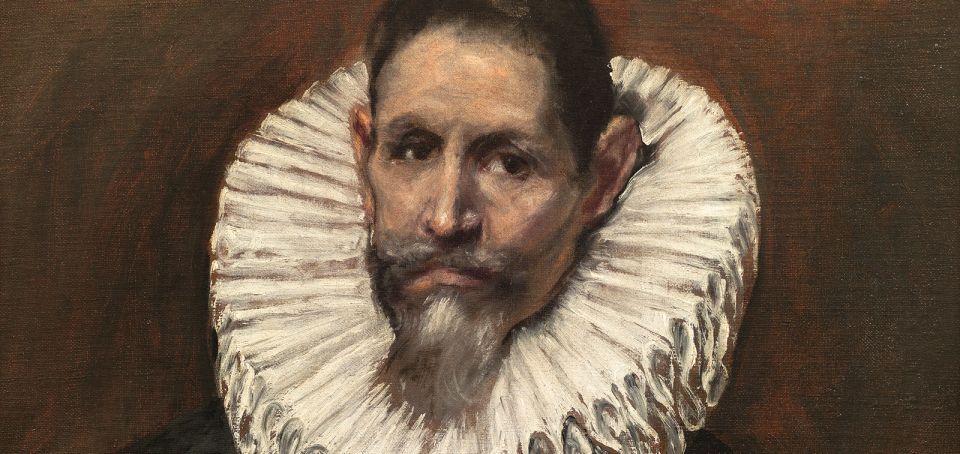
Goya’s work in the Prado can land hard because the guide frames it as more than art history trivia. You’ll get the historical circumstances behind the scenes, then you’ll notice how Goya’s choices create psychological impact. One example that tends to hit visitors fast is the Black Paintings area of the Prado experience—people often describe it as chilling once they understand what they’re looking at.
El Greco is the other style pivot. His elongated figures and dramatic effects can look strange at first glance. A guide helps you compare that style to other artists from the same era, so you don’t dismiss it as just weird. You learn what he was doing and why it mattered.
When a guide explains these artists as active thinkers rather than museum names, you’ll leave with a better sense of why the Prado collection shaped European art conversations for centuries.
The Building Itself: Neoclassical Calm for a Noisy World
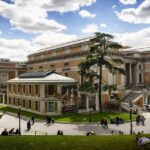
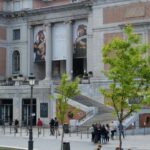
It’s easy to forget the Prado architecture once you’re inside. But the building matters. An 18th-century setting gives the art a certain weight. The rooms help you slow down when you’re not sprinting, and the overall structure makes it easier to build a mental map once you’ve heard the tour’s story thread.
Also, since photography inside is not allowed, you’ll rely on your memory and what the guide points out. That can sound limiting, but it also changes your focus. You look longer. You notice more. Your brain doesn’t outsource everything to a phone screen.
Timing, Crowds, and Hearing Your Guide
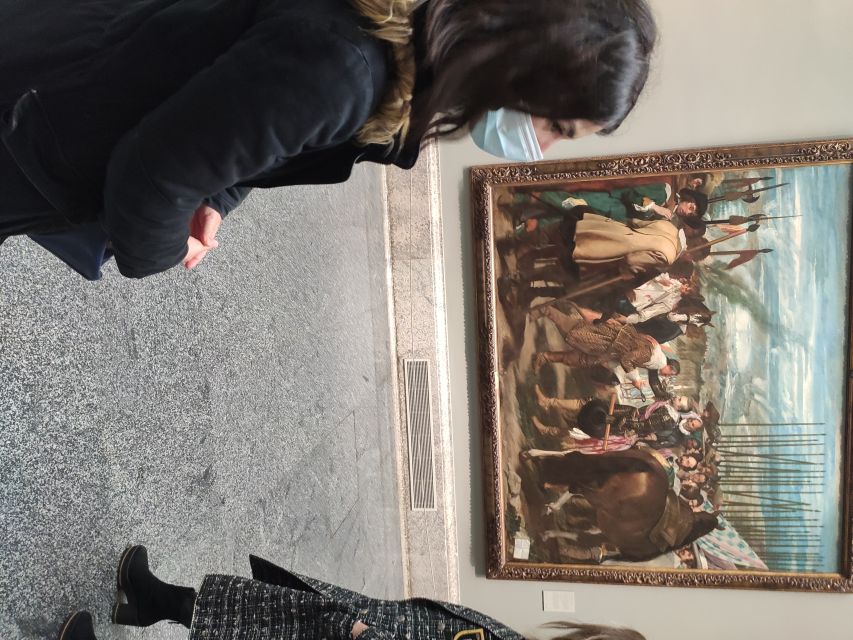
The Prado is popular, and even a guided visit happens alongside other visitors. A couple practical things help a lot.
First, be ready for sound issues in crowded rooms. There have been situations where an audio system wasn’t loud enough over the crowd, so positioning near the guide matters. Don’t hang back at the edges if you want every detail.
Second, plan your mindset around the schedule. The tour is focused, not a slow art seminar. You’ll cover major works, learn the point of each, and then you’re set up to explore on your own afterward.
Also, the tour may run with simultaneous English and Spanish groups in winter months due to lower demand. If your language is Spanish, English, or Italian, you’ll be part of a group that matches you. Keep an eye out for the language of your guide on the day.
What It’s Like After the Tour Ends
A key advantage is that the guided experience doesn’t lock you into stopping. Once the guided visit is over, you can stay in the museum to explore independently.
That’s huge value because Prado is massive. The tour gives you the “why,” and your own wandering gives you the “how does it feel to me.” You can circle back to the paintings you care about most, or take the time to read labels more slowly when you’ve got context.
Some groups also found the experience helpful for pacing their day, with the feeling that the day didn’t end when the tour ended. The point is: this tour works as both a primer and a compass.
Who This Tour Fits Best
This is a strong match if:
- You want the Prado’s major masterpieces without getting overwhelmed
- You care about technique and how artists achieved effects
- You want Spanish history and European art context explained clearly in plain language
- You’d rather spend your energy looking than figuring out where to start
It’s also a smart choice if you’ve visited a museum before and felt lost. Many people say the difference is simple: a guide helps you pick what matters in a giant collection.
If you’re an absolute photography person, note that cameras and flash photography are not allowed inside. If you depend on taking pictures to remember, you’ll need a different strategy, like writing notes right before you walk away from a painting.
Price and Value: Why $34 Can Make Sense Here
At $34 per person for about 1.5 hours, the cost isn’t “cheap,” but it’s also not out of line for what you’re buying. You’re paying for:
- Entrance to the Prado
- A professional local guide with live commentary
- Time savings from skipping the ticket line
- A focused path through the museum’s most important works
For the Prado, time is money. A self-guided visit can easily turn into wasted hours chasing paintings you didn’t even know were key. Here, the guided portion acts like a filtering system, so your time inside the rest of the museum becomes more rewarding.
Booking Decision: Should You Join This Prado Tour?
If you’re trying to choose between a self-guided Prado visit and a guided start, I’d book this. The strongest reason is focus. You’ll see the major works, learn how artists built effects, and leave with enough context to enjoy the rest of the museum without feeling lost.
Skip it only if you already know the Prado very well and you want full freedom with no scheduled structure. Even then, the combination of skip-the-line access and the way the guide explains famous paintings like Las Meninas and El Jardín de las Delicias can still be hard to beat.
FAQ
FAQ
Where do I meet the guide for the Prado Museum tour?
Meet at the Monumento a Velázquez at Paseo del Prado, 11. The guide will carry an Amigo Tours sign.
How long is the guided portion?
The guided visit is scheduled for 1.5 hours, with a little extra time needed by the guide to organize tickets.
Does this tour include Prado entrance tickets?
Yes. Entrance to the Prado Museum is included.
Can I take photos or videos inside the museum?
No. Cameras are not allowed, photography inside is not allowed, and flash photography is also not allowed.
Is ticket line waiting included or skipped?
The tour includes skipping the ticket line.
What languages are offered for the live guide commentary?
Live commentary is available in English and Spanish. Italian is also listed as available.
Can I stay in the Prado after the tour ends?
Yes. After the guided visit, you can stay in the museum to explore independently.