REVIEW · MADRID
Madrid: Reina Sofía Museum Guided Tour
Book on GetYourGuide →Operated by Amigo Tours Spain · Bookable on GetYourGuide
Guernica lands different with a guide. This 75-minute Reina Sofía Museum guided tour helps you connect Spanish 20th-century art to real stories, with a close focus on Picasso’s Guernica and the big movements behind it. I especially like the tight pacing and the way the guide turns tough-looking modern art into something you can actually follow. The main drawback is time: you’ll see key works, not every single room, and a fast guide can make some details feel rushed.
I also like the people factor. In past departures, guides named Livia, Paula, and Alex (plus others like Ali, Helena, Xavier, and Nerea) were praised for clear explanations, a good sense of humor, and interactive questions that help you look longer than you planned. One thing to keep in mind: a mic can be imperfect in certain moments, so if you’re sensitive to audio, it’s worth positioning yourself closer to the guide.
In This Review
- Key takeaways before you go
- Reina Sofía in 75 minutes: what you’re really signing up for
- Meeting near the museum and skipping the ticket line
- The route inside the museum: vaulted halls, outside views, then masterpieces
- Picasso’s Guernica: the anti-war story you can actually track
- How the guide turns Cubism and Surrealism into something you can see
- Dalí and Miró: Spanish art beyond the poster-famous giant
- Bilingual commentary: how it works and what to watch for
- Photography and bag rules: keep it simple so you don’t get stopped
- What happens after the guided portion ends
- Price and value: is $38 worth it?
- Who this Reina Sofía guided tour suits best
- The one drawback to plan around
- Should you book this Reina Sofía Museum guided tour?
- FAQ
- How long is the Reina Sofía guided tour?
- What’s included in the price?
- Is the tour bilingual?
- Does the ticket let me stay in the museum after the tour?
- Are photos allowed inside the museum?
- Can I bring luggage or large bags?
- What should I wear or bring?
Key takeaways before you go
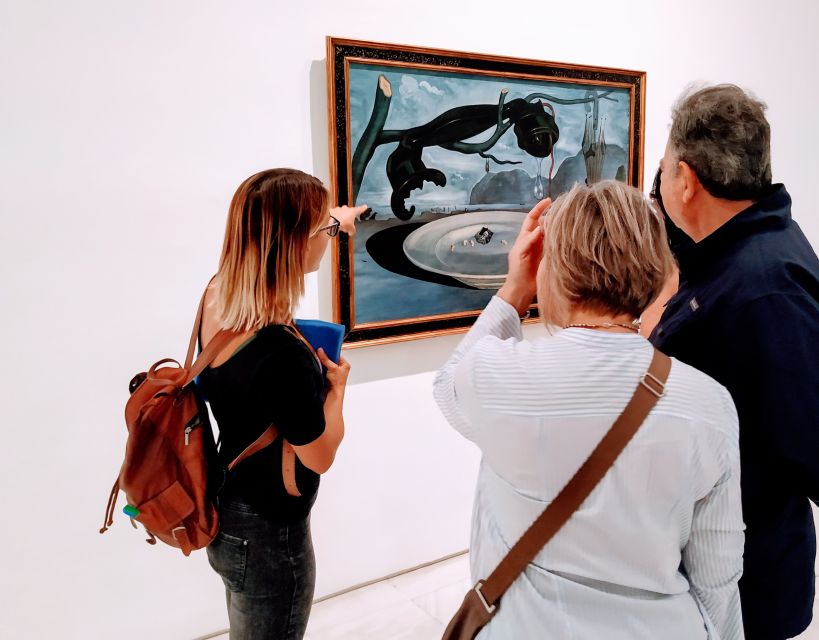
- Guernica gets the full anti-war context, not just a quick stop for photos
- 75 minutes feels “first-time friendly” for modern art without frying your brain
- Bilingual live commentary (English and Spanish) runs at the same time during the tour
- Vaulted halls and the hospital-like building make the museum itself part of the experience
- You get to continue on your own after the tour, so you can linger once you know what to look for
Reina Sofía in 75 minutes: what you’re really signing up for
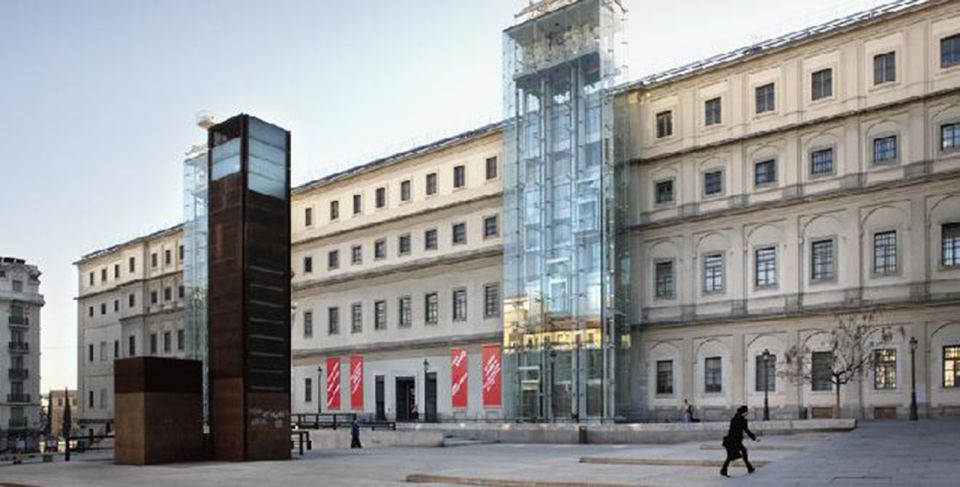
This is a modern-art primer with momentum. You’re not trying to cover the whole Reina Sofía in an hour and change, which is good, because the museum is big and you can easily wander for two hours without learning anything new. Instead, you get a guided route built around the museum’s most famous Spanish 20th-century artists and the ideas that shaped them.
The value here is the translation from art history terms into something you can see. Picasso’s Guernica is the headline, but the tour’s real job is explaining how 20th-century artists broke rules on purpose, then used symbolism and technique to say something urgent.
And yes, Guernica can overwhelm you. The difference is whether you only recognize the image, or you understand why it was painted and what details are doing the emotional heavy lifting.
You can also read our reviews of more guided tours in Madrid

Meeting near the museum and skipping the ticket line
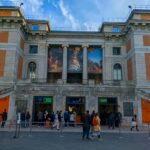
You meet at the Reina Sofía Museum in Madrid, and the exact meeting point may vary by option. One of the listed meeting points is C. de Sta. Isabel, 52, and the drop-off is listed the same way, so expect a straightforward start-and-finish around the museum area.
The tour includes museum entrance and is set up to skip the ticket line, which matters in Madrid because museums can be slow when you’re trying to start on time. It also keeps the start from turning into a stressful sprint.
Once you’re inside, the guide leads the pacing. You’ll move through galleries in a logical flow, with stops chosen for impact rather than for completeness.
The route inside the museum: vaulted halls, outside views, then masterpieces
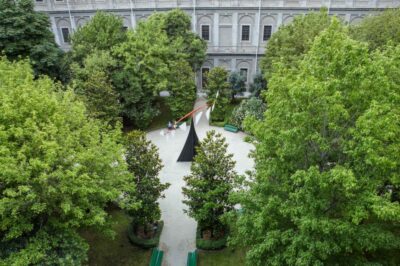
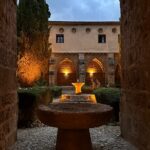
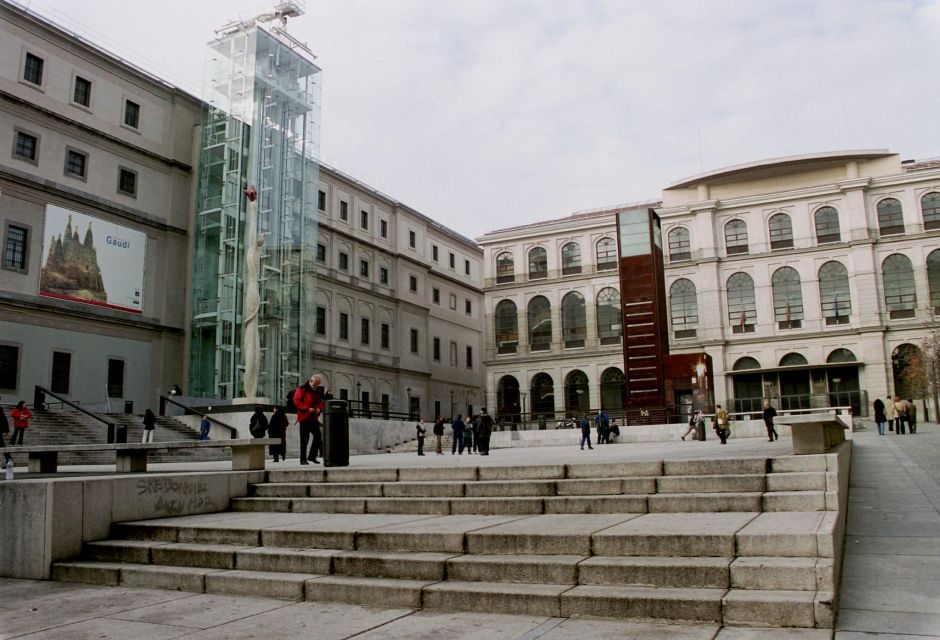
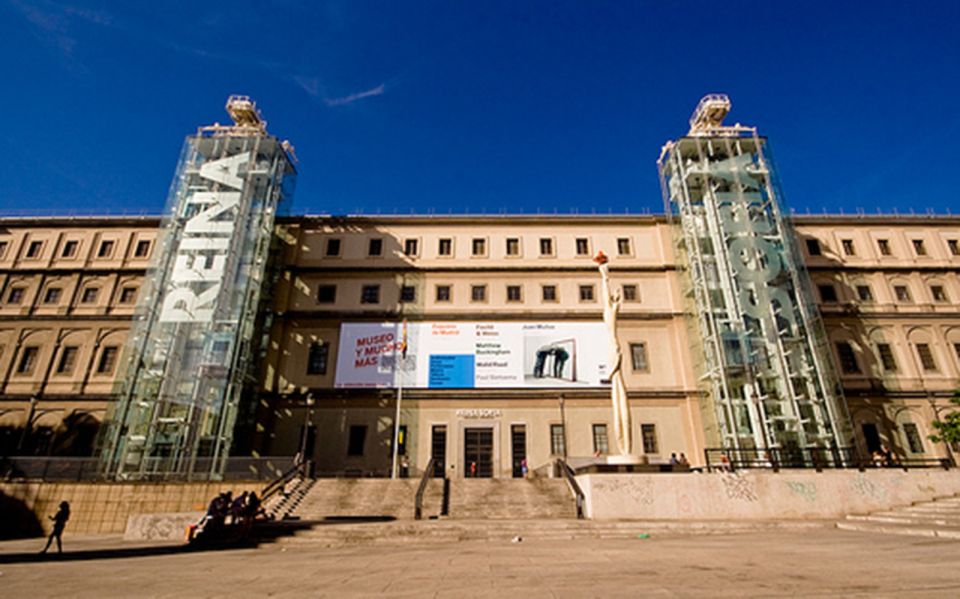
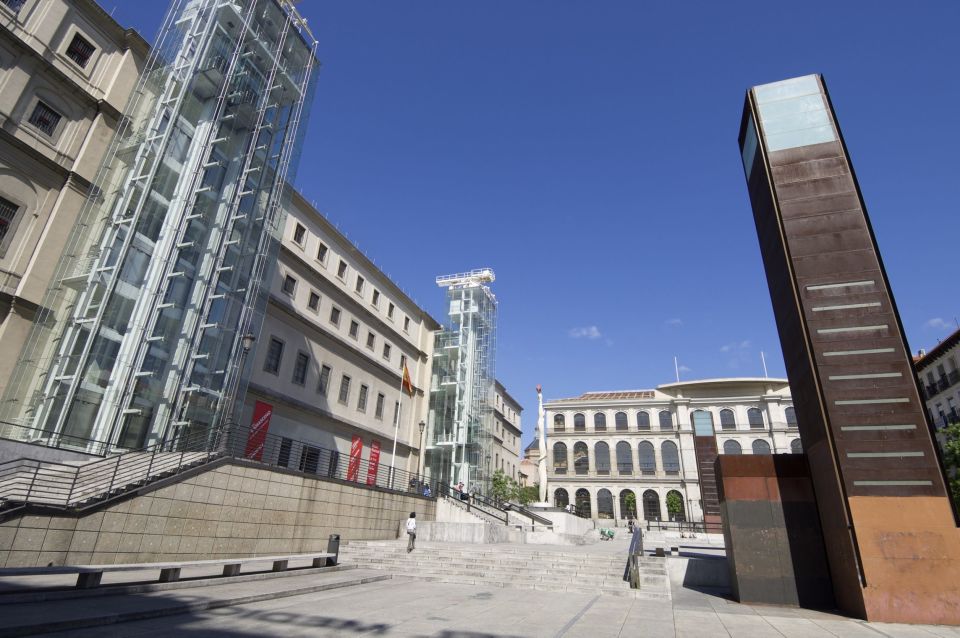
One of my favorite things about the Reina Sofía is that it doesn’t feel like a neutral box. The building has the feel of a former hospital, and the tour takes advantage of that with time in the vaulted hallways and a walk to the gardens to see the building from the outside.
That outside look is more useful than it sounds. It helps you get oriented before you focus on the art. When you can picture where you are in the complex, the galleries stop feeling like a maze and start feeling like a sequence.
Inside, the guided portion focuses on a selection of key works and the movements behind them, including Cubism, Surrealism, and modernism. You’ll also see other major artists from Spain’s 20th-century scene, not just a one-name parade.
Picasso’s Guernica: the anti-war story you can actually track
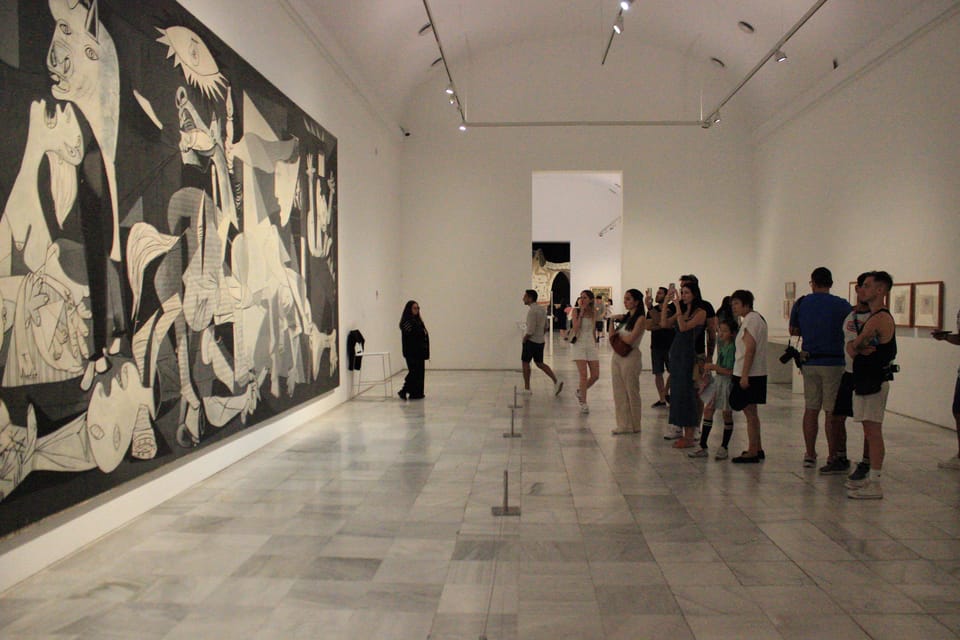
If you care about one artwork at the Reina Sofía, it’s almost certainly Guernica. This tour is built to end (or near the end) with the mural-sized oil painting you’ve seen in textbooks and posters—but rarely with enough context to understand what you’re looking at.
What I like about the way this tour frames Guernica is that it treats it as a constructed message, not just a tragic image. You learn about the symbolism and the art techniques connected to the painting, plus the historical background tied to it.
In plain terms: you’ll spend less time thinking, What am I supposed to see? and more time noticing how the shapes, distortions, and composition work together to deliver the anti-war message.
A word of realism: Guernica is famous for a reason, but it can also feel overwhelming if you rush. The good news is that the tour structure aims to leave you with enough understanding to appreciate it more deeply, and then you can sit with it longer later while exploring on your own.
How the guide turns Cubism and Surrealism into something you can see
Modern art can feel like a language you never studied. This tour helps you learn a few basics fast—without pretending you’ll master everything in 75 minutes.
You’ll hear about 20th-century movements such as abstract art, Cubism, Surrealism, and modernism and how artists used new approaches to represent reality, dreams, and politics. The guide’s job is to connect the movement to specific choices in the paintings, like how forms are broken apart, how scenes are rearranged, or how unsettling imagery is used to communicate emotion.
I like that the tour doesn’t treat these styles as school categories. Instead, you get practical pointers for what to watch for while you’re standing in front of the work.
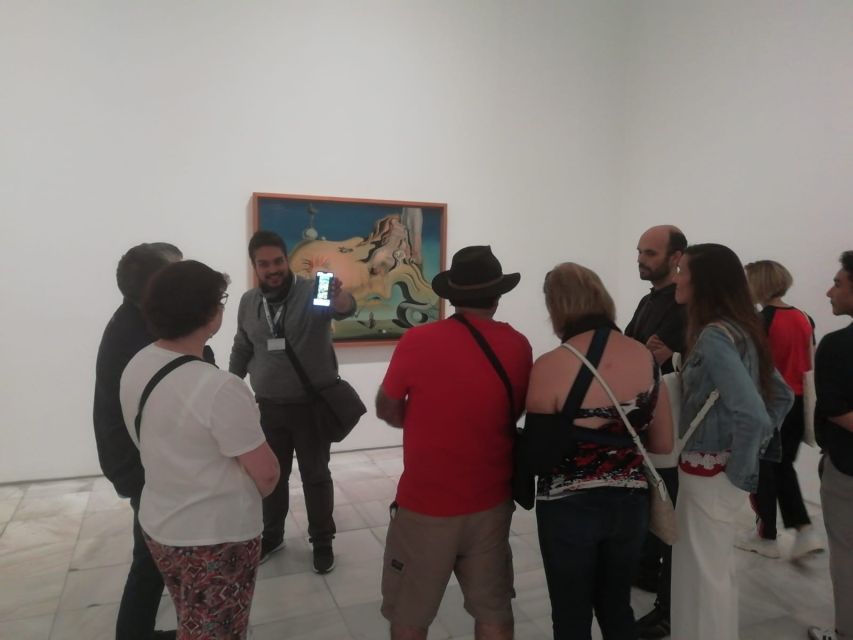
Some guides also use extra aids during explanations. One past participant noted a guide using an iPad to show perspectives, which is the kind of trick that can make abstract ideas click.
You can also read our reviews of more museum experiences in Madrid


Dalí and Miró: Spanish art beyond the poster-famous giant
After Picasso, you’re not just filling time. The tour is also designed to show why Spain’s 20th-century art matters beyond one icon.
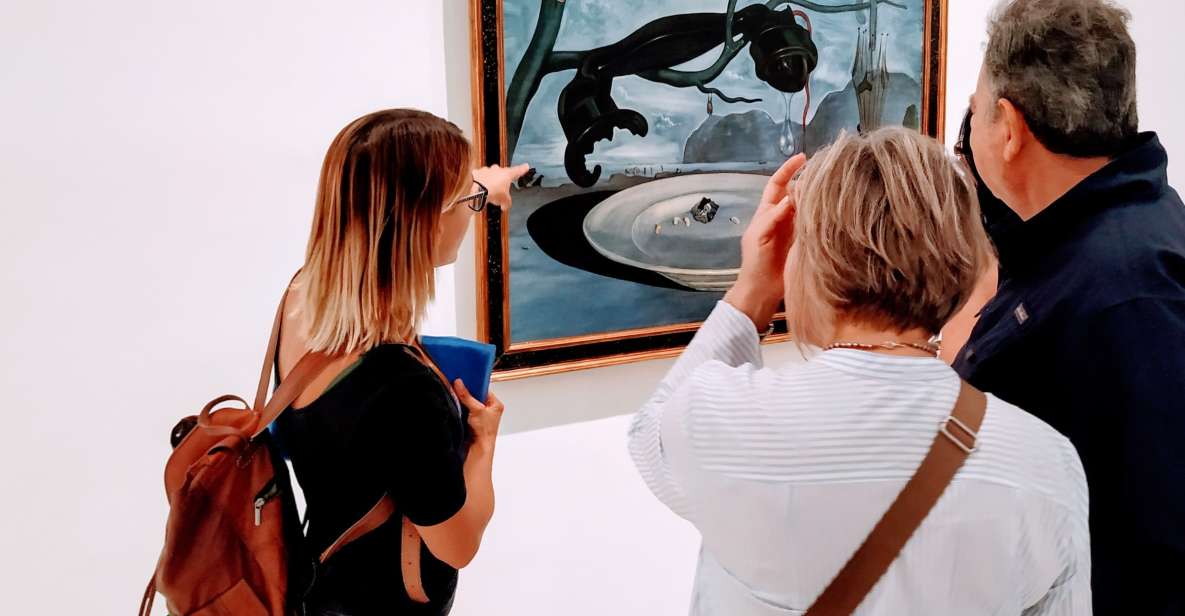
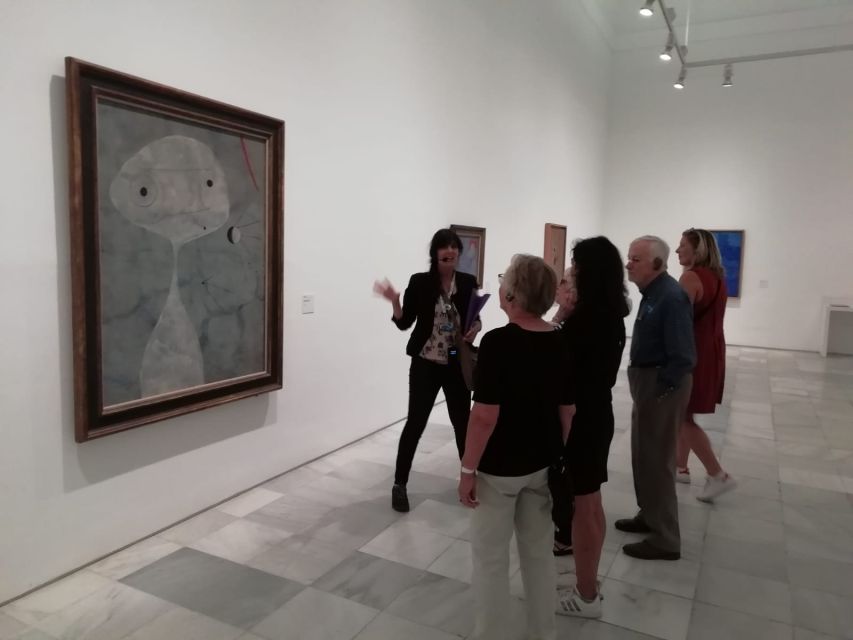
You’ll have a chance to see the collection through the lens of Salvador Dalí and Joan Miró, among others. The goal is to help you notice how their approaches differ from Picasso’s—especially in terms of symbolism and technique—so you don’t end up lumping them into one “modern art” bucket.
If you’re new to Dalí or Miró, the key is that you’re not learning a checklist of facts. You’re learning what kind of thinking each artist is doing. That’s what makes the museum feel less random and more like a set of conversations across decades.
Bilingual commentary: how it works and what to watch for
The tour is live bilingual: commentary in English and Spanish happens simultaneously. That’s great if you want either language (or you’re bilingual and want both sides of the explanation), but it can also mean the soundscape changes depending on group size.
One earlier experience described the tour splitting into smaller groups when a second guide arrived, which makes sense for keeping explanations clear. In any case, your best move is to position yourself where you can hear the guide you’re listening to, especially in louder sections.
Audio can also be a factor. There was at least one note about mic sound becoming crackly at times. It’s not something you can predict for your date, but if you rely heavily on sound, aim for a spot close to the guide.
Photography and bag rules: keep it simple so you don’t get stopped
This is where you’ll save time by preparing before you arrive. The museum has rules that can be strict, and the tour adds reminders so you don’t spend your best moments worrying about cameras.
Here’s what to plan around:
- Some rooms don’t permit photos.
- Where photos are allowed, you need no flash and no camera stabilization devices like tripods.
- Selfie sticks and tripods are not allowed, and flash photography is also ruled out.
- Luggage or large bags aren’t allowed, so travel light.
Also bring comfortable shoes. The museum has a lot of walking, and you’ll be standing still for explanations at key stops.
If you’re the type who likes to sketch or take notes, bring a small notebook. If you like to shoot everything on your phone, accept that you’ll have limitations in certain rooms.
What happens after the guided portion ends
This tour includes the guided visit, but you’re not locked in. After the 75-minute guided section, you can stay and explore the Reina Sofía on your own.
That’s a smart setup because modern art rewards lingering. Once you know what the guide pointed out—movement, symbolism, technique—you’ll spot details you would’ve missed in a solo stroll. And if Guernica moved you, you’ll likely want a second look from a different angle or just to sit with it longer.
The museum also hosts temporary exhibitions, including international artists in addition to the core collection. So even though your guided portion is focused, your independent time can broaden out.
Price and value: is $38 worth it?
At $38 per person for about 75 minutes, you’re paying for three things: a guided route, skip-the-line entry, and bilingual explanations.
Is it cheaper than doing it alone? If you only care about saving money, maybe. But the museum is large and modern art is easy to misunderstand without a framework. For many first-time visitors, paying $38 to get a structured path is a good trade because it prevents wasted time and turns the highlights into a meaningful story.
I think it’s especially good value if:
- You want to see Guernica but also want to understand it.
- You don’t want to spend your limited Madrid time guessing what’s important.
- You like your art guided—through questions, comparisons, and concrete details.
It might be less compelling if you already read a lot of modern art and you’re comfortable building your own route through the entire museum.
Who this Reina Sofía guided tour suits best
This tour is a strong match for people who feel stuck in front of modern art. If you’ve looked at Cubism or Surrealism and thought, I get the vibe but not the why, you’ll benefit.
It also suits you if you want a focused introduction before branching out. The “guided first, explore after” setup is perfect for travelers who want structure up front, then freedom once they know what catches their eye.
If you’re traveling with kids or teens, it can also work well because shorter explanations and interactive moments can keep attention from wandering. One past comment praised a guide for handling both adults and kids effectively, which is a good sign for family groups.
The one drawback to plan around
Time. The tour is short enough that you will not see everything, even if you start with great energy. That’s not a failure of the tour—it’s the nature of modern museums and limited duration.
If you’re the kind of visitor who likes to stand in front of one painting for a long while, you might feel the pressure during the guided stops. There was also a note about one guide possibly moving too fast across the works, so if you prefer slower pacing, keep expectations aligned with a highlight-focused tour.
For many people, that’s still the right choice because it gives you direction, then you can slow down during the independent portion.
Should you book this Reina Sofía Museum guided tour?
I’d book it if you want the easiest route to understanding Spanish modern art in Madrid without losing an entire day to wandering. The combination of skip-the-line entry, a professional bilingual guide, and a structured focus on Picasso’s Guernica makes it a practical use of time.
Skip it if you already know modern art deeply and you don’t need a storyline. If that’s you, you might prefer a self-guided visit so you can linger wherever your curiosity leads.
If you’re torn, think about your goal. If your goal is learning, this tour is built for that. If your goal is only seeing famous works quickly, you may be fine on your own. But if you want Guernica to hit with meaning, this guide-led approach is an efficient way to get there.
FAQ
How long is the Reina Sofía guided tour?
The tour lasts 75 minutes.
What’s included in the price?
It includes the Reina Sofía Museum entrance and a professional guide with live commentary in English and Spanish.
Is the tour bilingual?
Yes. The live tour guide provides commentary in English and Spanish.
Does the ticket let me stay in the museum after the tour?
Yes. After the guided visit ends, you can stay in the museum to explore independently.
Are photos allowed inside the museum?
Photography rules are strict. Some rooms don’t permit photos. In rooms where photography is allowed, you must avoid flash and you cannot use stabilization tools like tripods or selfie sticks.
Can I bring luggage or large bags?
No. Luggage or large bags are not allowed.
What should I wear or bring?
Wear comfortable shoes. The tour involves walking through galleries and halls.