REVIEW · MADRID
Madrid: Thyssen-Bornemisza Museum Guided Tour & Entry Ticket
Book on GetYourGuide →Operated by DE PASEO · Bookable on GetYourGuide
Art with a guide saves time and nerves. This small-group Thyssen-Bornemisza visit helps you connect centuries of painting fast, without feeling rushed or lost. You also get the skip-the-ticket-line advantage, which matters in a museum where the collection is huge and time is tight.
I especially like the way the tour is built around the museum’s big arc: European painting from the Middle Ages through the end of the 20th century. And I love the promise of key moments you can’t really ignore—Degas’ Swaying Dancer, the surrealism angles tied to Dalí, and the sheer weight of Picasso’s Guernica.
One thing to consider: this is a 1.5-hour experience. It’s excellent for getting oriented and seeing the highlights, but if you want to linger for an hour-plus per room, you’ll need to plan extra self-guided time afterward.
In This Review
- Key things that make this tour worth your $74
- The Thyssen-Bornemisza in Madrid’s Art Triangle: why it clicks fast
- What you’ll actually see in 90 minutes (and what the guide does for you)
- Degas’ Swaying Dancer: how to look so it feels alive
- Dalí and the surrealism angle: the moment art starts playing with logic
- Picasso’s Guernica: seeing the scale and feeling the weight
- The museum collection approach: from foreign painters to Spanish giants
- Small-group pacing: semi-private means you can breathe
- Meeting point reality: how to start smoothly at Paseo del Prado
- Price value: what $74 actually buys you
- Who this tour suits best (and who might want more time)
- Practical notes that affect your day
- Should you book it? My take
- FAQ
- How long is the Thyssen-Bornemisza guided tour?
- Is the group size small?
- Which languages are available?
- Is the museum ticket included?
- Where do we meet the guide?
- Is the museum tour wheelchair accessible?
- Can I bring food or drinks inside?
- When should I arrive?
Key things that make this tour worth your $74
- Small groups up to 7 people mean you can actually hear your guide and ask questions.
- Guided “single language” structure keeps the pacing clear, in either Spanish or English.
- Skip-the-ticket-line entry helps you start looking sooner.
- Spotlight works: Degas’ Swaying Dancer, Dalí’s surrealism, and Picasso’s Guernica.
- A broad art sweep across the 13th–20th centuries without trying to cover every corner.
- Arrive 15 minutes early and you’ll get the relaxed start that makes the whole tour feel smooth.
The Thyssen-Bornemisza in Madrid’s Art Triangle: why it clicks fast
Madrid’s art big three often get treated like a checklist. But the Thyssen-Bornemisza is a special kind of shortcut: it bridges styles and eras in a way that makes European painting feel like one long story. The museum’s collection spans from the 13th through the 20th century, with close to a thousand works that help you see how ideas changed over time.
What makes this guided format work is that it doesn’t try to make you memorize everything. Instead, it steers you toward the works that explain the jumps between periods—so you can leave with a clearer sense of what to notice next time you’re in a museum.
And because the Thyssen joined the Prado and Reina Sofía as part of the Triangle of Art on Paseo del Prado, you’re really in the center of Spain’s most important painting heritage. If you’re doing more than one museum in a day, the “context plus highlights” approach is a smart way to keep all that art from blending together.
You can also read our reviews of more tours and experiences in Madrid


What you’ll actually see in 90 minutes (and what the guide does for you)
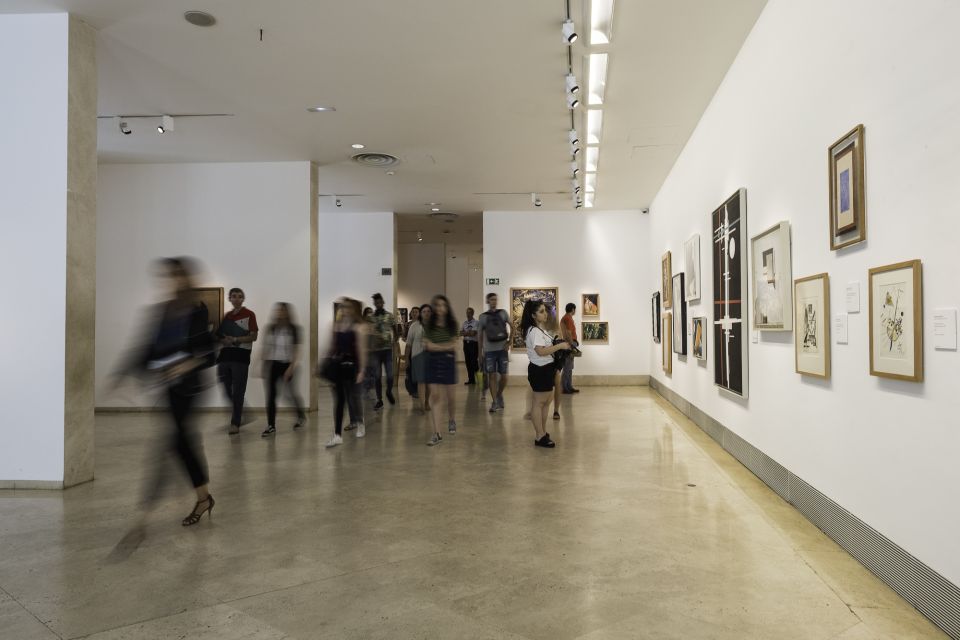
This visit runs about 1.5 hours, so you’re getting a concentrated tour rather than a full museum marathon. The guide’s job is basically interpretation: picking key works, explaining what matters, and connecting the dots between styles so you don’t just stare at paintings without knowing what you’re looking for.
Even though you won’t see every gallery, you can expect a chronological feel across major movements. The museum’s collection includes famous names you’ve probably heard—Titian, Rubens, Rembrandt, Caravaggio, Manet, Renoir, Van Gogh, Gauguin, Kandinsky, Hopper, and Picasso. The guide’s value is turning that list into something you can recognize by characteristics and time period.
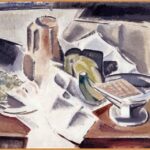
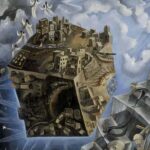
Here’s the useful part: the tour aims to show you not only the “big names,” but also the visual logic behind them. For example, you’ll get the chance to understand how Impressionist-era works fit the bigger shift in how artists saw light and everyday life. You’ll also get a guided path into the 20th-century avant-garde movements, where styles like Fauvism, Expressionism, Surrealism, Abstraction, and Pop Art can feel random if you haven’t been given a framework.
The most praised element from the experience is how guides manage that tight timing. In multiple cases, guides like Ana Christina and Ana are singled out for making the time feel like an art course in disguise—covering the last 1000 years of painting with clarity, energy, and adjustments when needed.
Degas’ Swaying Dancer: how to look so it feels alive
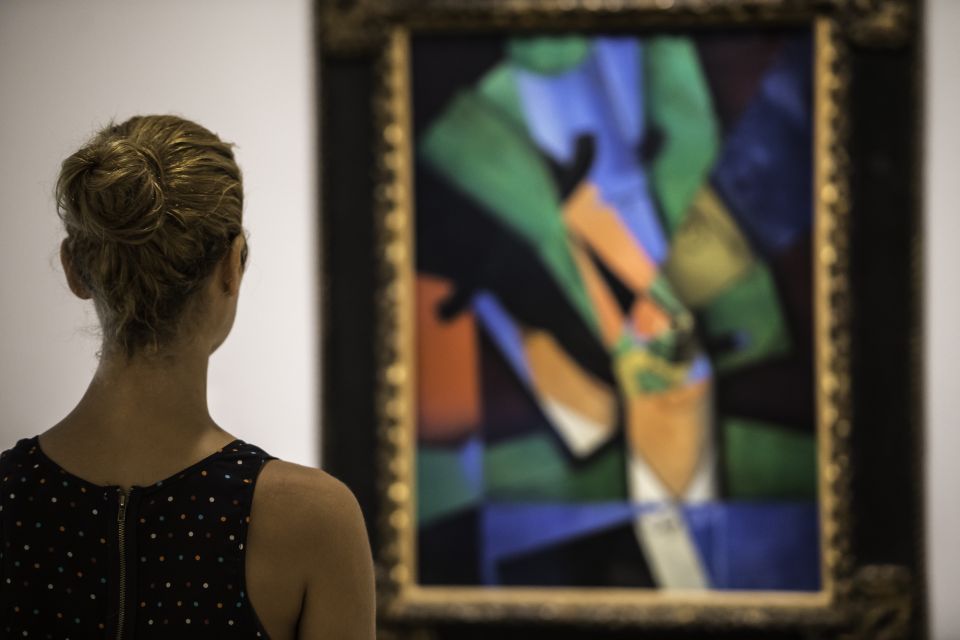
One highlight you’ll want to catch is Degas’ Swaying Dancer. Degas can be one of those artists people admire but don’t immediately understand. A good guide helps you slow down just enough to see what’s happening in the paint—how movement is suggested, how a pose becomes a whole idea, and why the dancer’s presence is more than just a subject.
In a guided setting, you’re not stuck trying to guess what the painter wanted you to notice. You get the interpretive cues that make the work feel less like a static image and more like a moment from real life. That’s the kind of effect you want in a short tour: one work that changes how you look at the next room.
Dalí and the surrealism angle: the moment art starts playing with logic
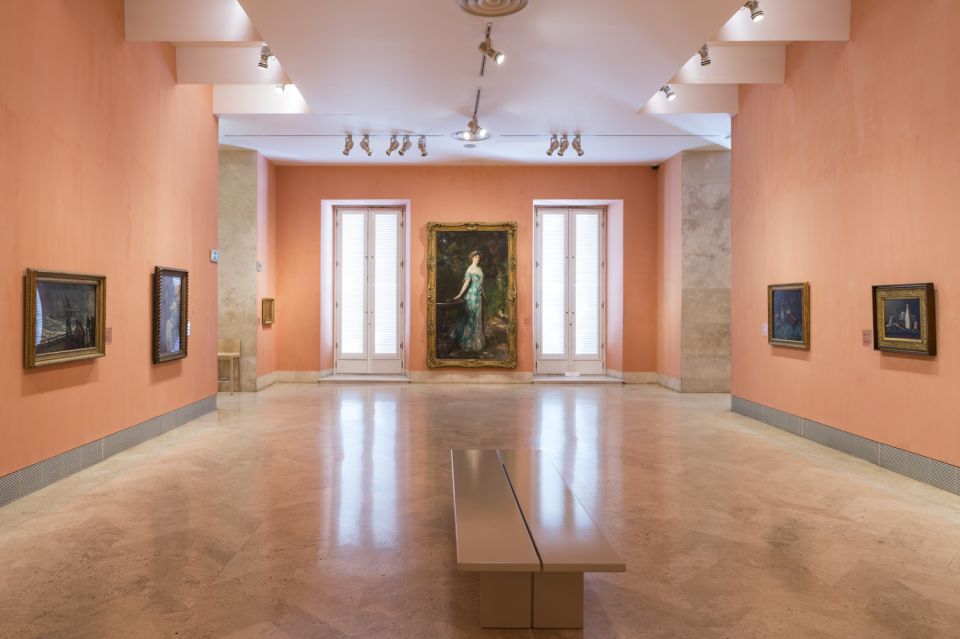
Surrealism can be tricky in museums. People often either miss the point completely or get lost in symbolism without structure. This tour specifically calls out the unique details of surrealism by focusing on Dalí.
That matters because Dalí’s approach is both precise and strange. When the guide explains how surrealism thinks—how it bends reality, how it turns dreams and fear into something you can see—you stop treating the paintings like puzzles and start treating them like expressions of the mind.
The payoff is that surrealism doesn’t remain an abstract label. You come away with practical understanding: what makes it surreal, how it differs from earlier styles, and why it fits into the broader 20th-century shift toward breaking traditional expectations.
Picasso’s Guernica: seeing the scale and feeling the weight
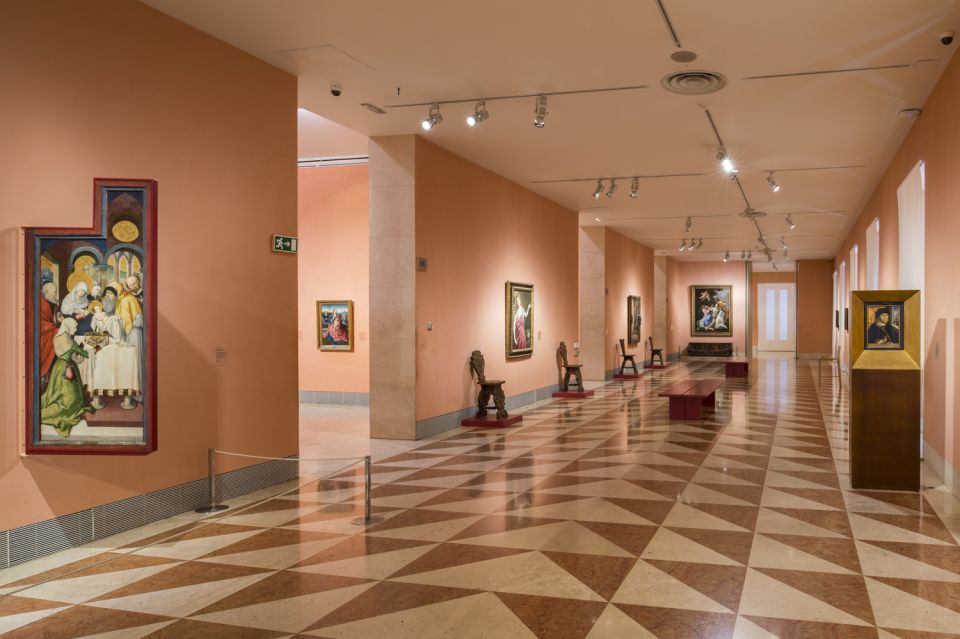
Then you reach Picasso’s Guernica, and this is where the tour earns its reputation. Even if you already know the story, a guided visit helps you see why the painting hits so hard—composition, tension, and the way forms are pushed until they almost stop behaving like normal objects.
The tour’s focus on Guernica is about more than recognition. It’s about magnitude and impact. The guide helps frame what Picasso is doing visually and historically, so you understand why this work became an icon rather than just a famous name.
If you care about modern art but feel daunted by it, this is a good on-ramp. You’re not thrown into the entire 20th century at random. You’re given an anchor that helps you interpret the rest of what comes before and after.
You can also read our reviews of more guided tours in Madrid





The museum collection approach: from foreign painters to Spanish giants
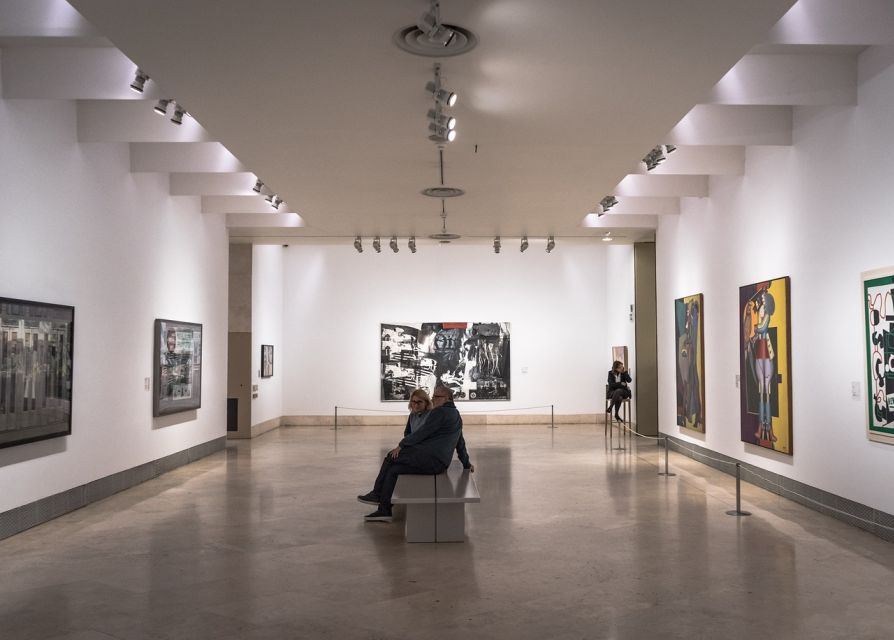
One thing I really like about the Thyssen-Bornemisza is how it holds together multiple art stories. The collection includes foreign painters who weren’t present elsewhere, including Italian and Flemish primitives and key Renaissance works. It also features lots of Impressionist-era pieces—Monet, Degas, Van Gogh, and Gauguin show up in the mix.
That’s a big deal because it prevents Madrid’s art day from becoming too Spain-only. You get the wider European picture, then you also get two major Spanish voices—Picasso and Dalí—so the museum becomes both international and local at the same time.
A guide’s role here is to prevent the collection from becoming a jumble. When you’re shown how the periods connect, you start noticing patterns yourself. The guide essentially gives you a mental checklist that you can reuse as you walk through the galleries after the tour ends.
Small-group pacing: semi-private means you can breathe
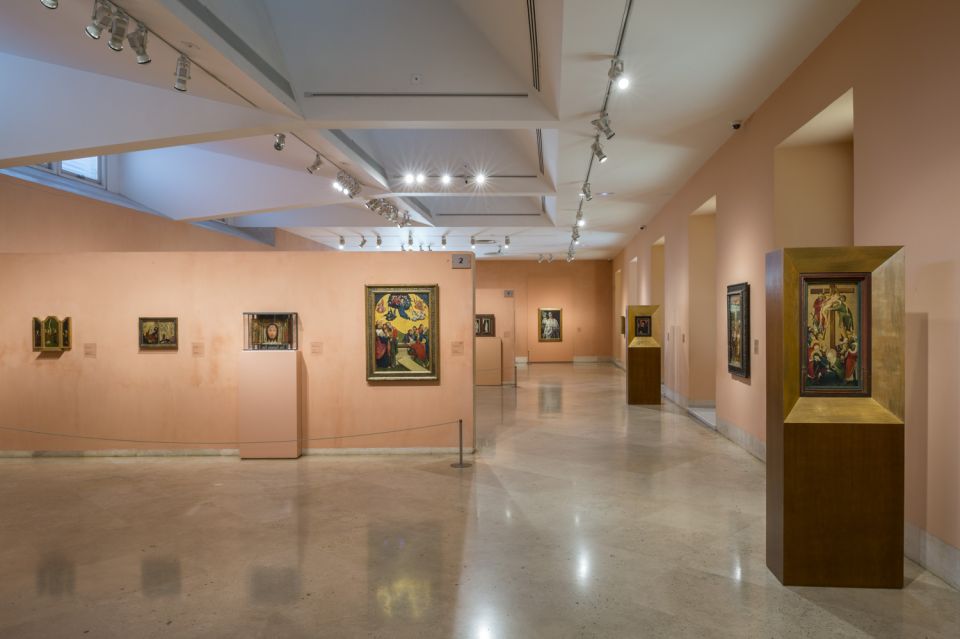
This is one of the best practical upgrades you can buy in a museum. The tour is semi-private with small groups of up to 7 people. That’s not just a comfort detail. It changes how the guide can work.
In a bigger group, the tour often becomes a fast lecture where you can’t get clarification. In a small group, the guide can adjust, slow down for questions, and keep your attention on the right paintings without rushing past them like you’re watching a highlight reel.
That shows up in the way the experience is described as personalized. One guide is noted for using time wisely without pushing people faster than they can follow, and for helping keep a teenage daughter interested too—which is a strong sign the explanations don’t talk over your head.
Meeting point reality: how to start smoothly at Paseo del Prado
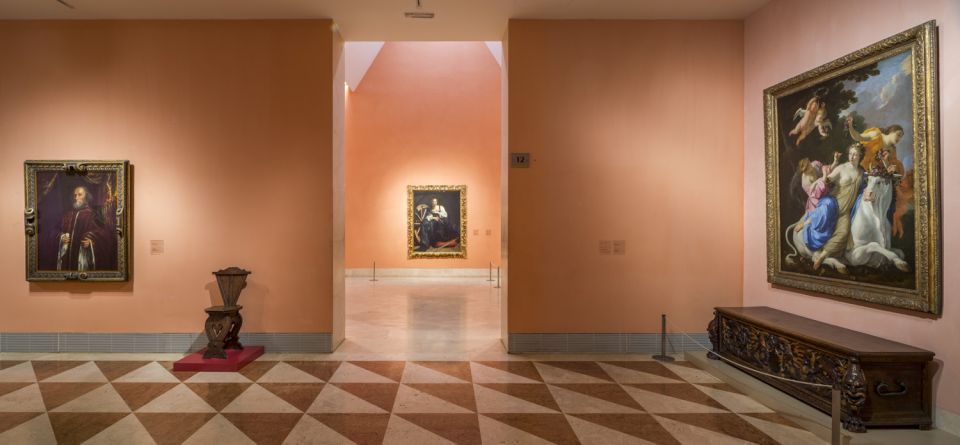
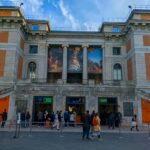
You’ll meet at the Thyssen-Bornemisza Museum main access on Paseo del Prado, 8. The guide carries a white umbrella, which is a simple but genuinely helpful detail when you arrive and the street is full of people.
Plan to arrive 15 minutes before departure. If you’re late, you lose time and you don’t get a refund. That’s pretty normal for timed museum tours, but it’s worth building into your schedule.
Also bring patience for the general museum flow. The tour includes a way to skip the ticket line, but you’re still walking into a busy area and finding your group, plus giving yourself a minute to orient in the entrance space.
Price value: what $74 actually buys you
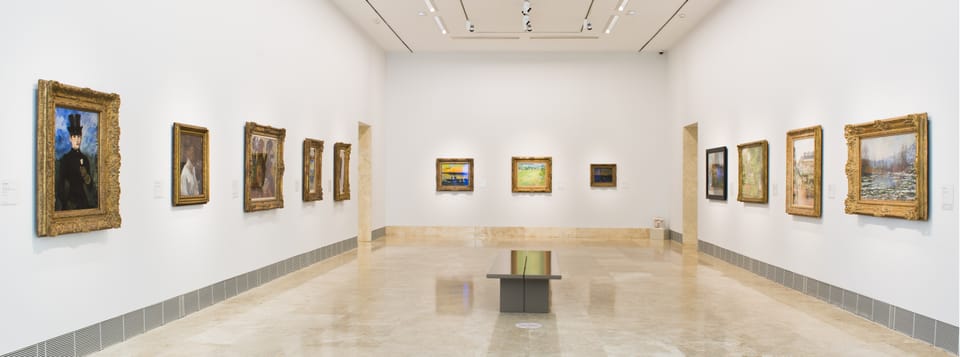
At $74 per person, you’re paying for two main things: the museum entry ticket and the guide time. The guide is bilingual in practice (Spanish and English), and the tour is designed to help you spend your limited time with purpose.
If you’re the type of traveler who likes to roam but often feels stuck in museums—standing in front of paintings wondering what you’re supposed to notice—this kind of guided intro is a solid value. You’re basically buying compression: a clearer path through centuries of art so your self-guided time afterward makes more sense.
If you already know a lot of art history and hate structured tours, you might question the cost. But for many first-time museum visitors, the guide’s interpretation turns the same rooms you’d see alone into something more satisfying.
Who this tour suits best (and who might want more time)
This guided visit is ideal if you:
- want an organized orientation to European painting from the 13th to the 20th century
- have limited time in Madrid and want the main works handled for you
- prefer a single language tour and a small group pace
- like the idea of hearing explanations of surrealism and modern masterpieces without getting overwhelmed
It may not be your best choice if you:
- plan to spend hours in one wing and want long stops at every painting
- dislike any structured route at all
- want a deep dive into every movement with no time limits
A good strategy is to treat this tour like your “map.” Then, after, you can return to the areas that grabbed you most.
Practical notes that affect your day
A few rules shape the experience. Food and drinks are not allowed, so plan to grab a snack before you start or after you finish. The tour is wheelchair accessible, which is important for planning a smooth museum visit.
There’s also a children-to-adult consideration: maximum 2 children per adult, with the children always accompanied by an adult. If you’re traveling as a family, it’s worth coordinating your group size accordingly.
And if you want flexibility, the experience offers free cancellation up to 24 hours in advance.
Should you book it? My take
I’d book this tour if you want to get real value from a short museum visit. The mix of guided storytelling plus highlight works—Degas, Dalí, and Picasso’s Guernica—makes it a strong first stop in the Thyssen-Bornemisza, especially when you’re also juggling the Prado and Reina Sofía.
If you’re on the fence, decide based on your museum style. If you love wandering but don’t always know what you’re seeing, you’ll likely feel your time click into place with a guide. If you’re already well-versed and want total freedom, you might prefer a self-guided ticket and extra hours in the galleries.
Either way, coming in with a plan beats guessing. This tour does the planning for you.
FAQ
How long is the Thyssen-Bornemisza guided tour?
It lasts about 1.5 hours.
Is the group size small?
Yes. It’s a semi-private visit with small groups of up to 7 people.
Which languages are available?
The tour is offered in Spanish and English, and it runs as a single language visit.
Is the museum ticket included?
Yes. Your ticket entry to the Thyssen-Bornemisza Museum is included, and the tour also skips the ticket line.
Where do we meet the guide?
Meet at the Thyssen-Bornemisza Museum main access, Paseo del Prado, 8. The guide carries a white umbrella.
Is the museum tour wheelchair accessible?
Yes, it’s listed as wheelchair accessible.
Can I bring food or drinks inside?
No. Food and drinks are not allowed.
When should I arrive?
Please arrive 15 minutes before the departure time. No-shows at the established time don’t receive a refund.
If you tell me what day you’re visiting Madrid and whether you’re also doing Prado or Reina Sofía, I can suggest a smart art-day order so the museums support each other instead of competing for your attention.