REVIEW · MADRID
Madrid Thyssen Museum Guided Tour with Small Group
Book on GetYourGuide →Operated by The Guides You Need, S. L · Bookable on GetYourGuide
Art with context, minus the waiting. This small-group Thyssen-Bornemisza Museum tour is built for real understanding, starting with how the collection was formed and moving through centuries of European art. I particularly like the skip-the-line setup and the tight group size, which makes the visit feel more like a guided gallery conversation than a lecture.
I also love that you’re taken through the museum in a logical order, from older works forward toward 20th-century experiments. And the guide names matter here: people rave about Belen and Stefi for giving strong art-historical context without making you feel lost in dates.
One consideration: at just 1.5 hours, this is a highlights-and-guidance visit, not a slow, stand-in-front-of-one-painting kind of experience. Plan to come ready to choose what to focus on, especially if you’re picky about specific artists.
In This Review
- Key points to know before you go
- Skip-the-Line to a Private-Collection Feel
- Meet the Baron Thyssen and Get Oriented Fast
- The 1.5-Hour Chronological Route (and Why It Works)
- Caravaggio to Impressionism: What Your Guide Actually Adds
- Picasso and Dalí: How to Look at Big Names Without Feeling Overwhelmed
- Small-Group Power: Ask for Your Own Priorities
- Practical Stuff: Clothing Rules, Drinks, and Weather Reality
- Price and Value: Is $56 a Smart Deal?
- Who This Tour Suits Best in Madrid
- Book It or Skip It: My Decision Guide
- FAQ
- How long is the Madrid Thyssen Museum guided tour?
- Is this tour small-group or large-group?
- Do I need to buy museum tickets separately?
- Where is the meeting point?
- Is the guide available in English?
- Is the museum tour wheelchair accessible?
- What is the dress code or restrictions inside?
- Is there free cancellation?
Key points to know before you go
- Skip-the-line entry means you head inside quickly once you meet outside the museum.
- Small group, max 7 people keeps the pace human and questions welcome.
- Chronological route goes from older works toward the 20th-century avant-garde.
- Guides tailor the focus and try to work in what you most want to see.
- Top artists are covered across Italian baroque, Impressionism, and major Spanish names like Picasso and Dalí.
Skip-the-Line to a Private-Collection Feel
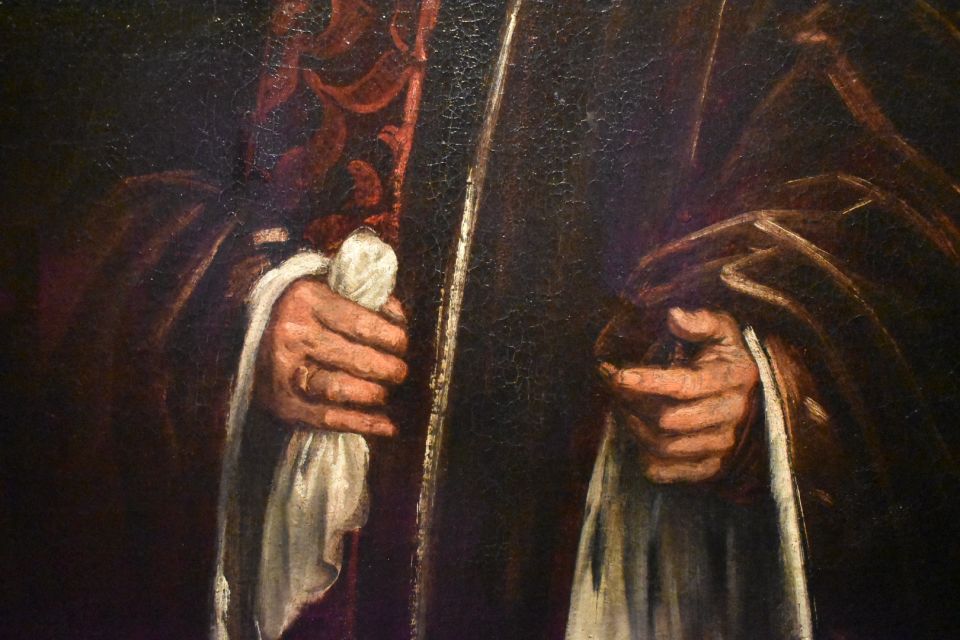
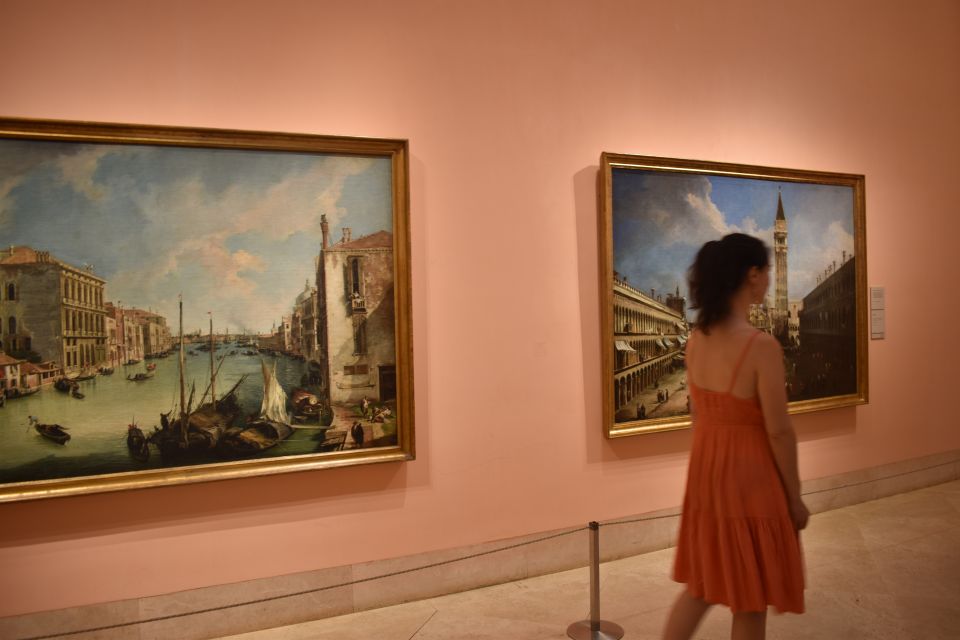
The Thyssen-Bornemisza Museum can feel intimidating on your own because it’s not just one style or one era. It’s more like a collector’s worldview: art next to art that shows how tastes changed, how techniques evolved, and how different movements talked to each other across time.
That’s why the skip-the-line part matters. When you start with less waiting and more time inside, you’re more likely to enjoy the first rooms instead of rushing through them. The museum has an excellent collection, but it still helps to get your bearings early.
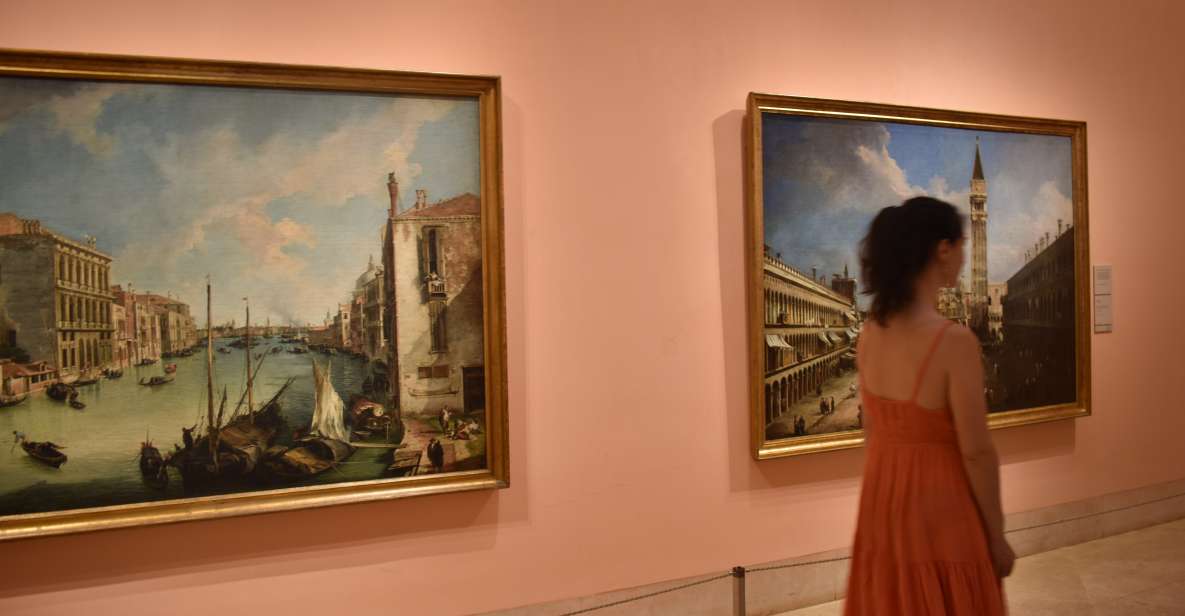
Also, this tour is designed around the fact that the Thyssen collection is eclectic. You’ll see major Italian baroque names such as Caravaggio, then jump forward to Impressionism with painters like Monet and Degas, and later connect the dots to 20th-century works featuring Spanish heavyweights like Picasso and Dalí.
You can also read our reviews of more guided tours in Madrid


Meet the Baron Thyssen and Get Oriented Fast
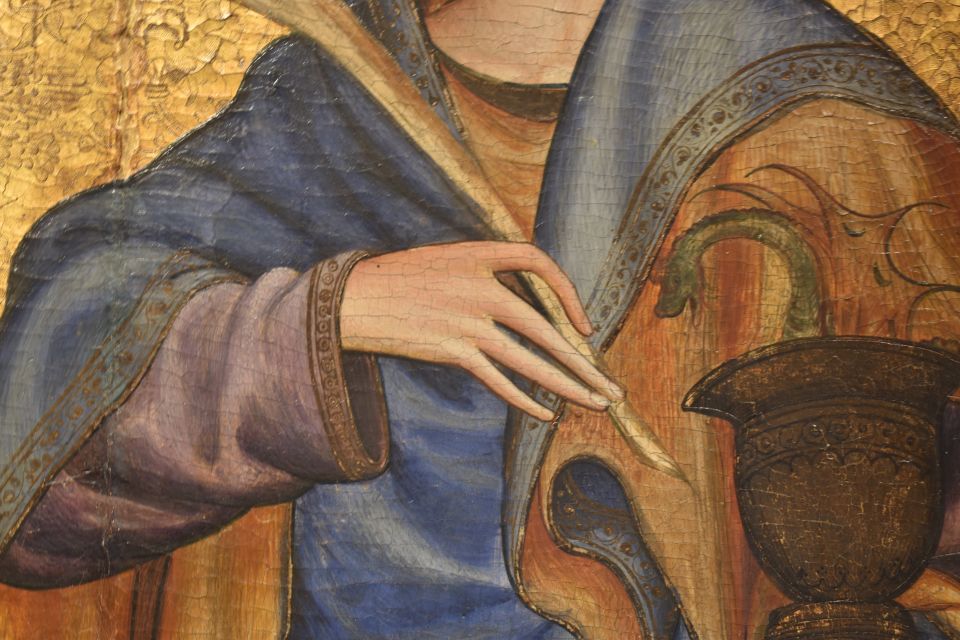
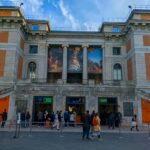
You meet outside by the bust of the Baron Thyssen, right in front of the museum gate. It’s an easy landmark, and it helps you avoid the common beginner problem: standing at the wrong entrance while the group slips away.
From there, you already have tickets taken care of for you. You don’t waste your best museum time lining up. You go straight into the building as a group, which sets the tone: you’re here to learn and look, not to manage logistics.
And once you’re inside, the guide typically starts with the older pieces. That order is a quiet advantage. Even if you’re not an art expert, you get a sense of progression—what came before, what changed, and what artists were responding to.
The 1.5-Hour Chronological Route (and Why It Works)
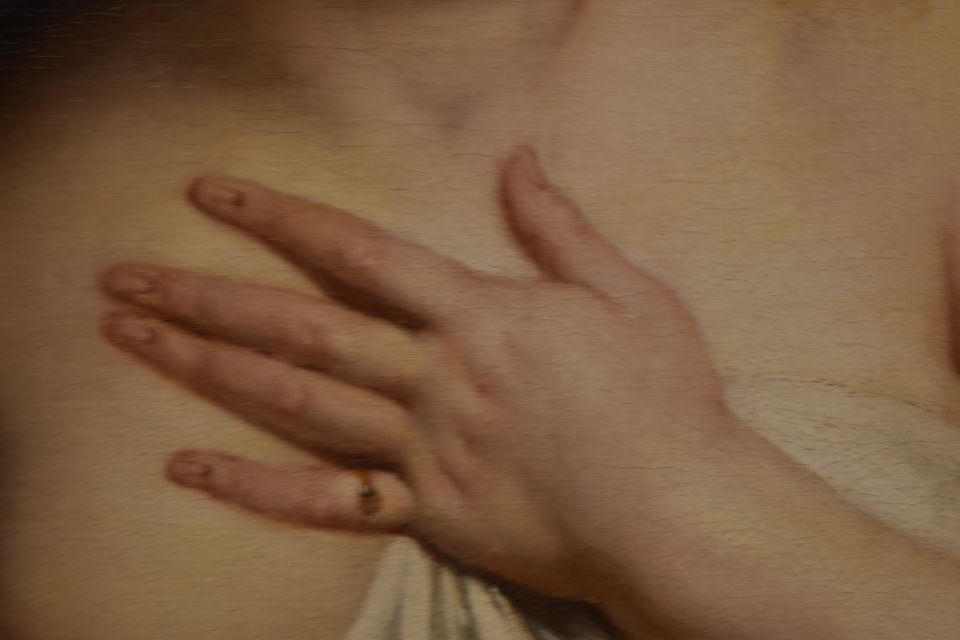
The route usually follows a clear timeline. Older works come first, then the tour moves forward through the collection until it reaches the 20th-century avant-garde. That structure is useful because the Thyssen collection spans major European movements, and a chronological path prevents the visit from feeling random.
In practice, you’ll do two things at once:
- You look at famous works
- You learn the logic behind why they’re placed where they are
This matters because the Thyssen is not a themed museum that repeats one idea in different rooms. It’s a collection that shifts gears. A timeline approach helps you keep up with those shifts without needing to constantly check a guidebook.
Keep in mind the time limit: 1.5 hours means you’ll cover key highlights with guidance, not every single masterpiece at museum pace. If you’re the type who reads labels for fun and then stays put for 20 minutes, you’ll probably want a plan for extra free time after the tour.
Caravaggio to Impressionism: What Your Guide Actually Adds
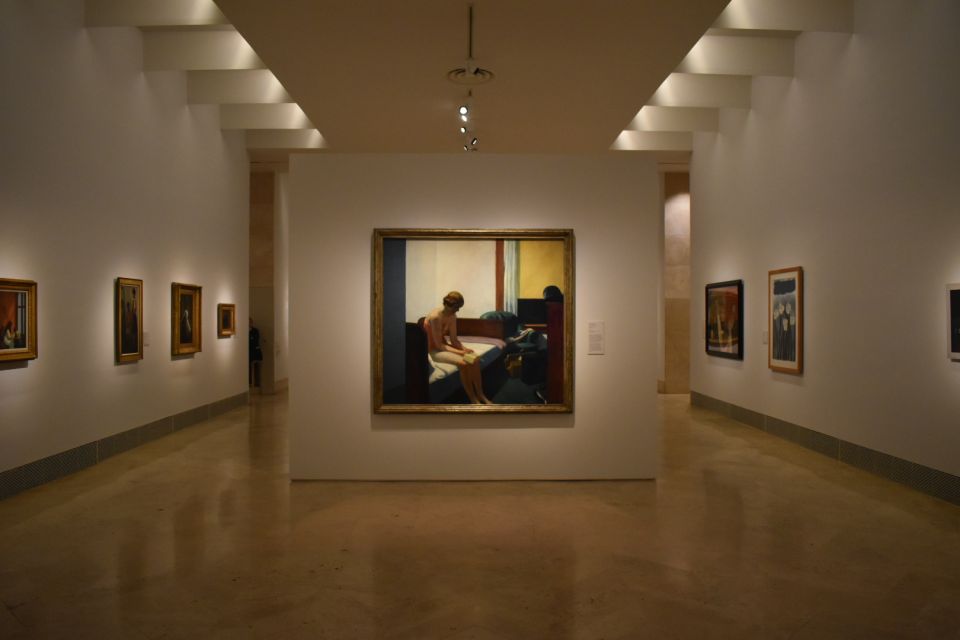
It’s one thing to see a painting. It’s another to understand what you’re seeing—especially when the collection spans dramatic baroque lighting, Impressionist color effects, and later modern techniques.
What I like about this tour is the way the guide connects technique and context. Guides such as Belen and Stefi are praised for giving art-historical background while still making the visit enjoyable and readable. That’s a real skill: explaining centuries of change without drowning you in names.
You’ll also get an angle on how different movements think. With Italian baroque pieces (including Caravaggio), you’re typically pushed to notice things like contrast, drama, and the emotional pull of the scene. Then, as you move toward Impressionism, the conversation can shift toward how artists captured light and everyday perception—think Monet and Degas.
A small-group format helps here because the guide can react to what you ask. If you want the story behind a specific work, you’re more likely to get a focused answer instead of a general overview.
Picasso and Dalí: How to Look at Big Names Without Feeling Overwhelmed
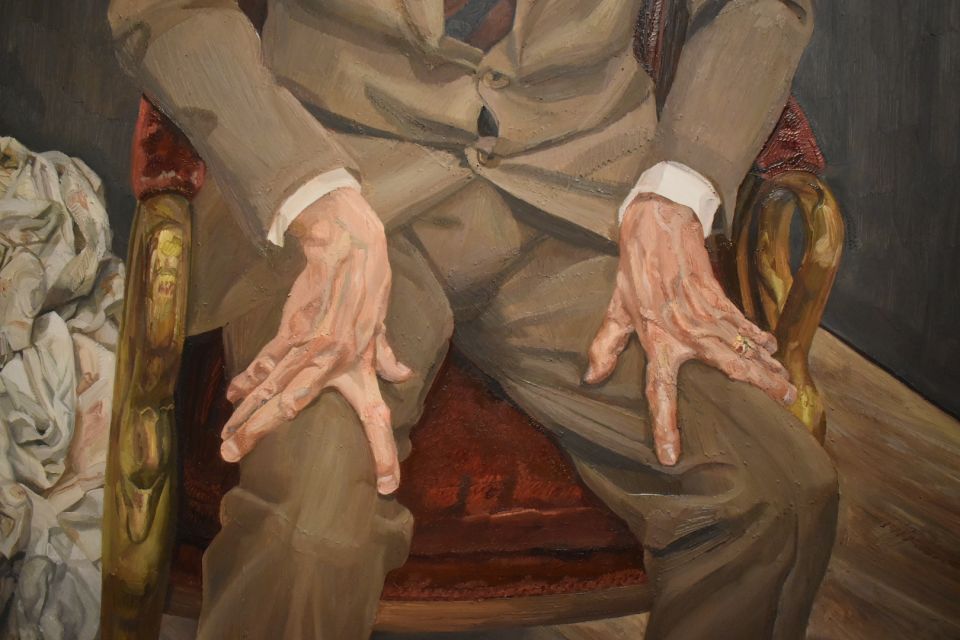
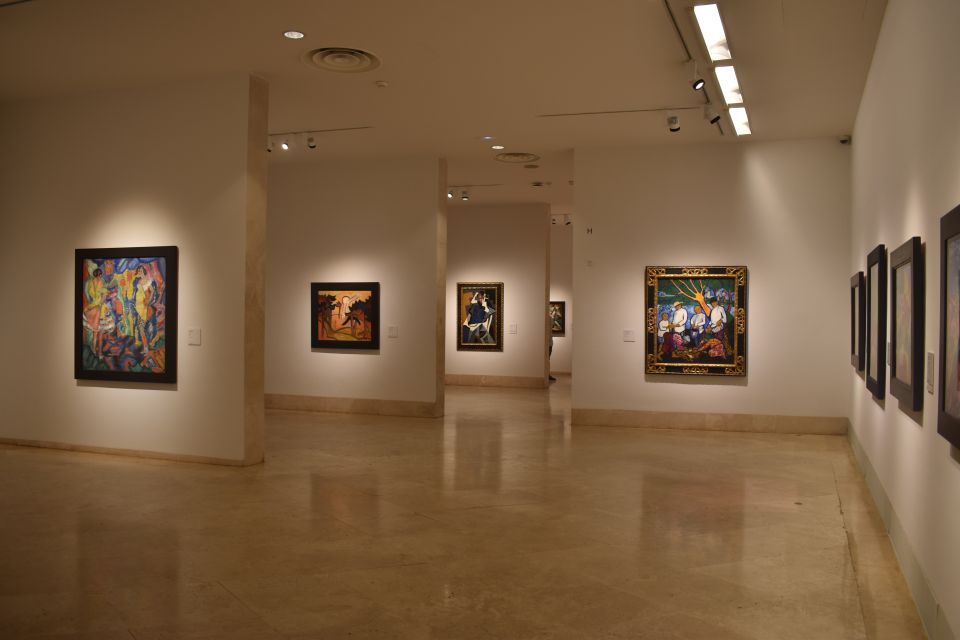
By the time the tour reaches the 20th century, you’re not just seeing well-known artists—you’re also seeing how modern art breaks from the expectations of earlier periods. The Thyssen includes major Spanish figures of the 20th century, including Picasso and Dalí, and that shift can either feel exciting or confusing depending on how it’s explained.
This is where having a live guide helps most. Instead of treating Picasso and Dalí like museum trophies, the guide can point out the choices behind them—how form changes, how symbolism works, and how the artwork fits into the bigger story of art’s evolution.
And because the group is limited to 7 people, there’s room to ask practical questions like what to notice first, or how two paintings you’re looking at now relate to each other. That’s the difference between seeing famous art and actually understanding why it mattered.
You can also read our reviews of more museum experiences in Madrid



Small-Group Power: Ask for Your Own Priorities
A max group size of 7 is a big deal in a large museum. It’s not just about comfort. It changes the whole rhythm of the tour.
The guide often starts with a friendly question: what you’d prefer to see. That gives you influence. If you’re drawn more to baroque drama, you can push the guide toward those pieces. If your interest is Impressionism, you can ask for more attention there. If Spanish modern art is your main goal, the guide can keep the focus aligned.
Even when the route stays chronological, a good guide can still adjust emphasis. People specifically highlight that guides can tailor the text to individual interests when schedules allow. In other words, you’re not stuck with a one-size-fits-all script.
Practical Stuff: Clothing Rules, Drinks, and Weather Reality
Museums are rules-based, and this one includes two simple restrictions: no drinks and no loose clothing. That’s not the time to ignore the details. If you wear something very baggy, or bring a drink, you may run into preventable friction at entry or inside.
Also, the tour runs in most weather. It takes place no matter the weather unless the museum closes. That’s useful in Madrid, where plans can go sideways quickly in shoulder seasons.
On the comfort front, the museum is wheelchair accessible and the tour includes elevators so accessibility is covered. If you use mobility aids, this is an important point to feel good about before you arrive.
Price and Value: Is $56 a Smart Deal?

At $56 per person for 1.5 hours, you’re paying for three things at once:
- your museum entry ticket
- a live English guide
- a small group experience (max 7)
For a major museum like the Thyssen-Bornemisza, this price is usually most worth it if you care about art context. If you’re happy to wander and only skim labels, you might feel like you could spend less. But if you want help connecting movements and understanding what’s distinctive about the collection, $56 can feel fair because you’re buying time and clarity.
In particular, the small group changes the value. A tour that caps at 7 people can answer questions, adjust pacing, and point out what to actually look for. That’s hard to get from self-guided visits when the museum is large and the art spans multiple eras.
A good way to decide: if you want someone to help you see the museum as a story, this is strong value. If you want pure freedom, you might prefer to budget for more solo time after.
Who This Tour Suits Best in Madrid
This tour fits best if you:
- want a guided highlights plan in a museum that covers many eras
- like structured learning but still want room to ask questions
- are especially interested in big-name artists such as Caravaggio, Monet, Degas, Picasso, and Dalí
- appreciate small groups where you’re not competing with a crowd
It also helps if you’re not sure where to start. The chronological route is a roadmap for first-timers. And if you do know art, you’ll still likely enjoy the way the guide can connect technique and context.
On the other hand, if you’re the kind of visitor who wants to linger with one painting for a long time, treat this as the starter course. Pair it with extra independent time so you can slow down where you personally connect most.
Book It or Skip It: My Decision Guide
Book this tour if you want the Thyssen-Bornemisza to make sense fast. The skip-the-line entry saves your energy, the group size keeps it interactive, and the chronological approach helps you track what you’re seeing. I’d especially recommend it if you plan to see other Madrid sights the same day and want a plan that keeps you efficient.
Skip or postpone it if your goal is pure free wandering, with no structure and no need for art-historical framing. In that case, you might prefer to build your own route and take your time room by room.
If you’re on the fence, a practical compromise works well: do this guided visit first, then come back later (or spend extra time afterward) to sit longer with the works that grabbed you.
FAQ
How long is the Madrid Thyssen Museum guided tour?
The tour lasts 1.5 hours.
Is this tour small-group or large-group?
It’s a small group limited to 7 participants maximum.
Do I need to buy museum tickets separately?
No. The tickets are already taken care of, and you skip the ticket line when you arrive.
Where is the meeting point?
You meet outside at the bust of the Baron Thyssen, right in front of the museum gate.
Is the guide available in English?
Yes, the live tour guide is English.
Is the museum tour wheelchair accessible?
Yes. The tour is wheelchair accessible and the museum has elevators.
What is the dress code or restrictions inside?
No drinks and no loose clothing are allowed.
Is there free cancellation?
Yes, you can cancel up to 24 hours in advance for a full refund.