REVIEW · MADRID
Mapfre Foundation Madrid – Photography Exhibitions
Book on GetYourGuide →Operated by Fundación Mapfre | Touristcheck · Bookable on GetYourGuide
Two photography exhibitions, one smart Madrid stop.
At Fundación MAPFRE, you’ll get a strong mix of art photography and visual-arts installations, with both permanent rooms and rotating shows. I especially like having two major temporary exhibitions to steer your day, and I like that the free audio guide is available in English and Spanish.
You’ll also notice the museum’s curatorial focus on visual culture from the late-19th century through the mid-20th century, with painting, photography, and sketches sharing the same wall space. The main drawback is practical: the audio guide runs via a QR code and needs an active internet connection on your phone, and the museum requires headphones so you may want to bring your own.
In This Review
- Key things to know before you go
- Fundación MAPFRE: a calm place to see photography with context
- Temporary exhibitions you can plan your visit around (until May 17, 2026)
- Anders Zorn. Traveling the World, Remembering the Land
- Helen Levitt
- Permanent galleries: the late-1800s to mid-1900s thread
- How to walk the space without feeling rushed
- Audio guide and headphones: small tech rules that matter
- Anders Zorn: what to look for beyond the fame
- Helen Levitt: urban photography that feels personal and social
- Value for money: how $5 fits into a Madrid museum day
- Who should book this photography day in Madrid
- Should you book Fundación MAPFRE for your Madrid day?
- FAQ
- Where is Mapfre Foundation in Madrid?
- How much does the ticket cost?
- How long should I plan for this visit?
- What can I see at Fundación MAPFRE?
- What temporary exhibitions are available through May 17, 2026?
- Is there an audio guide, and what languages are available?
- Do I need mobile data for the audio guide?
- Are headphones required?
- How do I get in using a voucher?
- Is the venue wheelchair accessible?
Key things to know before you go
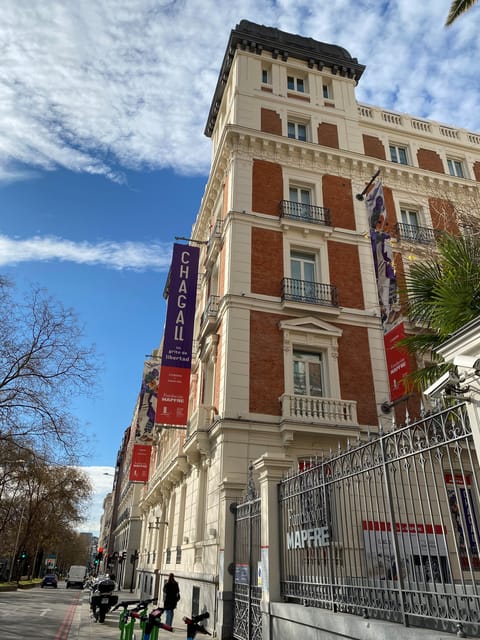
- Two temporary exhibitions through May 17, 2026: Anders Zorn and Helen Levitt
- Free audio guide in English and Spanish via QR code, using your phone
- Headphones are required, and the counter sells jack-type headphones for €1
- A clear time period focus across painting, photography, and sketches: late 1800s to mid 1900s
- Zorn’s career story spans Europe, the U.S., and Spain, including a noted connection to Joaquín Sorolla
- Levitt’s work is extensive: nearly 200 pieces across nine sections
Fundación MAPFRE: a calm place to see photography with context
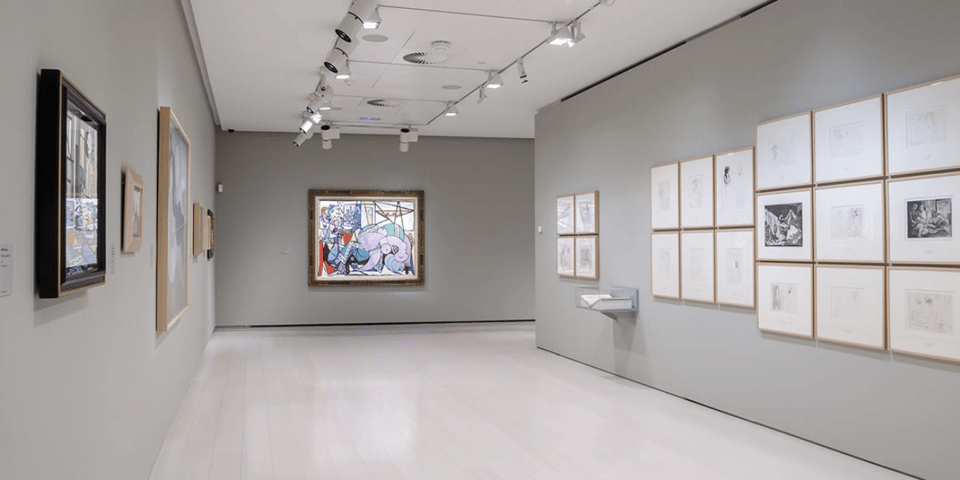
This is not a “zip in, snap pics, zip out” kind of museum. Fundación MAPFRE is set up so the photography is part of a bigger conversation about art-making, everyday life, and how images were used in the late 19th and early 20th centuries. If you like seeing photographs alongside paintings and sketches, you’ll feel at home here.
What makes it especially practical is the structure of a one-day visit. You can treat it like a focused museum day by picking one temporary show as your backbone, then drifting through the galleries that connect the time periods and themes. And with a free audio guide, you don’t need to guess what you’re looking at.
You can also read our reviews of more museum experiences in Madrid
Temporary exhibitions you can plan your visit around (until May 17, 2026)
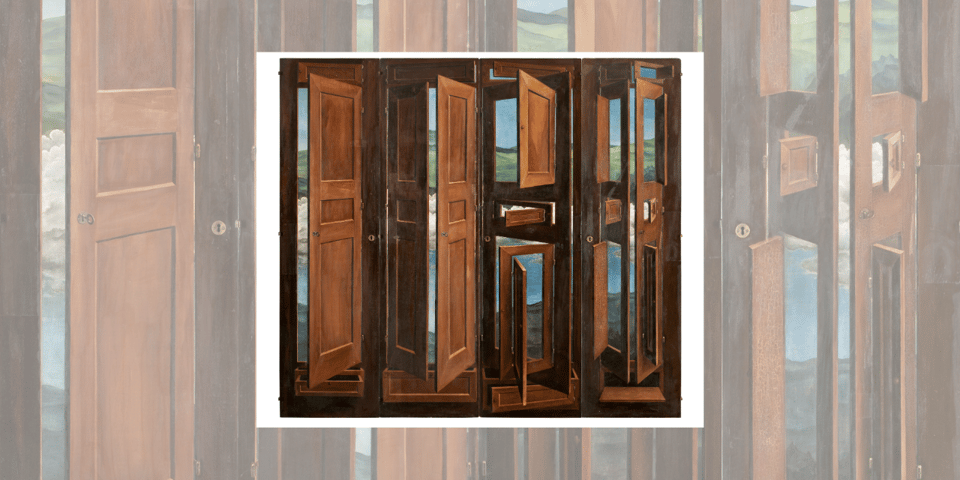
If you want one clear reason to schedule this stop, it’s the current temporary programming. Until May 17, 2026, you can see two strong exhibitions by major artists.
Anders Zorn. Traveling the World, Remembering the Land
This show follows Anders Zorn (1860–1920), a Swedish painter who became famous across Europe and beyond. You’ll see how he built his reputation through portraiture of important people, plus his technical skill across oil, watercolor, and printmaking. If you enjoy the “how did they learn to do that?” side of art, the mix of mediums matters.
The exhibition traces his path from early watercolors and time in England to Paris, where Impressionism influences how he consolidated his reputation. Then it follows his travels to the United States, and his later return to Mora, where he focused on everyday Swedish life.
Zorn’s Spanish connections are part of the story too. The exhibition includes his Spanish works and his artistic connection with Joaquín Sorolla, which adds a useful bridge if you’ve spent any time in Madrid looking at Spanish painters.
Helen Levitt
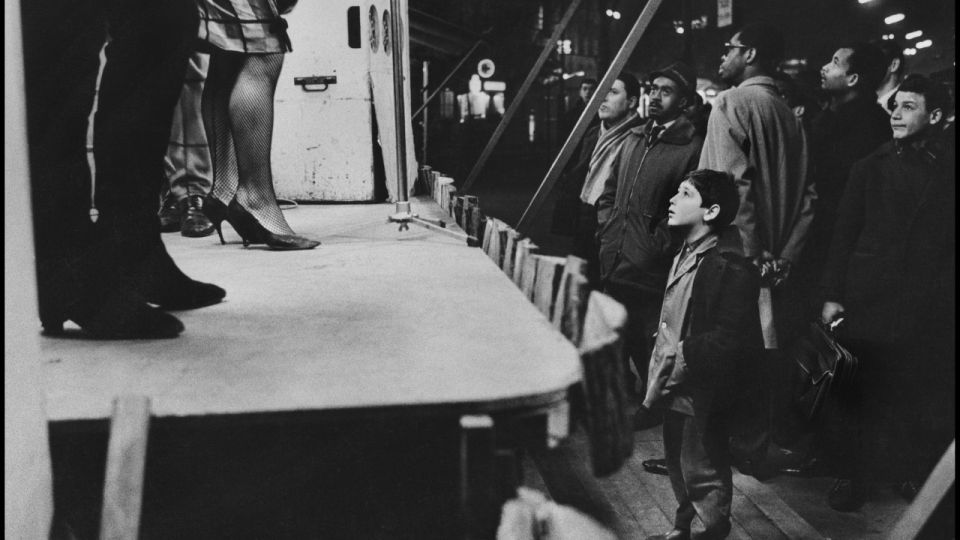
Helen Levitt (1913–2009) focuses on urban life through photography, especially the streets of New York. She started photographing at the end of the 1930s and built a long-running project centered on children at play, everyday gestures, and scenes from working-class neighborhoods.
In this exhibition, you’ll see nearly two hundred works organized across nine sections. The goal is to show the range of her career, from early photographs to cinematic explorations. If you like images that feel honest rather than staged, Levitt is a strong match.
Permanent galleries: the late-1800s to mid-1900s thread
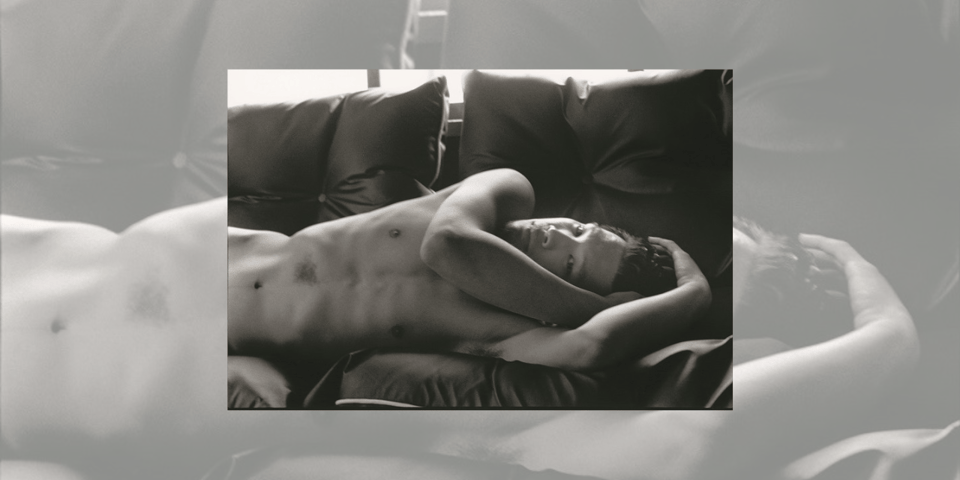
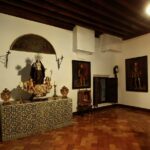
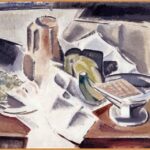
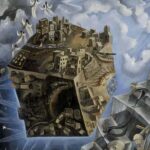
Even if you come for the temporary shows, plan time for the permanent areas. The museum’s focus covers a stretch of visual culture from the late 19th century into the mid 20th century, and you’ll encounter painting, photography, and sketches in the same overall world.
That matters because photography didn’t evolve in a vacuum. Seeing it placed next to other media helps you notice something quick: images are not only about what’s pictured. They’re also about technique, audience, and the way artists document society.
If you’re a first-time museum-goer for photography, this approach is a big plus. It gives you context without feeling like a textbook.
You can also read our reviews of more photography tours in Madrid


How to walk the space without feeling rushed
You’ll do best if you arrive with a simple plan: pick one temporary exhibition as your main priority, then give the rest of the time to the permanent galleries and the other show at a slower pace.
Here’s a practical rhythm I’d follow:
- Spend your first pass on one temporary exhibition, reading labels and using the audio guide for the moments you care about most.
- Take your second pass through the other temporary show, aiming for fewer works but more attention per work.
- Finish in the permanent galleries, where you can “trend spot” across painting, photography, and sketches.
A useful tip from a visitor’s perspective: some people really liked how the space is organized and how lighting helps you see the works clearly. That’s exactly what you want in photography-focused exhibitions, where small tonal shifts and fine detail can change the whole experience.
Also, one past visitor mentioned enjoying a Leonora Carrington highlight and liked how many works were shown together, plus moments that reminded them of Bosch. Since programming can change, don’t count on that exact comparison being there now, but it’s a good reminder that the museum sometimes pairs unusual themes and strong visual storytelling.
Audio guide and headphones: small tech rules that matter
The audio guide is included, and it’s free in English and Spanish. You’ll access it via a QR code available in the room, so your phone is your key.
Two practical things to plan for:
- You need a device with an active mobile internet connection for the QR audio. If you don’t have data, you can connect to the museum’s free Wi‑Fi.
- Headphones are required so you don’t disturb other visitors.
The counter sells headphones for €1 (jack type). If you rely on buying there, you might need to wait depending on availability, so I’d bring your own if you can. This is one of those “small rule, big comfort” details that can make or break a calm museum visit.
When you’re using the audio guide, don’t feel like you must listen to everything word-for-word. Treat it like a filter. Use it for the pieces that catch your eye, and skip when you’re getting the gist from the label and your own observation.
Anders Zorn: what to look for beyond the fame
If you’ve heard of Anders Zorn, you might know him as a major name in European painting. This exhibition adds useful layers by showing the career choices behind the reputation.
Start by tracking his range across mediums. The show highlights his virtuosity in oil, watercolor, and printmaking, which helps you understand his versatility. That’s not just a trivia point. Different mediums push different styles and different kinds of detail.
Next, pay attention to the career arc:
- early watercolors and the period in England
- consolidation in Paris, influenced by Impressionism
- travels to the United States
- the return to Mora, focused on everyday Swedish life
That last shift is worth slowing down for. It gives you an easy theme to remember: a famous artist can still choose to concentrate on the local, the ordinary, and the daily rhythms around home.
Finally, don’t skip the Spanish section. The exhibition includes Spanish works and his connection to Joaquín Sorolla. Even if you’re not a specialist, the name link helps you connect what you’re seeing to broader Spanish art contexts you might have already encountered in Madrid.
Helen Levitt: urban photography that feels personal and social
Helen Levitt’s exhibition is built around a particular kind of looking. These photographs are about street life, but not in a flashy way. The key is her focus on children, everyday gestures, and working-class neighborhoods, turning scenes from daily life into something you can keep thinking about.
Use the nine sections as your guide. Instead of trying to see everything in one frantic pass, choose a section and let it teach you her approach. You’ll likely notice recurring “micro-stories”: a pose that feels spontaneous, a moment of attention between people, a sense of movement that still reads clearly on the wall.
Because the exhibition covers nearly two hundred works, it can feel like a lot. The way it’s organized helps. Treat it like chapters, not like one continuous stream. When you feel your brain slowing down, that’s when you should switch rooms or switch from audio to reading and just looking.
If you like photography with a social commitment, this is the part where Levitt can really connect. Her work isn’t only about aesthetics. It’s also about documenting real people and real neighborhoods over years.
Value for money: how $5 fits into a Madrid museum day
A $5 ticket is the kind of price that changes your decision. It means you don’t have to over-plan. You can fit this between other sights without turning it into a big budget stress.
But value isn’t only cost. Here, the value is in the pairing: two major temporary exhibitions plus permanent galleries in one place. You’re not paying just for a single show. You’re paying for the chance to compare how different artists handle similar themes—people, daily life, and visual storytelling—across media.
One practical caution from the booking experience side: at least one person said they expected entry to be free but were charged entry instead. I can’t confirm why that happened, but it’s a good reminder. Before you go, double-check what’s included in your ticket and whether any promotions apply to your time slot.
Who should book this photography day in Madrid
This experience is a strong fit if you:
- want photography exhibitions with serious art context (not only images in isolation)
- enjoy seeing painting and sketches next to photography
- like urban photography, especially long-term projects like Levitt’s
- want a one-day museum stop with a plan that’s easy to follow
You might enjoy it less if you only want one short photo moment and nothing else. The exhibition spaces include a broader visual-arts program, and you’ll get more out of it if you’re okay spending a couple hours settling in.
Should you book Fundación MAPFRE for your Madrid day?
I think it’s worth booking if you care about photography, especially if you’re in Madrid during the Anders Zorn and Helen Levitt window. For the price, you’re getting two major exhibitions plus permanent galleries with a consistent time period focus from the late 1800s into the mid 1900s.
If your phone battery is fragile, bring a charger or power bank. If you hate headphone rules, bring your own earbuds and skip the €1 purchase line. And if you’re price-sensitive, do a quick double-check that your ticket matches what you expect to pay for entry.
Bottom line: book this if you want an art-and-photo day that feels intentional rather than rushed, with audio guide support that makes it easier to understand what you’re seeing.
FAQ
Where is Mapfre Foundation in Madrid?
It’s located in the Community of Madrid, Spain.
How much does the ticket cost?
The price listed is $5 per person.
How long should I plan for this visit?
It’s a 1-day activity.
What can I see at Fundación MAPFRE?
You’ll find permanent and temporary exhibitions of visual arts and photography, including artworks, photography, and sketches focused on the late-19th to mid-20th century period.
What temporary exhibitions are available through May 17, 2026?
The temporary exhibitions are Anders Zorn. Traveling the World, Remembering the Land and Helen Levitt.
Is there an audio guide, and what languages are available?
Yes. The audio guide is included and available in English and Spanish, accessed via a QR code in the room.
Do I need mobile data for the audio guide?
The QR code audio guide requires an active mobile internet connection. If you don’t have mobile data, you can connect to the free Wi‑Fi available in the space.
Are headphones required?
Yes. Headphones are required to avoid disturbing other visitors. You can bring your own, or buy jack-type headphones for €1 at the ticket counter.
How do I get in using a voucher?
You’ll exchange your voucher at the ticket desk.
Is the venue wheelchair accessible?
Yes, the activity is wheelchair accessible.