REVIEW · MADRID
Madrid: Monastery of Descalzas Reales Tour with Tickets
Book on GetYourGuide →Operated by Rutas Madrid · Bookable on GetYourGuide
Royal art behind plain walls.
I love how the tour lets you study Rubens and other standout masters up close in a place that still feels quietly real, not staged. I also like that you’re walking through an active convent founded by Joanna of Austria, where the church’s daily life continues with the cloistered nuns singing religious offices.
One drawback to consider: at about $40, the price may feel steep if you were planning to buy entry on-site and move at your own pace. If you strongly prefer flexible, independent touring, you may want to weigh the skip-the-line and guided value carefully.
Still, the experience is straightforward: meet at the Monasterio de las Descalzas Reales, enjoy a guided visit (about an hour), and finish with drop-off back near the monastery or at Plaza de la Villa.
In This Review
- Key points to know before you go
- What Makes Las Descalzas Reales Worth Your Hour
- Price and Logistics: Is This Tour Good Value?
- Entering the Convent: From Sober Facade to Painted Interiors
- The One-Hour Guided Visit: Chapels, Choir, and What You’ll Actually See
- Baroque Art Highlights: Rubens, Luca Giordano, and Crecenzi
- The Main Staircase and 16th–17th Century Murals
- Where You Go and Where You End: Meeting Point and Drop-Offs
- Who This Tour Fits Best (and Who Should Skip It)
- Final Verdict: Should You Book the Descalzas Reales Guided Tour?
- FAQ
- FAQ
- How long is the Monastery of Descalzas Reales tour?
- What’s included in the price?
- Is hotel pickup or drop-off included?
- Where does the tour start?
- Where do you get dropped off after the tour?
- What languages are offered?
- Are drinks included?
- Is the tour suitable for people with mobility impairments?
- Is there free cancellation?
- Can I reserve without paying right away?
Key points to know before you go
- Skip-the-line tickets mean less waiting and more time inside.
- You’ll see major Baroque names tied to the monastery’s collections, including Rubens, Luca Giordano, and Crecenzi.
- The convent has been in use for over three centuries, not just preserved as a museum.
- The building’s contrast is part of the magic: a sober facade outside, richly decorated interiors inside.
- Expect chapels, artworks, and the church setting where the cloistered nuns carry on their role through song.
- The visit is short and focused, so it works well as a high-impact add-on to a packed Madrid day.
What Makes Las Descalzas Reales Worth Your Hour
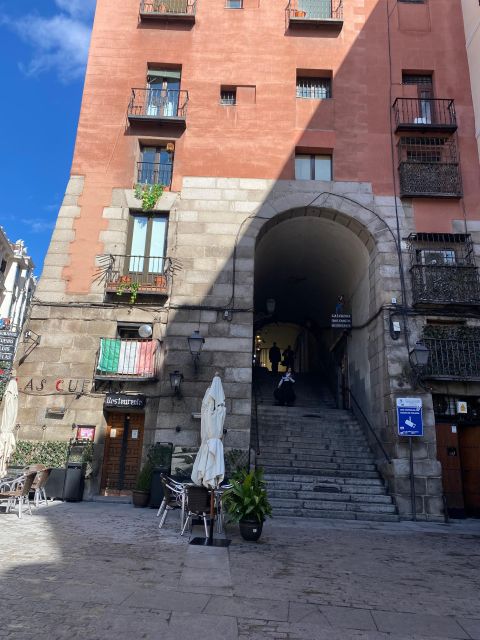
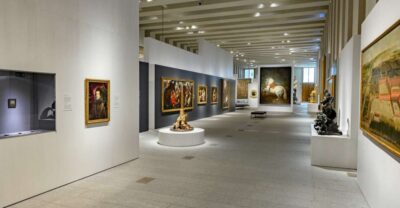
The Monastery of Descalzas Reales is one of those Madrid stops that looks modest from the outside, then quietly shocks you once you’re inside. The facade is restrained. The rooms are not. You’re surrounded by wall paintings and religious artworks, plus collections like nativity scenes and reliquaries that show how deeply art and devotion have been intertwined here.
This is also a living site. The monastery was founded by Joanna of Austria, and it remains in religious use. That matters because it changes the tone of your visit. Instead of everything feeling like a static showpiece, you get a sense of routine and continuity. The tour guide helps you connect the visual details to the monastery’s role over time, including the idea that this is cultural heritage that still has purpose.
It’s not a “wander for hours” kind of place. You’re here for a curated guided experience—about a hour of touring—plus time around it. If you love art, religious history, or simply seeing Madrid’s layers in a compact format, it’s a good fit.
You can also read our reviews of more tours and experiences in Madrid


Price and Logistics: Is This Tour Good Value?
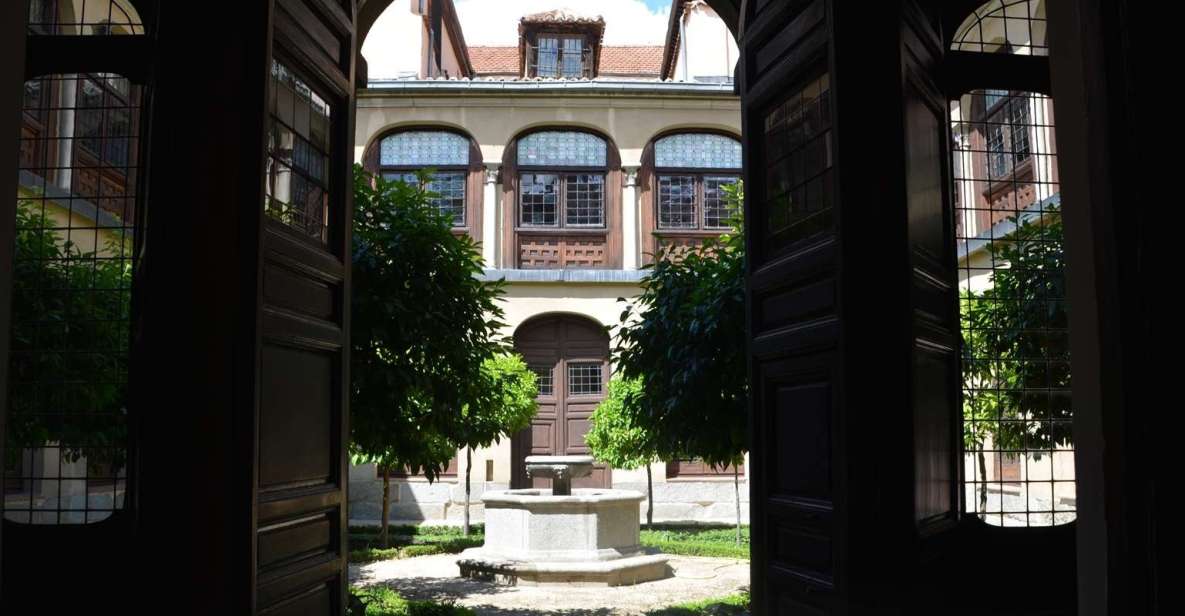
The tour price is listed as $40 per person, with tickets included and a skip-the-line benefit. You also get an official guide, and you’re not paying extra for the entrance itself.
Here’s the practical way to judge value for yourself:
- If you tend to hate lines, the skip-the-line part can be worth real money in lost time.
- If you want context—what you’re looking at, why it matters, and what to notice—the official guide justifies paying for narration instead of reading plaques.
- The main reason people question pricing is simple: they compare it to the entrance price on-site and feel surprised by the gap. In one case, a visitor said they noticed an on-site entrance cost of about €8, which makes the tour fee feel high if you think you’ll enjoy the place without a guide.
My advice: if you’re the type who stands in front of a painting and wants the story without doing homework, the guided value usually lands well. If you’re more independent, you might prefer buying entry directly and going slower. Either way, compare what you’re paying for: time saved plus interpretation.
Entering the Convent: From Sober Facade to Painted Interiors
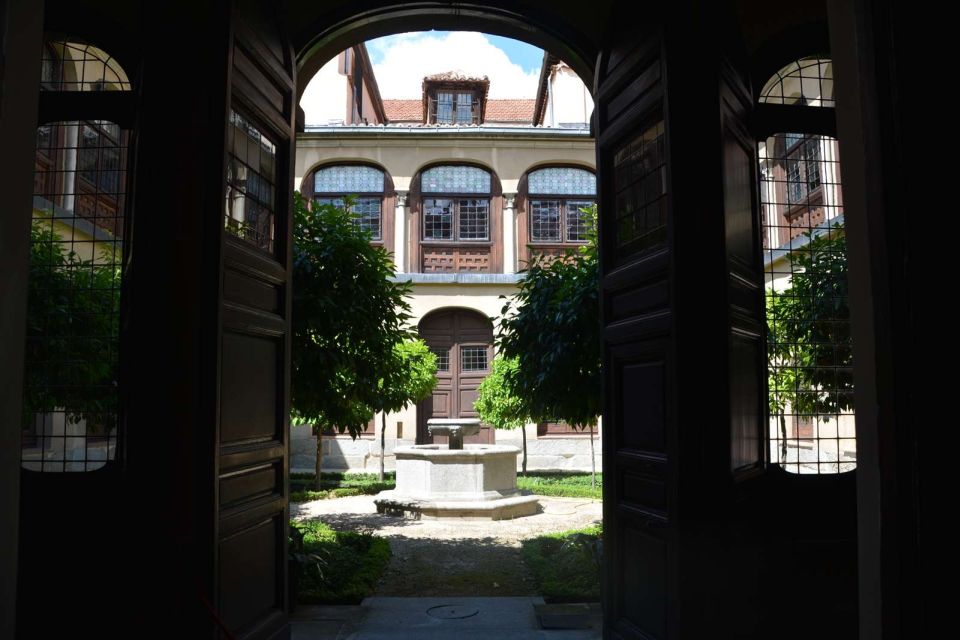
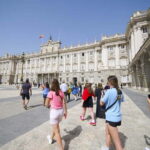
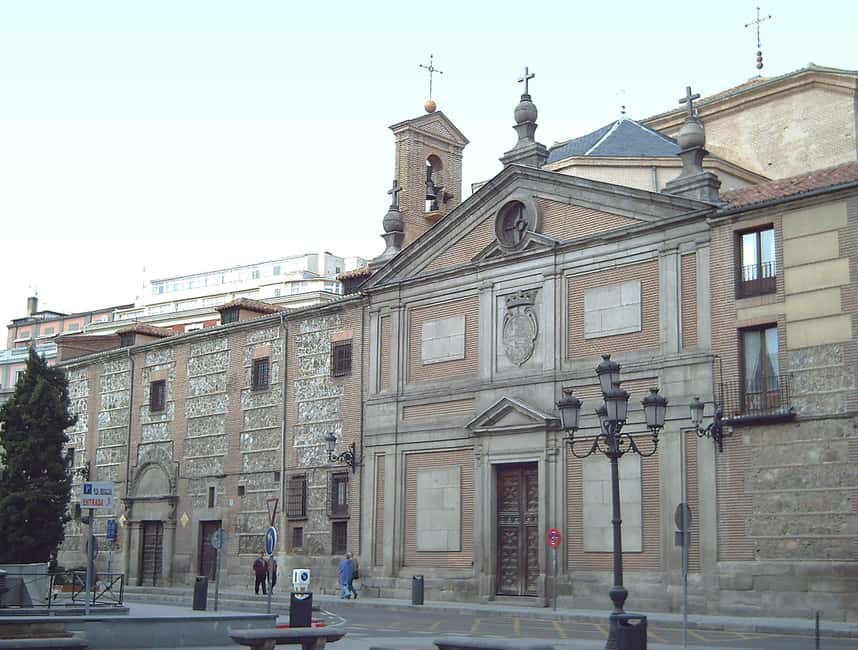
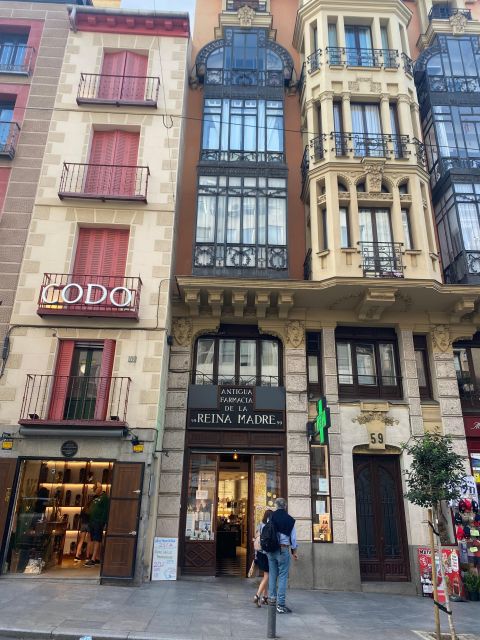
You start at the Monasterio de las Descalzas Reales. Even before you get into the rooms, you get a sense of contrast. Outside, the monastery reads as sober and controlled—almost like it’s asking you to lower your volume before entering. Then you step into spaces that are visually busy in the best way: wall paintings, sculptural detail, and collections that reflect the monastery’s long life.
This place is an excellent example of why guided tours can be more than just a talking head. Without guidance, you might still enjoy it—but you’d likely miss the “what to look for first” logic that makes the interior click. With the guide, you’re pointed toward key areas like chapels and the main routes through the historic building.
The monastery is listed as cultural heritage, founded by Joanna of Austria, and it’s essentially a palace-house and convent world that evolved over centuries. The effect is part museum, part sacred space, part historical home. That blend can be intense if you’re rushing, but it’s a dream if you take your time and let the guide pace you.
The One-Hour Guided Visit: Chapels, Choir, and What You’ll Actually See
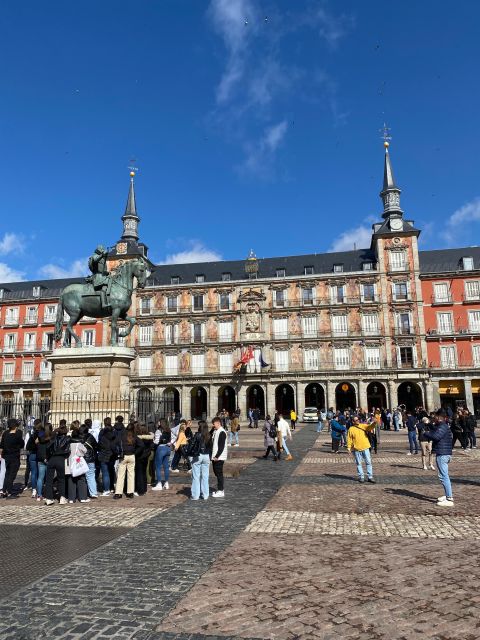
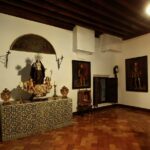
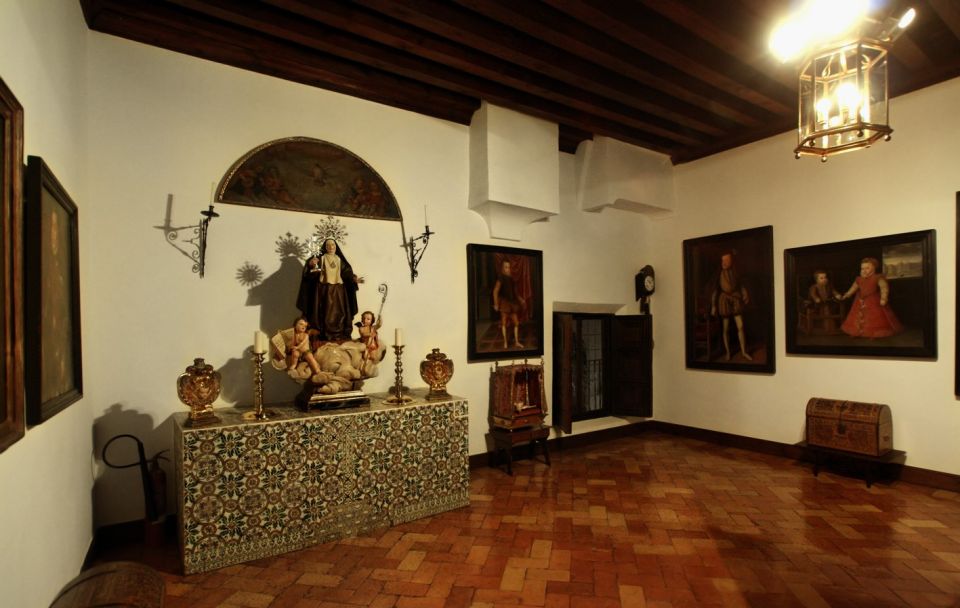
The heart of the experience is a guided tour of about an hour. During that time, you move through areas that show how the monastery organizes sacred space. You’ll spend time around the chapels, which feature different sculptures and paintings. Each chapel isn’t just decoration; it’s like a mini lesson in how devotion, patronage, and art technology came together.
You’ll also get to the choir area, where the cloistered nuns sing for the religious office of the church. That’s one of the most meaningful parts of the visit because it turns the art into something more than visual culture. It becomes tied to living practice. Even if you don’t know every detail of the liturgy, the setting communicates continuity: the music and the space belong to daily routine, not a performance scheduled for tourists.
A practical tip: because this is a religious interior, you’ll want to keep your pace calm and your attention steady. The tour works best when you’re willing to stop, look, and listen for what the guide points out.
Drawback to plan around: the activity is not suitable for people with mobility impairments. If you need step-free access or have limited ability to stand for stretches of time, this is one you should skip or ask the operator about alternatives before booking.
Baroque Art Highlights: Rubens, Luca Giordano, and Crecenzi
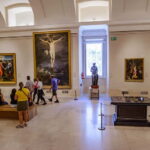
If you’re drawn to Baroque art, this is a major reason to book. The monastery’s collection includes works associated with Rubens, plus artists named in the tour highlights such as Luca Giordano and Crecenzi. Seeing those names attached to real rooms—not just in a museum catalog—helps you understand how powerful these artists were across courts and religious institutions.
What I like about this kind of art stop is that you aren’t just looking at paintings in isolation. You’re seeing them in a context that influenced how they were meant to function. Religious art in convent spaces wasn’t only about beauty. It supported reflection, guided emotion, and marked spiritual life. The guide helps translate that into something you can actually notice while you’re standing there.
You can also expect variety in the decoration: beyond paintings, you’ll encounter reliquaries and nativity scenes, plus wall paintings that give the buildings a sense of layered time. It’s a lot to process in an hour, but that’s exactly why having someone point out what to focus on matters.
If you’re an art lover, come with one simple strategy: pick two or three artists or types of art you care about most, then let the guide fill in the rest around those anchors. That keeps your brain from doing the overload thing.

The Main Staircase and 16th–17th Century Murals
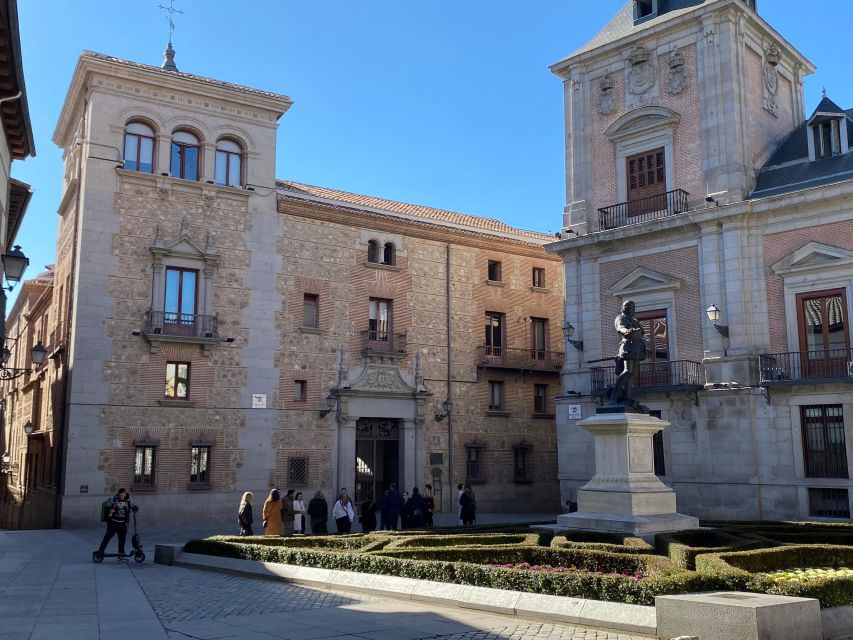
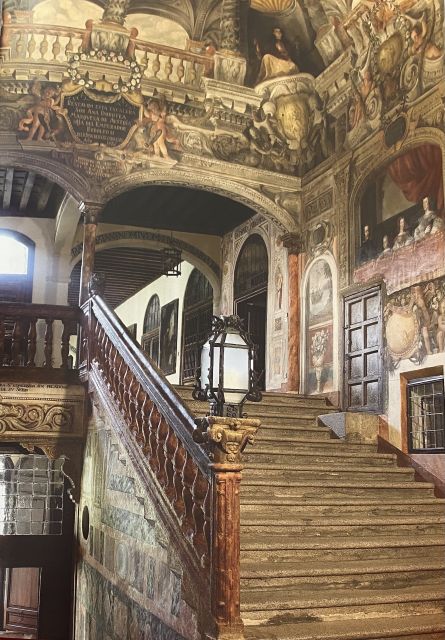
One standout feature is the main staircase from the monastery’s original palace-house. The staircase is decorated with mural paintings from the 16th and 17th centuries. That matters because staircases are where people slow down without realizing it. They’re a built-in pause point, and here that pause is turned into visual storytelling.
Even if you think you’re only coming for chapels and paintings, the staircase is one of those “pause and look” moments that makes the building feel like a complete world. Murals from that period also help you frame what you’re seeing elsewhere. You start to notice how art styles and devotional themes shift across time, even within one location.
When your guide points out these mural details, you’ll usually get a better grasp of what you’re looking at—how the imagery relates to the monastery’s identity and era. That kind of interpretation is a big part of why a guided tour can feel more satisfying than self-guided wandering.
Where You Go and Where You End: Meeting Point and Drop-Offs
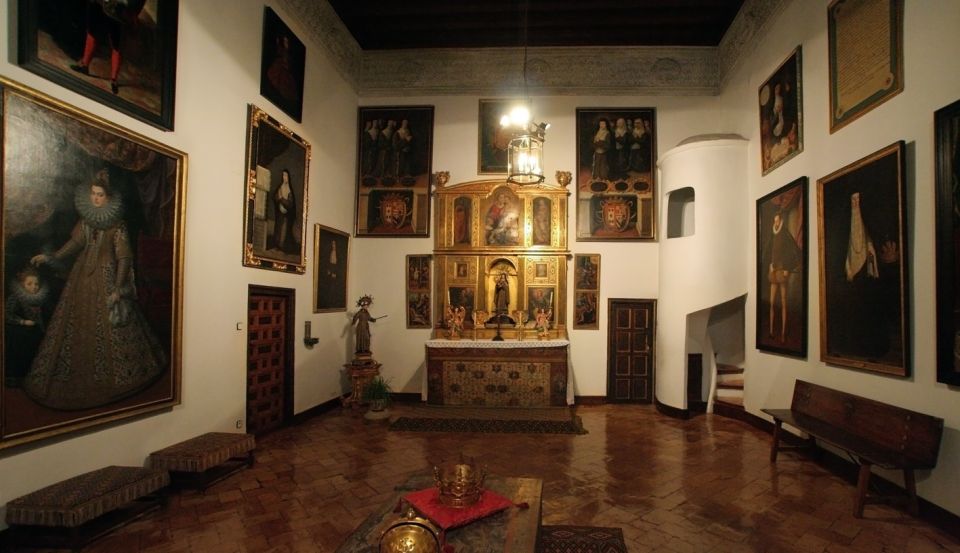
You’ll start at the Monasterio de las Descalzas Reales. The experience includes tickets and an official guide, so you’re not coordinating access on your own. At the end, your drop-off options include Monasterio de las Descalzas Reales and Plaza de la Villa.
This is useful for planning your day. Plaza de la Villa sits in an area with plenty to do afterward, and dropping you there can help you avoid a dead-end return trip. If your Madrid day already includes nearby sights, having a convenient end point can make the tour feel like a smooth, efficient stop rather than a detour.
Also remember: there’s no hotel pickup or drop-off included, and drinks aren’t part of the tour. So you’ll want to factor in your own water/snack plan if you’re pairing this with other walking-heavy sights.
Who This Tour Fits Best (and Who Should Skip It)
This is a strong choice if you want:
- Baroque art connected to a real religious setting
- an hour-long structure that helps you see more than you’d manage alone
- an experience centered on an active convent founded by Joanna of Austria
- a guided explanation of what makes certain chapels and artworks important
It may not be the best choice if:
- you need step-free accessibility, since it’s marked as not suitable for mobility impairments
- you dislike guided tours and prefer to read at your own speed
- you’re trying to stretch your budget and want the lowest entry cost possible
If you’re the type who loves a “high density” art visit, this fits nicely. If you’re looking for long, meandering museum time, it might feel short—though that shortness can also be a plus when your schedule is tight.
Final Verdict: Should You Book the Descalzas Reales Guided Tour?
I’d book it if your priority is getting the most meaning out of a short time. The combination of skip-the-line tickets plus an official guide is the core value: you’re paying to reduce waiting and to understand what you’re seeing in a place with centuries of living tradition. The artwork names—Rubens, Luca Giordano, Crecenzi—are big enough that I’d rather have context than just a quick glance.
I’d pause before booking if you’re price-sensitive and you’re happy to visit independently. The tour cost can feel hard to swallow if you compare it to the on-site entrance price you might find posted. In that case, decide whether you’re paying mainly for convenience (skip the line) or interpretation (the guide). If you’ll enjoy art more with a guide holding the thread, the tour is a good use of money. If you don’t need that help, self-guided entry may satisfy you.
FAQ
FAQ
How long is the Monastery of Descalzas Reales tour?
The visit runs about 1 to 2 hours total, with the guided tour itself listed as 1 hour. Starting times depend on availability.
What’s included in the price?
Your price includes tickets, a skip-the-line benefit, and an official live guide.
Is hotel pickup or drop-off included?
No. Hotel pickup and drop-off are not included.
Where does the tour start?
The starting location is Monasterio de las Descalzas Reales.
Where do you get dropped off after the tour?
Drop-off locations include Monasterio de las Descalzas Reales and Plaza de la Villa.
What languages are offered?
The tour guide is available in Spanish and English.
Are drinks included?
No, drinks are not included.
Is the tour suitable for people with mobility impairments?
No. The experience is marked as not suitable for people with mobility impairments.
Is there free cancellation?
Yes. You can cancel up to 24 hours in advance for a full refund.
Can I reserve without paying right away?
Yes. The option includes reserve now & pay later, meaning you can book your spot and pay nothing today.