REVIEW · MADRID
Prado Museum VIP tour with an art Expert, tickets included
Book on GetYourGuide →Operated by BEST MADRID TOURS · Bookable on GetYourGuide
A great museum day starts with a plan, not a ticket. This Prado VIP tour gives you a guided, chronological route with an art expert who knows how to explain what you’re actually looking at. I like the clear focus on Velázquez, Bosch, and Goya, plus the way the guide connects technique with history so the paintings make more sense fast. One thing to keep in mind: the Prado is huge, so in 2.5 hours you’ll see the big ideas and highlights, not everything.
You also get the practical perks that matter at the Prado: express security, included entry tickets, and a meeting point that’s easy to find once you know the landmark. Guides such as Maria and Ignacio are called out in past bookings for translating art history into something you can actually feel, not just memorize. If you want to linger in every room for hours, this might feel a bit like a focused lecture with art breaks, not a slow wander.
In This Review
- Quick hits you’ll feel on day one
- Meet Goya, then move fast inside the Prado
- A chronological Prado route that makes the museum feel logical
- Velázquez: beyond the famous faces
- Bosch’s Garden of Earthly Delights: symbols you can actually decode
- Rubens: where Baroque energy shows up in the brushwork
- Goya’s masterpieces and the Black Paintings mood shift
- Tickets included, skip security, and an art expert at $130
- What the 2.5 hours feels like (and what you’ll likely skip)
- Best for you if you want meaning, not just art names
- Should you book the Prado Museum VIP tour with an art expert?
- FAQ
- Where is the meeting point for the Prado VIP tour?
- Does this tour include museum entry tickets?
- How long is the tour?
- What language is the guided tour offered in?
- Does it help you avoid lines at the museum?
- Is the tour wheelchair accessible?
- Can I cancel if my plans change?
Quick hits you’ll feel on day one
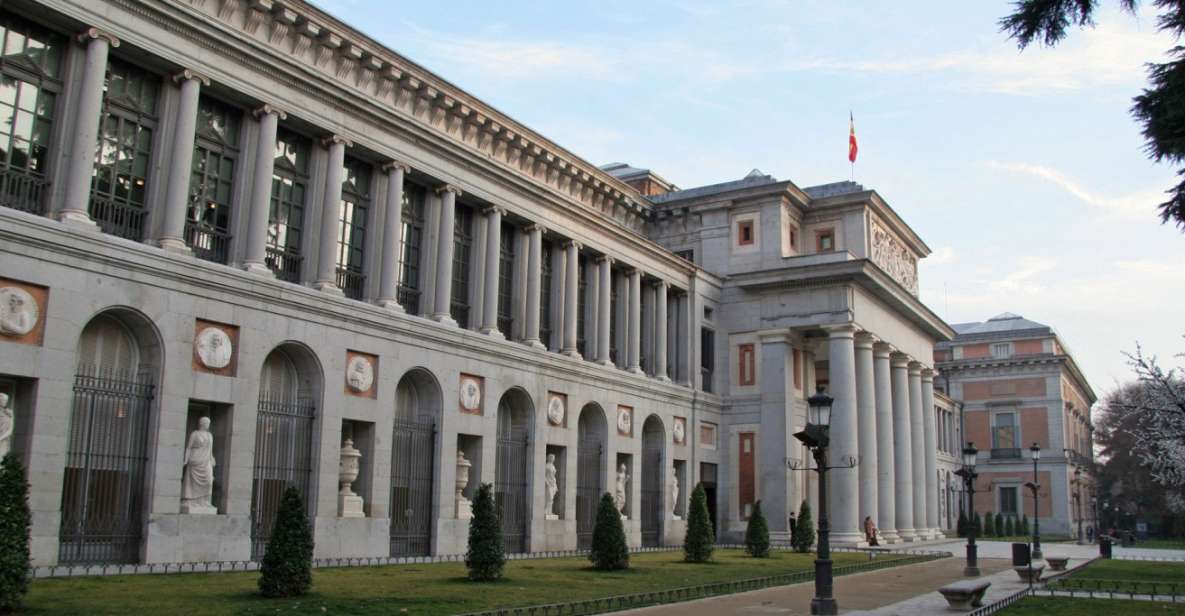
- Meeting at Goya’s statue makes it hard to get lost before the tour even starts.
- Skip the express security check helps you get into the museum without the usual time squeeze.
- Chronological route runs from medieval roots toward the 18th century, so eras click together.
- Velázquez, Bosch, Rubens, and Goya get concentrated attention, not scattered mentions.
- Art professor-level explanations cover meaning plus materials and techniques, not just names.
- Private group keeps the pacing more human, with bilingual English/Spanish guidance.
Meet Goya, then move fast inside the Prado
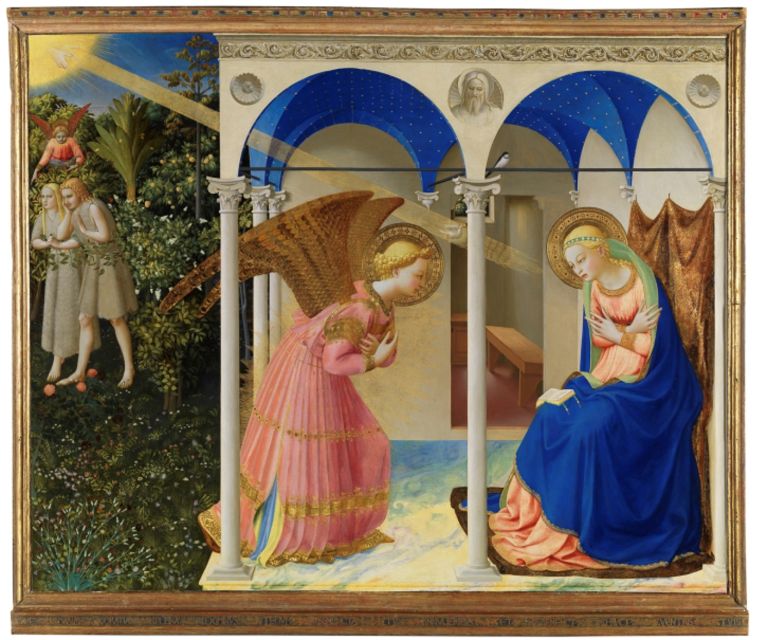
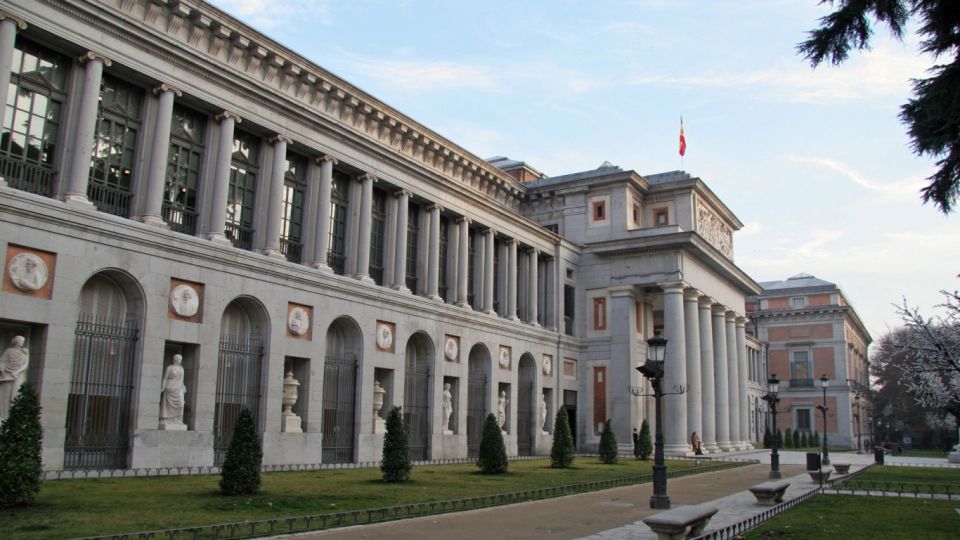
Your tour starts at a very specific landmark: Goya’s statue, right in front of the Prado main ticket office area. The guide will be there, so you’re not playing guess-the-person with a sea of visitors. It’s a small detail, but it reduces that pre-tour stress that eats into your museum energy.
Once you’re with the group, the VIP part kicks in. You’ll go through express security rather than lining up the slow way. The Prado is popular, so time saved at security is real time gained once you’re looking at paintings instead of waiting under museum rules.
There are also a few comfort-friendly touches. The tour is wheelchair accessible, it’s children friendly, and there’s free bag storage, so you can walk around without hauling everything. For families and people with mobility needs, those small logistics add up quickly.
You can also read our reviews of more tours and experiences in Madrid


A chronological Prado route that makes the museum feel logical
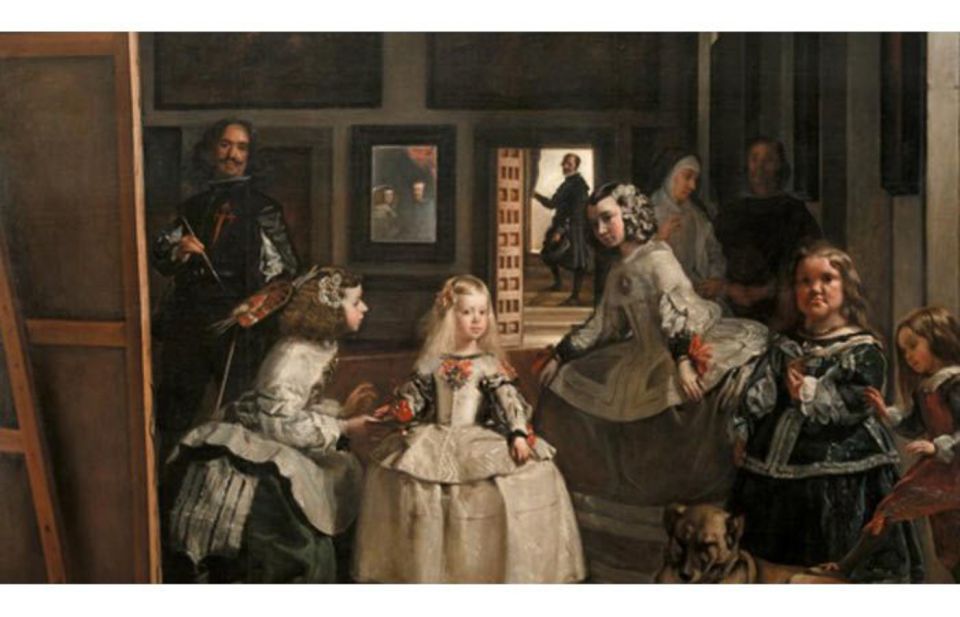
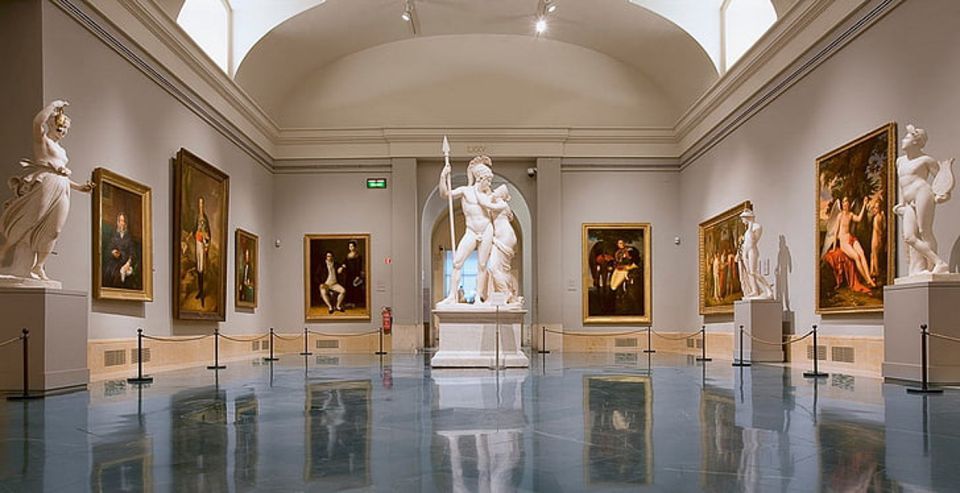
The Prado can feel like a maze if you show up with only a list of famous names. This tour solves that problem by going chronological, starting from medieval painting and working your way toward the 18th century. That approach changes how you read each room. Instead of asking what’s famous, you start asking how ideas changed.
You’ll also hear about the big artistic shifts across time, moving from older traditions through later styles. The guide’s job here is not to rattle off dates. It’s to connect eras so you notice patterns: how religious themes fade or transform, how realism gains power, and how later masters take bigger risks with mood and composition.
One reason I like this structure is that it helps you avoid the classic museum trap. You don’t just spot a recognizable face and move on. You start seeing what came before it, and what it’s reacting to. That makes the highlights land harder.
Velázquez: beyond the famous faces

Velázquez is one of those painters people recognize instantly, even if they don’t know the title of the artwork. The tour gives him the kind of attention he deserves, including an emphasis on technical choices and the cultural context behind them.
What you’ll likely take away is that Velázquez isn’t only about looking real. He’s about how realism is constructed. You get explanations that focus on materials and techniques, so when you look closely you’re not just seeing an image. You’re seeing how the paint and method create depth, light, and presence.
This is also where the guide’s art-education tone becomes useful. Instead of turning the Prado into a speed-run of captions, the guide walks you through why the paintings work. You learn how court portraiture, power, and everyday observation can share the same canvas. Even if you’re not a hardcore art fan, you can usually feel the difference once you know what to look for.
If you care about the “how” of painting, this section is a real payoff. Velázquez rewards close looking, and this tour teaches you how to close the distance in a practical way.
Bosch’s Garden of Earthly Delights: symbols you can actually decode
Hyeronymus Bosch is famous for being weird in a good way. This tour leans into that, with a dedicated focus on the Garden of Earthly Delights area. The point isn’t to force one single interpretation on you. It’s to give you tools so you can follow the imagery without getting lost.
You’ll get guided attention to what the scenes suggest and how the painting’s details create meaning. Bosch is full of small forms that feel like they’re doing different jobs at once—story, satire, warning, and spectacle. With the guide’s explanations of context, you can start to see connections instead of treating it as a single chaotic picture.
I also like that the tour frames Bosch in a longer artistic story. When you see where he fits in the timeline, you understand that his style isn’t just a one-off. It’s part of how visual thinking evolved during his era. You’ll leave with a stronger sense of why later painters and viewers kept returning to Bosch’s imagination.
Practical tip: give yourself permission to look slowly here. This is not the place to scan. Spend time on recurring motifs, and let the guide point out what to notice first. You’ll get more out of the 2.5 hours by focusing your time where the tour steers you.
Rubens: where Baroque energy shows up in the brushwork
Rubens often gets grouped with the biggest names, but it’s easy to miss what makes him different if you’re only chasing fame. The tour brings him into the story with attention to how the Baroque attitude changes the painting experience—more movement, more drama, more push-and-pull between figures.
This section matters because it sits in the timeline where art starts to feel louder. The guide’s focus on meaning and technique helps you see how that energy is built. You’re not just told that Baroque is dramatic; you’re shown the mechanics of it through explanation.
You’ll also benefit from having the route already set up. When Rubens arrives, you’ve already seen earlier approaches to form and composition. That makes the shift feel clearer, not random.
If you’re the type who likes “why does this look like it’s moving,” Rubens is your friend. Let the guide’s pointers pull you toward the details that create motion on a flat surface.
You can also read our reviews of more tours and experiences in Madrid



Goya’s masterpieces and the Black Paintings mood shift
Goya is where many people feel the museum turning darker. This tour includes his masterpieces and his Black Paintings, which is a key reason it earns its VIP label. Goya doesn’t just bring a new style. He brings a new emotional temperature.
The guide’s job here is to help you understand what you’re looking at without turning it into a purely academic exercise. You’ll get context about the era, plus explanations that connect meaning and technique. When you know what to look for, you don’t need to guess why certain images feel heavy.
What I like most about Goya in this kind of guided setting is that the paintings stop being background noise. You notice contrasts—how expression changes, how scenes can feel both specific and unsettling. The tour’s chronological flow also helps here. You can feel the arc from earlier art ideals into something more psychologically charged.
The Black Paintings portion is especially worth your full attention if you like art that refuses comfort. Give it your steady focus, and you’ll understand why people talk about it long after they leave the museum.
Tickets included, skip security, and an art expert at $130
At $130 per person for about 2.5 hours, you’re paying for three things: included entry tickets, express security, and real interpretation from a fine-arts specialist. That combination matters at the Prado, where time wasted inside lines is time stolen from the paintings.
This isn’t the cheapest way to see the Prado. But if you value guidance, the math usually works in your favor. You’re not spending your museum time figuring out what to prioritize. The guide brings focus to the big names, and the explanations are meant to help you understand the paintings’ meanings and methods.
The tour is led by an official certified guide and an expert in fine arts. Past experiences highlight guides such as Maria and Ignacio for high knowledge and the ability to explain both technical and cultural context. That’s exactly what you want in a museum like this, where “what you see” and “what it means” can feel disconnected without help.
Also, because it’s a private group, the pacing is less likely to feel like cattle herded from frame to frame. You get English and Spanish guidance, which helps if you’re traveling with friends or family who want clarity in their own language.
So is it worth it? If you want a plan and expert interpretation, yes. If you want total freedom and long time in every room, you might prefer a self-guided route.
What the 2.5 hours feels like (and what you’ll likely skip)
The Prado can take days. This tour is intentionally shorter. Expect a focused sweep across eras with heavy attention to the major artists named in the experience: Velázquez, Bosch, Rubens, and Goya.
That means you’ll leave with strong highlights and better understanding, but you won’t see everything the Prado offers. You might not hit every room you were curious about before you arrived. The tradeoff is that you’re not wandering with a vague plan, hoping the museum will organize itself for you.
Also, the tour is described as being at your own pace in the sense that you can linger on what matters most while the guide keeps the bigger story straight. In practice, that usually means you get some breathing room to look longer when something catches your attention, instead of being forced forward on schedule.
If you only have a half-day, this tour is a smart way to make that time count. If you have multiple days, I’d still consider it as your “orientation lesson,” then follow up with self-guided time where you want more depth.
Best for you if you want meaning, not just art names
This experience is ideal if you fit one of these categories:
- You want expert help understanding meaning and techniques.
- You like a structured route that moves through eras in order.
- You’re short on time but still want major highlights.
- You’re traveling with kids and want a guide who can keep things clear and engaging.
- You need a wheelchair-accessible plan and straightforward meeting logistics.
It also works well if your group speaks English and Spanish. Bilingual guidance means fewer moments where someone has to “translate in their head” while you’re looking at a painting.
If you already know a lot about art history, you may find the structure especially useful. It gives you a practical way to connect artists and eras without turning the museum into homework.
If you’re totally new to painting, you’ll still be fine. The key is that the guide’s explanations aim at how to look, not just what to memorize.
Should you book the Prado Museum VIP tour with an art expert?
I’d book it if you want to get past the Prado’s size and into its ideas fast. The express security, included tickets, and strong focus on Velázquez, Bosch, Rubens, and Goya make it a high-value use of a half-day.
I’d think twice if your dream day at the Prado is hours of free roaming with no firm structure. This tour is a guided story with stops that matter, not an open-ended wandering marathon.
If you’re deciding between “see a few highlights” and “understand what you’re seeing,” this one leans clearly toward understanding. And that’s the difference between walking through a museum and walking out feeling like you met the artists.
FAQ
Where is the meeting point for the Prado VIP tour?
The meeting point is Goya’s statue, in front of the Prado Museum main ticket office area.
Does this tour include museum entry tickets?
Yes. Entry tickets to the Prado Museum are included.
How long is the tour?
The tour duration is 2.5 hours.
What language is the guided tour offered in?
The tour is offered in English and Spanish.
Does it help you avoid lines at the museum?
Yes. You get skip-the-line access through an express security check.
Is the tour wheelchair accessible?
Yes. The tour is wheelchair friendly and accessible.
Can I cancel if my plans change?
Free cancellation is available up to 24 hours in advance for a full refund.