REVIEW · MADRID
Private: Madrid Historic Centre Food Tour with 10+ Authentic
Book on Viator →Operated by Secret Food Tours · Bookable on Viator
Madrid night tastes better with a guide. This private Madrid Historic Centre food tour strings together classic bites and local drinks in the middle of the city. I love the sheer variety in the tasting lineup (seasonal pastry, Iberian ham, manchego, crispy fried squid sandwich, patatas bravas, tortilla, and a changing daily Secret Dish), and I also like how the drinks are built into the experience, not treated as an afterthought. One thing to keep in mind: the menu and stop order can shift based on availability and weather, and some dietary restrictions may be hard to accommodate, so plan ahead.
You start at 7:00 pm and finish near Calle Mayor, which makes it a strong choice for a night when you want food first and sightseeing second. Expect a fair amount of walking, so good shoes are the real upgrade here.
In This Review
- Key Things I’d Plan Around
- A 7:00 pm Private Start in the Historic Centre
- The Food Route: From Seasonal Pastry to the Secret Dish
- Inside Stop One: How the Guide Builds Your Food Map
- Iberian Ham, Cheese, and the Aperitivo Logic of Madrid
- Plaza Mayor and Puerta del Sol: Sight Stops That Actually Matter
- Chocolatería San Ginés: The Sweet Pause in a Historic Passage
- Mercado San Miguel: Finishing in a Market You’ll Actually Want to Return To
- Price and Value: What You’re Really Paying For
- Practical Tips: Shoes, Dietary Needs, and Weather Reality
- Should You Book This Madrid Historic Centre Food Tour?
- FAQ
- How long is the Madrid Historic Centre Food Tour?
- What time does the tour start?
- Is this tour private or shared?
- What is the tour included in the price?
- Where does the tour start and end?
- Is the tour offered in English?
- Can the tour accommodate dietary restrictions?
Key Things I’d Plan Around
- A private format: it’s just your group, so you get a more flexible pace and Q&A
- A full Madrid tasting arc: pastry to ham and cheese to fried seafood to bravas and tortilla
- The daily Secret Dish: it changes every day, so you’re tasting what the kitchen feels like serving then
- Central landmarks between bites: Plaza Mayor and Puerta del Sol are part of the story, not random sightseeing
- Markets and old passages: you’ll go from San Miguel’s food energy to the Pasadizo de San Ginés area near San Ginés church
A 7:00 pm Private Start in the Historic Centre
This tour is designed as a night plan. Starting at 7:00 pm means you get to trade daytime crowds for calmer street rhythm while shops, markets, and tavernas are ready for evening traffic.
The private setup matters more than you might think. With only your party participating, the guide can slow down for your questions about what you’re eating, or speed up if everyone’s already in “food mode.” It also makes the pacing easier to manage when one person wants to linger on a pastry counter or another needs a quick break before the next stop.
You’ll also get a clear route through the historic core. The tour doesn’t try to be a museum. Instead, it uses famous squares and recognizable streets as waypoints between tastings, so you’re always moving toward the next bite.
And yes, you will walk. Comfortable shoes aren’t a suggestion you ignore on a walking tour in Madrid. Plan for uneven pavement, short distances that add up, and standing time in food spots.
You can also read our reviews of more food & drink experiences in Madrid


The Food Route: From Seasonal Pastry to the Secret Dish
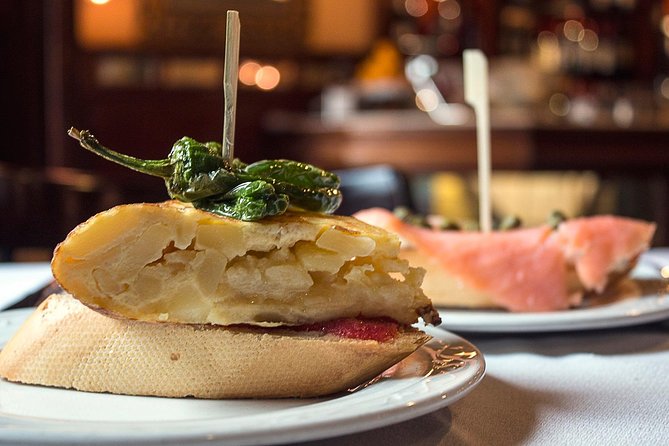
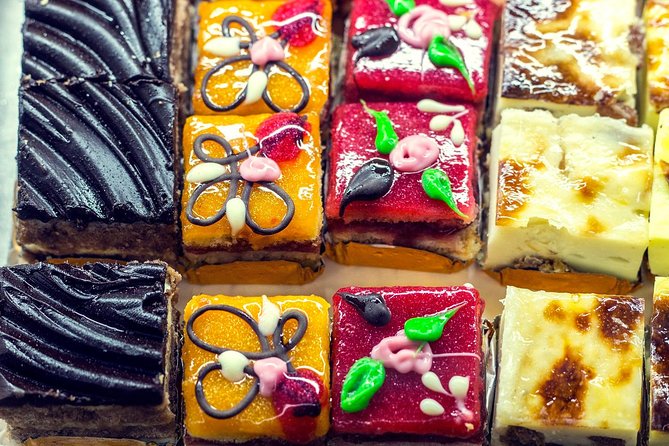
The first stop sets the tone: a seasonal pastry, then classic deli-style Madrid eating. The tour moves quickly through a pattern you’ll notice across Spain’s best food culture: something sweet to start, then salty and rich bites built around local staples.
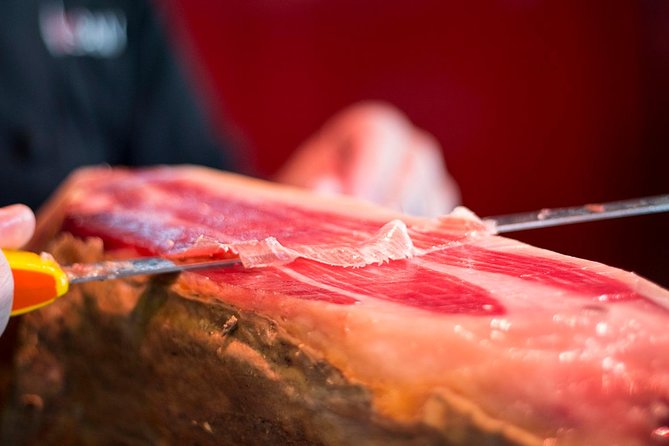
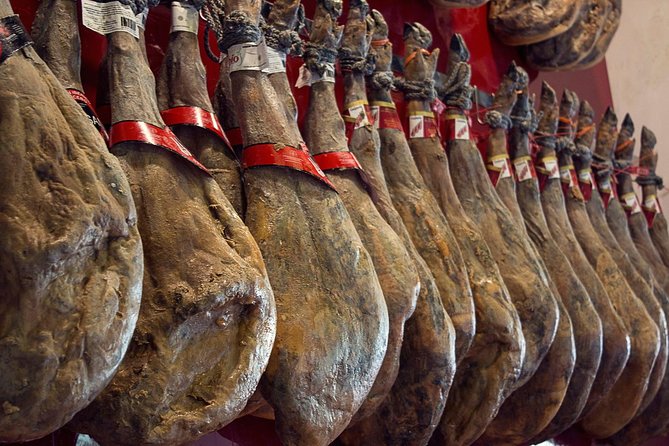
From there, you get a deli-style spread focused on the ingredients Madrid is proud of—Iberian ham, manchego cheese, and extra virgin olive oil. It’s not a random “snack sampler.” It’s a foundation meal that teaches you what to pay attention to when you later order on your own.
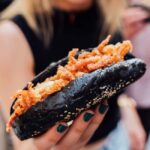
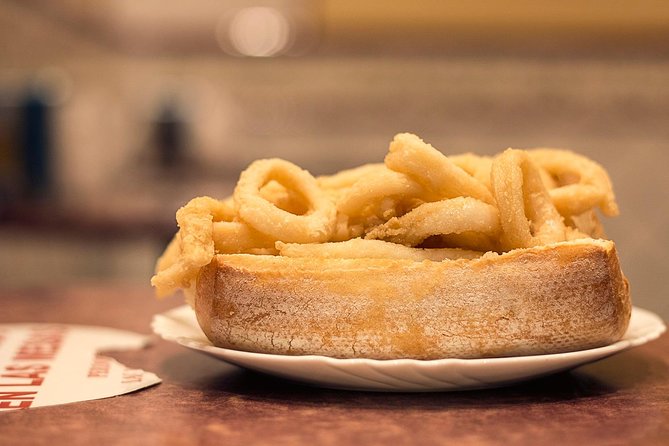
Then comes the fried comfort food moment: a classic deep fried squid sandwich, a local favorite. Madrid does casual food with confidence, and this is one of those dishes that explains why. It’s crunchy, salty, and built for eating right away, not for Instagramming from across the room.
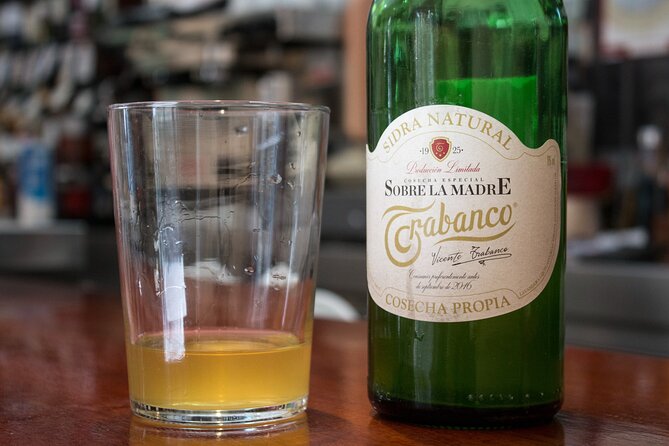
The pacing keeps changing so you don’t get stuck in one flavor lane. You’ll also have an outstanding tapa paired with a bottle of Spanish cider. After that, there’s a vermouth moment with the tapa of the day, which is a very Madrid rhythm: aperitivo before the full meal, even on a guided tour.
The tour ends the tasting phase inside a restaurant in an 18th century building, where you finish with Spanish omelette and the Secret Dish. The Secret Dish changes every day, which means the guide isn’t repeating the same script no matter what. It’s also a good reminder that in Madrid, the best plan is to ask what’s good right now.
Inside Stop One: How the Guide Builds Your Food Map

This is the part that makes the tour more valuable than a simple food punch-list.
When you start with a seasonal pastry in a historic pastry shop, you’re being trained to taste Madrid’s “light start” first. Then the tour shifts to the deli counter: ham, cheese, olive oil. That sequence helps you understand why Madrid menus often feel ingredient-driven. You’re not just tasting sauces; you’re tasting quality.
The deli visit is also your clue about how long food traditions can last in a city. The deli is over 180 years old, and that context matters for how you read the food. You’ll likely pick up what makes the ham different by type and how manchego changes in texture as you eat it alongside olive oil and other bites.
When the tour includes patatas bravas (crispy potatoes with spicy sauce) and the classic Spanish tortilla, it’s giving you two anchors that come up again and again if you keep eating in Madrid after the tour. You’ll be able to judge bravas by the balance of crisp and sauce, and tortilla by how it holds together—custardy in the center, set at the edges.
Finish stop one with that omelette plus Secret Dish, and you’ve basically walked through a mini Madrid menu you can recreate later.
Iberian Ham, Cheese, and the Aperitivo Logic of Madrid
Madrid has a specific flow to its food culture, and this tour follows it on purpose.
You begin with a pairing mindset: pastry first, then savory staples like Iberian ham and manchego. After that, the tour brings in fried seafood and potatoes—foods that are satisfying but still easy to eat in quick sequences.
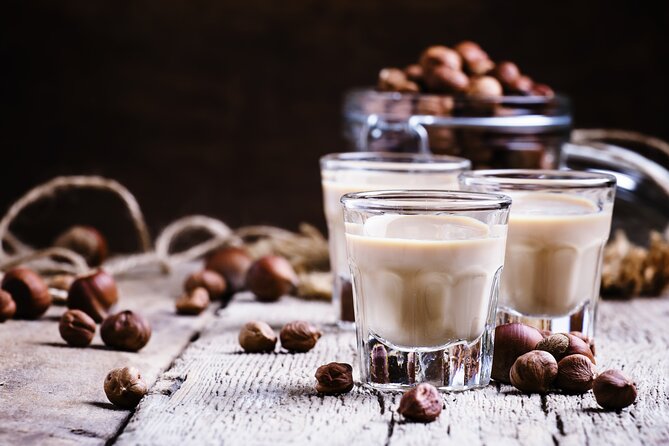
The drinks are part of the logic, not just added fun. You’ll taste vermouth with the tapa of the day, plus Spanish red or white wine or sangria, and also local beer and creamy orujo liqueur. That’s a lot of liquids, yes, but it’s also what lets you feel how Madrid approaches aperitivo and short pours.
Here’s the practical takeaway for you: after this tour, you’ll know what “aperitivo” means in the real world. It’s not a single drink and a chip. It’s a pairing rhythm—something salty with something bitter-sweet, something fried with something acidic or herbal, and always with food in front of you.
Plaza Mayor and Puerta del Sol: Sight Stops That Actually Matter
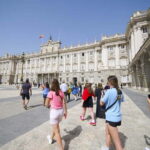
You don’t get a long lecture at Plaza Mayor or Puerta del Sol. Instead, the guide uses these public spaces as context for how Madrid’s center works.
Plaza Mayor is described as the big public heart of Old Madrid. For your planning, that means it’s a natural place to understand how the city’s daily life has revolved around people gathering, eating, shopping, and walking through the center.
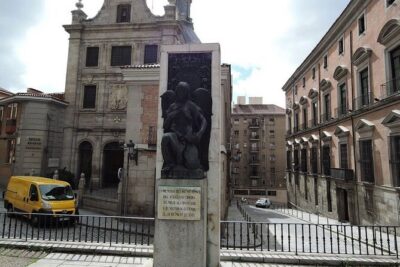
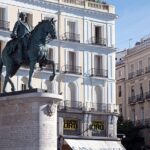
Puerta del Sol is a different type of landmark: a busy public square and the center point for the radial network of Spanish roads, the famous Km 0. Even if you’re not the type to care about road maps, this is helpful because it gives you a sense of Madrid’s “spokes.” Food spots you’ll want later are often arranged around this kind of central logic.
So while these stops can feel like short passes, they do something useful. They connect your tastings to real geography, which makes your future self-navigation easier.
You can also read our reviews of more tours and experiences in Madrid



Chocolatería San Ginés: The Sweet Pause in a Historic Passage
Chocolate in Madrid can be a full event, and this stop keeps it grounded and specific.
Chocolatería San Ginés is in Pasadizo de San Ginés, 5, inside a passage near San Ginés church, west of Puerta del Sol. That location is the point. Madrid’s charm often lives in these side corridors and covered passageways where you can step away from the main flow.
A sweet stop like this is also practical on a food tour. It resets your palate after savory bites and fried food. If you’re someone who tends to get full early, the timing helps because the tour spaces heavy and light moments instead of stacking everything back-to-back.
Also, this is one of the ways the tour feels Madrid-specific. Chocolate-and-passage magic isn’t just generic tourism flavor. It’s a local pattern you can notice and repeat later.
Mercado San Miguel: Finishing in a Market You’ll Actually Want to Return To
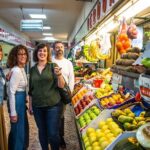
After the squares and the passage café, you end up at Mercado San Miguel, one of Madrid’s most popular markets, and it’s centrally located. That matters because you can do two things after the tour without changing neighborhoods.
First, you get to see what a modern market experience feels like in Madrid—more variety, more choice, and more of a “taste-and-stand” vibe. Second, it gives you a reference point. When you return on your own, you’ll recognize the layout style and the kind of vendors there.
The market is also a good way to keep the tour from ending too early. If the last tasting phase still has you curious, the market gives you options to keep sampling (on your own tab) without feeling like you have to jump to a distant part of town.
If you’re a planner, this is where you take notes in your head: what stalls you want to revisit, what you didn’t get enough of, and which drinks you want to repeat without the guide.
Price and Value: What You’re Really Paying For
At $405.14 per person for a private tour, this isn’t a budget snack crawl. It’s more like a curated three-hour night where the price is paying for three things:
1) Concentrated tastings
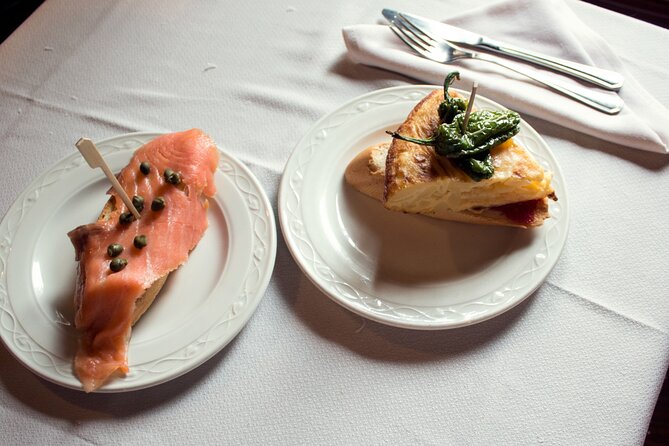
You’re not choosing what to eat at each stop. You’re getting a planned set that includes pastry, ham and cheese, olives, bravas, tortilla, peppers, squid sandwich, a daily Secret Dish, and a chef’s daily tapa that changes every day. That adds up fast if you were doing it yourself with the same variety.
2) Drinks included
The tour includes Spanish red or white wine or sangria, plus vermouth, local beer, and creamy orujo liqueur. If you like trying local drinks instead of sticking to water, this inclusion changes the math.
3) Your guide’s job is coordination
A private tour means someone handles timing, stop changes, and the “what should we eat next” flow. That matters in food markets and small shops where you don’t want to wander and guess.
Group discounts are mentioned as a feature, which is a helpful note if you can travel with friends. With a private format, that’s where the value can get more comfortable.
What you should watch for is the “private” expectation. If your group is small, the cost per person stays high compared to shared tours. But if you’re the type who wants a focused food evening and doesn’t want to coordinate menus yourself, the structure is part of the appeal.
Practical Tips: Shoes, Dietary Needs, and Weather Reality
Madrid’s historic center is walkable, but this tour still covers ground. Bring comfortable shoes and expect to stand in some tight tasting spaces.
Dietary needs are the biggest practical risk. The tour notes that many gastronomy tours can’t accommodate certain dietary restrictions. If that applies to you, contact the operator in advance so they can tell you what’s possible. Don’t assume a “special meal” will happen on the fly.
Weather is another factor. The experience requires good weather, and if it’s canceled for poor weather you’ll be offered a different date or a full refund. So keep some flexibility in your schedule if you can.
Finally, remember that the itinerary and menu can change based on availability, weather, and other circumstances. That’s normal for food tours, but it does mean you should treat this as an experience with a theme, not a strict checklist.
Should You Book This Madrid Historic Centre Food Tour?
Book it if you want a private food plan that teaches you how Madrid eats after work: aperitivo logic, ingredient staples like ham and manchego, and the kind of quick, satisfying tapas that you’ll recognize later when you’re ordering solo.
Skip it or think twice if you need strict dietary accommodations you can’t safely prepare for. Also, if walking at night is a deal-breaker for your feet, the route may be too active.
If your goal is to get your bearings and eat like you live there for a night, this tour is a strong way to do it. And the best sign of quality is simple: when a guide brings the food context and stays accommodating while the route moves, you end up leaving with real confidence about what to order next in Madrid.
FAQ
How long is the Madrid Historic Centre Food Tour?
It lasts about 3 hours.
What time does the tour start?
The start time is 7:00 pm.
Is this tour private or shared?
This is a private tour/activity, and only your group participates.
What is the tour included in the price?
The tour includes a seasonal pastry, manchego cheese, Iberian ham and other cured meats (chorizo, salchichón, lomo), marinated olives, crispy fried squid sandwich, patatas bravas, classic Spanish tortilla, padrón peppers, a changing Secret Dish, and chef’s daily tapa. It also includes Spanish red or white wine or sangria, vermouth, local beer, and creamy orujo liqueur.
Where does the tour start and end?
It starts at El Oso y el Madroño, Puerta del Sol, 1, Centro, 28013 Madrid. It ends at C. Mayor, 10, Centro, 28005 Madrid, about 200 meters from the meeting spot.
Is the tour offered in English?
Yes, it’s offered in English.
Can the tour accommodate dietary restrictions?
The information says many gastronomy tours are unable to accommodate certain dietary restrictions, so you should contact the operator in advance to see if they can cater to your needs.