REVIEW · MADRID
Madrid: Paella & Sangria Classes- Seafood, Chicken & Vegan option
Book on Viator →Operated by The king of Paella · Bookable on Viator
Paella and sangria beats another museum stop. This Madrid class is interesting because you cook the food yourself, and you leave with the exact recipes so the meal can live on after the trip. I also like the setup: ingredients are provided, and the meal includes lunch plus sangria. The one thing to plan for is pace and texture—some paella gets served firm and al dente, and that can be a surprise if you expect a softer rice.
You’ll work in a small group (up to 25) with English instruction, and the teaching style tends to be friendly and conversational. In past sessions, instructors like Tony, Pedro, and Carlos have shown up as the ones leading the room, so you can expect real guidance rather than a passive demo. If you have allergies or dietary limits, tell them ahead so they can adjust—this is the kind of class where details matter.
In This Review
- Key points before you book
- Why this Madrid paella and sangria class feels more local than a typical food tour
- The full 3-hour rhythm: sangria, tapas, then paella (with a final liquor tasting)
- Sangria making: more than fruit, built on a set recipe
- Paella cooking, step by step: seafood, chicken, and a vegan route
- Lunch in an air-conditioned dining room (and how the room changes the vibe)
- Price and value: what you’re really paying for at $87.41
- Who you’ll meet and how the class runs with English support
- Dietary needs and allergies: tell them early so the class stays smooth
- Getting there in Centro Madrid: meeting point and optional pickup
- Should you book this Madrid paella and sangria class?
- FAQ
- How long is the paella and sangria class in Madrid?
- Where do I meet for the class?
- What’s included in the price?
- Do I need to bring ingredients or kitchen tools?
- Is there a vegan option?
- Can the class handle allergies or intolerances?
- Is the class offered in English?
- Is private transportation available?
- FAQ
- Can I get a full refund if I cancel?
- What’s the group size?
Key points before you book
- Hands-on from sangria to paella: you’ll chop, mix, and cook, not just watch.
- Recipes included: you can recreate it at home, not just remember it.
- Multiple paella options: seafood, chicken, and a vegan option are available when you choose in advance.
- A real lunch, not snacks: starters, paella, plus coffee or herbal tea.
- Drinks are part of the experience: traditional Spanish sangria and shots/liquor tastings are built in.
- Up to 25 people: large enough for energy, small enough to stay involved.
Why this Madrid paella and sangria class feels more local than a typical food tour
Madrid has plenty of ways to eat well, but this one teaches you how Spaniards make two icons that you’ll actually talk about later: sangria and paella. It’s not just about tasting. You get the steps and the timing that make the flavors click—like how sangria tastes when it’s chilled and how paella tastes when the rice absorbs the right stock and saffron.
The format also makes it practical for your trip. You’re in an air-conditioned dining room when it’s time to eat, and you’re not running from place to place. When the class is done, you’ve got a meal in your belly and a skill you can use again on your next kitchen night.
Value matters here. At $87.41 per person for about 3 hours, you’re paying for instruction, ingredients, and a full lunch with drinks—not just one course. For many people, that’s the win: you spend the afternoon learning, then eat what you made.
One caution: this experience mixes food and alcohol. The sangria is traditional, and there’s also liquor/shot time at the end. If you’re the kind of traveler who prefers minimal alcohol, go slowly and plan to hydrate during the class.
You can also read our reviews of more tours and experiences in Madrid



The full 3-hour rhythm: sangria, tapas, then paella (with a final liquor tasting)
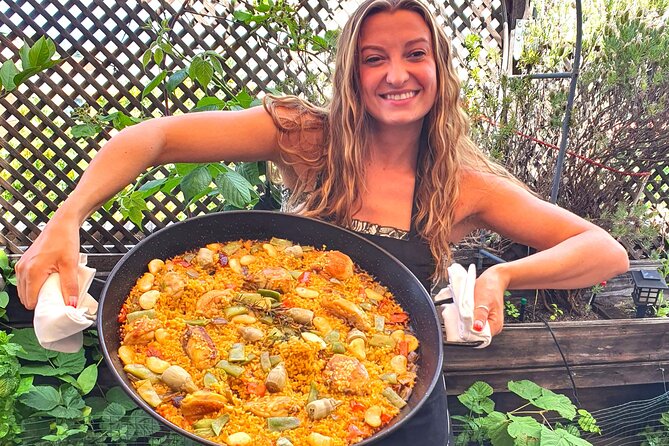
The schedule is built to take you from drinks to dinner without feeling rushed.
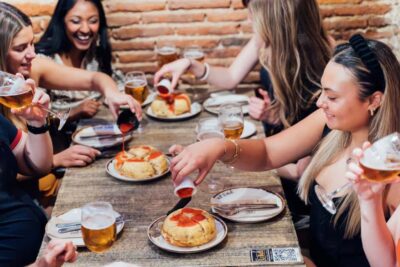
First, you prepare authentic traditional sangria. The ingredient list is specific: wine, peach juice, rum, whiskey, gin, vodka, grenadine syrup, cinnamon, fruit, and ice. You’re not just learning the idea—you’re assembling the mix, so you understand how the flavors balance (sweet, boozy, and spiced).
Next comes sampling two tapas while you get context for what you’re doing. You’ll try:
- Spanish potato omelette (tortilla de patatas) with potatoes, eggs, onion, and olive oil
- Ham toast with tomato (listed as ham and tomato with pantumaca/pan con tomate style)
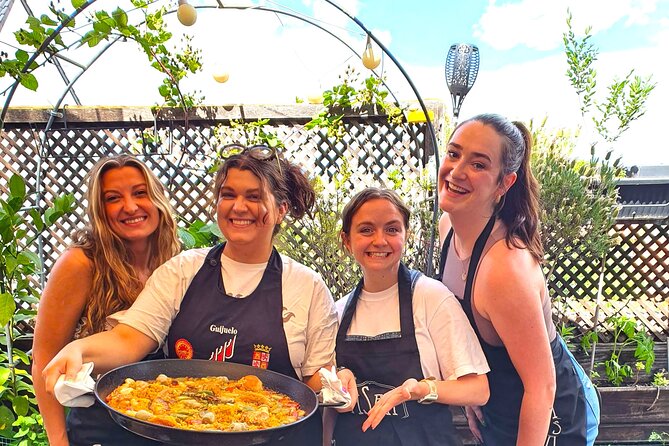
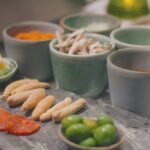
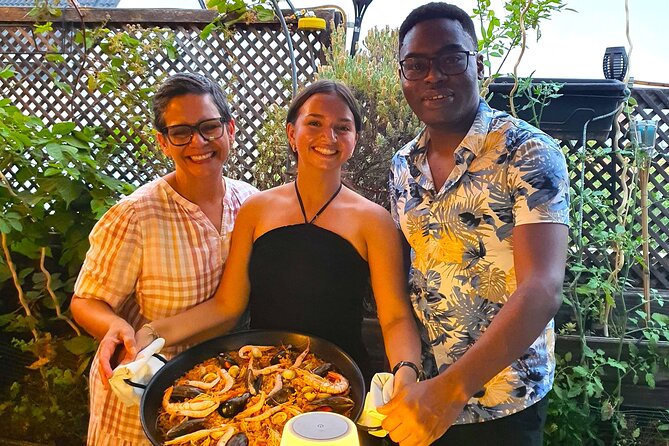
Then the work shifts to paella. You’ll chop ingredients and help cook the paella all the way to completion. The main paella components include rice plus fish fumet, mussels, peppers, clams, squid, garlic, tomato, and saffron for the seafood version (and similar structure for chicken and vegan choices, depending on what you select). When it’s done, you sit down in the air-conditioned dining room to enjoy the signature dish you made.
To close things out, you get a tasting of three national liquors. It’s a fun finish, and it also explains why Spaniards treat certain spirits like a real part of the meal, not an afterthought.
Finally, dessert is simple: coffee or herbal tea.
Sangria making: more than fruit, built on a set recipe
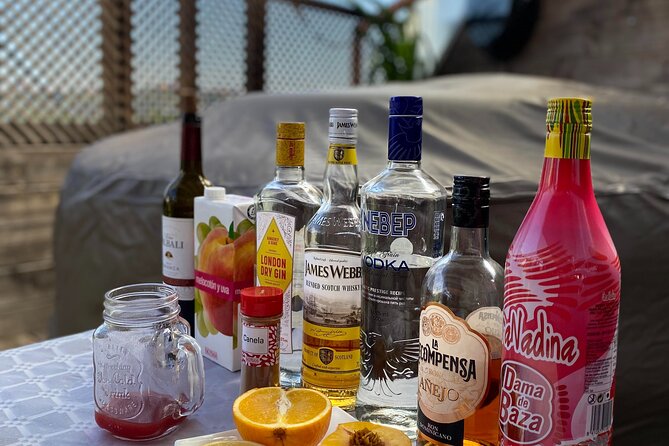
Sangria often gets treated like a generic punch. Here, it’s taught like a recipe. You start with wine and peach juice, then layer the spirits—rum, whiskey, gin, and vodka—along with grenadine syrup and cinnamon. Fruit and ice finish the job.
Why that matters for you: when you know the ingredient structure, you can taste what’s happening. Sweetness comes from grenadine and fruit. Aroma comes from cinnamon and the citrusy notes in fruit (if you choose those fruits in the mix). The alcohol variety also changes the mouthfeel, so it doesn’t taste like one spirit. The result is a sangria that’s both fruity and warming.
Practical tip: because you’ll be tasting at the end too, don’t treat the sangria as your only drink. Sip during mixing, then keep water nearby.
Paella cooking, step by step: seafood, chicken, and a vegan route
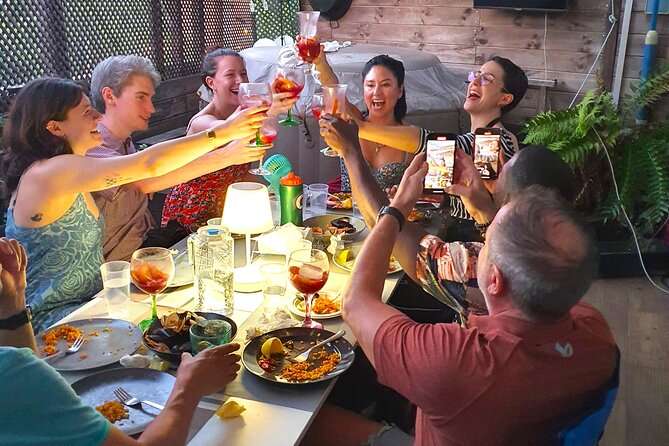
Paella is the heart of the class, and the approach is hands-on. You’ll help chop ingredients and then cook the rice. The lesson is built around key paella building blocks: saffron for color and perfume, tomato for depth, and stock (fish fumet for seafood) to give the rice something to soak up.
You can choose your paella type:
- Seafood paella
- Chicken paella
- A vegan option (you’ll want to confirm what’s available when you book)
If you’re eating vegetarian or avoiding certain ingredients, this is one of the few cooking experiences where it’s worth making it explicit ahead of time. There’s an allergy/intolerance note built into the experience, and the class can adjust if you tell them early.
One texture note to consider: some people find the paella served closer to an al dente bite. If you only like very soft rice, tell yourself that this style may be the goal, not a mistake.
Lunch in an air-conditioned dining room (and how the room changes the vibe)
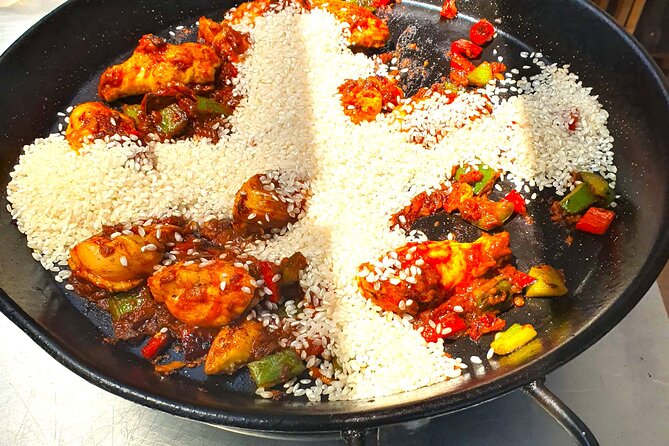
After cooking, you eat in the dining room in an organized, comfortable setting. That air-conditioned detail matters in Madrid, especially if you’re going in the warm months and you’d rather not spend the afternoon sweating over a stove.
The lunch portion isn’t just “a little something.” You get:
- bottled water
- sangria as part of the alcoholic beverages
- starters including Spanish omelette and ham toast with tomato
- paella as the main
- coffee or herbal tea at the end
This setup is a big reason the class works as a trip highlight rather than a quick snack stop. You get a whole meal, plus the instruction behind it.
Another small but real benefit: because the class ends back at the meeting point, you’re not stuck solving dinner logistics right after a long day.
You can also read our reviews of more tours and experiences in Madrid



Price and value: what you’re really paying for at $87.41
At $87.41 per person for about 3 hours, you’re basically buying three things:
1) Instruction + recipes (so you can repeat it)
2) Ingredients and drinks included (so you’re not adding costs mid-class)
3) A full lunch with multiple courses (not a tasting menu)
Many “food experiences” in major cities give you a few bites and call it a day. This is different. You’re doing real prep and real cooking. The recipes are provided, which turns your cost into a future payoff.
Is it pricey? Depends on your travel style. If you mostly eat at tapas bars for cheap, it can feel like a splurge. If you want one structured activity that replaces a normal meal and gives you a skill, the price starts looking very reasonable.
Who you’ll meet and how the class runs with English support
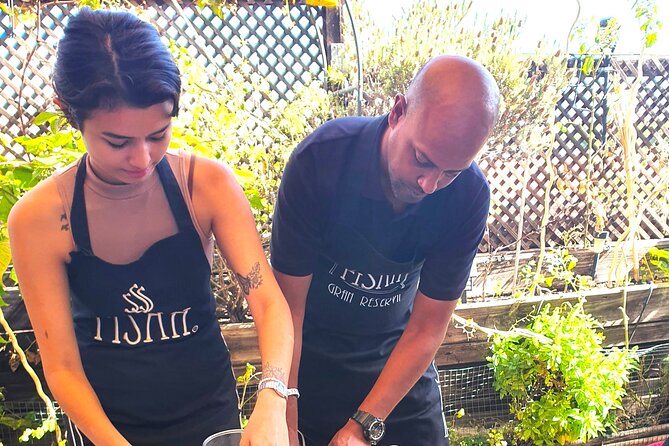
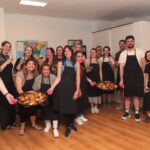
The group size caps at 25, and many classes run with a comfortable feel. That’s a big deal with cooking instruction—if the group is too big, you end up standing at the edges while someone else does the work.
The class is offered in English, and people have praised the translation quality and the clarity of instruction. Names that have shown up in led sessions include Tony, Pedro, Carlos, and Yireles, which hints at an experienced team.
Expect interaction. The instructors encourage participation, and the experience is built so you contribute to the paella instead of doing separate mini tasks that never add up.
One practical consideration from how the class can run: there may be some conversation time while everyone gets settled. If you’re tightly scheduled and hate waiting, keep a bit of buffer in your itinerary.
Dietary needs and allergies: tell them early so the class stays smooth
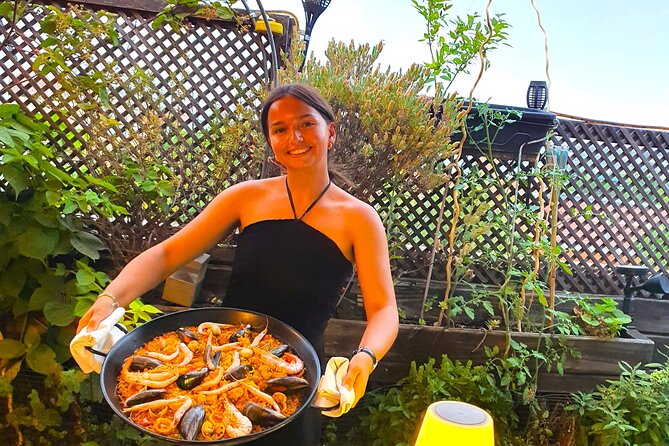
There’s an explicit note to let the organizers know about allergies or intolerances in advance so they can adjust. This is smart. With ingredients like saffron, seafood, alcohol, and dairy/egg (for tortilla), small substitutions matter.
If you’re choosing vegan or you have vegetarian needs, plan ahead. The class can accommodate vegetarian dietary restrictions, and vegan paella is part of the experience options. But don’t assume last-minute changes will be easy in a cooking setting where ingredients are already prepped.
Getting there in Centro Madrid: meeting point and optional pickup
The meeting point is Paurora Experiences, C. de Carretas, 14, 2a, Centro, 28012 Madrid. It’s in central Madrid, and it’s near public transportation, so you can get there without a car.
At the end, the activity finishes back at the meeting point, which is great for planning your evening.
If you prefer pickup, there’s the possibility of private transportation for an extra fee: 50€ up to 4 people. If your group is bigger than 4, prices vary, so you’ll want to ask when you book.
Should you book this Madrid paella and sangria class?
Book it if you want an afternoon that combines real cooking, a full lunch, and a skill you can repeat. It’s ideal for:
- first-timers who want to learn what paella and sangria are really about
- couples and small groups who prefer one organized experience over hopping bars
- anyone who likes hands-on cooking more than food-only tours
- travelers who want recipes before they leave Madrid
Consider skipping or picking another option if:
- you don’t drink alcohol and don’t want alcohol to be part of the class rhythm (sangria and end tastings are built in)
- you strongly dislike al dente rice styles
- you’re traveling with very strict ingredient restrictions and you didn’t plan ahead to communicate them
If you can, choose your paella type carefully (seafood, chicken, or vegan) and message your dietary needs early. Then show up hungry and ready to chop.
FAQ
How long is the paella and sangria class in Madrid?
It’s about 3 hours.
Where do I meet for the class?
You’ll meet at Paurora Experiences, C. de Carretas, 14, 2a, Centro, 28012 Madrid, Spain.
What’s included in the price?
The experience includes lunch (appetizers and starters like tortilla de patatas and ham toast with tomato), paella as a main course, bottled water, sangria, and traditional Spanish shots. Coffee or herbal tea is included at the end.
Do I need to bring ingredients or kitchen tools?
No. Ingredients are provided, and you don’t need to bring anything.
Is there a vegan option?
Yes. There is a vegan option, and vegetarian dietary restrictions can be accommodated if you tell them in advance.
Can the class handle allergies or intolerances?
Yes, but you need to let them know in advance so they can adjust.
Is the class offered in English?
Yes, it’s offered in English.
Is private transportation available?
There is an optional pickup service for an extra fee: 50€ up to a maximum of 4 people (more than 4 may have different prices).
FAQ
Can I get a full refund if I cancel?
Free cancellation is available up to 24 hours in advance for a full refund.
What’s the group size?
The activity has a maximum of 25 travelers.