REVIEW · MADRID
Reina Sofia Museum Guided Tour in Madrid
Book on Viator →Operated by Amigo Tours Spain · Bookable on Viator
A modern art story you can follow. The Reina Sofía tour pairs a professional guide with a guided look at the museum’s key modern works, including Picasso’s Guernica, in about 1 hour 15 minutes. It’s also set inside an old hospital building, which makes the walk feel more like a real Madrid landmark than a typical gallery hop.
I like that you get an expert explanation of major movements like Cubism and Surrealism, not just a quick scan of famous names. I also like the group size cap of 15, so you can ask questions and actually hear what matters. One drawback to keep in mind: the time is short, so even a great guide can only cover a focused slice of the museum, and some people have felt it runs fast.
In This Review
- Reina Sofía in a Former Hospital: Why This Tour Feels Different
- What you’re really paying for
- Meet at the Tall Statue by the Main Entrance
- A Quick Stop for Goytisolo’s Memory Before the Art
- The Inside-Museum Reality: What the 1h15 Actually Lets You Do
- Guernica: The Moment the Tour Builds Toward
- Picasso, Dalí, Miró, and Rivera: How the Tour Names the Players
- Temporary exhibitions can add a wildcard
- Cubism and Surrealism, Explained Without Making It Feel Like a Lecture
- Sound, Headsets, and Timing: Small Logistics That Change Everything
- Museum Rules That Affect Your Visit (Plan for Them)
- Price and Value: When $34.99 Feels Like a Win
- Who This Reina Sofía Tour Fits Best
- Should You Book This Reina Sofía Museum Guided Tour?
Reina Sofía in a Former Hospital: Why This Tour Feels Different
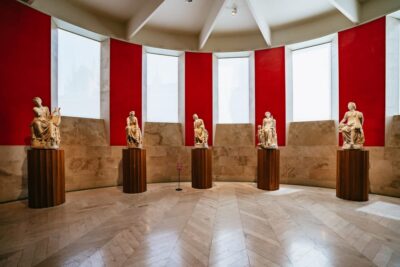
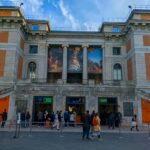
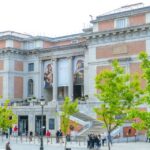
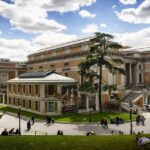
The Reina Sofía doesn’t feel like a white-box art warehouse. The museum lives in a former hospital, so you move through corridors and rooms with real architectural weight. That matters because modern art can feel hard to place on your own. In a building like this, the guide’s job is easier: you’re not just staring at paintings, you’re learning how to “read” them in context.
This particular guided experience is designed around modern Spanish art and the movements that shaped it. You’ll hear about abstractionism, cubism, surrealism, and modernism, plus the artists who became shorthand for 20th-century change.
What you’re really paying for
For $34.99, you’re buying two things at once: access to the museum and a guided interpretation from an art historian. If you enjoy learning why a style exists (and how it connects to history), this tends to feel like good value. If you’re the type who wants to drift at your own pace with headphones and a map, the short time may feel tight.
You can also read our reviews of more guided tours in Madrid

Meet at the Tall Statue by the Main Entrance
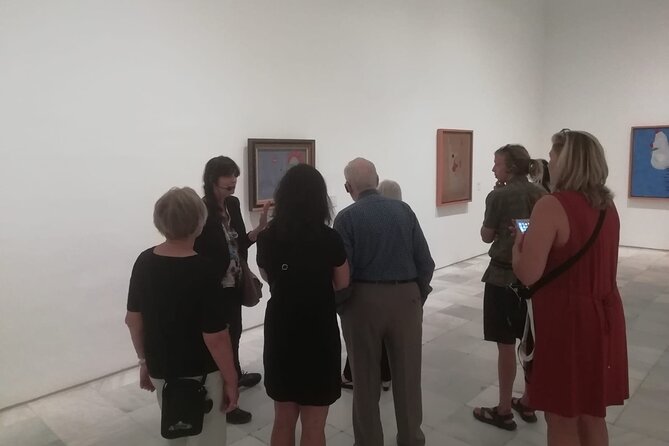
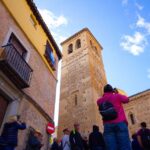
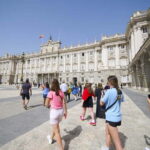
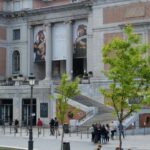
You’ll start at C. de Sta. Isabel, 52, Centro, and the meet point is outside the main entrance by a statue. The tour description says meet by the statue outside the main entrance, and multiple accounts point out that the main confusion is people following map directions that lead to the wrong side of the building.
Here’s the practical move I recommend: arrive early and stay at the tall statue. Don’t wander the perimeter. If the directions you see online send you elsewhere, ignore them and keep your eyes on the statue area until the guide shows up.
The tour ends back at the meeting point, so you’re not left stranded somewhere inside Madrid’s museum district with no plan.
A Quick Stop for Goytisolo’s Memory Before the Art
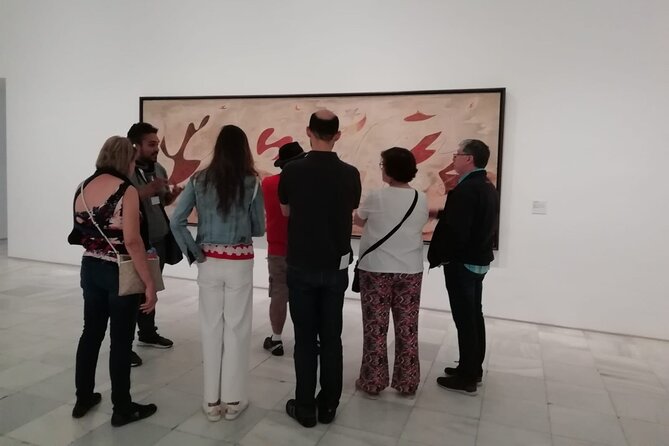
The plan includes a brief stop connected with Goytisolo, described as an emblematic place dedicated to his memory. It’s not the centerpiece, but it’s a nice reminder that modern Spanish art doesn’t sit in a vacuum. Writers and artists move in the same cultural orbit, especially in Spain where history shows up in everyday public spaces.
Expect this to be a short prelude rather than a big detour. Then you’ll head inside the museum for the real work: seeing major works and learning how they fit together.
The Inside-Museum Reality: What the 1h15 Actually Lets You Do
Once you’re in, the group moves through the museum in a guided route. The Reina Sofía can feel like a lot—big rooms, famous paintings, and lots of temporary exhibitions mixed into the flow. A guide helps you choose what to focus on, and it’s why the tour is popular with first-time visitors.
The route is centered on highlights and the key learning points:
- how modern art styles differ from each other
- how Spanish artists shaped the story of 20th-century art
- why Guernica is treated like more than just a masterpiece
One drawback is that the museum is so large that a short tour often means you won’t see much beyond the most famous works plus a handful of supporting paintings. Some visitors have felt they saw only a small number of pieces, and that the tour can feel rushed. If you’re hoping to do a “greatest hits + lots of extras” day, this guided format may not be long enough.
Guernica: The Moment the Tour Builds Toward
If your Reina Sofía visit has one anchor, it’s Guernica. This tour is built to lead you toward it and give you the historical and artistic context, not just point at the painting and move on.
What I find helpful is that a good guide doesn’t treat Guernica as a single image. They help you understand how Cubism and related ideas shaped the visual language, and why the painting’s impact spread far beyond Spain. Several guides on this tour have been singled out for making Guernica feel powerful through explanation of structure, style, and meaning—especially the progression of movements that get you there.
You’re also told photography isn’t allowed inside the museum, so you’ll rely on what you hear and what you choose to sketch mentally rather than capturing everything on your phone.
You can also read our reviews of more museum experiences in Madrid


Picasso, Dalí, Miró, and Rivera: How the Tour Names the Players
You can’t do Reina Sofía without encountering the heavy hitters: Pablo Picasso, Salvador Dalí, and Joan Miró come up as part of the tour focus. The guide also brings in the broader Spanish art picture, so it doesn’t feel like a checklist.
There’s also a specific international note: the tour highlights that international artists are not heavily represented overall, but one international name gets special mention—Mexican painter Diego Rivera. That’s useful if you’re trying to understand how the museum’s story leans Spanish and why, while still acknowledging connections across borders.
Temporary exhibitions can add a wildcard
The museum can have international and national temporary exhibitions running alongside the permanent collection. Your exact set of rooms may shift, but the tour’s style-learning approach stays the same.
Cubism and Surrealism, Explained Without Making It Feel Like a Lecture
This is where many people get the most out of a guided visit. The best guides on this experience use the artworks to explain the logic behind the art movements.
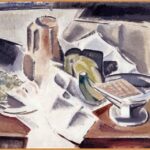
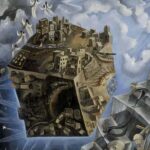
You’ll hear how abstractionism breaks away from realistic representation, what cubism changes about perspective, and how surrealism pushes beyond normal cause-and-effect. Then the guide ties it to Spain’s modern history and to the artists who used these styles as tools.
Guide examples from past groups include Flor, Gabriela, Alicia, Borja, Helena, and Elena—each praised for clarity, storytelling, and putting pieces into context. That range matters because modern art explanations can either click or fall flat. This tour seems to work best when the guide helps you connect what you’re seeing to a bigger idea, instead of listing facts.
Sound, Headsets, and Timing: Small Logistics That Change Everything
In theory, the whole point is art. In practice, museum tours live or die by the details.
The tour uses equipment for listening, and some groups have reported a problem with the sound system or that the English wasn’t easy to follow. Others have said the guide was highly engaging and that they could hear clearly. That’s a reminder for you: if you’re booking in English, it’s worth being aware that bilingual delivery means you may hear both languages as they move through the talk.
Timing is another big one. Even though the tour runs about 1 hour 15 minutes, some visitors felt it covered too few works or ended quicker than expected. Others said the guide spent time on logistics like museum access and ticket handling, which can squeeze the art time.
My practical advice: set yourself up so you don’t need a break during the tour. Bring the right energy for focused viewing. If you have to catch another appointment right after, give yourself extra buffer—some schedules run later than you’d expect.
Museum Rules That Affect Your Visit (Plan for Them)
Inside the Reina Sofía, photography is not allowed. That’s the kind of rule that can annoy you for about five minutes and then force you to pay attention.
You’ll also want to think about bags and space. Some visitors mentioned you’ll need lockers for larger bags, and that there can be restrictions on drinks or big items. Even if you travel light, it helps to arrive with a small bag you can manage easily.
Also, service animals are allowed, and the tour is near public transportation—useful if you’re pairing this with other Madrid stops.
Price and Value: When $34.99 Feels Like a Win
At $34.99, you’re paying for entry plus a guided interpretation. Without knowing the museum entry cost on its own, I’ll frame it by outcomes.
This tour tends to feel like good value if:
- you want a guide to explain Cubism, Surrealism, and abstraction in plain language
- you’re most interested in Picasso and the “Guernica context” side of modern art
- you want help navigating the museum’s layout without losing time figuring out what matters
It may feel overpriced if:
- you’re expecting lots of time per painting
- you prefer self-guided wandering where you can stop for as long as you like
- you’re sensitive to delays and logistics (a few accounts mention access or meeting-point confusion)
Bottom line: this tour is best when you want a smart orientation and a highlight route, not when you want an extended deep look.
Who This Reina Sofía Tour Fits Best
I’d book this if you’re:
- visiting Madrid for the first time and want a guide-led introduction to modern art
- a fan of Picasso and want Guernica with context
- someone who learns faster when an art expert explains what you’re seeing
I might skip it if you:
- already feel confident reading modern art styles and want a slow, solo museum day
- need a long time in the building, piece by piece
- hate short tours that prioritize highlights over breadth
One more angle: people have specifically praised how the museum feels different compared with classic collections like the Prado. If you’re planning multiple museums, Reina Sofía is a clean contrast day.
Should You Book This Reina Sofía Museum Guided Tour?
Yes—with expectations set right.
If you want Guernica with meaning, plus a clear guided walk through major modern art movements, this is a solid choice. The group size cap of 15 and the presence of an art historian guide are real advantages. The biggest reason to book is that modern art clicks faster when someone connects style to history and doesn’t just point.
Just go in knowing it’s a short, highlight-focused tour. Arrive early at the tall statue and stick to the meeting point area rather than following map links that send you to the wrong side. And if you’re hearing-sensitive, keep in mind there have been occasional reports about audio clarity—so being attentive and prepared helps.
If that sounds like your style of visit, you’ll likely leave with a clearer picture of why Reina Sofía matters, not just a list of famous names.