REVIEW · MADRID
Traditional Paella & Tortilla & Sangria
Book on Viator →Operated by Gourmet Traditional Paella&Sangria Cooking Class · Bookable on Viator
Paella and sangria, in a Madrid home kitchen. This is a hands-on paella lesson with small group attention, plus Spanish omelet and drinks you eat right away. You also start in the Chueca area, so the day has a local feel before the cooking begins.
I love how the instruction is step-by-step and practical, the kind of cooking help you cannot get from reading a recipe. I also like that the class is led by hosts such as Pipa, Paloma, or Pilar, and the teaching leans on their Valencia connections for a more authentic paella approach.
One thing to consider: at about 2 hours and $95.58 per person, it is a focused food experience, not a long meal or big sightseeing day. If you want an all-day food crawl, you may want to pair it with something else.
In This Review
- Key highlights worth knowing
- Where the class fits in Chueca (C/ de Hortaleza at 12:00)
- What you’re actually making: tortilla, Valencian paella, sangria, coffee
- The paella lesson: what turns a recipe into a result
- Tortilla española: the method that saves your next breakfast or tapas night
- Sangria and wine tasting: the part that makes it feel like lunch, not school
- The group size and home-kitchen setting (max 7 people)
- Location realities: meeting point, getting there, and what to expect
- Price and value: is $95.58 fair for two hours?
- Who this class suits best
- Quick tips to make your class day smoother
- Should you book this traditional paella and tortilla class?
- FAQ
- What is the duration of the cooking class?
- How much does the experience cost?
- What time does it start?
- Where is the meeting point?
- What language is the class offered in?
- What group size is included?
- What dishes are included in the sample menu?
- What is included with the tour?
- Do I receive the recipes after the class?
- Is there anything that can affect whether the class runs?
Key highlights worth knowing
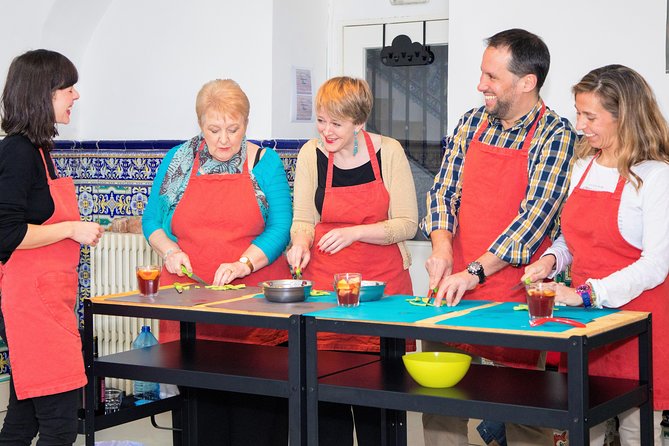
- Small group cooking (max 7) means you actually get hands-on time, not just watching
- Valencian-style paella instruction from a native perspective, not generic paella talk
- You cook Spanish omelet (tortilla española) with method tips that help at home
- Sangria + wine tasting makes the lunch feel like a real Spanish get-together
- English instruction and an easy schedule start time at 12:00 pm
Where the class fits in Chueca (C/ de Hortaleza at 12:00)
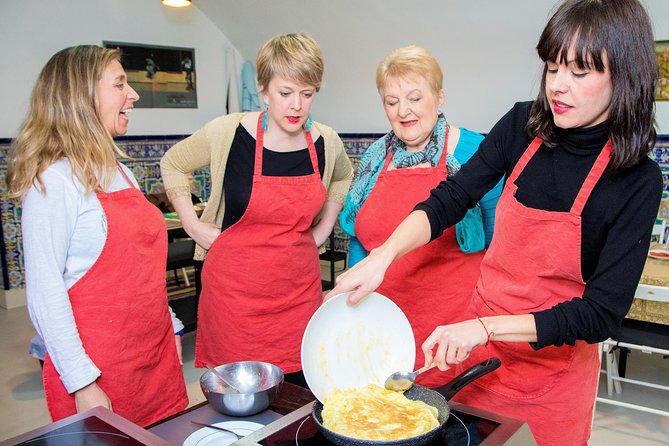
This experience is based in the Chueca/Centro area, starting at 12:00 pm near public transportation. The meeting point is C/ de Hortaleza, 92, Centro, 28004 Madrid, and the activity ends back there. That matters because you do not have to plan a second trip afterward just to get moving again.
Chueca is a central neighborhood, and the experience begins with the neighborhood connection before you head into the home kitchen. In practice, that gives you a quick sense of place in Madrid—then you switch gears to cooking, where the rest of the time is very hands-on.
Also, the class uses a mobile ticket, so you should be ready to show it on your phone when you arrive. For a meal-focused activity, that kind of simple setup is worth its weight in olives.
You can also read our reviews of more tours and experiences in Madrid.


What you’re actually making: tortilla, Valencian paella, sangria, coffee
The menu is built around a classic Spanish set: Spanish omelet, traditional paella, and coffee for dessert. On top of that, you’ll make and enjoy sangria during lunch, and you also get wine tasting as part of the experience.
Here’s the practical value: you’re learning multiple core techniques that show up all over Spain. Tortilla española teaches you heat control and timing. Paella teaches you the “big-picture” order of ingredients and how texture changes as it cooks. Sangria teaches you how Spaniards think about mixing—balancing fruit, wine, and sweetness so it drinks well while you’re eating.
One interesting detail from the class experience: paella may vary depending on the session. Some people describe a paella featuring rabbit and chicken, while others mention a seafood-and-chicken version. You should treat that as a heads-up that the exact protein mix might change, but the method remains the point.
The paella lesson: what turns a recipe into a result
Paella sounds simple on paper—rice, stock, heat, and patience. The difference between good and great is usually in the steps people skip when they cook from a book: timing, how the pan cooks, and what you do when things start moving fast.
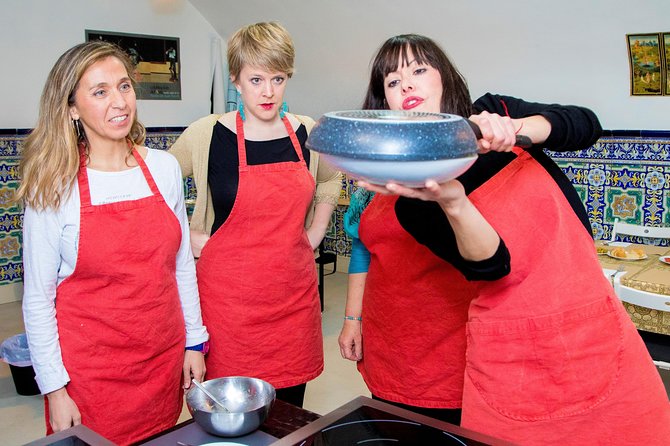
This class is designed to teach you those steps in real time. You get instruction while you work, so you can ask questions when you hit the part that always goes sideways at home. For example, learning how to manage the heat so the rice cooks properly without turning soggy is one of those skills that only clicks when someone corrects you while you’re standing there.
A Valencia native perspective is another big plus here. Paella is regional in Spain, and Valencia styles can differ from the “anything goes” version you might see elsewhere. In this setting, you’re not just hearing trivia. You’re learning the logic behind the dish—why certain choices are made and what outcome they’re meant to create.
What I like most is that the class framing is not just about finishing a meal. It’s about leaving with confidence. When a teacher explains what you’re aiming for—texture, aroma, consistency—you can recreate the result later, even if you tweak ingredients at home.
Tortilla española: the method that saves your next breakfast or tapas night
Spanish omelet is one of those dishes that people overcomplicate. The good versions are about a few things done right: egg and potato balance, heat level, and knowing when to stop cooking.
In this class, you get hands-on practice and teaching that focuses on technique. That’s the real value. A written recipe can tell you to fry potatoes or whisk eggs, but it cannot watch what your pan is doing right now. Here, you learn how to approach the tortilla so it sets cleanly without becoming dry or rubbery.
Also, tortilla is a great way to build food competence. Once you learn the “feel” of the omelet process, you can apply it to other egg-based dishes and Spanish-style cooking generally. It is one of the best skills-per-hour things you can learn in Madrid.
And because the class is small, the instructor can correct your form and timing more directly. Multiple people mention being included in every step, not stuck on a side role. That’s exactly what you want from a cooking class: active participation.
Sangria and wine tasting: the part that makes it feel like lunch, not school
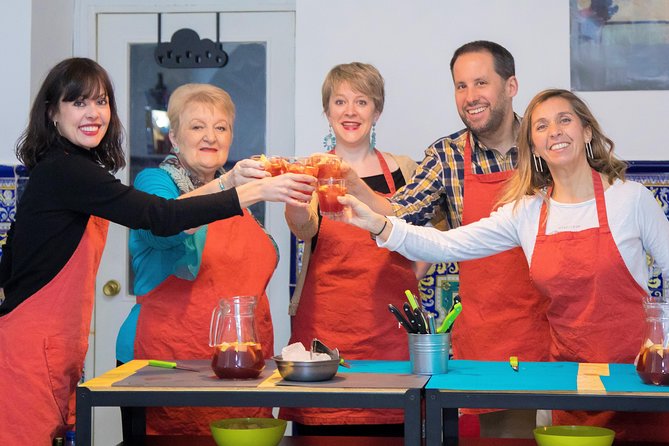
Cooking classes can sometimes feel like a test: do step one, do step two, wait for the timer. This one is structured more like a meal you’re invited into—complete with sangria and wine.
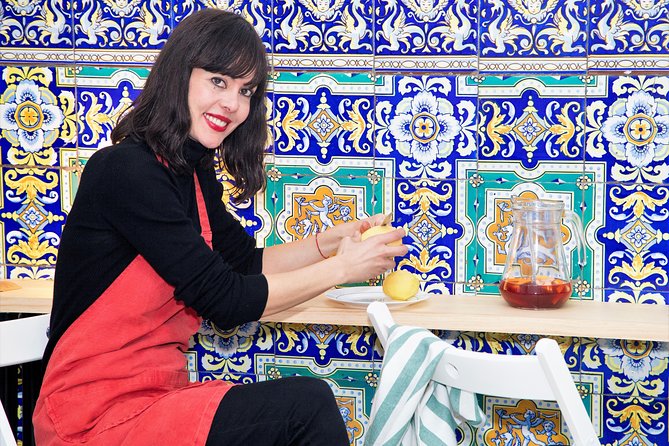
You learn how to make sangria, then you drink it with your food. That pairing is not random. It helps you understand why the drink’s flavor balance matters when you’re eating salty, savory dishes like paella and tortilla. If the sangria is too sweet, it can clobber the flavors. If it’s too sharp, it can fight the richness of the egg and rice.
The wine tasting is also a nice bonus because it nudges the experience toward “Spanish dining” rather than just “cook and go.” In two hours, it makes the meal feel like a proper lunch.
Practical note: if you are planning to walk around Madrid afterward, pace yourself with the drinks. It’s easy to get carried away when the class vibe is warm and social.



The group size and home-kitchen setting (max 7 people)
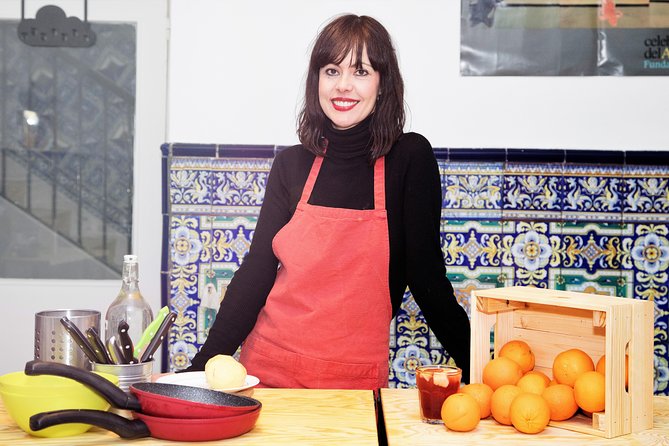
This experience caps at 7 travelers. That small number is not a marketing detail—it changes your entire learning experience.
With a tiny group, you get:
- more chances to cook, stir, taste, and adjust
- faster feedback on technique
- more interaction with the host while the kitchen energy stays relaxed
Multiple people highlight that the hosts (including Pipa, Paloma, and Pilar) make the class feel welcoming and personal. You are not doing a distant demo with a bunch of strangers. You are working in a kitchen where the focus is on getting everyone involved.
There’s another benefit too: you’re more likely to leave with specific, usable tips rather than generic instructions. When your instructor can see what you’re doing, the advice gets more precise.
Location realities: meeting point, getting there, and what to expect
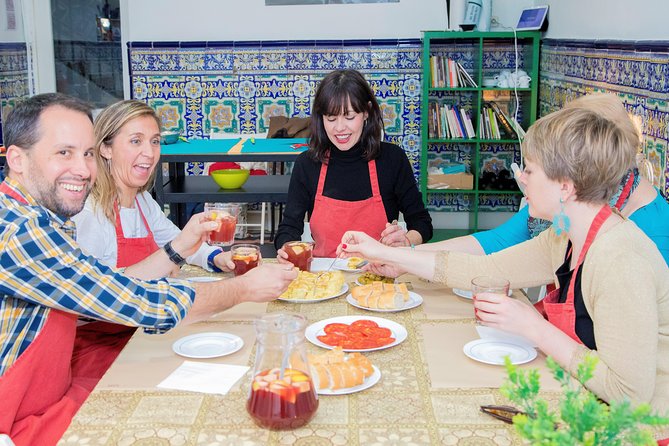
You’ll meet at C/ de Hortaleza, 92. The good news is that it’s near public transportation, so you can keep your day flexible. Since the activity runs around lunchtime, you can also combine it with a morning neighborhood walk in Central Madrid.
Because the class happens in a home setting, expect a kitchen that feels lived-in rather than a polished classroom. That’s often what makes the experience memorable. Just remember: your schedule is tight, so be on time and arrive with your phone charged for the mobile ticket.
Also, note the time commitment: the class is listed as about 2 hours. That means you should plan a lighter second half of your day—enough time for digestion, photos, and maybe a casual stroll.
Price and value: is $95.58 fair for two hours?
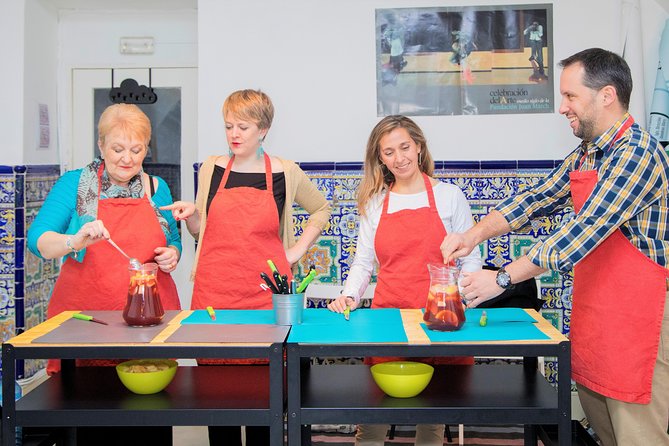
At $95.58 per person, this is not a budget cooking class. But it can still be good value, depending on what you want.
Here’s how I think about it:
- You pay for hands-on instruction with a maximum of 7 people, which usually costs more than large-group classes.
- You get more than one dish: tortilla española, traditional paella, sangria, and wine tasting, plus coffee.
- You’re also paying for the home-kitchen setting and the instructor’s method-focused teaching, not just ingredient prep.
If you love food and want a technique-based learning experience you can repeat later, the price starts to make sense. If you only want a quick taste of paella or you’re mainly hunting for a cheap activity, it may feel steep for the time.
For best value, go in hungry and ready to cook. The more you participate, the more you get out of it.
Who this class suits best
This works really well if you:
- want to learn technique, not just eat
- like small-group experiences
- enjoy Spanish staples you can reproduce at home
- want a lunch activity that feels local
It’s also a strong pick for couples and small families who want interaction. One of the most repeated themes in the experience is that the host makes it easy to participate, even if you have never cooked before.
If you hate being hands-on, this might not be the best fit. This class is built around doing the work at the counter and learning as you cook.
Quick tips to make your class day smoother
A few practical things I’d do before you go:
- If the host emails recipes after the class, check your spam folder just in case.
- Tell the host what you can handle if you have food preferences or limits. The class is structured around the menu, so you may not get a full menu change.
- Plan a comfortable next activity afterward. Between cooking and tasting, two hours can feel both fast and full.
And one more thing: paella and tortilla are all about timing and heat. If you go in thinking you’ll master everything in one go, you’ll be happier. Your real win is learning what to watch for.
Should you book this traditional paella and tortilla class?
I’d book it if your ideal Madrid moment is cooking a real Spanish meal with a small-group host and leaving with method you can repeat. The combination of hands-on paella, tortilla española, and sangria plus wine tasting makes it more than a snack-and-smile activity.
I would skip or rethink it if you want a long day out, a lot of sightseeing, or a very low-cost option. Also, because it requires good weather, you should have flexibility in your schedule.
If you can match the class vibe—participate, ask questions, and enjoy lunch where you made the food—you’ll likely feel like this was one of the smartest food choices in Madrid.
FAQ
What is the duration of the cooking class?
It runs for about 2 hours.
How much does the experience cost?
The price is $95.58 per person.
What time does it start?
The start time is 12:00 pm.
Where is the meeting point?
C/ de Hortaleza, 92, Centro, 28004 Madrid, Spain.
What language is the class offered in?
The class is offered in English.
What group size is included?
The experience has a maximum of 7 travelers.
What dishes are included in the sample menu?
Spanish omelet, traditional paella, coffee for dessert, plus sangria during lunch.
What is included with the tour?
It includes the paella cooking class and wine tasting.
Do I receive the recipes after the class?
Some participants mention receiving the recipes by email after the class, but delivery may vary. Check your email spam folder.
Is there anything that can affect whether the class runs?
Yes. The experience requires good weather, and it also requires a minimum number of travelers.