REVIEW · MADRID
Ribera del Duero:4 Wineries, tasting & Lunch included from Madrid
Book on Viator →Operated by Wine Tours From Madrid · Bookable on Viator
Ribera del Duero wakes up your senses fast. This Madrid day trip takes you into Spain’s Tempranillo country with guided tastings at multiple wineries plus lunch in the wine region, all with round-trip transportation.
I especially like that the day is built for small groups (up to 8), so your guide can answer real questions, not just read off a script. And I love the mix of styles you’ll sample, from biodynamic and underground cellar traditions to more contemporary approaches, all centered on the heart of the region’s tinto fino grape.
One thing to consider: it’s a full day starting at 8:00 am, and some parts of the stops are in cool, sometimes step-heavy cellar spaces. Bring warm layers, wear closed shoes, and don’t count on wheelchair access.
In This Review
- Key points to know before you go
- Ribera del Duero: the Tempranillo country you’ll want to brag about
- Price and value: what you’re really paying for
- The 8:00 am start in Madrid: long day, smart pacing
- Stop 1 in Ribera del Duero: biodiversity, biodynamics, and underground cellars
- Dominio de Cair and La Aguilera old vines: barrel tastings and an aperitivo
- Bodega Alvides in a 16th-century cellar: rare bottles you won’t see elsewhere
- Nabal and Valdubon: traditional vs. modern style, plus picoteo and chocolates
- How much wine you’ll taste—and how to handle it like a pro
- Lunch in the wine region: local food that actually shows up
- Transportation comfort: air-conditioned van, waters, and snacks
- Guides can make or break a wine day
- Can you buy wine and take it home?
- Who should book this Ribera del Duero tour?
- Should you book this Ribera del Duero Wine Tour from Madrid?
- FAQ
- What’s included in the tour?
- How long is the experience?
- Where do I meet the group?
- Do I need to bring anything?
- Is lunch included, and can you handle dietary restrictions?
- Is this tour accessible for people with mobility issues?
Key points to know before you go
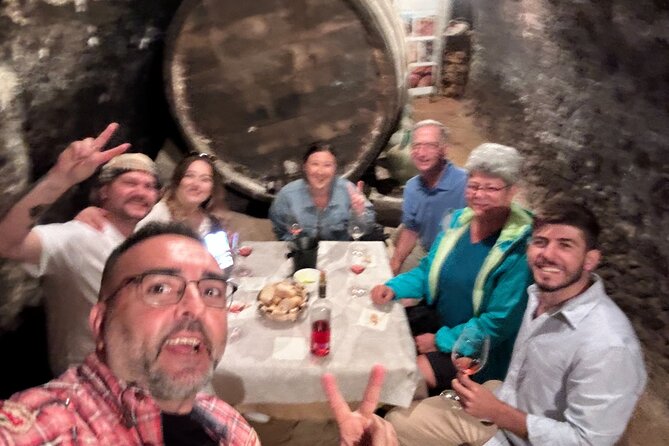
- Small group (max 8 travelers) means you get more time per question and per pour.
- 12 included wine tastings across the day, not just a quick sip at the last stop.
- Lunch is included with local food, plus wine pairing during the experience.
- You’ll visit underground cellars and hear how the region works, from grapes to aging.
- Expect bodegas to run cold even in good weather, so pack a warm layer.
- One producer stop is described as exclusive to the group, which adds a special feel to the day.
Ribera del Duero: the Tempranillo country you’ll want to brag about
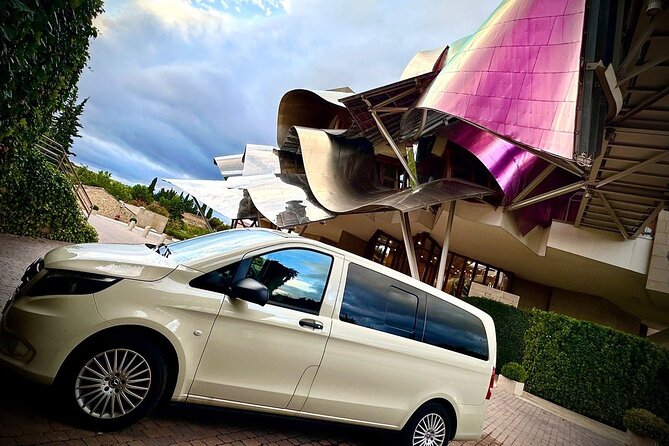
Ribera del Duero is one of those wine regions that sounds intimidating until you taste it. Then it clicks. The grape is usually Tempranillo, and locals also call it tinto fino, which is a nice reminder that this isn’t tourist-made wine—it’s part of everyday regional identity.
What makes this trip appealing is that you’re not just drinking good red wine. You’re learning how the region thinks: where grapes are grown, how aging affects flavor, and how different wineries shape their final glass. If you like comparing styles, you’ll get plenty of contrast in one day: traditional methods next to more modern choices, plus the dramatic setting of underground aging spaces.
You can also read our reviews of more food & drink experiences in Madrid

Price and value: what you’re really paying for
At $266.16 per person for a roughly 9-hour day, this is priced like a serious wine experience—not a budget bus tour. Here’s what drives the value:
- Round-trip transportation from Madrid saves time and hassle. You’re not trying to coordinate trains, transfers, and rideshares after tastings.
- 4 winery visits and 12 tastings included means the cost is doing something specific: paying for access, guide time, and wine.
- Lunch is included, and it’s not just bread and water. The day also builds in snacks and bottled water.
Is it expensive compared to buying a couple of bottles in the center of Madrid? Sure. But the cost is really covering the guide-led education and the access to wineries and cellars that you’d struggle to arrange on your own in a single day.
The 8:00 am start in Madrid: long day, smart pacing
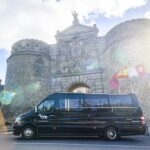
Meet at Hotel Puerta de Toledo at 8:00 am, then you’ll be on an air-conditioned vehicle heading toward Ribera del Duero. The drive is about 1.5 hours each way based on how people describe the day, so you’re spending a chunk of time in transit—but it’s the kind of transit that pays off. Guides often use that time to set the context: how the region fits into Spain’s broader wine story, how Tempranillo flavors shift with aging, and what to notice during tastings.
Because the group is limited to up to 8 people, you’ll usually get more attention at each stop. In reviews, guides like Yanny, Raúl, Enrique, and Giuseppe are repeatedly praised for being friendly, funny, and ready with answers. You don’t have to “know wine terms” ahead of time; you just need curiosity.
A practical downside: it’s a full day. You’ll want to eat before you go, stay hydrated, and accept that you’ll likely be tired afterward. That’s the trade for packing four winery experiences into one day.
Stop 1 in Ribera del Duero: biodiversity, biodynamics, and underground cellars
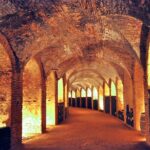
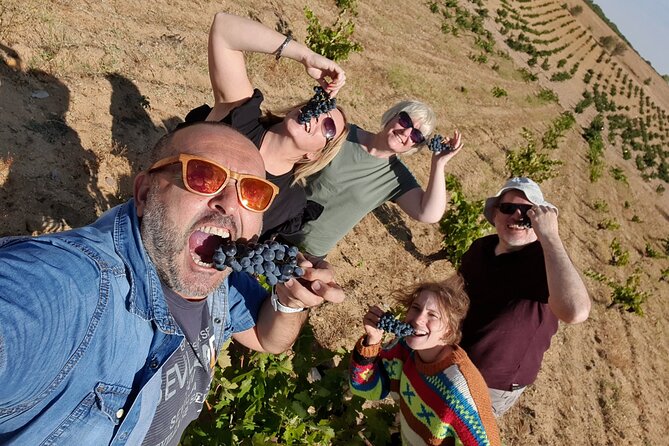
The first segment is all about understanding what makes Ribera del Duero tick. You’ll hear about artisan production, and it leans into biodynamic wine making and the local focus on tinto fino. You’ll also see underground cellar aging spaces, which can feel almost like time travel when you’re tasting.
This part of the day includes a longer winery time plus lunch. The specific wineries mentioned for this segment include Arbas, and Ismael Arroyo is included if available. That matters for you: the core experience stays consistent (cellars, vines, tastings), but the exact property can rotate.
What I like about this opening is that it sets your tasting “filters.” After you learn how grapes and cellar aging work here, the later stops make more sense. You’re not just tasting different reds—you’re tasting different choices.
One more practical note: some cellar areas can be cool and may involve steps. The tour isn’t listed as accessible for mobility issues, so it’s best to go in with realistic expectations about walking and footing.
Dominio de Cair and La Aguilera old vines: barrel tastings and an aperitivo
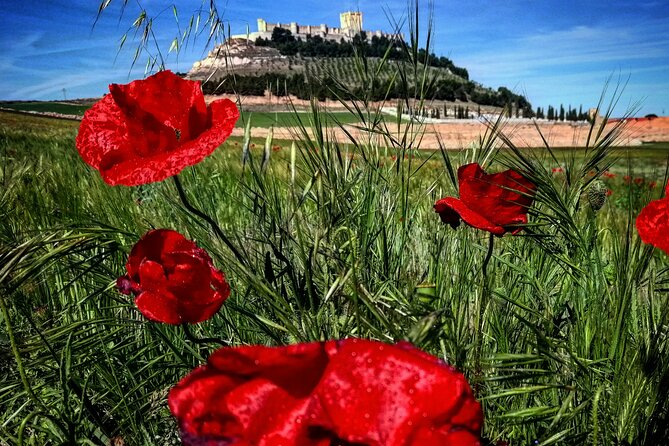
Next up is Bodegas Dominio de Cair in the Ribera del Duero area around Burgos, with a stop connected to La Aguilera, described as old vine plots.
This winery experience is built to feel hands-on. You’ll get a full tour and tastings that include wines directly from the barrel, which is one of those details that changes how you understand flavor development. Barrel tastings can help you imagine what’s happening before the wine fully settles into its final bottle expression.
The wines mentioned for this stop include:
- Selecion de la Aguilera
- Tierras de Cair
- Cruz del Pendón
And it also includes a pairing moment with an aperitivo.
If you like wine with a story, this is a good match. The region’s old-vine identity shows up in the texture and how the fruit sits in the glass, and barrel access gives you a front-row view of that process.
You can also read our reviews of more tours and experiences in Madrid
Bodega Alvides in a 16th-century cellar: rare bottles you won’t see elsewhere
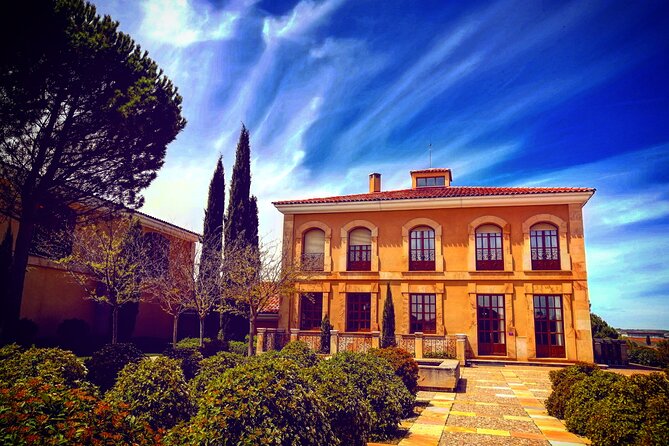
This is the “how is this even available?” stop. Bodega Alvides is described as an exclusive winery only available to the group, and the tasting space is an underground cellar from the 16th century. That combination—rarity plus real historic aging space—makes the day feel special even if you’re not a hardcore collector.
The winery is tied to third-generation winemakers Sara and Rodrigo, adding a youthful energy to a region known for centuries of practice.
The tasting list for Alvides includes:
- Clarete Rosado
- Classic Crianza
- Tercera Generación 2021 (noted as 95 points)
- Finca Juanillas, produced in limited quantity (250 bottles per year), reserved for the clients of this tour
This is where the tour justifies itself for serious wine lovers. You’re not only tasting standard labels; you’re tasting a lineup that’s positioned as higher-end and less widely accessible. Even if you don’t buy, you’ll learn how different expressions of Ribera del Duero can share DNA and still taste clearly different.
Timing here is tight: the stop is listed at about 50 minutes, so pay attention when you’re there. Don’t spend the whole time photographing; spend it tasting and asking.
Nabal and Valdubon: traditional vs. modern style, plus picoteo and chocolates

In the later part of the day, you’ll likely visit bodegas focused on different directions within “traditional Ribera”:
- Bodegas Nabal: described as having a classic profile, with a wine bar called Aster. You get a tasting of 3 wines with explanations, plus traditional picoteo.
- Bodegas Valdubon: described as more modern in approach but still making wines with a traditional profile. You get another 3-wine tasting with explanations, plus chocolates during the tasting.
One thing you’ll appreciate here is pacing. After the richer cellar experience of Alvides, these stops are described as more structured and snack-friendly, which helps you keep your palate reset.
Also, the chocolate pairing is practical: when you’re tasting reds for hours, sweetness cues can make it easier to notice tannin, acidity, and fruit intensity without overthinking every sip.
How much wine you’ll taste—and how to handle it like a pro
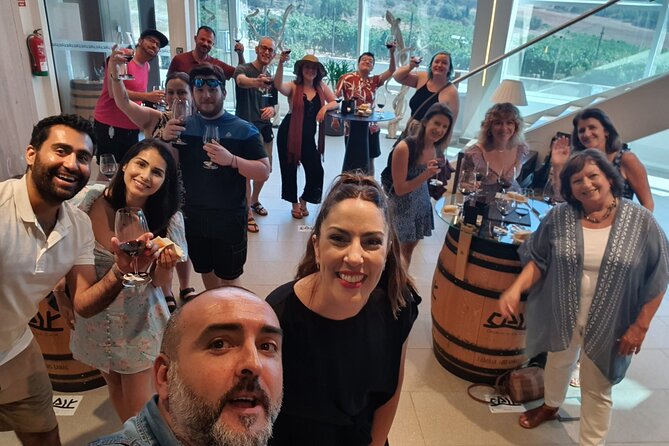
This tour includes 12 wine tastings, and the day includes lunch plus snacks and bottled water. That’s not “a couple tastes and done.” It’s a proper tasting day.
To enjoy it (and not feel awful by the end), I’d plan like this:
- Drink water between tastings. It’s included, and your body will thank you.
- Eat at lunch without rushing. The lunch is included and is described as plentiful and very regional, and it helps balance the wine load.
- If you’re buying bottles, keep note of which winery you truly connected with. Your favorites early in the day may become clearer by the last tasting.
If you’re sensitive to alcohol, it’s still possible to have a good time, but you’ll want to go into it with a slower tasting approach. Ask for smaller pours if the guide offers options, and focus on learning rather than chasing tipsy momentum.
Lunch in the wine region: local food that actually shows up
Lunch is included, and the tour specifically says it’s built from local gastronomy and that you should notify them about allergies or food restrictions ahead of time. Since changes to the menu on the day aren’t possible, this is the big practical “don’t wait” item for your planning.
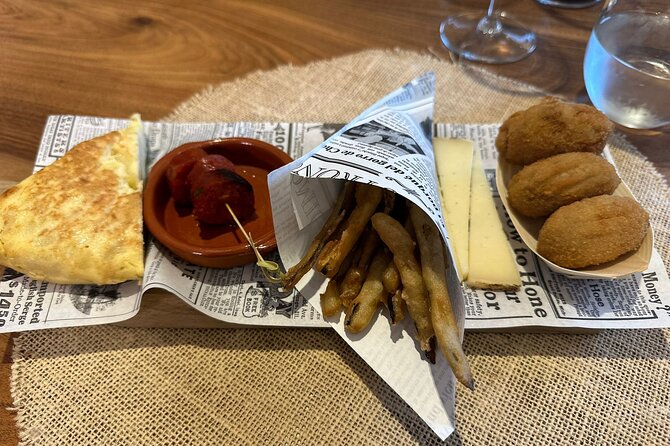
What lunch can look like on this tour shows up in people’s experiences. Some descriptions include favorites like tortilla, croquettes, plus spreads like cheese and Iberian ham. Even without copying the exact menu, the pattern is clear: you’re eating real Spanish-style comfort food, not a sad boxed lunch.
There’s also a small seasonal hint worth noting. One suggestion raised for cooler weather was that hot dishes like cocido could be a great lunch evolution. If you’re going in winter, I’d bring layers for lunch and expect colder cellar temperatures around tastings.
Transportation comfort: air-conditioned van, waters, and snacks
The vehicle is listed as air-conditioned, and you’ll have bottled water and snacks provided. That sounds basic, but it matters on a day when tastings happen back-to-back and you’re leaving Madrid in the morning.
Also, because the meeting point is near public transportation and the group size is small, the day feels more controlled than larger bus tours. You still get the full-day rhythm, but with less chaos.
Guides can make or break a wine day
One repeated theme is that the guides are engaging and easy to talk to. Names that come up include:
- Yanny: praised for patience, friendliness, and strong bilingual explanations (English/Spanish), plus humor.
- Raúl: described as very accommodating and deeply knowledgeable about the wine region and winemaking.
- Enrique: praised for warm hosting and for connecting the wine story to the broader area and history.
- Giuseppe and Alberto: also praised for language skills and keeping the day entertaining during the drive.
Even if you’re not the person who memorizes grape-growing facts, a good guide helps you taste better. You’ll know what to look for: aroma, acidity, tannin structure, and how aging style shows up in the glass.
Can you buy wine and take it home?
Yes—purchase opportunities are mentioned as part of the winery experiences. If you find a bottle that truly matches your taste, this tour is set up for that moment: you taste, learn, and then decide while the winery is still fresh in your mind.
If you want to bring wine home, keep in mind you’ll be dealing with breakable bottles after a long day. Put a bag aside for purchases and think about padding and storage on the ride back to Madrid.
Who should book this Ribera del Duero tour?
This is a great fit if:
- You want a structured day that teaches you without requiring prior wine knowledge.
- You like comparing wineries with different approaches in the same region.
- You enjoy cellars and production stories, not just tastings.
It’s not the best fit if:
- You need wheelchair access or step-free routes. The tour isn’t listed as accessible due to stairs and mobility limitations.
- You hate early mornings. The 8:00 am start is real.
- You’re looking for a slow, leisurely countryside stroll day. This is a tight schedule with short winery windows.
Should you book this Ribera del Duero Wine Tour from Madrid?
I’d book it if you want a genuine introduction to Ribera del Duero Tempranillo, with real winery access and enough tastings to learn what you actually like. The small-group size, expert guide attention, lunch included, and the mix of cellar-first and style-first experiences make the day feel worth it.
But be honest with yourself about two things: the day is long, and bodegas can be cold and not step-friendly. If you’re ready with a sweater and closed shoes—and you’re excited to taste and compare—you’ll leave with better wine instincts, not just a receipt for bottles.
If you’re unsure, I’d choose this one over a generic tasting-only tour in a heartbeat.
FAQ
What’s included in the tour?
The tour includes 4 winery visits, 12 wine tastings, lunch, an expert wine guide, bottled water and snacks, and round-trip transportation from Madrid in an air-conditioned vehicle.
How long is the experience?
It’s about 9 hours total.
Where do I meet the group?
You meet at Hotel Puerta de Toledo (Gta. de la Puerta de Toledo, 4, Arganzuela, 28005 Madrid) and the tour returns to the meeting point.
Do I need to bring anything?
Wear closed shoes. Bring a warm layer, since the bodegas can be cold. Also avoid using perfume or cologne before and during the experience.
Is lunch included, and can you handle dietary restrictions?
Lunch is included. You should notify the provider of food restrictions or allergies when booking, because they say the menu can’t be changed on the day of the visit.
Is this tour accessible for people with mobility issues?
No. The experience is listed as not accessible for people with mobility problems for subir/bajar escaleras.