REVIEW · EL ESCORIAL
San Lorenzo de El Escorial: Monastery and Site Guided Tour
Book on GetYourGuide →Operated by Todo Tours Gestion SL · Bookable on GetYourGuide
San Lorenzo de El Escorial is one of Spain’s most forceful buildings. On this guided tour of the Royal Monastery, I love how quickly a local guide turns stone, symbols, and Spanish Renaissance politics into something you can actually follow. Two big wins for me are the Royal Library—with Philip II’s collection—and the way the tour makes sense of the monument’s basilica and royal burial spaces.
The main thing to consider is pace. It’s a lot of rooms in two hours, so if you’re the type who likes to linger, you may feel a bit rushed, especially in the busier interior areas. Also, the meeting can be easy to miss—there’s a blue-umbrella guide, but a clear sign would make the start smoother.
In This Review
- Key things to know before you go
- The Royal Monastery: Spain’s power made visible
- The monastery’s “grill” plan and how the tour flows
- Inside the basilica: your first big “look up” moment
- The Battle Hall and the message of power
- The pantheon: where the monarchy becomes personal
- Palatial rooms: where ideology turns into comfort
- The Royal Library: Philip II and the value of books
- A 2-hour tour done right: what you’ll actually get
- Price and value: is $47 worth it?
- Meeting point and on-site rules that affect your experience
- Who this tour suits best
- Should you book this San Lorenzo de El Escorial tour?
- FAQ
- How long is the San Lorenzo de El Escorial: Monastery and Site Guided Tour?
- How much does the tour cost?
- What’s included in the price?
- What language is the live guide?
- Where do I meet for the tour, and when should I arrive?
- What do I need to bring?
- What’s not allowed during the tour?
- Is the tour refundable if my plans change?
- Can I reserve without paying right away?
- Is the tour wheelchair accessible?
Key things to know before you go
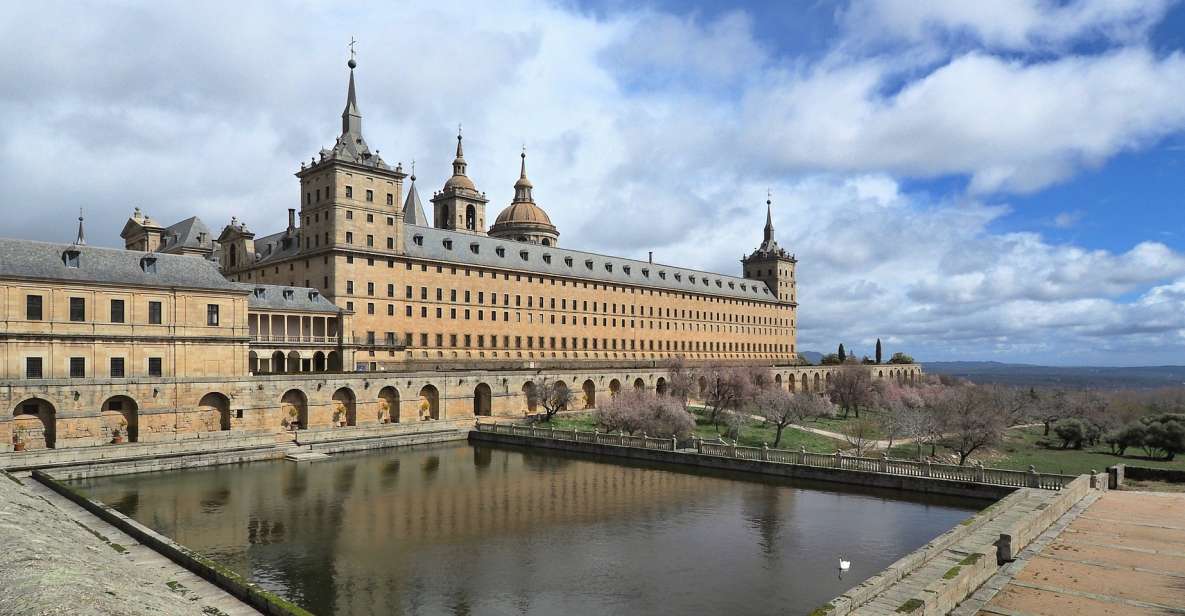
- A UNESCO World Heritage complex built to project Spanish Renaissance power
- Philip II’s Golden Age story connects architecture to ideology and rule
- Royal Library access gives context for why the king collected books
- A planned 2-hour route that covers basilica, Battle Hall, pantheon, and palatial areas
- Quiet, respectful rules (no noise; no large bags; dress matters) inside
The Royal Monastery: Spain’s power made visible
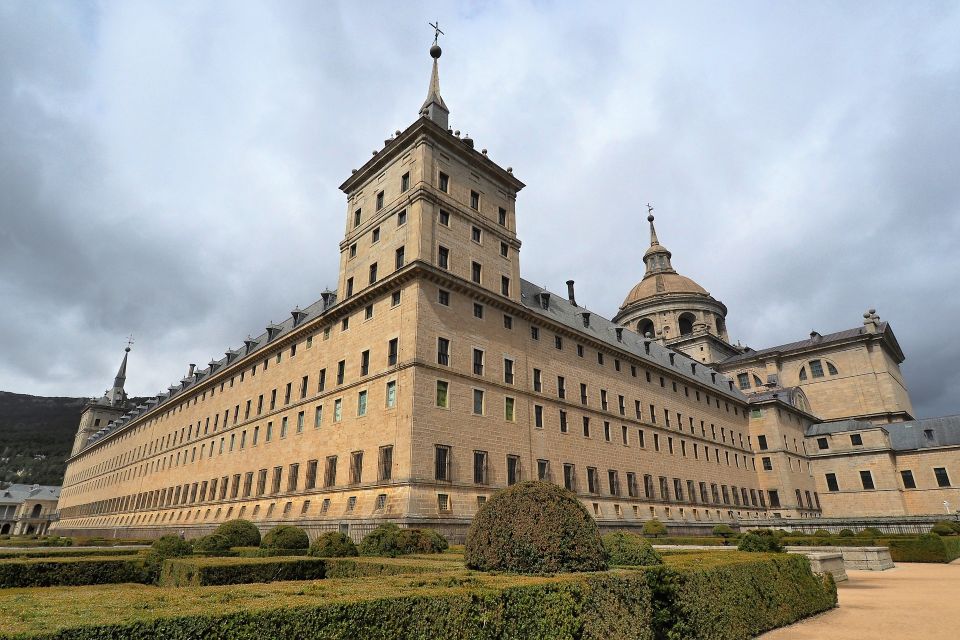
San Lorenzo de El Escorial sits just outside Madrid like a deliberate statement. This is not a casual sightseeing stop. It’s a 16th-century complex designed with order, control, and messaging in mind, and a good guide helps you read it instead of just walking through it.
I particularly like how the tour frames the monument as part of the Spanish Golden Age. The reign of Philip II is more than a date on a timeline here. You see how the monarchy wanted to connect religious authority, political legitimacy, and intellectual ambition in one single place.
And yes, it’s grand. But the real value is that your guide explains why the plan looks the way it does and why the rooms matter. You leave with a map in your head, not just photos on your phone.
You can also read our reviews of more tours and experiences in El Escorial.

The monastery’s “grill” plan and how the tour flows
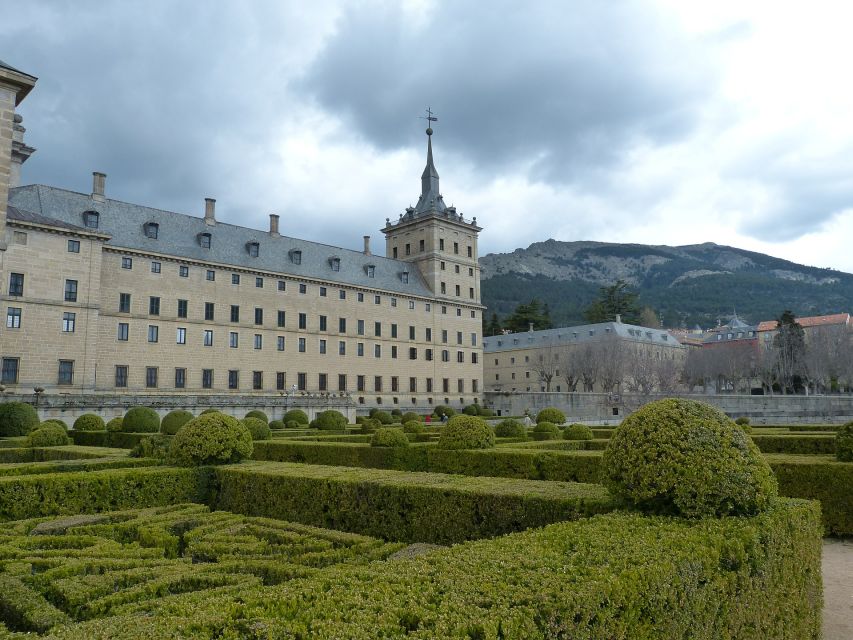
You’ll hear this described as a grid-shaped or grill-shaped monastery, and that layout isn’t just architectural trivia. It helps structure movement through the complex so that religious, ceremonial, and royal functions feel like they belong to the same system.
In the 2-hour format, you won’t see every corner in slow motion. Instead, you’ll follow an efficient route that hits the must-visit spaces: the basilica, key ceremonial areas, and the royal sections. That’s a plus if you’re short on time in Madrid and want your visit to feel purposeful.
The one drawback of this layout for some people: it can be a lot to absorb while you’re moving. The building has strong visual cues—yet there are still many rooms and corridors. If you tend to get turned around, pay attention to how your guide keeps the flow logical.
Inside the basilica: your first big “look up” moment
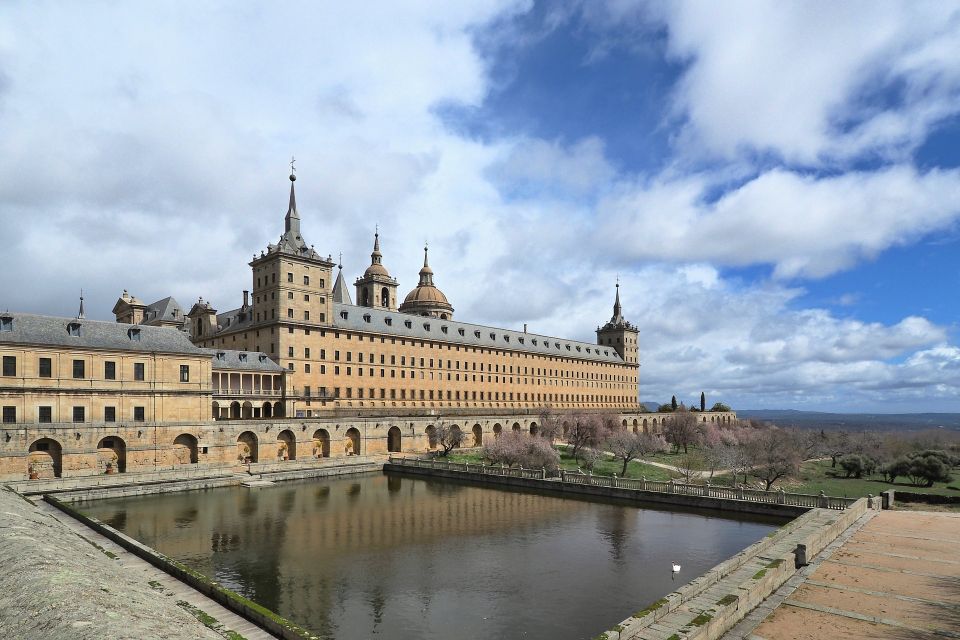
The basilica is where your brain starts sorting the monastery by function. From the outside, El Escorial looks imposing; inside, the scale and form push the sense of ceremony. Your guide will point out what to notice so you don’t just walk past impressive spaces without understanding what you’re seeing.
This stop works best if you can pause for a few seconds at a time. Listen for how the basilica connects to the broader ideals of the era. Even if you’re not a specialist in Spanish Renaissance design, the guide’s explanations make the religious and political purpose feel connected rather than random.
If you’re coming with kids or friends who move fast, this is still a good stop—but tell them to slow down for the first few minutes. Let the space do its job.
The Battle Hall and the message of power
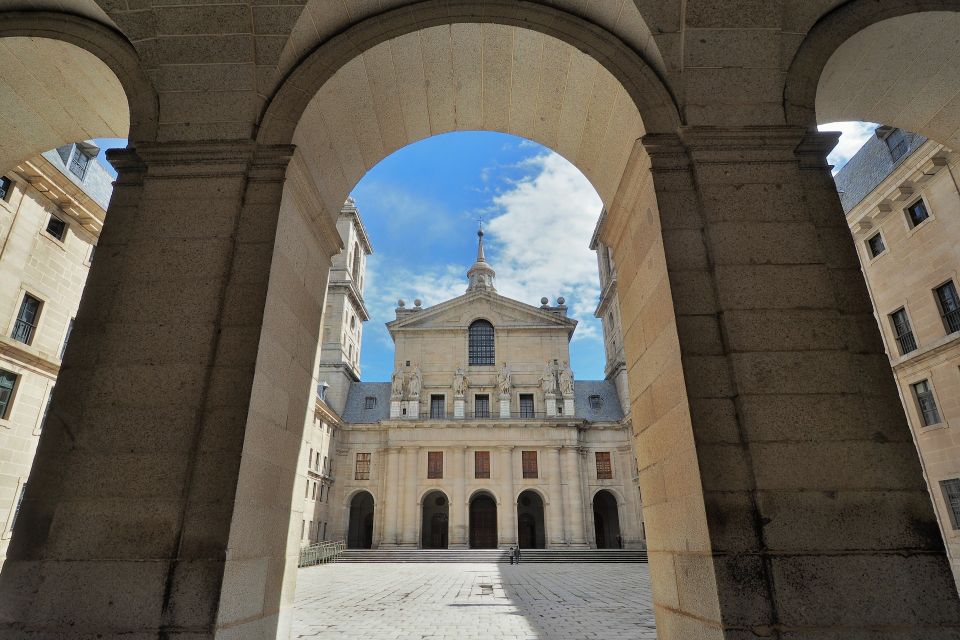
Next comes a room built for storytelling: the Battle Hall. You’re not there for a quick glance. This is the type of space where the guide’s interpretation matters, because the meaning is tied to the Golden Age mindset—monarchy, legitimacy, and victory narratives.
What I like about this part of the tour is that it doesn’t treat history like memorization. Your guide ties the hall to Spain’s self-image during Philip II’s reign. You start to understand why the monument doesn’t simply house art or religion. It argues a point.
If you dislike political history, this can still be interesting because it’s explained through the building’s design. You’re learning through architecture, not a lecture that forgets you’re standing in a room.
The pantheon: where the monarchy becomes personal
The pantheon section shifts the tone. The complex isn’t only ceremonial; it also becomes intensely human because it relates to the people who ruled. Your guide will help you connect these royal burial spaces to the idea of dynasty and continuity that powered Spanish imperial thinking.
I like this stop because it gives emotional weight. It’s easier to appreciate the monastery’s importance when you understand it wasn’t built in a vacuum. It was designed during a reign that aimed for lasting influence, and that ambition shows in the way the spaces are set up for reverence.
Take a moment here to notice how visitors are expected to behave. The site rules emphasize respect and quiet—so it’s not the place for loud group chatter or long phone calls.
Palatial rooms: where ideology turns into comfort
After the big ceremonial religious spaces, the tour moves into the palatial side of the complex. These rooms are about more than decoration. They show you how royal life and royal symbolism were fused during the Spanish Renaissance.
This is where the tour becomes very practical for understanding El Escorial. You can start spotting the difference between spaces designed for public ceremony and spaces designed for authority expressed in everyday form. Your guide explains the ideological and cultural aspirations of the Spanish Golden Age, and the rooms give that talk a physical home.
One caution: if you’re expecting the tour to be purely architectural, don’t. The best experience comes when you let the guide connect design to meaning, even when the meaning is political. That connection is what makes El Escorial stick with you after you leave.
The Royal Library: Philip II and the value of books
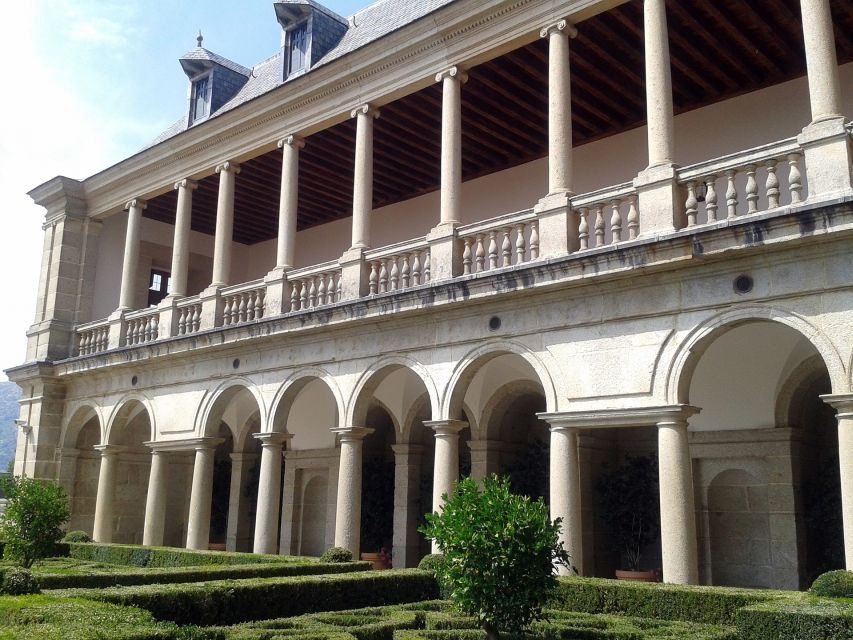
The highlight that really sells me on booking this guided option is the Royal Library. The library is described as a Renaissance statement of power, and the point isn’t just that it looks impressive.
You learn that Philip II collected volumes to expand humanistic knowledge. That detail matters because it explains a key tension in the era: faith, authority, and learning all moving together under one monarch’s vision. The library becomes proof that intellectual ambition was part of rule-making, not separate from politics.
If you love books, architecture, or museum-like rooms, this stop feels especially rewarding. Even if you don’t read Spanish, your guide’s pacing and explanations help you get the message fast.
A 2-hour tour done right: what you’ll actually get
This is a 2-hour guided visit, and that duration is a sweet spot if you want the big-ticket interior spaces without losing a whole day to logistics. You’ll move through the basilica, Battle Hall, pantheon, palatial rooms, and the Royal Library, then finish next to the entrance.
To get the most from it, you don’t need to be an expert. You just need to show up ready to listen and look. The guide’s job is to connect details into a story, and that story is what turns this from a photo stop into a real understanding of the monument.
If you’re the slow-and-steady type, go in knowing you’ll probably have to trade off lingering for breadth. If your priority is getting the “why” behind the place, this pacing works well.
Price and value: is $47 worth it?
At about $47 per person, this tour looks reasonable for a guided walkthrough of a major UNESCO-class monument, especially because the ticket and guide are included.
Here’s how I’d evaluate the value: you’re paying for two things that are hard to replicate alone. First, you get context for the Spanish Golden Age and Philip II’s cultural goals. Second, you save time by following an efficient interior route that hits the core highlights rather than wandering.
If you were planning to visit anyway, the included entry ticket makes the price feel more “fair” than a pure guiding-only fee. And if you’re short on time around Madrid, the 2-hour format helps you spend less time figuring out where to go and more time absorbing the key rooms.
If you hate guided tours or you prefer silent exploration, you might consider visiting independently. But for most people—especially first-timers in El Escorial—a guide is the difference between seeing rooms and understanding them.
Meeting point and on-site rules that affect your experience
Arrive 15 minutes early. You’ll need to exchange your voucher at the meeting point, and the guide will be waiting with a blue umbrella from Todo Tour at the access door to the monastery—the main entrance with the flag of Spain at the top.
Bring a passport or ID card. Inside, there are clear restrictions: no luggage or large bags, and dress should be respectful (short skirts and sleeveless shirts aren’t allowed). Swimwear is also not permitted, and you should expect rules about noise and respectful behavior.
These aren’t tiny details. They affect how smoothly your tour starts and how comfortable you’ll feel once you’re inside. If you travel with a daypack, keep it compact, because the site rules are explicit.
Also note the guide language: the live tour guide is Spanish. If you don’t speak Spanish well, the tour can still be enjoyable visually, but your experience will depend more on how much you can follow in real time.
Who this tour suits best
This tour fits best if you want a guided, organized path through a top Spanish Renaissance monument without spending your trip in confusion. It’s a strong match for history-minded travelers, architecture lovers, and anyone who wants Philip II’s era explained in a way that connects directly to rooms you’re standing in.
It also works if you’re traveling with mixed interests. The basilica and pantheon satisfy the cultural and religious curiosity. The Battle Hall brings a storyline feel. The Royal Library adds an intellectual angle that changes the mood from purely ceremonial.
It’s wheelchair accessible, which is a meaningful factor for many visitors when sites can be difficult to navigate.
Should you book this San Lorenzo de El Escorial tour?
Yes, you should book it if your goal is to understand El Escorial rather than just check it off. The standout value is the combination of included entry and a guide who can connect the Spanish Golden Age, Philip II, and the monument’s key spaces—especially the Royal Library.
I’d skip this option only if you strongly prefer independent exploring, you’re very short on listening time, or you expect a tour that moves at a slow museum pace. Otherwise, the 2-hour structure gives you exactly what you need to walk away with a clear picture of why this Renaissance complex matters.
If you want your first El Escorial experience to feel coherent and high-impact, this is an easy yes.
FAQ
How long is the San Lorenzo de El Escorial: Monastery and Site Guided Tour?
The tour lasts 2 hours.
How much does the tour cost?
The price is $47 per person.
What’s included in the price?
The tour includes a tour guide and an entry ticket to the Monastery.
What language is the live guide?
The live tour guide speaks Spanish.
Where do I meet for the tour, and when should I arrive?
Meet at the access door to the monastery (main entrance with the Spain flag at the top). Arrive 15 minutes early so you can exchange your voucher.
What do I need to bring?
Bring a passport or ID card.
What’s not allowed during the tour?
Luggage or large bags are not allowed. Short skirts, sleeveless shirts, swimwear, and making noise are also not allowed.
Is the tour refundable if my plans change?
Yes. You can cancel up to 24 hours in advance for a full refund.
Can I reserve without paying right away?
Yes. There is a reserve now & pay later option, so you can book your spot and pay nothing today.
Is the tour wheelchair accessible?
Yes, the tour is wheelchair accessible.