REVIEW · MADRID
Madrid: Prado Museum 3-Hour Private Tour
Book on GetYourGuide →Operated by MadSnail Tours · Bookable on GetYourGuide
The Prado becomes clearer fast with a real guide. This private 3-hour visit turns big rooms and famous names into a guided story, from a start at the Monument to Goya to key works inside the museum galleries. In the hands of art historian guides like Enrique or Marta, the visit feels less like wandering and more like smart sightseeing with breaks for questions.
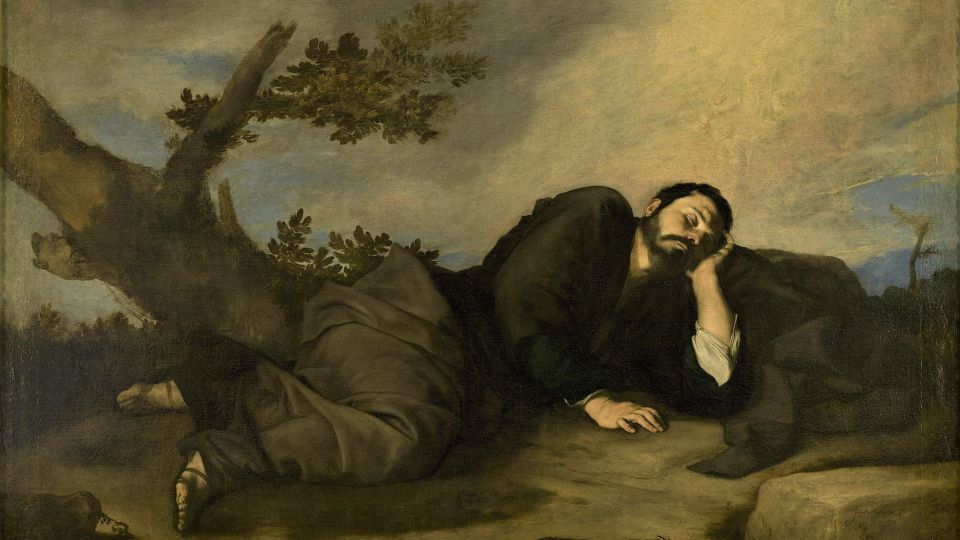
I love the way this tour picks a focused path through Spanish art, not just a random walk. You get expert, art-historian explanations while seeing standouts like Ribera’s anatomical drawings and Goya’s haunting Black Paintings. I also like that you can customize what you care about, so the highlights match your interests instead of a one-size script.
One consideration: the Prado’s permanent collection centers on earlier art, so if you’re chasing modern or contemporary work, you’ll likely want a separate stop (the Reina Sofía is the usual complement). That’s not a flaw, just a heads-up when your art taste runs later in time.
In This Review
- Key highlights worth planning around
- Why the Prado hits harder on a private 3-hour plan
- Meeting at the Monument to Goya: context before you even enter
- Skip the ticket line and protect your best 3 hours
- Inside Museo del Prado: a guided thread from Ribera to Goya
- What you should pay attention to while you listen
- The works you’ll feel even if you’re not an art nerd
- Customizing the experience without losing focus
- Price and value: what $351 gets you (and how to judge it)
- Who this Prado tour is perfect for
- Who should look elsewhere
- FAQ
- FAQ
- How long is the Prado private tour?
- What’s included in the price?
- Which languages are offered?
- Do kids get free entry?
- What do I need to bring?
- Is there free cancellation?
- Should you book this Madrid Prado 3-Hour Private Tour?
Key highlights worth planning around
- Monument to Goya start: you begin with context, not tickets and confusion
- Skip-the-line entry: you protect time for the paintings that matter most
- Ribera anatomy + Goya Black Paintings: two major experiences in one run
- Hidden museum viewing area: you get access to less-obvious 19th-century pieces
- Headphones for larger private groups: clearer guide audio when needed
- Multiple language options: Spanish, English, French, or Italian during the live tour
Why the Prado hits harder on a private 3-hour plan
The Prado is huge, and without a plan you can end up doing the museum equivalent of scrolling. This tour is designed around the opposite idea: pick a smart route, spend real time with fewer works, and leave with a better sense of how Spanish art developed.
What makes it work is the art-historian guide format. You’re not just looking at brushstrokes. You’re also hearing about the events, patrons, and cultural forces that shaped what artists painted and how they got away with it. That extra layer is what turns famous masterpieces into something you can actually interpret.
And because it’s private, you can steer the conversation. If you care more about political power, royal collecting, technique, or social change, you’re not stuck watching the guide rush through your “assigned” topics.
You can also read our reviews of more private tours in Madrid



Meeting at the Monument to Goya: context before you even enter
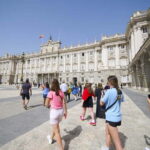
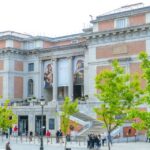
Instead of starting at the museum doors, you begin at the Monument to Goya. That little bit of staging matters. It sets a frame for what you’re about to see, especially if Goya is on your must-see list.
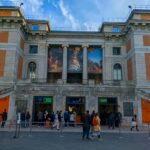
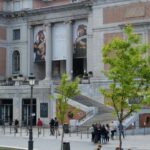
Then you move to the Museo del Prado and get organized before stepping inside. People who want the day to feel efficient tend to like this: it cuts down on the usual pre-museum chaos and helps you settle into the right mindset fast.
It’s also a good way to start with Madrid in the mix. Even though the focus is art, you’re not doing art-only. The route and pacing are built to keep the experience human, not robotic.
Skip the ticket line and protect your best 3 hours
Three hours goes fast at the Prado. The difference between a decent visit and a great one is how you use that time. This tour includes entrance fees and skip-the-ticket-line entry, so you spend your energy on galleries instead of queue time.
The time structure matters here because you’re also doing guided looking. You don’t get “move along, next painting.” You get guidance on what to notice and why a work became important in its moment.
This is also where private format pays off. If you need a slower pace, you can ask for it. If you have energy and want extra explanation at certain works, you can do that too. In my book, that flexibility is often the real value of a private guide.
Inside Museo del Prado: a guided thread from Ribera to Goya
Once inside, your guide focuses on Spanish and international painters from different periods, but with a strong emphasis on how style, technique, and history interact. Expect a “walk and talk” structure where the guide connects each stop to the larger story of Spain.
Here’s the kind of sequence this tour is built around:
- Ribera’s anatomical drawings: you’re encouraged to look at structure and realism, not just subject matter
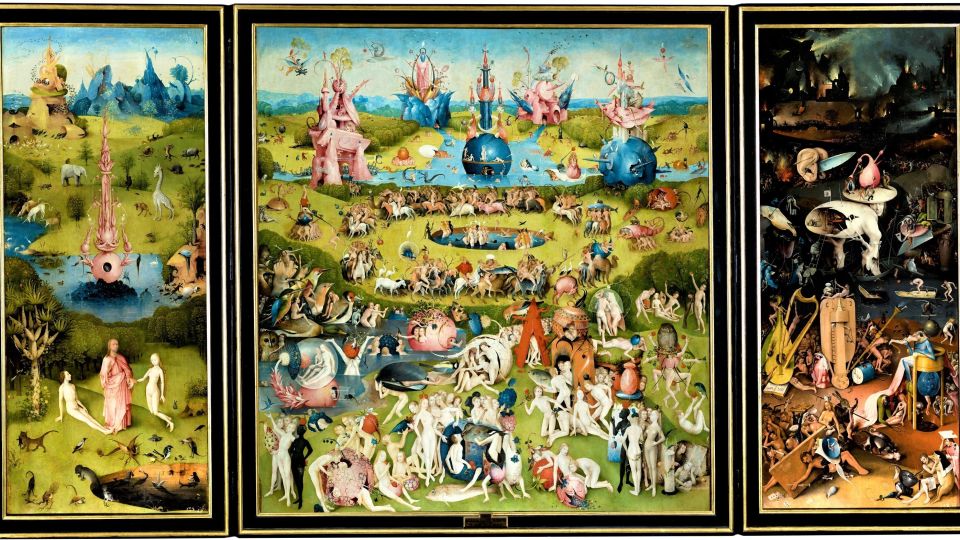
- Goya’s Black Paintings themes: you slow down and unpack mood, symbolism, and what was happening in the world around him
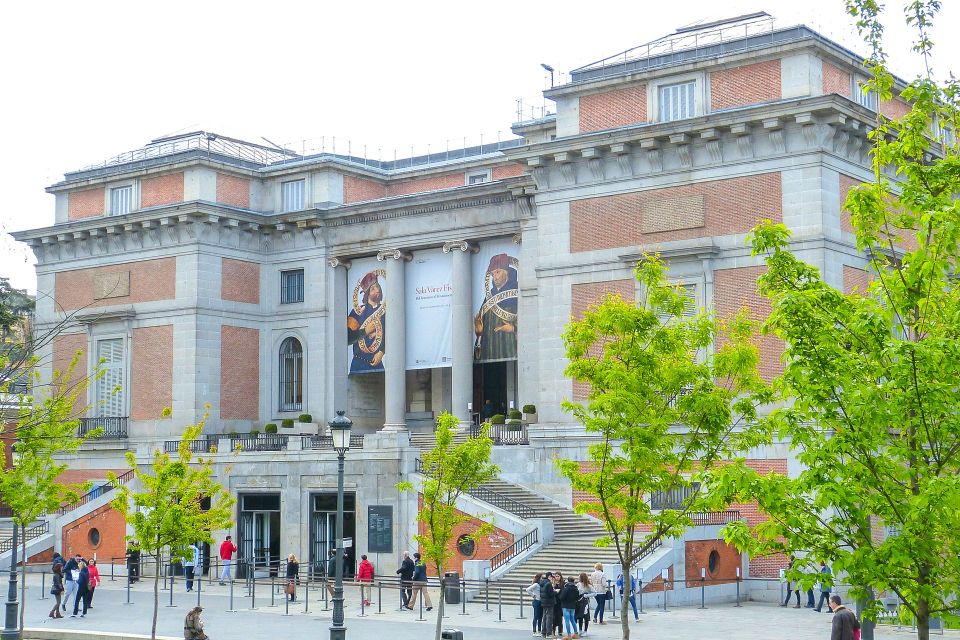
- A look at 19th-century paintings from the alternative El Casacón genre, including time in a more hidden area of the museum
Even the way the tour talks about periods tends to make more sense than a textbook. You get historical context tied to what you can see. That means a viewer moment like noticing figure details, composition choices, or tone isn’t random. It’s part of a bigger explanation.
What you should pay attention to while you listen
You’ll get the most out of the tour if you treat it like a guided viewing practice. When the guide points out an anatomical detail or a tonal shift, pause your own impulse to “just look.” Ask yourself what the artist is doing and what effect they’re aiming for.
That mental habit is what makes the art stick after you leave the galleries.
You can also read our reviews of more museum experiences in Madrid



The works you’ll feel even if you’re not an art nerd
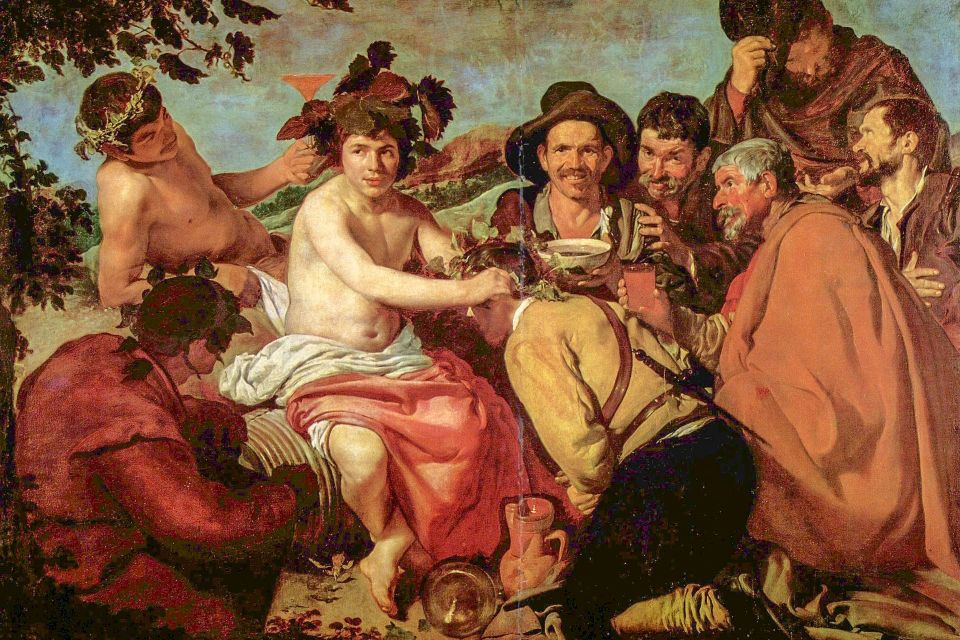
This tour is built around a few unforgettable experiences. Even if you’re “only here because everyone says it’s a must,” these are the kind of works that land.
Goya’s Black Paintings
The tour frames them as haunting not in a vague way, but in terms of themes and historical pressures. If you’ve heard rumors about Goya being dark, this is where you see what people mean. The guide’s job is to help you connect those themes to time, circumstance, and artistic choices.
Ribera’s anatomical drawings
Anatomy sounds clinical until you see it linked to skill and intention. The guide’s attention to form helps you understand why these drawings matter beyond their subject. They show how observation and technique become their own language.
El Casacón and the museum’s less-obvious 19th-century side
Most first-time Prado visits prioritize the biggest-name masterpieces. This tour also points you toward the alternative El Casacón genre and includes a look at a lesser-known area tied to 19th-century painting. If you like variety, this helps the experience feel less like a “greatest hits” checklist.
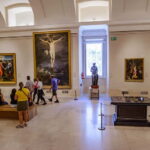
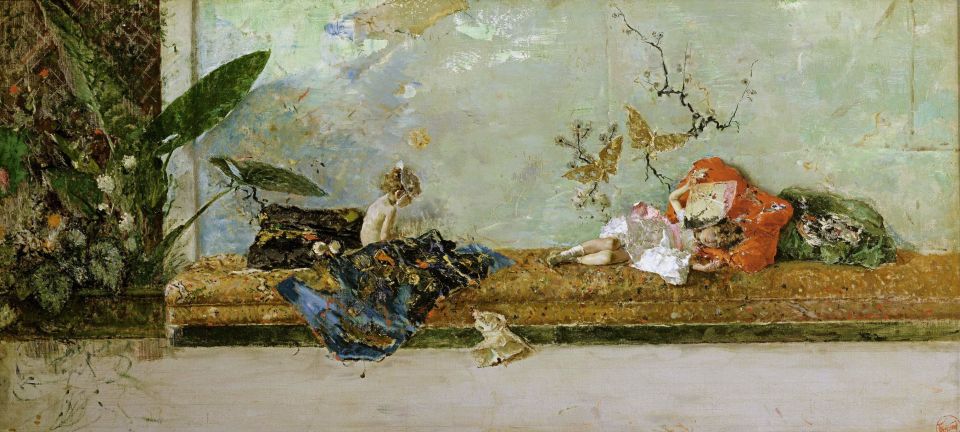
One more bonus, based on how the tour is commonly experienced: you often get a moment to reflect on the museum itself, including the grand interior and the founder’s role in shaping what you’re seeing. Even 2 minutes of noticing the building can make your visit feel more grounded.
Customizing the experience without losing focus
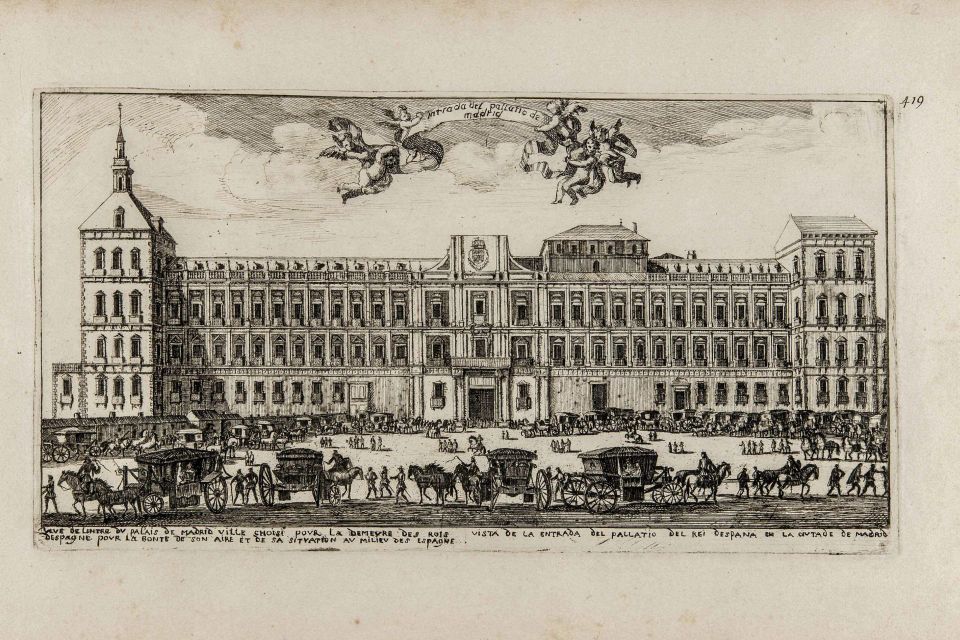
Private tours sound customizable, but not all of them really are. Here, customization shows up as topic direction: you can steer the guide toward the areas you care most about while still keeping the tour tight enough to fit 3 hours.
That’s a practical win. You’re not starting over in a new direction every time you change your mind. Instead, you’re adjusting within a curated set of stops—so you still see the big targets and you still understand why they’re connected.
Also, if you’re traveling with kids, this matters. A good guide can keep the tour moving at a pace that works for younger attention spans. The same tour can be history-heavy or question-friendly depending on who’s in your group.
Price and value: what $351 gets you (and how to judge it)
The price is listed as $351 per group (with the note that the group size rules apply). Since you’re booking a private group, value depends on how many people you’re bringing.
Here’s how I’d think about it:
- If you’re 1–2 people, you’re paying for expert guidance plus skip-the-line convenience plus entrance fees bundled together. You’re buying time and focus.
- If you can group with friends (staying within the private-group pricing rules), the per-person cost drops, and suddenly you’re paying mostly for the guide’s attention—the part you can’t replicate with audio.
The best “value signal” isn’t the number. It’s that you’re getting a live art historian guide for a full 3 hours and entering without waiting in line. If your goal is to understand what you’re seeing rather than just photograph it, this format usually makes sense.
One more angle: you’re visiting the Prado, where a self-guided day can turn into hours of aimless wandering. Paying for structure can be cheaper than spending your limited vacation time feeling lost.
Who this Prado tour is perfect for
This is a strong match if you want:
- A high-impact introduction to the Prado in a short time window
- Deeper context for key Spanish artists, especially Goya and Ribera
- A more conversational experience where you can ask questions and set the pace
- A private setting that can work well for mixed ages (including families), as long as everyone can enjoy museum time
It’s also a great pick if you get annoyed by crowded, fast-moving group tours. A private plan tends to feel calmer and more controlled.
Who should look elsewhere
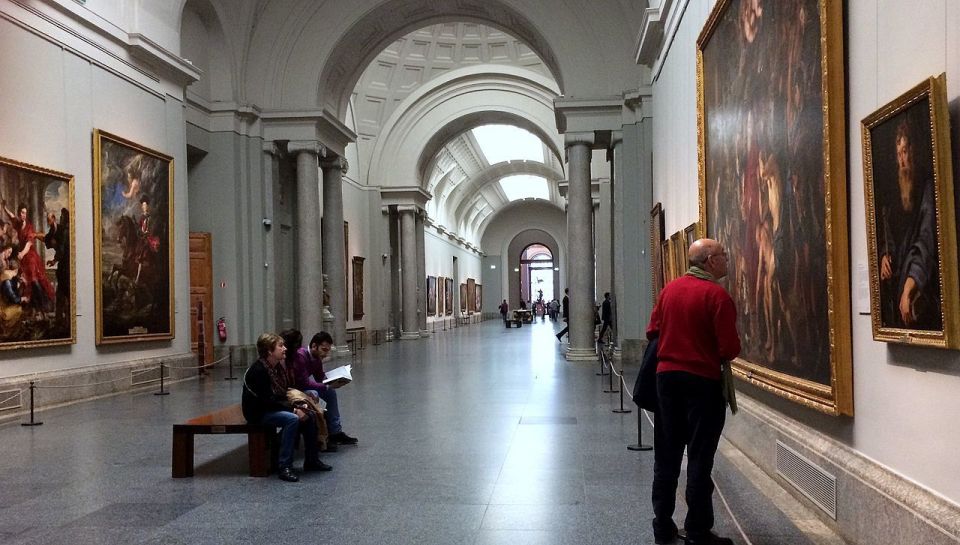
If your main goal is modern or contemporary art, the Prado may feel limiting. The museum’s focus here is on older works, even if there are temporary exhibitions. For modern and contemporary painting, you’ll likely want a separate museum visit elsewhere—often the Reina Sofía for that specific timeline.
Also, if you’re traveling with very high expectations for a “wide scope of everything,” remember: 3 hours means selection. This tour selects well, but it won’t cover every corner of the Prado. You’re choosing depth, not breadth.
FAQ
FAQ
How long is the Prado private tour?
It lasts 3 hours.
What’s included in the price?
Entrance fees and a local art historian guide are included, and you also get skip-the-ticket-line access.
Which languages are offered?
The live guide is available in Spanish, English, French, and Italian.
Do kids get free entry?
If you’re booking for 2 adults with 2 children under 18, the children enter for free. You should book just for 2 people and inform the supplier that you have two minors. Children must show proof of age at the ticket office to get free entry.
What do I need to bring?
Bring a passport or ID card.
Is there free cancellation?
Yes. You can cancel up to 24 hours in advance for a full refund.
Should you book this Madrid Prado 3-Hour Private Tour?
If you want the Prado to make sense fast, I’d book it. The private format, the art-historian explanations, and the skip-the-line entry all point to a smarter use of time in one of Europe’s largest museums.
I’d think twice only if your top goal is modern or contemporary art, because the Prado’s focus won’t cover everything later in time. If you’re happy with classic-to-19th-century Spanish art and want context that turns paintings into stories, this is exactly the kind of guided visit that pays off.