REVIEW · MADRID
Medieval Madrid: Discover Legends & History
Book on Viator →Operated by Trip Tours Madrid · Bookable on Viator
Madrid has a talent for making the past feel close. This 2.5-hour evening walk threads legends, symbols, and famous landmarks into one smooth route. I like how the stops are practical—you get bearings fast—and I also like that you’re guided through the why behind what you see, from Madrid’s street-food fame to the Egyptian temple story.
Two things I really value: first, the itinerary keeps you moving (no wasted time sitting), and each location gets enough context to make it click. Second, the pacing is friendly: about 20 minutes per stop, so you can handle it even if you’re not a marathon walker. One thing to consider: you won’t be going inside ticketed attractions; it’s mainly viewing and learning from the outside/overlooks, so plan expectations around a walking-and-stories format.
In This Review
- Key highlights you’ll care about
- A 5:00 pm medieval stroll that feels like Madrid’s secret shortcut
- Meeting at Casa de la Carnicería and ending at Templo de Debod
- Plaza Mayor: where markets, crowds, and legends meet
- Calle de la Cava Baja: tapas street, storytelling included
- El Madroño: Madrid’s strawberry tree symbol and Madroño liqueur
- Real Basilica de San Francisco el Grande: a dome you can’t ignore
- Puente de Segovia: the Royal Palace and Almudena views for golden hour
- Plaza de Oriente: royal-area calm without the full detour
- Templo de Debod: an Egyptian temple with a Madrid sunset plan
- Price and value: $2.64 per group means more guide time per euro
- Pacing, walking comfort, and who this fits best
- Quick honesty: a realistic consideration before you book
- Should you book Medieval Madrid: Discover Legends & History?
- FAQ
- What time does the tour start?
- How long is the tour?
- Where do I meet the guide?
- Where does the tour end?
- Is the tour in English?
- Do I need to buy tickets or enter attractions?
Key highlights you’ll care about
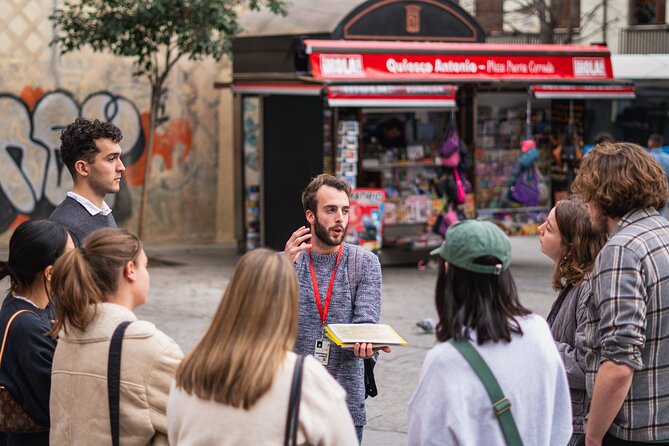
- Small private group (up to 6): easier questions, less crowd friction, more guide attention
- 5:00 pm start: timed for nicer light and that “evening Madrid” mood
- Symbol stops: El Madroño and the Madroño liqueur moment, not just big monuments
- Big-doom church moment: Real Basilica de San Francisco el Grande and its famous dome scale
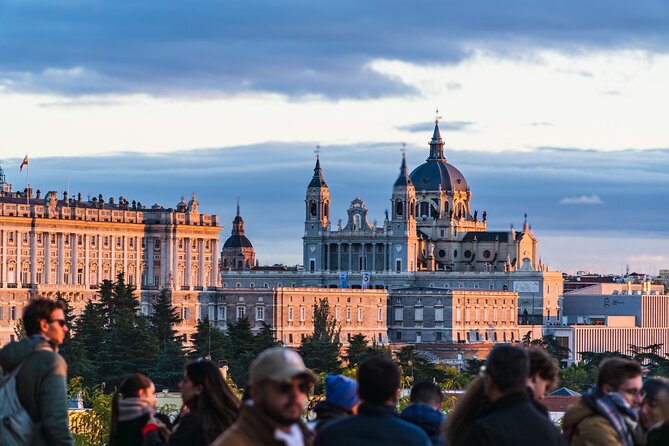
- Photo payoff: Puente de Segovia with views of the Royal Palace and Almudena Cathedral
- World-mashup history: Templo de Debod, an ancient Egyptian temple in Madrid
A 5:00 pm medieval stroll that feels like Madrid’s secret shortcut
This tour is built for the way Madrid actually works: you walk, you look, you listen, then suddenly the city makes sense. Starting at 5:00 pm is smart because the light gets kinder and the route naturally turns into golden-hour viewing. You’re moving through classic areas—Centro and Moncloa-Aravaca—without having to plan connections or transfers.
The format also helps your brain. With only about 2 hours 30 minutes, you get a curated path that ties together legends and landmark context. It’s the kind of evening plan that doesn’t require a full-day time commitment, yet still gives you clear takeaways you can use the next day.
You can also read our reviews of more historical tours in Madrid

Meeting at Casa de la Carnicería and ending at Templo de Debod
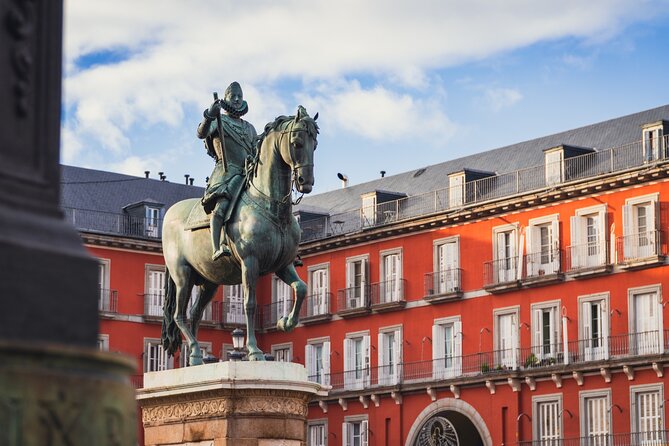
You start at Casa de la Carnicería, Plaza Mayor (Pl. Mayor, s/n). The key detail: look for the umbrella in full yellow. That’s the kind of small instruction that saves minutes of confusion.
Your tour ends at Templo de Debod (C. de Ferraz, 1, Moncloa – Aravaca). That finish location is useful because it’s a great area to keep exploring after the walk—especially if you’re chasing sunset vibes. You’re also told the tour is near public transportation, which is helpful if you want to hop off early or keep your evening flexible.
One more note that matters in real life: this is a private tour/activity, so it’s just your group (up to 6). Fewer people means you’re more likely to hear every detail the guide shares without constantly playing catch-up.
Plaza Mayor: where markets, crowds, and legends meet
The tour begins at Plaza Mayor, one of Madrid’s grand main squares. What I like here is that it’s not treated like a postcard-only stop. You learn what this space has meant over time—market days, public spectacles, and the kind of everyday city life that happened in the open.
Even if you’ve seen photos, standing here is different. You start to notice proportions, entrances, and how the square works as a gathering point. It’s also a fast way to understand why later landmarks feel “connected” rather than random.
What to watch for: look up at the building fronts and imagine the square packed with activity. The guide’s job is to help you do that, so you don’t just pass through—you actually interpret the space.
Calle de la Cava Baja: tapas street, storytelling included
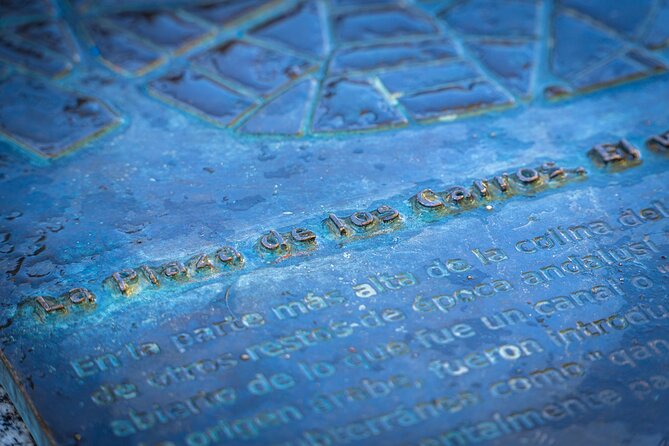
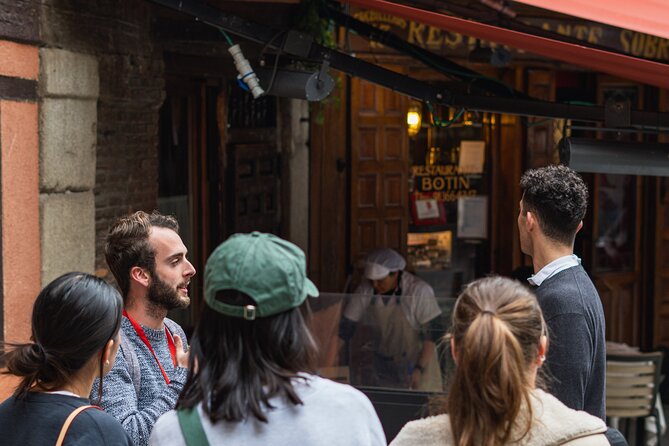
Next you head to Calle de la Cava Baja, a street known for its lively tapas scene. This is where the tour turns from architecture to culture. The guide connects the food vibe to the area’s past, so you understand why this street feels like Madrid’s social center.
This stop is ideal if you want your history to taste like something. Even if you’re not ordering during the tour (food and alcohol aren’t included), the context helps you plan your own night out afterward. You’ll know what kind of street this is, what it’s famous for, and how to use it as a navigation tool for your next meal.
Possible drawback: if you’re expecting a formal food tour with tastings included, adjust your expectations. The liqueur sampling comes later, and drinks/food aren’t part of the price.
El Madroño: Madrid’s strawberry tree symbol and Madroño liqueur
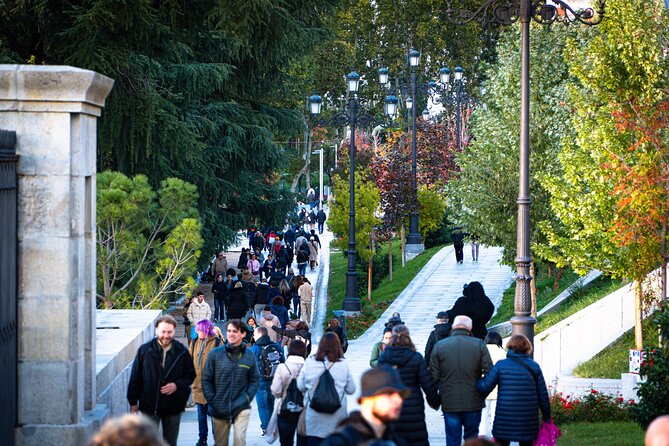
Then comes a classic identity stop: El Madroño. This is where you encounter Madrid’s symbol—the strawberry tree—and learn why it matters to the city’s image. It’s one of those moments that feels small at first, then makes sense once the guide connects it to local legend and tradition.
There’s also a chance to sample Madroño liqueur here. That’s a fun, low-commitment way to make the cultural lesson stick. And because it’s a quick tasting moment, it works even for travelers who don’t want a long “drinks chapter” during their walking tour.
Tip: if you’re sensitive to alcohol or don’t want to mix tastes, you can still enjoy the stop for the symbolism and skip the sip—your understanding won’t depend on it.

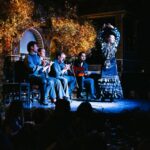

Real Basilica de San Francisco el Grande: a dome you can’t ignore
At Real Basilica de San Francisco el Grande, the big conversation is scale—specifically the dome. You’re told it’s one of Christianity’s largest domes, and that fact changes how you look at the church. Even from a viewing perspective, the building’s mass and design read differently when you know it’s meant to impress.
You’ll also connect the basilica to art history, including work associated with Goya. That matters because Madrid isn’t just modern life on top of old stones. It’s also an art-and-history city, and this stop helps you see how those threads show up in major religious landmarks.
What you’ll get: not just “this is famous,” but a sense of why it’s famous and how art and architecture reinforce each other.
Puente de Segovia: the Royal Palace and Almudena views for golden hour
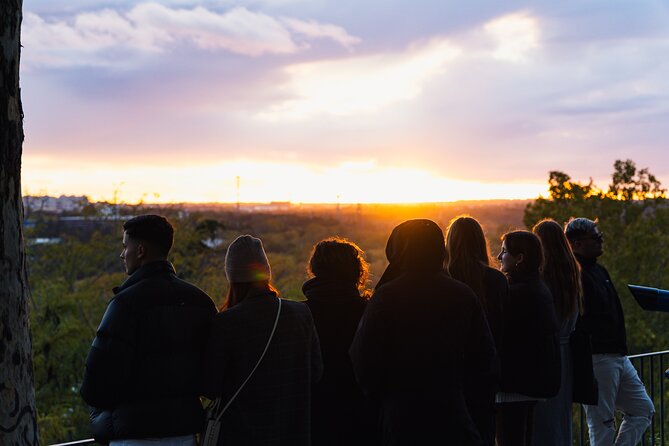
Now you reach Puente de Segovia, a bridge built for panoramas. The guide points you toward viewpoints over the Royal Palace and Almudena Cathedral, which makes this stop feel like a natural photo break rather than a random walking pause.
If you’ve ever thought Madrid looks best from specific angles, this is that moment. Bridges act like framing tools, and this one gives you a way to “see the city as a scene.” It’s also a good sunset candidate, so if you time your photos right, you’ll feel like you planned ahead.
Practical tip: keep your phone/camera ready, but don’t block the flow. The viewing part is only about 20 minutes, and the tour keeps moving.
Plaza de Oriente: royal-area calm without the full detour
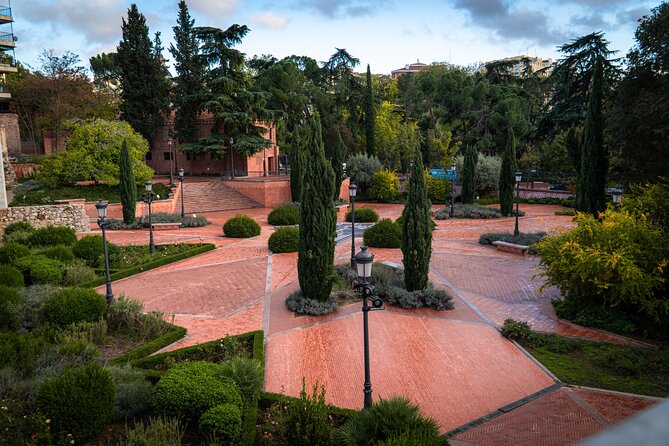
Next is Plaza de Oriente, by the Royal Palace gardens. This stop is designed as a breather. After the bridge views, you shift into a calmer space where you can slow down, reset, and take in royal-era context.
It’s a good contrast stop: you get proximity to the palace world, but you’re not stuck in one long location. The guide helps you understand what you’re looking at and why the area feels like a “court side” counterpart to busier streets.
What to expect: a slightly quieter rhythm, with the guide’s storytelling keeping it from feeling like you’re just waiting for the next photo.
Templo de Debod: an Egyptian temple with a Madrid sunset plan
The final stop is Templo de Debod, an ancient Egyptian temple in Madrid. This is one of the most unique parts of the whole route because the story isn’t local-only. You learn how it traveled—its journey from Egypt to Spain—which gives Madrid’s landmark list a surprising global twist.
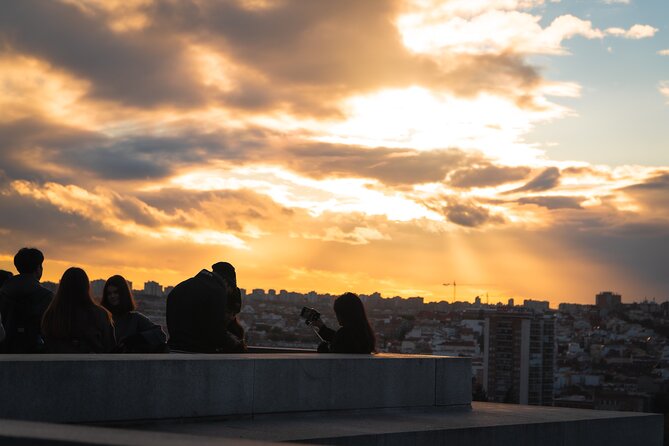
The timing works for the setting. This is also where the tour leans into sunset atmosphere, so if you like ending the day with a strong visual, this is the right closer. Even if the route is “just a walk,” the ending creates that satisfying finish where the city feels larger than your own day plan.
Why this stop matters: it turns a standard sightseeing day into something memorable. The guide’s context gives you a reason to care that goes beyond photos.
Price and value: $2.64 per group means more guide time per euro
The tour price is listed as $2.64 per group (up to 6). On paper, that’s astonishingly low, but the value logic is clear: you’re paying for guided interpretation across multiple major landmarks within a short time window. For small groups of friends or family, per-group pricing can make a huge difference because the “cost per person” drops fast.
Here’s what’s included: an expert guide, plus printed material and didactic tools along the route. There’s also a link for personalized recommendations for what to do next in Madrid. Those resources matter. They don’t just fill time; they help you turn the tour into a practical plan for the rest of your trip.
What’s not included: alcoholic drinks and food, and entrance tickets aren’t needed since you’re not going into ticketed sites. That last part is important when you judge value. If you want deep museum entry experiences, you’ll need a different type of tour. If you want guided walking interpretation at classic landmarks, this one fits.
Pacing, walking comfort, and who this fits best
This is a walking tour, and the itinerary is structured with about 20 minutes per stop across seven stops. That pacing is friendly for a lot of people, but it still adds up. Wear comfortable shoes—your evening will include plenty of standing, short walks between points, and photo moments.
The good news: it’s set up so most travelers can participate, and it allows service animals. It’s also private to your group, which usually makes the flow easier for everyone.
Who will like it most:
- First-time visitors who want a fast way to understand key Madrid symbols and landmarks
- Travelers who love stories more than ticketed museum time
- Small groups who want a guide without splitting a huge crowd
Who might want a different option:
- Anyone who specifically wants entrance-based sightseeing and long time inside churches or major attractions
- Travelers who hate walking at dusk or don’t like evening starts
Quick honesty: a realistic consideration before you book
The big “watch-out” is expectation-setting. Since entrances aren’t part of the tour, you shouldn’t treat this as a sit-down, ticketed, inside-the-attraction experience. The goal is viewing, context, and storytelling at landmarks and viewpoints.
Also, the experience depends on good weather. If the forecast looks bad, plan to check for updates and be ready for a schedule change. That’s common for outdoor walking tours, and it matters more than people think.
Finally, because this is a meeting-at-a-specific-point kind of tour, don’t be late. Arrive early enough to find the umbrella and get settled, especially if you’re coming from a transit stop.
Should you book Medieval Madrid: Discover Legends & History?
I’d book this if you want a smart evening plan that gives you structure. The route covers exactly the kinds of places that help Madrid click: Plaza Mayor for orientation, Calle de la Cava Baja for food culture context, El Madroño for a city identity symbol (plus the liqueur chance), and then big landmark pairings with payoff views and a truly unusual ending at Templo de Debod.
It’s especially worth it if you’re traveling in a group of up to 6 and you like guides who explain what you’re seeing, not just what’s famous. The low per-group price also makes it an easy add-on to a busy itinerary.
If you’re the type who wants to spend most of your time indoors with official ticket entry, this may feel too light. But if your goal is to understand medieval Madrid-style stories and see the city from the right angles in one evening, this is a very practical choice.
FAQ
What time does the tour start?
The start time is 5:00 pm.
How long is the tour?
The duration is about 2 hours 30 minutes (approx.).
Where do I meet the guide?
Meet at Casa de la Carnicería, Plaza Mayor (Pl. Mayor, s/n, Centro, 28012 Madrid). Look for the umbrella in full yellow.
Where does the tour end?
The tour ends at Templo de Debod (C. de Ferraz, 1, Moncloa – Aravaca, 28008 Madrid).
Is the tour in English?
Yes, it’s offered in English.
Do I need to buy tickets or enter attractions?
No. The tour notes that entrance tickets are not necessary because you don’t enter ticketed sites during this experience.