REVIEW · MADRID
The Making of Malasaña
Book on Viator →Operated by The Making of Madrid · Bookable on Viator
You can read Malasaña in a totally different way. This private walk turns the neighborhood’s nightlife reputation into stories of uprisings, reinvention, and unexpected corners. I especially like how fast the tour changes your angle: you’re seeing old Madrileño drama in real places, not just hearing general talk. You’ll also appreciate the guide’s approach, where small stops add up to a clear picture of how this area became the place it is today.
One possible drawback: the pacing is quick, so if you prefer long museum time or slow wandering, you may want to pair this with extra self-guided time after.
In This Review
- Key things to know before you go
- Why Malasaña feels different when someone guides your feet
- Price and what you really get for $356.05
- The start: meeting near Tribunal and getting your bearings fast
- Stop 1: Microteatro, where mini plays began in an old brothel
- Stop 2: Church of Saint Anthony of the German and the hidden ceiling
- Stop 3: Museo de Historia de Madrid and the Goya connection
- The walking between stops is part of the experience
- The guide matters: why Felicity’s style shows up in the whole route
- Who this tour is best for (and who should choose something else)
- Practical tips so you get the most out of the 2 hours
- Should you book The Making of Malasaña?
- FAQ
- How long is The Making of Malasaña?
- Is this a private tour?
- Do I need to print anything or can I use a mobile ticket?
- Is the museum ticket included?
- Are tickets included for every stop?
- Where do I meet the guide?
- What if the weather is bad?
- What’s the cancellation window?
Key things to know before you go
- Malasaña stories with real street-level context: uprisings, colorful locals, and how the district shifted into a nightlife hub
- Microteatro’s origins in a former brothel: a short stop with a big explanation about Madrid-style theater
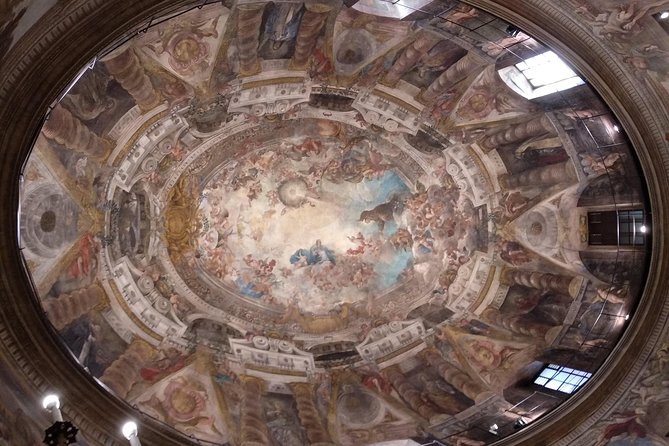
- A ceiling you might miss in a blink: the Church of Saint Anthony of the German hides artwork visitors often don’t spot
- Museo de Historia de Madrid included: you’ll connect neighborhood events to larger Spanish turning points, plus a Goya moment
- Private tour for just your group: less waiting, more chances to ask your guide questions
- A 2-hour format: strong for a focused afternoon, not for a full neighborhood “day trip”
Why Malasaña feels different when someone guides your feet
Malasaña is one of those Madrid districts people chase for its energy. But the energy isn’t the whole story. The Making of Malasaña frames the area as a living script—written by local tension, personal ambition, and the kind of people who don’t stay quiet for long.
As you walk, you’ll hear how the neighborhood earned its name and reputation through public uprisings and bold character. The tour also explains the later shift into a nightlife center, so the streets don’t feel random. They feel chosen.
Two things I like a lot about this experience are the guide’s storytelling style and the way the route mixes surprise stops with smarter context. The guide is named Felicity in the feedback I received, and that lines up with what you’ll likely notice: the person leading you has clearly researched the details, keeps the group engaged, and ties each stop back to the bigger Malasaña picture.
The other thing I like: the itinerary uses a smart pacing trick. You get quick “look and learn” moments at street-level spots, then a longer, payoff stop at a museum where the story grows teeth. One thing to consider is that it moves briskly between points (some stops are only a few minutes), so you’ll want to stay present and watch where you’re stepping.
You can also read our reviews of more tours and experiences in Madrid.


Price and what you really get for $356.05
At $356.05 per person for about 2 hours, this isn’t a budget walking tour. The value comes from three places:
1) It’s private. You’re not sharing your guide’s time with a crowd. That usually matters more on a story-heavy tour than it does on a “look at the building” tour.
2) You get ticketed access where it counts. Museum time at Museo de Historia de Madrid is included, and Microteatro’s admission ticket is listed as free. Church entry at the Church of Saint Anthony of the German is not included, so you may have a small extra cost there depending on what’s required at the moment.
3) You’re buying interpretation, not just sightseeing. The tour doesn’t simply point at places. It explains why they matter: how personal power, court intrigue, and national events link back to the pulse of Madrid districts like Malasaña.
If you’re traveling with a group, this style of tour often becomes easier to justify than you’d think, because you’re splitting the “private experience” benefit across your party. If you’re solo, it’s still a strong choice if you want a focused 2-hour slice that helps you navigate the neighborhood like an informed local.
The start: meeting near Tribunal and getting your bearings fast
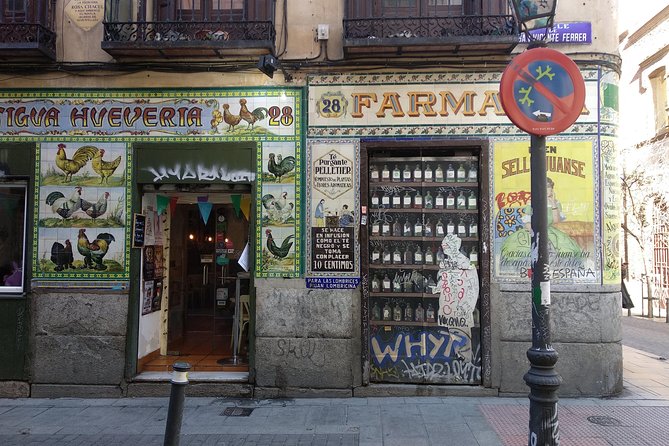
You’ll meet at BULANCorre, Baja de San Pablo, 2, Centro (near Tribunal metro). This is a solid launch point because it’s close enough to the action that you won’t waste the first minutes hunting for a starting line. You end at El Penta Bar, C. de la Palma, 4, Centro, also in the central zone and still walk-friendly.
This structure is practical: you’re not trekking across Madrid to earn your story. You’re staying in the neighborhood’s orbit, and that matters because Malasaña rewards foot traffic. It’s the kind of place where the little street turns are part of the narrative.
Stop 1: Microteatro, where mini plays began in an old brothel
Microteatro is short on time on the schedule, but it’s long on meaning. The key detail here is origin: it was founded in a former brothel, and it helped spark a trend for mini plays. That format—small rooms, intimate staging, fast impact—spread beyond Madrid and became a recognizable model.
Why this stop works: it’s not just a quirky fact. It’s a lesson in how Malasaña changes. Spaces that served one purpose get reimagined. The neighborhood’s personality is reflected in what people choose to create in places that used to be something else.
What to expect: You’ll likely get an overview of how the theater’s setting shaped the experience and why the mini-play concept caught on. Even with only about 5 minutes, the story gives you a new lens for what you’re seeing around you later.
Possible drawback: because the time is limited, don’t expect a full performance or deep walkthrough here. Think of it as a story starter—a way to set the tone.
Stop 2: Church of Saint Anthony of the German and the hidden ceiling
The Church of Saint Anthony of the German is listed as a quick stop, but this is exactly the kind of “blink and you’ll miss it” moment that makes a guided walk worthwhile.
The tour calls out a specific reason to care: the ceiling is described as Madrid’s Sistine Chapel ceiling. That’s the headline, but the deeper value is how the place is presented. The church looks unassuming from the outside. Then you learn that there’s major artwork hidden behind those simple walls.
What to expect: You’ll be shown where to look and given the context to understand why the ceiling matters. This is the kind of art moment where your reaction changes after the explanation—suddenly you’re not just seeing decoration, you’re noticing the choices.
Timing and tickets: the church stop is about 3 minutes and entry is not included. If you want to spend extra time with the artwork, plan to do it either before or after the official tour window, depending on opening hours and what’s possible that day.


Stop 3: Museo de Historia de Madrid and the Goya connection
Then you move to Museo de Historia de Madrid, where the tour shifts from “neighborhood stories” to “national turning points with local echoes.”
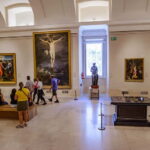
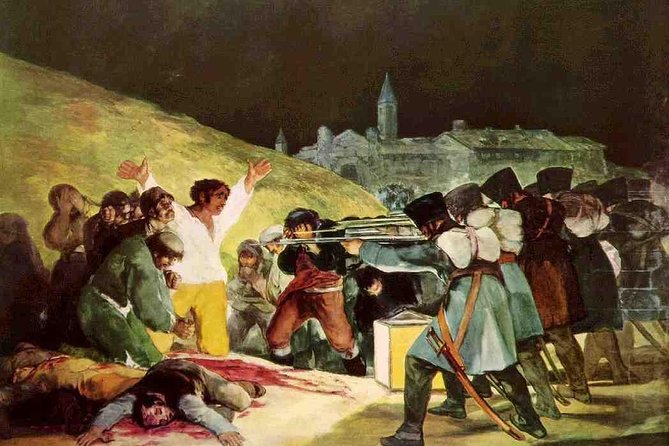
The museum segment includes a story that links romance and power to major conflict: a love affair between the queen and one of the king’s advisers is tied to the French invasion of Spain. You’ll also look at Goya’s most controversial painting.
Why this matters for Malasaña: it prevents the tour from becoming a purely local “scene and vibe” walk. Instead, it shows how big political events and court decisions can ripple through everyday life—and through the mood of a city. Malasaña may feel like it’s defined by nightlife and street character, but history still leaves fingerprints.
What to expect in practice: About 15 minutes in the museum is enough time to look carefully at what matters, not enough time to read every label or wander every gallery. The guide will help you focus your eyes where it counts—on the queen-and-adviser story thread, and on why that particular Goya work has a reputation for controversy.
The catch: if you’re a serious museum lover and want to linger, this section may feel short. But as part of a 2-hour format, it’s a focused payoff designed to keep the tour cohesive.
The walking between stops is part of the experience
You’re not stuck inside buildings. Most of your time is spent moving through Malasaña streets while the guide builds the storyline out loud.
This is where the tour’s value becomes obvious. Malasaña isn’t one landmark; it’s a pattern of streets, façades, and community energy. When you hear about uprisings, local characters, and the neighborhood’s transformation into a nightlife center, those ideas stop being abstract. The streets become evidence.
And this is where you’ll probably notice what people praise most: the guide’s ability to connect details into a usable mental map. Several pieces of feedback I saw emphasized how much that kind of city-wiring helps—even if you already know Madrid. People living in Madrid said they learned things they didn’t know. That’s a good sign: it means the tour isn’t just repeating the obvious talking points.
The guide matters: why Felicity’s style shows up in the whole route
In the feedback associated with this experience, Felicity comes up repeatedly. The consistent theme is engagement—she’s not just reciting dates. She’s explaining how and why, and keeping the flow entertaining without turning it into a comedy act.
You’ll likely feel this in the way she handles transitions. Each stop isn’t isolated. Instead, you get narrative links that help you remember the points. And when a tour group can stay interested for a full 2 hours without zoning out, that usually comes down to pacing and voice control from the guide—things you can’t fake with a script.
If you enjoy history that feels human—full of motives, odd twists, and people making choices—this style should fit you well.
Who this tour is best for (and who should choose something else)
This tour is a great fit if you:
- Want a quick, high-impact introduction to Malasaña beyond the obvious nightlife angle
- Like walking tours where stops are explained, not just photographed
- Enjoy political and cultural history that connects to places you can still see
- Appreciate a private group format where you can ask questions without feeling rushed
You might want a different option if you:
- Need a long museum session (the itinerary gives you focused time at Museo de Historia de Madrid)
- Prefer slower pacing and lots of free time in each location
- Don’t want to handle separate entry costs at the church, since Church entry is not included
Practical tips so you get the most out of the 2 hours
- Wear comfortable shoes. You’re walking through Malasaña streets and stopping in a few locations that aren’t designed for long stays.
- Bring a curious mindset. The tour leans on stories and context, so your attention will pay off.
- If the church is a priority for you, consider whether you want extra time there outside the official stop window. The church admission is not included.
- After the tour, use the ending point near C. de la Palma as a springboard. Finishing in that area makes it easier to continue your Malasaña evening on your own terms.
Should you book The Making of Malasaña?
I’d book it if you want more than trendy district sightseeing. This tour turns Malasaña into a readable place: uprisings and transformation on one side, street-level surprises on the other, and a museum stop that anchors it all with big historical context and a Goya moment.
The strongest reason to choose it is the combination of private pacing and story-first guiding. You’re paying for interpretation—someone connecting Microteatro’s origin, the church ceiling moment, and the museum’s political story into one coherent walk. If that’s your style, this is an easy yes.
If you’re budget-conscious or you want long, independent museum time, you may feel the format is tighter than you’d like. In that case, pair your planning with additional self-guided hours after the walk.
FAQ
How long is The Making of Malasaña?
The tour lasts about 2 hours.
Is this a private tour?
Yes. It’s a private experience, so only your group participates.
Do I need to print anything or can I use a mobile ticket?
You can use a mobile ticket.
Is the museum ticket included?
Yes. The Museo de Historia de Madrid stop includes admission.
Are tickets included for every stop?
Microteatro is listed as free. The Church of Saint Anthony of the German is not included, so you may need to pay for that entrance separately.
Where do I meet the guide?
You meet at BULANCorre, Baja de San Pablo, 2, Centro, 28004 Madrid (near Tribunal metro).
What if the weather is bad?
The experience requires good weather. If it’s canceled due to poor weather, you’ll be offered a different date or a full refund.
What’s the cancellation window?
You can cancel for a full refund if you cancel at least 24 hours in advance of the experience start time. Confirmation is received within 48 hours of booking, subject to availability.