REVIEW · MADRID
Tour ‘Best of Prado Museum’ (Skip the line ticket. 7 people max.)
Book on Viator →Bookable on Viator
Prado overload is real, until the plan clicks. I love the skip-the-line entry and the small group limit (max 7), which keeps the museum from turning into a rush job. One possible drawback: the Prado is enormous, so you’ll only see a curated selection of masterpieces, not the whole museum.
What makes this tour work is the guide’s way of turning big paintings into clear stories. You’ll spend your time on major works like Las Meninas, plus key artists such as Goya, Velázquez, and Bosch, with context that helps you actually look instead of just glance.
In This Review
- Key things to know before you go
- A small-group Prado plan that actually helps you look
- Skip-the-line entry, plus admission, in a price that makes sense
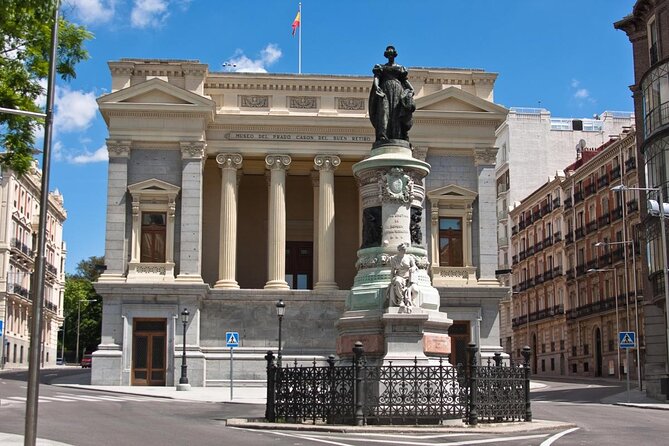
- Meeting at the Monument to Goya: find it, then go straight in
- Inside the Prado: a best-of route built for understanding
- Bosch and the Flemish Renaissance: learning to see detail first
- Velázquez and Las Meninas: why the Prado’s headline painting is a lesson
- Goya’s modern shock: the turn toward intensity
- Rafael, El Greco, Caravaggio, Brueghel: spot the differences as you go
- The guide’s approach: calm pace, context, and room for questions
- Who should book this Prado Best-of tour (and who might want a different plan)
- Should you book Best of Prado Museum?
- FAQ
- How long is the Best of Prado Museum tour?
- Is admission to the Prado included?
- Does the tour include skip-the-line entry?
- What is the group size limit?
- What language is the tour offered in?
- Where do we meet for the tour?
- Is there an official guide?
- Are service animals allowed?
- Is the meeting point near public transportation?
- Can I cancel for a full refund?
Key things to know before you go
- Skip-the-line entry so you start viewing faster
- Max 7 people for a more personal pace and better questions
- Official licensed art-history guide leading in English
- A best-of route centered on major Spanish and European names
- Skip-the-line plus admission included in the $60.49 price
- Structured looking that connects artists over time, not random stops
A small-group Prado plan that actually helps you look
The Prado can feel like a firehose: rooms, frames, names, and dates all at once. This tour’s main value is simple—it reduces the chaos. With a group capped at 7, you’re less likely to get swept along, and your guide can slow down for the works that need it.
This tour also gives you a way to read paintings. Instead of treating famous works like trophies, the guide frames them with technique and historical context. That means when you see a masterpiece such as Las Meninas, you’re not just spotting the subject—you’re noticing how the painting is built and why it mattered.
You should also know the time reality. It’s about 2 hours, so you’ll leave with insight on the highlights, not with a “completed museum” badge. If you’re the type who likes lingering for an hour in one room, you may want extra time on your own after the tour.
You can also read our reviews of more tours and experiences in Madrid


Skip-the-line entry, plus admission, in a price that makes sense
At $60.49 per person, you’re paying for three things: admission to the Prado, a licensed art-history guide, and skip-the-line entry. Because admission is included, the cost doesn’t feel like you’re double-paying just to get in.
The skip-the-line part matters here. The Prado can get crowded, and waiting around at ticket counters burns the one thing you can’t buy more of: museum time. This tour is built to get you past that friction quickly.
Also, the small-group format helps keep the visit efficient. In a bigger group, a guide often has to rush through “important parts.” Here, you’re more likely to cover fewer works but understand them better—exactly what you want from a best-of tour.
Meeting at the Monument to Goya: find it, then go straight in
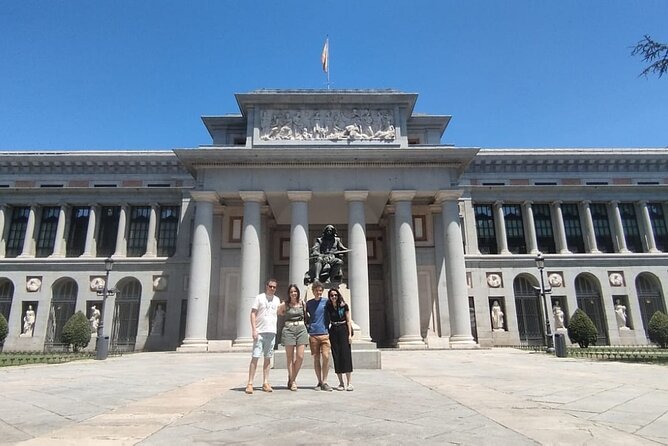
You’ll start at the Monument to Goya, C. de Felipe IV, s/n, Retiro, 28014 Madrid. The tour ends back at this same meeting point.
This is a good setup for two reasons. First, it anchors you in a recognizable spot near the Retiro area. Second, returning to the same point makes your next step easier—whether you’re heading to lunch, hopping on public transport, or just continuing to explore the Prado at your own pace.
The tour is listed as near public transportation, which is helpful if you’re building your day around Madrid’s transit rhythm. Just do one thing: arrive a few minutes early so the group can start viewing without delays.
Inside the Prado: a best-of route built for understanding
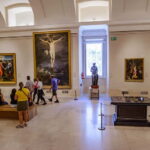
The Prado experience is usually either random wandering or heavy structure. This tour gives you structure, but not in a stiff way. The route focuses on major works and uses them to explain how artists influenced each other over time.
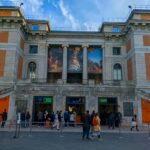
The stop is straightforward: Museo Nacional del Prado. Practically, that means your time stays inside the museum rather than split across multiple locations. You get concentrated viewing, and the guide can keep the storytelling connected.
Expect to spend most of your time on key masterpieces rather than trying to see everything. Reviews highlight that the guide often targets around 8 to 10 important works, giving enough time to understand technique and meaning. That’s a smart trade-off for a 2-hour tour: fewer stops, better viewing.
Also, the guide uses an approach that helps you hear clearly—some groups note the use of headsets. When a museum is busy, this kind of audio setup can make a real difference in how much you take in.
Bosch and the Flemish Renaissance: learning to see detail first
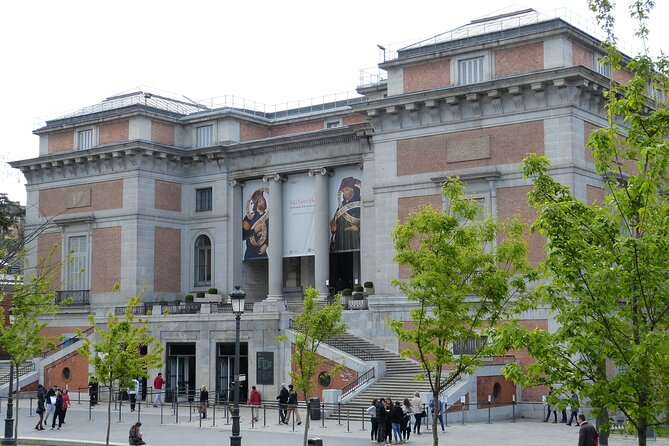
The tour’s flow tends to start with earlier European influences, including the Flemish Renaissance. That matters because the Prado’s Spanish masterpieces didn’t appear in a vacuum. Artists learned from older painting traditions, then transformed them.
You’ll get a taste of this with Hieronymus Bosch and his iconic work The Garden of Earthly Delights. Bosch can look like a strange dream at first. But when the guide breaks down what you’re seeing—figures, symbolism, and composition—Bosch stops being overwhelming and starts becoming readable.
This is where the best-of format shines. The guide doesn’t just name famous painters. He helps you notice how they build images, how they use color and detail, and how a later artist can borrow ideas from earlier schools.
If you’re not a hardcore art fan, this is the part of the tour that often wins people over. It gives you a foundation for what comes next.
You can also read our reviews of more museum experiences in Madrid


Velázquez and Las Meninas: why the Prado’s headline painting is a lesson
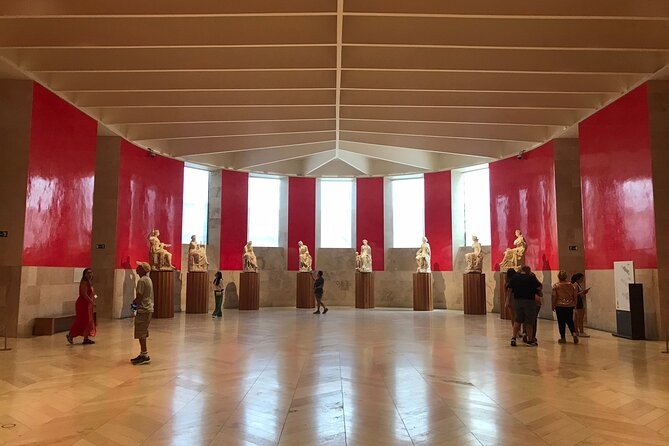
If you’re going to the Prado, Las Meninas by Velázquez is the work that anchors the whole museum visit. You’ll spend time on it, and the guide’s job is to make it make sense.
This painting is famous for a reason, but the reason isn’t only the subject—it’s how the painting operates. The guide helps you look at it in layers: what’s happening in the scene, how perspective and light work, and what makes Velázquez so important to the evolution of painting.
A practical benefit for you: once you know what to look for in Las Meninas, it becomes easier to spot those same artistic moves elsewhere. Reviews often describe the tour as moving chronologically so each section builds on the previous one. That approach makes the masterpiece feel less like a single stop and more like a turning point.
Goya’s modern shock: the turn toward intensity
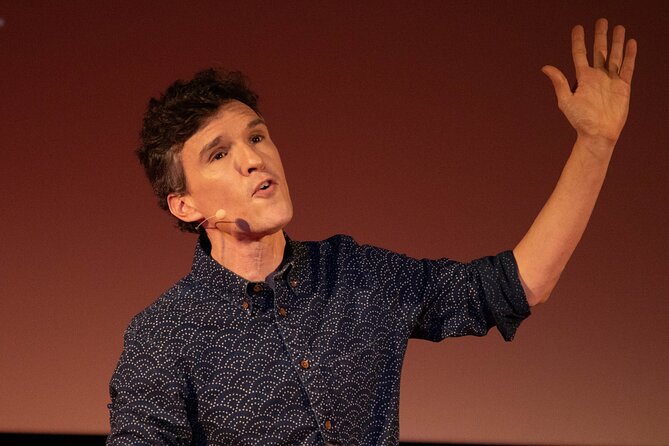
After the earlier masters, the tour shifts forward to Goya, often described as the first great modern artist. This is where the Prado stops being mainly about technique and becomes about emotion and change.
You’ll see highlights tied to Goya’s reputation, including his Dark Paintings. Goya’s work can feel heavy, but the guide helps you connect that mood to what’s going on in art and society. That’s one reason this tour tends to be memorable even for people who thought they were not “art people.”
The guide’s storytelling approach can also change how you interpret what you see. Some groups mention an art-therapy and psychology-style lens, where the discussion links how a painting can affect the viewer to deeper human themes. You don’t need that framework to appreciate the art—but if you enjoy thoughtful reflection, it can add an extra layer.
Rafael, El Greco, Caravaggio, Brueghel: spot the differences as you go
One of the most useful outcomes of a guided Prado highlights tour is pattern recognition. You start noticing the differences between artists quickly—style choices, composition habits, and what each painter focuses on.
This tour includes artists such as Rafael, El Greco, Caravaggio, and Brueghel the Elder. Even if you only catch part of each artist’s world, your guide’s job is to connect the dots: how earlier traditions shape later work, and how innovation looks on a canvas.
A balanced expectation: you won’t have time to fully “study” each painter. But you will come away with a working sense of what each artist is known for. That’s valuable because it changes how you experience the museum after the tour, too. You’ll walk into rooms on your own and have a framework to understand what you’re seeing.
The guide’s approach: calm pace, context, and room for questions
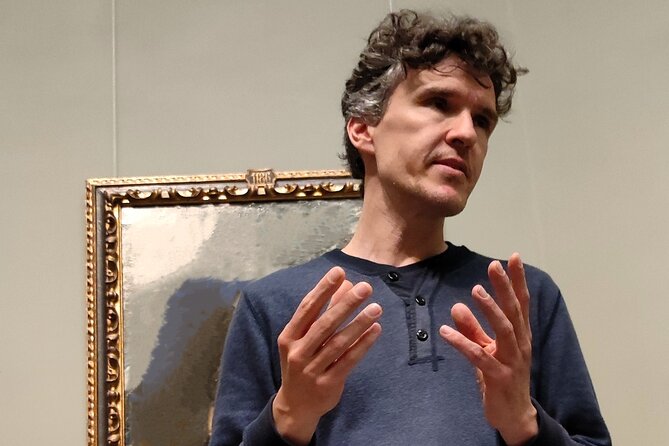
The tour’s biggest strength, based on consistent feedback, is the guide: passionate, clear, and able to teach you how to look. The best art guide doesn’t just list facts. He translates painting into choices—what the artist is doing and why you should pay attention.
You also get time for questions. With a group of 7, the visit isn’t a performance where you watch and hope to understand later. Instead, the guide can respond to what your group genuinely wants to know.
That matters because the Prado can be emotionally and visually intense. If you ever felt stuck in museums—standing in front of a painting but not sure what to notice—this style of guiding tends to solve that problem fast.
And yes, the tour is in English, so you can focus on the art rather than decoding museum explanations.
Who should book this Prado Best-of tour (and who might want a different plan)
This is a great fit if you want:
- A guided, highlight-focused Prado experience in about 2 hours
- Skip-the-line entry to save time in a busy museum
- An art-history explanation that helps you understand paintings, not just recognize names
- A small group setting where questions are actually possible
It may be less ideal if you want to:
- See everything in the Prado without prioritizing
- Spend long, uninterrupted time in one room
- Treat the visit like a self-guided deep study session
Also, consider your art comfort level. Even people who say they’re not strong on art history often find this kind of structured route helps them enjoy the museum more. If you’re the type who loves structure, or you want to feel “caught up” quickly before exploring more, this plan is usually a winner.
Should you book Best of Prado Museum?
Yes—if you want the Prado’s most famous works explained in a way that helps you look closely, not just walk through rooms. The combination of skip-the-line, admission included, and a max of 7 people is strong value for the time you get.
I’d especially recommend it if you’re visiting Madrid with limited museum time. Two hours is long enough to build real understanding around major paintings like Las Meninas and to connect the shift toward Goya. Then you can decide whether to return on your own for slower browsing.
The only real reason to skip is if you prefer total freedom and don’t want a curated route. Otherwise, this is one of the most efficient ways to turn the Prado from overwhelming into memorable.
FAQ
How long is the Best of Prado Museum tour?
It runs for about 2 hours (approx.).
Is admission to the Prado included?
Yes. The admission ticket is included in the price.
Does the tour include skip-the-line entry?
Yes. It includes skip-the-line entry so you do not have to wait at the ticket office.
What is the group size limit?
The tour has a maximum of 7 travelers.
What language is the tour offered in?
It is offered in English.
Where do we meet for the tour?
The meeting point is the Monument to Goya, C. de Felipe IV, s/n, Retiro, 28014 Madrid, Spain.
Is there an official guide?
Yes. The guide is licensed and qualified in Art History.
Are service animals allowed?
Yes, service animals are allowed.
Is the meeting point near public transportation?
Yes, it is near public transportation.
Can I cancel for a full refund?
Yes. Free cancellation is available up to 24 hours in advance of the experience for a full refund.