REVIEW · MADRID
Cured Meats Gourmet Tasting with Wine Pairing in Madrid
Book on Viator →Operated by Things to do in Madrid · Bookable on Viator
A few bites can teach you a lot about Spain. This small-group tasting pairs jamón ibérico and other cured meats with olive oil and wine, right in central Madrid, with a host who explains what makes the flavors tick.
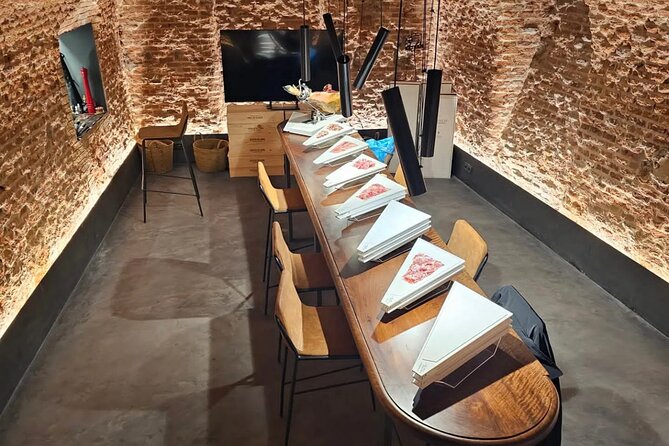
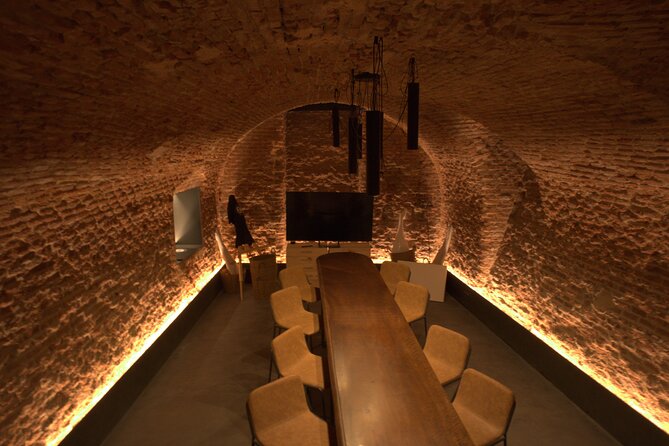
I especially like that you get more than just ham—you’ll taste cured staples like chorizo, lomo, and salchichón, so the tasting paints a fuller picture of Spanish charcuterie. The other win is the setting: it’s held in a charming historic building near public transit, so it feels like a proper Madrid stop, not a random snack-table.
One thing to consider: the experience is short (45 minutes is the estimate), and some diners have found the wine portion and timing a bit tight. If you’re hoping for a long, wine-led drinking session, you may want to adjust expectations.
In This Review
- Key things to know before you taste
- Madrid cured-meat tasting, in a historic setting (and why it matters)
- The real star: what jamón ibérico tastes like (and why acorns matter)
- Your tasting lineup: chorizo, lomo, and salchichón in context
- Olive oil pairing: how it changes what you taste
- Wine pairing: what to expect and how to keep it enjoyable
- Time and pacing: 45 minutes on paper, tight in real life
- Where this experience fits in your Madrid day
- Price and value: is $58.22 worth it?
- Who should book this tasting (and who might not)
- Before you go: simple tips that improve the whole tasting
- FAQ
- FAQ
- How long is the cured meats and wine tasting?
- Where does the tasting meet in Madrid?
- What’s included in the tasting?
- Is wine included for everyone?
- How big is the group?
- Can I use my mobile ticket at any time during the day?
- What time will I receive confirmation?
- Is the meeting point near public transportation?
- What is the cancellation policy?
- Is this activity easy for most people to join?
- Should you book it?
Key things to know before you taste
- Acorn-fed jamón ibérico stories: the host explains the traditional process and the acorn connection that shapes flavor
- A small group (max 14): easier for questions and tighter guidance while you sample
- More than ham: chorizo, lomo, and salchichón round out the cured-meat lineup
- Olive oil included: you taste local olive oil alongside the cured meats, not after them
- Wine is paired, not prolonged: plan for wine as part of the bites, and keep your expectations realistic
- Central meeting point: C. del Arenal, 17 (Centro) makes it easy to slot into a day of sightseeing
Madrid cured-meat tasting, in a historic setting (and why it matters)

This is one of those Madrid food experiences that works because it’s focused. You’re not wandering around for hours looking for the next tapas stop. Instead, you get a tutored tasting where the host steers what you notice: salt, fat, aroma, texture, and how each cured meat behaves with olive oil and wine.
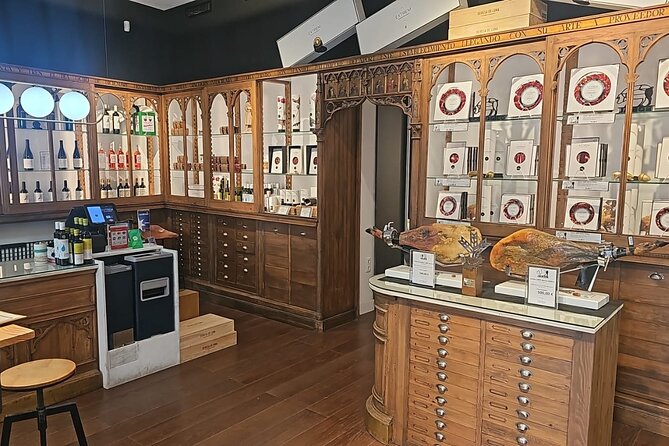
The location helps too. The meeting point is on C. del Arenal, 17, in Centro, and it’s described as near public transportation. That’s a big deal in Madrid, where you can waste time if you start your day far from the main movement corridors.
Group size stays capped at 14 travelers, which usually means less waiting and more attention. You also redeem with a mobile ticket during store hours (11 AM to 9 PM), which gives you flexibility if your day runs long or early.
You can also read our reviews of more food & drink experiences in Madrid



The real star: what jamón ibérico tastes like (and why acorns matter)
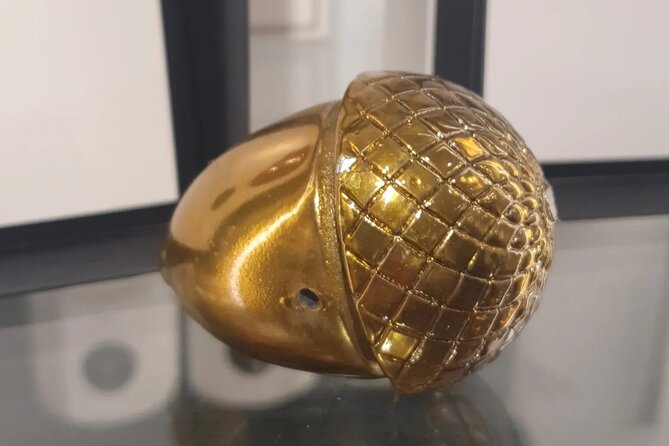
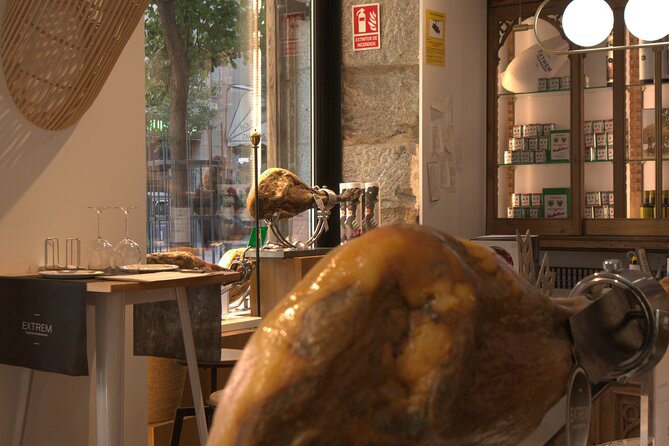
The centerpiece is jamón ibérico, presented as rare Spanish cured ham. The host walks you through the traditional production process, including the surprising role of acorns. That detail isn’t trivia for trivia’s sake. It connects to why jamón ibérico often has a deeper, more rounded flavor—less one-note saltiness and more layered richness.
Here’s what you should pay attention to during the ham portion:
- Smell first: cured ham has a perfume-like aroma that changes as it warms a bit
- Look for the fat: ibérico ham fat tends to taste silky when sliced thin
- Let it melt: this isn’t meat you chew like a burger. The texture is part of the experience
I like this format because it teaches your senses. Even if you’re not a super-fussy foodie, the host’s guidance helps you taste with purpose.
Your tasting lineup: chorizo, lomo, and salchichón in context
Jamón ibérico gets the spotlight, but the lineup is built to show contrast across Spanish cured meats:
- Chorizo: typically spiced, with a different balance of fat and seasoning than ham
- Lomo: cured pork loin, usually leaner with a distinct flavor profile
- Salchichón: another cured sausage, also offering a different texture and spice pattern
In practice, this matters because Spanish charcuterie isn’t just one product. It’s a whole family of techniques and flavor decisions—curing time, spice, grind/coarseness (for sausages), and fat content. You’ll taste that difference in a short span, which is exactly why this kind of tasting beats trying to guess on your own in a busy shop.
If you have a favorite from tapas (maybe you always order chorizo or salchichón), this tasting can help you understand what you’re actually enjoying, not just that it tastes good.
Olive oil pairing: how it changes what you taste
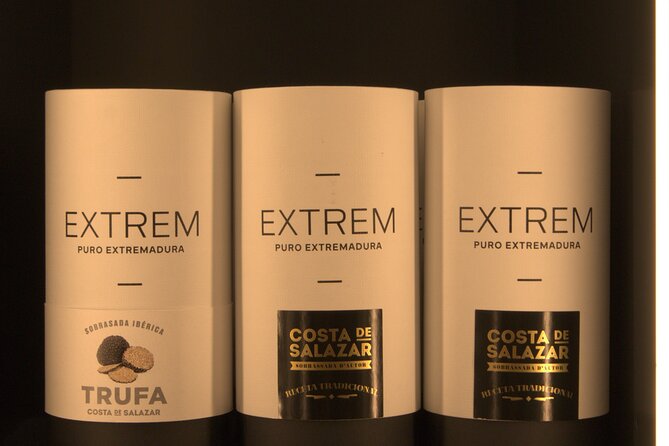
You’ll also taste local olive oil produced in-house. That’s a useful addition because olive oil isn’t only for salads in Spain. It’s part of everyday flavor-making, and with cured meats it can either:
- soften the salt edge, or
- make the aromas feel more pronounced
The best way to use the olive oil in your tasting is simple: take a small portion and compare it immediately to a bite of the meat without oil. The goal is to notice how the oil affects mouthfeel and how it nudges the cured flavor forward.
I like that the experience includes olive oil as a teaching tool. It helps you buy better later, because you start learning what olive oil should do on the palate.
Wine pairing: what to expect and how to keep it enjoyable
Wine pairing is included with tasting. There’s also a clear rule: you must be 18 or older to taste wine. That makes the experience straightforward for adults, but it’s also a reminder that the wine portion is part of the pairings, not a free-for-all.
A possible catch: the experience is short, and some people have felt the wine component was lighter than expected. So if you’re a wine lover hoping for multiple pours, don’t count on a long, wine-forward session.
How to get the most from it anyway:
- Focus on pairing logic, not quantity
- Take small sips between bites, not one big drink after each course
- Pay attention to how wine changes the cured-meat finish
When the pairing works, the flavor shifts are noticeable—especially with fatty ham where wine can reset your palate quickly.
You can also read our reviews of more wine tours in Madrid






Time and pacing: 45 minutes on paper, tight in real life
The listed duration is about 45 minutes. However, the overall structure is still a quick tasting. Expect a guided sequence where you move from one sample to the next, with explanation threaded through.
Why that matters: charcuterie tastes best when you’re not rushing, but cured meat also doesn’t need a long ceremony. You’re sampling multiple items—ham plus several cured meats plus olive oil plus wine. With that many elements, it tends to be efficient.
My advice: treat it like a concentrated “starter course” to Spanish food, not as a full meal substitute. If you want a big dinner later, this tasting is a smart way to set your palate and learn what to look for when you’re ordering on your own.
Where this experience fits in your Madrid day

Because it’s close to public transportation and starts/ends at the same point, I’d treat it like an easy anchor activity:
- do it earlier in the day if you’re heading toward a tapas-heavy evening, or
- do it as a midday palate reset if you’ve already had several small bites
The redemption window is 11 AM to 9 PM, which helps you pick a time that won’t clash with museum hours or late-lunch plans. If you like food experiences that don’t drain your whole day, this is built for you.
Also, the end point is back at the meeting location. That’s convenient if you’re coordinating with a friend or planning a simple next stop on foot.
Price and value: is $58.22 worth it?
At $58.22 per person, you’re paying for a few things at once:
- a curated set of cured meats (not just one)
- olive oil tasting included
- wine pairing included (with the 18+ requirement)
- a guided host who explains production and what to notice
So the value depends on what you expect from the experience. If you want a short, guided overview of Spanish cured meat plus oil and wine, it can feel very fair—especially with a small group.
If you’re expecting a long tasting with lots of wine, then the price may feel steep relative to how brief the overall experience is. The same logic goes for language expectations: the description doesn’t guarantee fluent English for every staff member, and some diners have had communication issues. If language clarity is crucial for you, consider booking with a flexible attitude or arrive ready with a few basic Spanish food words and an open mind.
Who should book this tasting (and who might not)
This works best for:
- Food lovers who want a guided taste, not a DIY hunt
- People who like learning why something tastes the way it does (acorns, curing, pairing)
- Visitors who want a quick, quality stop in central Madrid
You might skip or adjust expectations if:
- You want a long, drinking-heavy experience rather than a structured pairing
- You’re sensitive to tight pacing and small pours
- You strongly require high-detail English explanations throughout (communication can vary)
If your main goal is to learn how Spanish cured meats connect to ingredients and craft, this is exactly the kind of small-group activity that pays off.
Before you go: simple tips that improve the whole tasting
A few practical moves can help you enjoy it more:
- Eat lightly beforehand. Even with samples, you’ll taste multiple items and you don’t want to be totally empty or totally full.
- Go with a comparison mindset. Taste one bite “as-is,” then compare with olive oil and wine.
- Ask at least one question about the curing process or the acorn-fed ham idea. The host’s explanations are a big part of the value.
- Make sure your reservation is correct and your mobile ticket is ready. Quick check-ins matter when timing is tight.
Also: since wine is included, plan to stay within the area after. The meeting point is easy to reach, but you’ll still want to be comfortable for the rest of your plans.
FAQ
FAQ
How long is the cured meats and wine tasting?
The experience is listed as about 45 minutes.
Where does the tasting meet in Madrid?
It starts at C. del Arenal, 17, Centro, 28013 Madrid, Spain, and ends back at the meeting point.
What’s included in the tasting?
You’ll get a Spanish cured meats and olive oil tasting, plus a wine tasting.
Is wine included for everyone?
You must be 18 or older to taste wine.
How big is the group?
The tour/activity has a maximum of 14 travelers.
Can I use my mobile ticket at any time during the day?
You can redeem the experience at any time during opening hours of the store, 11 AM to 9 PM.
What time will I receive confirmation?
Confirmation is received at the time of booking.
Is the meeting point near public transportation?
Yes, it’s described as near public transportation.
What is the cancellation policy?
There’s free cancellation. You can cancel up to 24 hours in advance for a full refund; within 24 hours, no refund is provided.
Is this activity easy for most people to join?
It’s listed as: most travelers can participate.
Should you book it?
If you want a compact, guided introduction to jamón ibérico, other cured meats, olive oil, and wine in central Madrid, I think it’s a strong pick. The small-group size and the host-led explanations (especially the traditional process and acorn connection) are the parts that make it feel like more than just eating.
But if your top priority is a long wine experience or you expect a lot of wine pours and extra time, consider adjusting your expectations—or looking for a different food-and-drink format that’s built for longer tasting.