REVIEW · MADRID
El Escorial and Valley of the Fallen Private Tour
Book on Viator →Operated by Amigo Tours Spain · Bookable on Viator
Two sites. One unforgettable storyline. This private, 5-hour Madrid outing connects El Escorial with the Valley of the Fallen, and your guide ties the art, architecture, and politics into one clear picture as you travel outside the city.
What I like most is the hands-on way you get oriented before you ever “just look.” The stop at El Escorial lets you absorb big ideas—this complex served as monastery, palace, pantheon, library, and more—while the Valley of the Fallen brings you face-to-face with how Spain chose to remember its Civil War.
One consideration: the day has real walking time, and you’ll do a good chunk of exploring on foot instead of cruising past views from a coach. If you’re hoping for mostly seated sightseeing, this won’t feel like that.
In This Review
- Key Highlights Worth Prioritizing
- From Ventas to the Hills: How the Private Ride Really Works
- Valle de los Caídos: What You’ll See at the Franco-Era Memorial
- El Escorial Monastery: Renaissance Power with a Mountain-Edge Feel
- The Monastery Visit That Changes Your Perspective on Philip II
- Timing: What 5 Hours Feels Like (and Why Walking Is Part of It)
- Included vs Not Included: Where Your Money Actually Goes
- Who This Tour Suits Best (and Who Might Want a Different Plan)
- Should You Book This El Escorial and Valley of the Fallen Private Tour?
- FAQ
- Is hotel pickup in Madrid included?
- Where is the meeting point and where does the tour end?
- What sites are included in the itinerary?
- Are admission tickets included?
- How long is the tour?
- Is this tour suitable for children and strollers?
Key Highlights Worth Prioritizing
- Two politically loaded sites, explained simply: you’ll get context that makes the shapes and symbols easier to read.
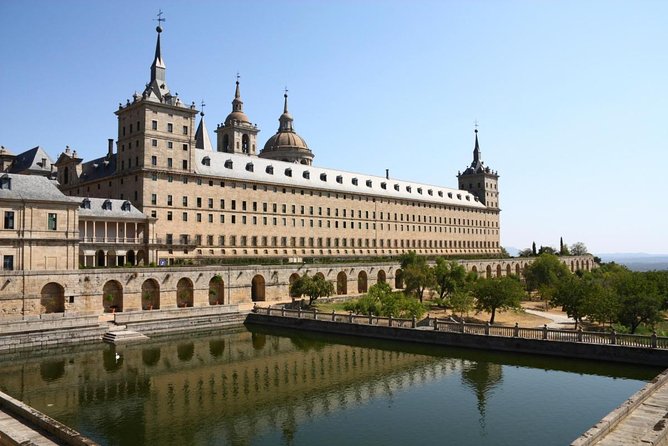
- El Escorial’s mountain setting and basilica views: you’re not just touring rooms—you’re seeing how the place was built into the terrain.
- A guided plan for El Escorial’s many roles: the guide helps you understand why it’s part church, part royal headquarters, part learning center.
- Time to photograph big exteriors: the Gothic cemetery and the monastery facade give you strong visual stops.
- Small-group feel (up to 10): easier questions, less crowd chaos than bigger buses.
From Ventas to the Hills: How the Private Ride Really Works
You start in Madrid with a clear meeting point setup—Ventas is listed as the start, and the activity ends back where you meet. If you’re staying in central Madrid, hotel pickup is available, but there’s a heads-up: traffic restrictions may prevent the car from pulling right up to your door. In that case, the guide meets you and then you go together to the vehicle.
This matters because it affects how smoothly your morning moves. You’re not spending energy figuring out transport to the countryside, and a private guide keeps the day from turning into a “stamp-and-go” checklist.
The tour runs in English, and it’s designed for most travelers. Service animals are allowed too, and if you’re traveling with kids under 11, you’ll need your own baby car seat since the operator can’t provide one.
You can also read our reviews of more private tours in Madrid



Valle de los Caídos: What You’ll See at the Franco-Era Memorial
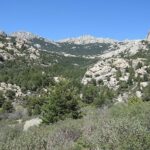
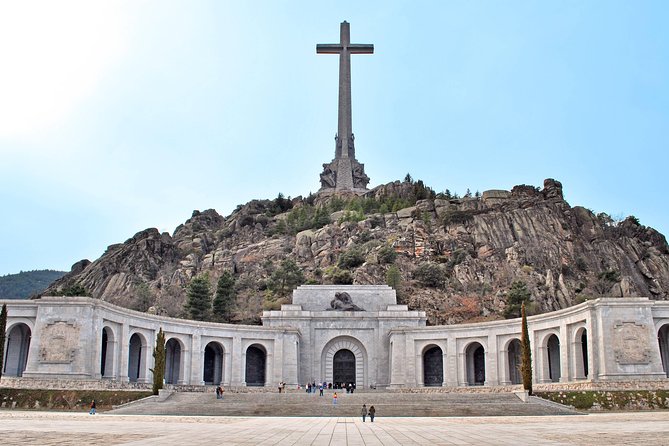
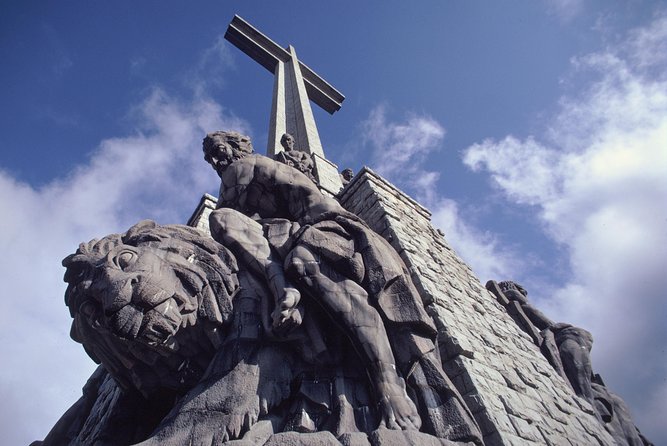
Your first stop is the Valley of the Fallen (Valle de los Caídos), a Catholic basilica and monumental memorial built in the Sierra de Guadarrama near Madrid. It was erected during the Francoist regime to commemorate those who died during the Spanish Civil War—so yes, you’re visiting a place with heavy meaning, not just impressive architecture.
Plan for options. The tour description notes you can choose to buy tickets and visit the interior. Even if you don’t go inside, you can still appreciate the location and the outdoor memorial structure from multiple angles.
How to make this stop work for you: treat it like a guided reading experience. The guide’s job here is to translate the symbolism—why it looks the way it looks, why the church aspect is part of the story, and what the location says. If you’re someone who likes to understand what you’re seeing (and not just photograph it), this is the kind of start that sets the tone for the whole day.
El Escorial Monastery: Renaissance Power with a Mountain-Edge Feel
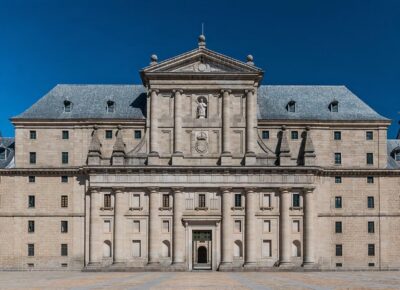
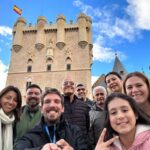
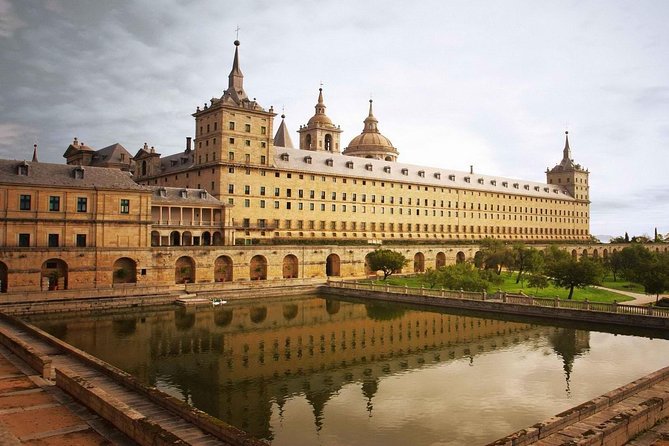
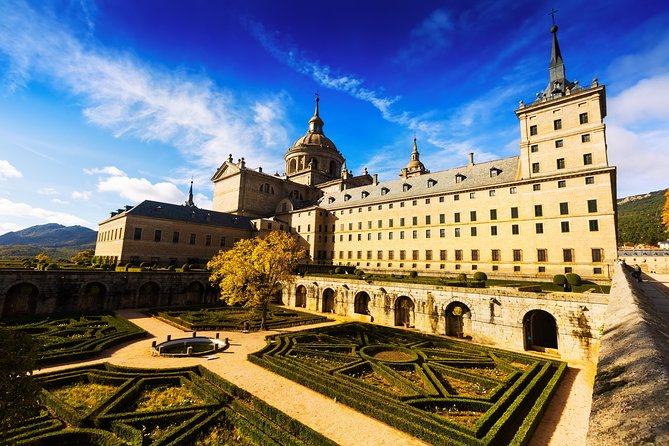
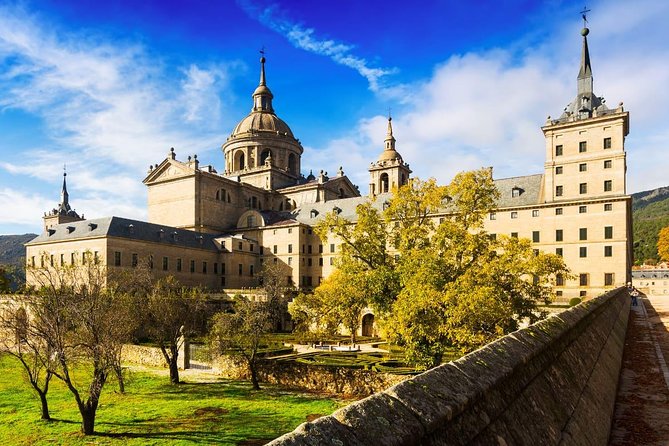
Next is Real Sitio de San Lorenzo de El Escorial, one of Spain’s Spanish royal sites—and the kind of place that’s hard to summarize without sounding dramatic. The core idea is that it functions as a monastery, basilica, royal palace, pantheon, library, museum, university, school, and hospital. One building complex, many jobs. The result is that your visit feels like walking through a whole system, not a single church.
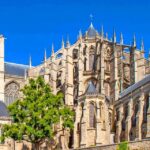
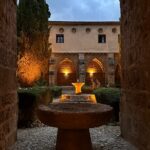
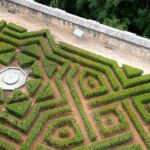
You’ll get around the Gothic cemetery, see the basilica built into the side of a mountain, and visit the monastery founded by the monks of St. Jerome. That “built into the mountain” part is the visual hook. It turns the site into something more than a set of walls—it feels like the landscape is part of the design.
This stop is also where I’d slow down for photos. The basilica side view gives you a scale sense fast, and the cemetery lets you notice the Gothic mood in a way you don’t get from postcard images.
The Monastery Visit That Changes Your Perspective on Philip II
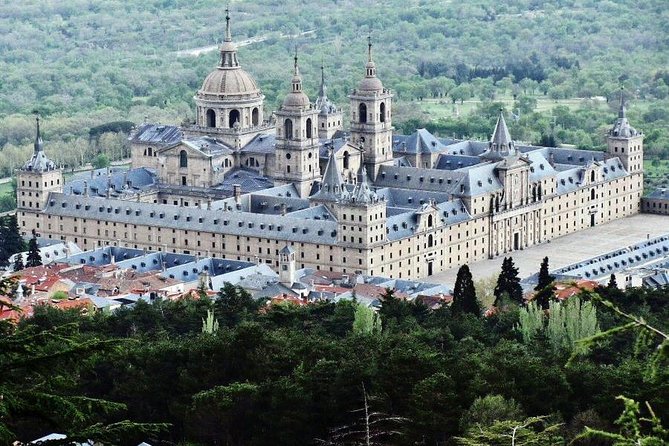
El Escorial is listed on the World Heritage List since 1984, and the tour frames it as one of the best ways to travel through Spain’s story—especially the reign of Philip II. That’s not just marketing. It’s practical: the more you understand Philip II’s priorities, the more you’ll read the complex correctly—religion, authority, learning, and power all braided together.
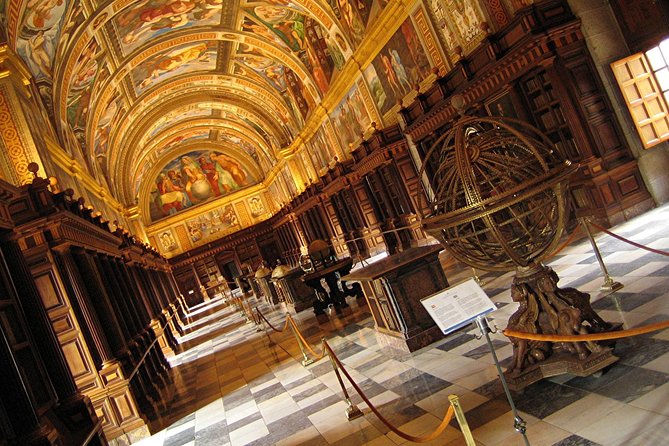
This is also where the visit becomes very visual. One of the standout memories people often have here is the painted ceilings. The painted surfaces can feel so impressive that they compete with the most famous Renaissance ceiling comparisons you’ve likely heard before. Whether you rank them highest or not, the point is that the interiors are the reward after the exterior wow.
The basilica is another big moment. The description of what you see lines up with what makes the building so memorable: you step into a church space that feels designed to impress, not just to function.
A practical note: if you love artwork and want the story behind it, plan to ask your guide questions early and often. The tour includes tickets and a private guide, but the experience still includes time exploring the spaces. If you’re the type who benefits from interpretation while you’re standing in front of specific artifacts, come armed with questions like What should I look at first here? and What does this ceiling painting connect to in the larger plan?
Timing: What 5 Hours Feels Like (and Why Walking Is Part of It)
The duration is about 5 hours, and it’s built around two main destinations. Stop 1 is around 1 hour, Stop 2 is about 1 hour 30 minutes, and Stop 3 is about 2 hours.
In real terms, that means this is not a “sit back and look out the window” tour. It’s more like: travel, absorb context, walk, look closely, then move again. The walking is one of the main watch-outs.
If you’re traveling with a toddler or someone who struggles with stairs and uneven ground, you’ll want to think about pacing. Comfortable shoes help, and you might want to set expectations with whoever’s in your group: you’re going to cover ground. Also, consider how long you can tolerate indoor/exterior temperature swings—monuments can mean sun one minute, stone shade the next.
There’s also a practical timing risk: the monuments have the right to close due to official events. That won’t happen every day, but it’s worth keeping in mind if you’re traveling during a week with known ceremonies.




Included vs Not Included: Where Your Money Actually Goes
Let’s talk value in plain language. The price is listed at about $132.09 per person for this half-day private outing. For that, you get transportation plus pickup/drop-off from central Madrid hotels, a private guide, and tickets for the Monastery of El Escorial and the Valley of the Fallen.
That’s meaningful because these sites aren’t “free and quick.” Entrance fees and the time cost of getting there on your own can add up fast. With a guide, you’re also buying context—how the architecture and layout connect to Spain’s rulers and political history.
One small wrinkle: the stop-by-stop details mention that admission tickets for certain stops are not included, even though the “Included” section lists tickets for both. Since the two sections conflict, don’t guess—confirm ticket handling when you book. The safest move is to ask the provider exactly what’s covered for Valley interior access and any specific areas inside El Escorial.
What’s not included is food and drinks. So bring your own water (especially in warm months), or plan a quick snack strategy. The tour keeps you moving, and you don’t want to spend your best energy hunting for a bite you didn’t budget for.
Who This Tour Suits Best (and Who Might Want a Different Plan)
This tour fits best if you want a guided framework. If you like to connect places to the people and politics behind them—Philip II, monastic life, and how Spain commemorated the Civil War—you’ll get a lot out of it.
It also works well for first-time visitors to Madrid who want a countryside hit without the hassle of self-planning. Two major sites in one outing is efficient, and the private guide approach keeps questions from getting swallowed by a big group.
If you’re traveling with mobility limits, the walking time is the biggest concern. The itinerary includes multiple explored areas, including cemetery ground and museum/palace-style interiors. You can still do it, but you’ll want to be honest about endurance.
Should You Book This El Escorial and Valley of the Fallen Private Tour?
If you want a single day that connects architecture to history—and you don’t mind walking—this is a strong choice. The blend of El Escorial’s all-in-one royal complex and the Valley’s memorial-basilica setting gives you two different lenses on Spain, and the guide’s role makes the meaning stick.
Book it if you’re the type who loves details like painted ceilings, mountain-set basilicas, and learning how one complex can serve as a monastery, palace, library, and more. If your ideal tour is mostly seated and view-only, or if your group has limited stamina, you might want a plan with fewer walking demands.
Either way, do one thing before you go: come with 2–3 questions you actually care about—who was in charge here, what you should look for first, and what the symbolism is trying to say. This tour rewards curiosity fast.
FAQ
Is hotel pickup in Madrid included?
The tour can include pickup from hotels located in central Madrid. If traffic restrictions prevent the car from stopping directly at your hotel, the guide will meet you and walk with you to the vehicle.
Where is the meeting point and where does the tour end?
The listed meeting point is Ventas, Ciudad Lineal, Madrid, Spain, and the tour ends back at the meeting point.
What sites are included in the itinerary?
You’ll visit the Valley of the Fallen (Valle de los Caídos) and El Escorial, including Real Sitio de San Lorenzo de El Escorial and the Royal Site of San Lorenzo de El Escorial.
Are admission tickets included?
The package lists tickets to the Monastery of El Escorial and the Valley of the Fallen as included. However, the stop details for the Valley and El Escorial also state admission tickets are not included for certain stops, so you should confirm what’s covered when you book.
How long is the tour?
The duration is approximately 5 hours.
Is this tour suitable for children and strollers?
Service animals are allowed. The tour notes that children under 11 must use a baby car seat, and the operator cannot provide it—so you’ll need to bring your own. The tour is marked as suitable for most travelers.